
Reviewed · KYOTO COOKING CLASSES
Kyoto: Sushi Making Class with Sushi Chef
Kyoto’s sushi-making class takes you from a practice model to shaping real nigiri and rolling sushi you can eat for lunch. I like two things in particular: the fish is bought fresh each morning at Kyoto Central Wholesale Market, and the chef explains the craft step by step, including sushi etiquette. The lesson is hands-on, but not a market tour: your ingredients are prepared before class.
You also get photos and videos afterward, so you can focus on the lesson instead of documenting every move. One point to weigh carefully: the class is listed as unsuitable for people with food allergies, and the exact venue and duration can vary.
The details that make this class worthwhile
- Fresh market fish: The chef buys fish at Kyoto Central Wholesale Market early each morning and prepares it shortly before class.
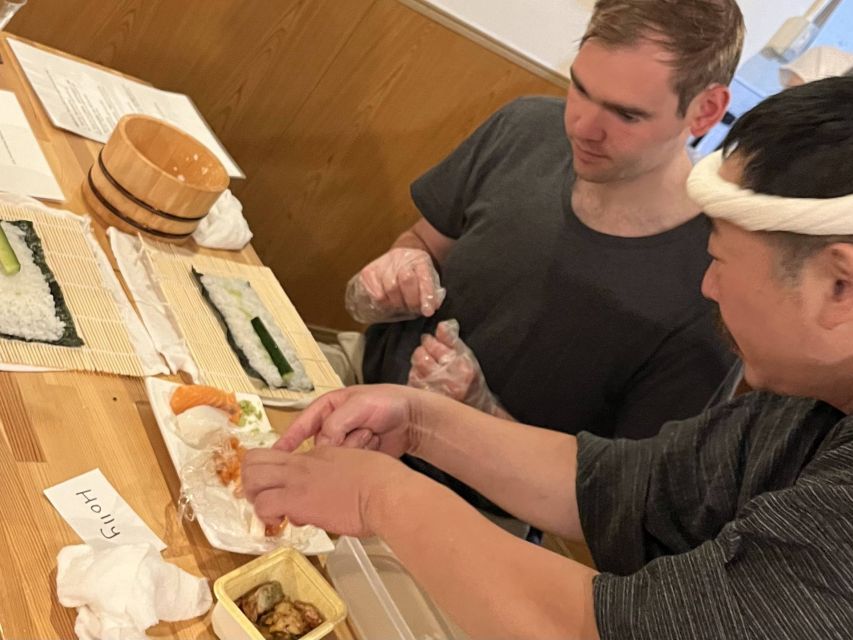
- Practice before the real thing: You start with a sushi sample toy, then try nigiri and make a roll using a special tool.
- A meal you make yourself: You plate your sushi and eat it with Japanese-style dashi soup and tea or water.
- Small-group instruction: The class is limited to eight participants, with teaching in English or Japanese.
- Photos and videos included: The team records parts of the class and shares the files afterward.
- A flexible time commitment: The stated duration ranges from 90 minutes to three hours, so check the available session details before booking.
From a sushi model to your first piece of nigiri
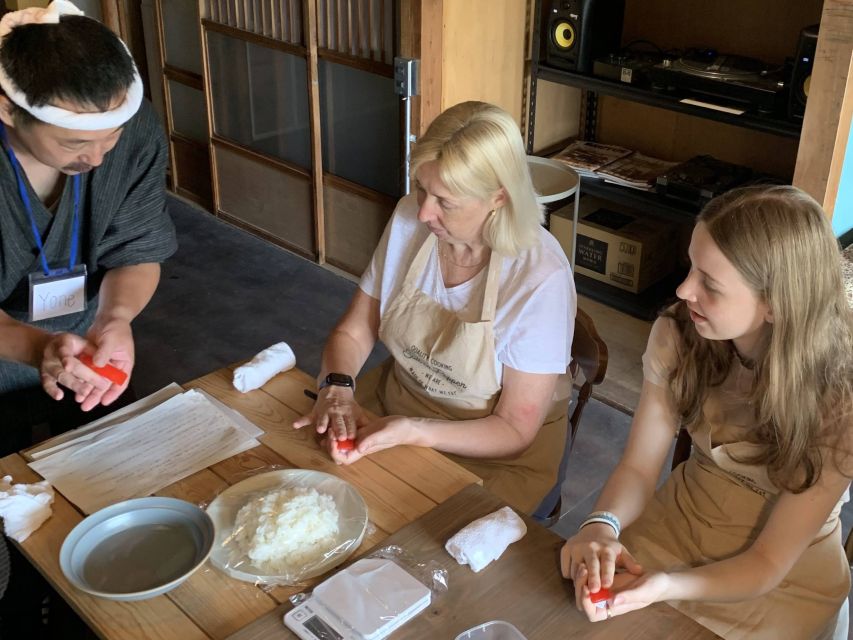
The class begins with practice using a sushi sample toy. That may sound like a small detail, but it gives you a low-pressure way to learn the basic hand movements before handling rice and fish. You can get a feel for shaping without worrying about wasting ingredients or making a lopsided first piece.
From there, the chef demonstrates each step and gives you time to try it yourself. The focus is on making sushi, not just watching a chef work. That makes the class a good fit if you want a practical skill to take home, or if you have always wondered why a neat piece of nigiri takes more care than it appears to.
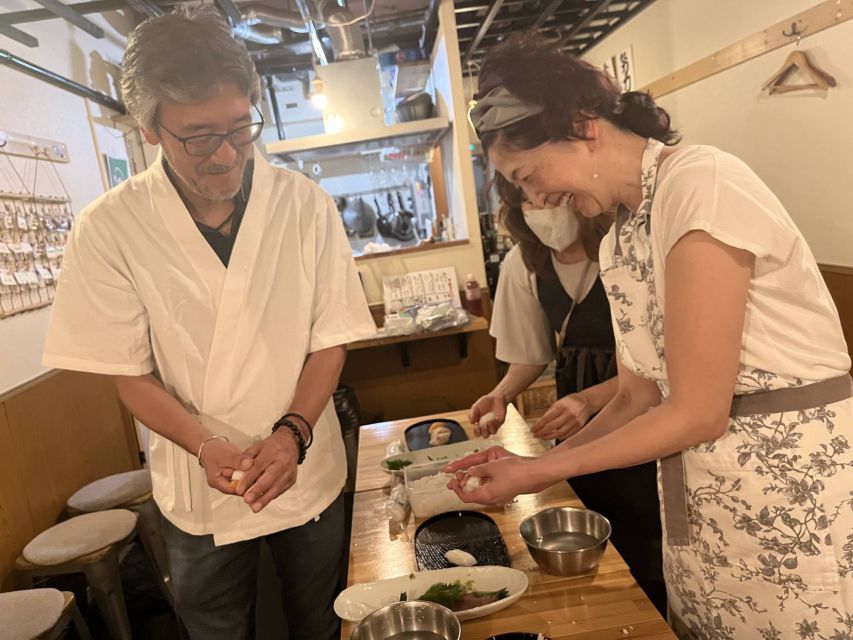
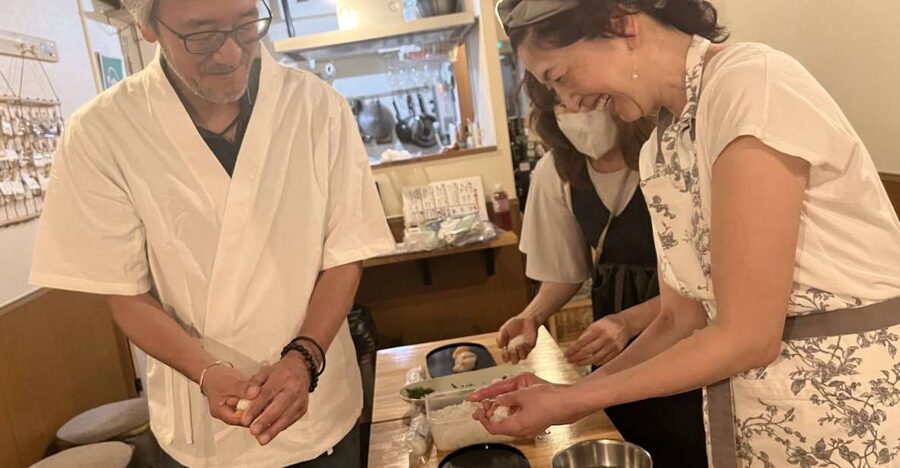
You make nigiri first, then move on to a sushi roll using a special tool. The different methods give the lesson some useful variety: nigiri asks you to shape sushi by hand, while the tool helps with the roll. You are not simply repeating one task for the whole class.
Instruction is intended to work for beginners, including children. The small group size, capped at eight, also gives the chef room to help each person. Names associated with the teaching team include Hide, Yukihide, Yone, Yune, Nami, and Yutaka. You cannot assume which chef will lead your particular session, but the class is conducted in English or Japanese.
More cooking classes in Kyoto:
- Ramen Cooking Class at Ramen Factory in Kyoto
★ 5.0 · 1,937 reviews - Sushi Making in Kyoto! Same-day bookings welcome!
★ 5.0 · 713 reviews - Kyoto: Ramen Cooking Class at a Ramen Factory with Souvenir
★ 4.9 · 532 reviews
Why the fish matters more than a market visit
The fish is bought early each morning at Kyoto Central Wholesale Market, then prepared shortly before your class. That detail adds a useful connection to Kyoto’s food supply without turning the activity into a market excursion. You get to work with ingredients selected for the day, while the chef handles the purchasing and preparation.
Several ingredients and tools make more sense when someone explains them as you use them. One instructor has discussed the fish, the knives and their purposes, as well as how to eat sushi. That sort of context helps you understand more than the mechanics of shaping rice. It can make your next meal at a sushi counter feel less like guesswork.
There is a limit to what the class teaches. One participant would have liked to prepare the rice and cut the fish, rather than beginning with ingredients already prepared. If you want a full lesson in buying, cleaning, and cutting fish, this may not go far enough. The emphasis here is on forming nigiri and rolls, learning sushi technique, and enjoying the result.
Plating lunch, then sitting down to eat
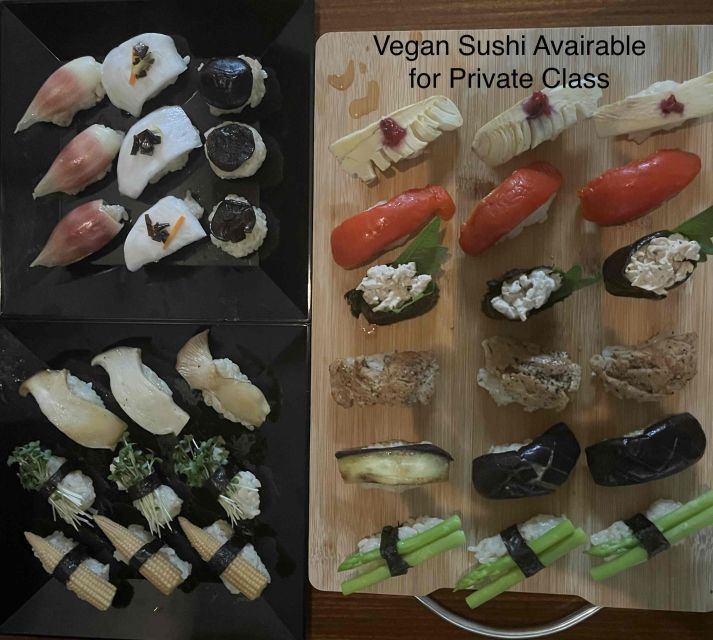
After making nigiri and a roll, you arrange the sushi on a plate and eat what you have prepared. The meal is part of the class, not an extra stop or a separate restaurant booking. Japanese-style dashi soup and tea or water are included, rounding out a simple lunch.
This is where the hands-on approach pays off. The fish and rice stop being abstract ingredients and become something you have shaped and served yourself. You may also leave with a sharper sense of how much technique sits behind a piece of sushi that looks effortless on a restaurant plate.
The food has been a high point for many people who have taken the class, including some who say they are not usually keen on raw fish. Still, the class is marked as unsuitable for people with food allergies. Do not assume a particular allergy can be accommodated. If you have a dietary concern, check directly before booking rather than relying on another person’s arrangements.
A small class, with photos handled for you
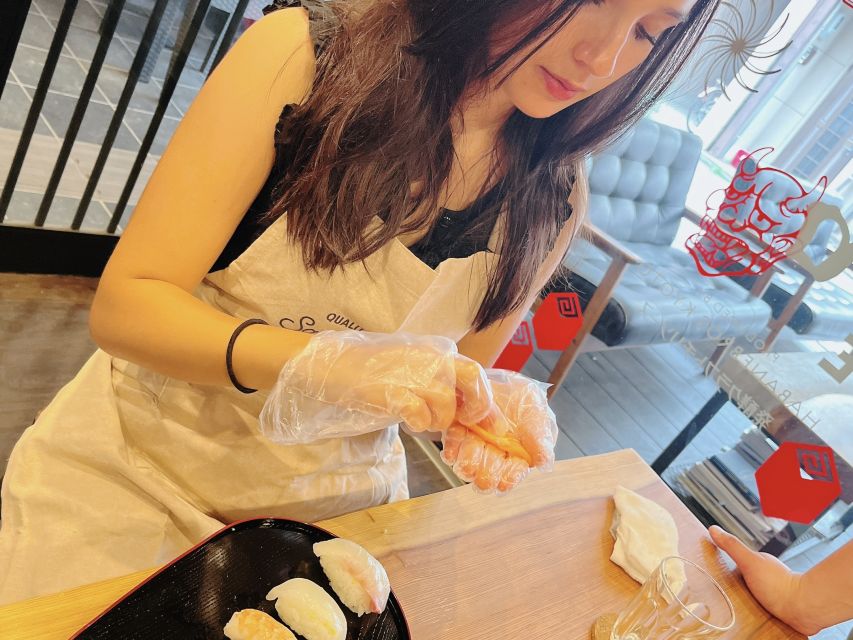
The group limit is eight participants, which suits a lesson where the chef needs to demonstrate and watch you work. It is not a large audience gathered around a cooking show. You should have the chance to follow along and ask questions, although the exact feel of a session will depend on who is in your group.
Photos and videos are taken during class, then shared afterward. This is a thoughtful extra if you would otherwise spend your time trying to photograph each step. You can concentrate on the rice, fish, and instructions, and still keep a record of the activity.
A practical note: strong fragrances are not allowed. That rule makes sense in a food lesson, where a strong scent can interfere with the aromas of the ingredients and the meal. Keep perfume and scented products light on class day.
More food tours in Kyoto:
- Kyoto Night Foodie Tour in Gion (9+ dishes + 6 Sake tastings)
★ 5.0 · 1,762 reviews - Kyoto: Izakaya Bars Guided Walking Tour
★ 4.9 · 815 reviews - Kyoto: Insider Sake Brewery Tour with Sake and Food Pairing
★ 5.0 · 704 reviews - Kyoto: Ramen, Gyoza, and Onigiri Cooking Class
★ 5.0 · 445 reviews
The venue and timing need a little planning
There are two possible venues around Shijo Karasuma. The host chooses between them based on the number of people taking the class, then emails a Google Maps link. At the arranged time, staff meet the group with a welcome board. Read the location message carefully before setting out, rather than assuming the class will be at a particular address.
The duration is given as 90 minutes to three hours, and starting times depend on availability. That is a broad range for an activity, so leave some breathing room in your Kyoto day. Avoid scheduling a tight connection or another timed booking immediately afterward until you know the session length shown for your chosen date.
The area has been described as easy to find and close to Kyoto-Kawaramachi Station, but the class may use either of its two venues. Use the map link for your actual session as your guide. The location arrangement is practical, though it means you should not rely on a saved address from an earlier visit or another booking.
Is $74 a fair price?
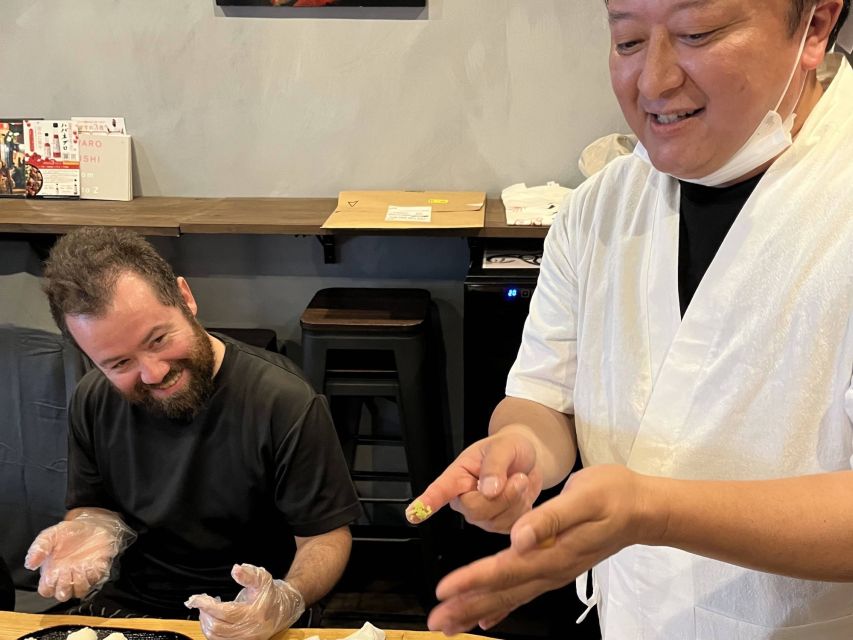
At $74 per person, this is more than a quick demonstration, but the price covers instruction, the sushi you prepare and eat, tea or water, dashi soup, and photo data. You are paying for fresh fish, a small class, and a chef-led activity that turns lunch into a lesson. If you value learning a skill as much as getting a meal, the cost has a solid case.
The small-group cap matters here. A cheaper class with a large audience might leave you watching more than practicing. With no more than eight participants, the format is better suited to individual attempts and questions. The photos and videos also add a keepsake without requiring you to interrupt the lesson to take your own.
Value depends on what you want from the class. If your main goal is a complete sushi apprenticeship, including preparing rice and cutting fish, you may find the scope too focused. If you want to learn the basics of nigiri and rolls, hear about sushi etiquette, and eat a fresh lunch you have made, the price is easier to justify.
Who should book this class?
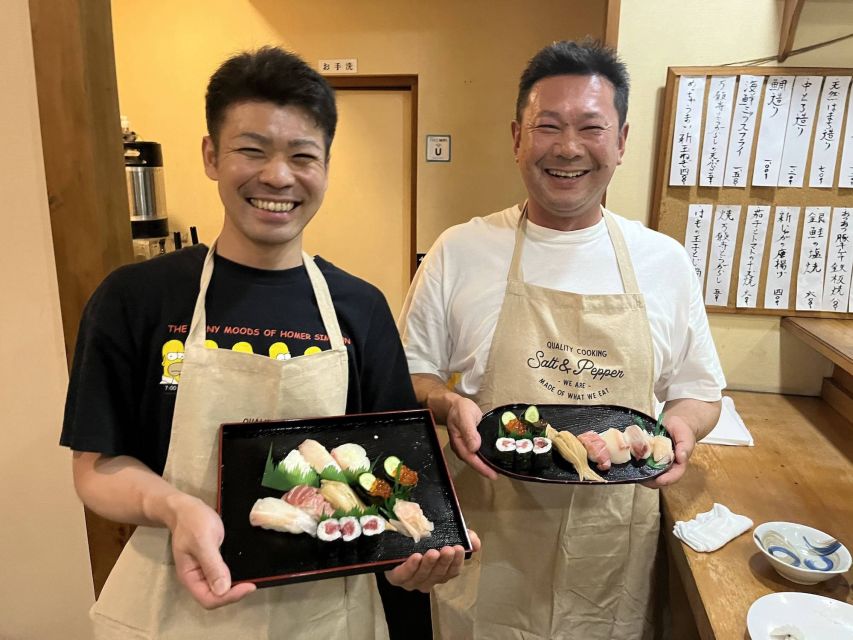
This class makes sense for first-time sushi makers, couples, families with children, and anyone who likes food activities with a clear result at the end. The step-by-step format is meant to be approachable, and children have enjoyed it alongside adults. A family can share the work and then sit down to the meal together.
It also suits curious sushi eaters who want to understand the skill behind the food. You may come away with practical ideas for making sushi at home, plus a better sense of how to handle and eat it. The class is not just about producing something photogenic. The explanations can cover fish, knives, and dining etiquette too.
You may want to choose something else if you have a food allergy, want to visit the wholesale market in person, or expect to prepare every ingredient from scratch. Those are different activities. This class keeps its focus on shaping nigiri, making rolls, and enjoying what you have made.
Should you book it?
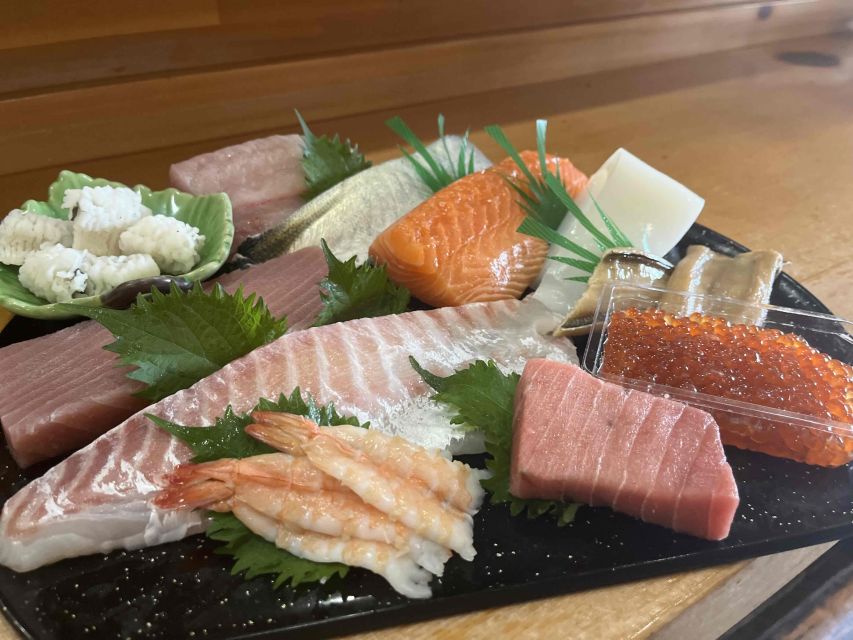
Book if you want a compact, hands-on introduction to sushi with fresh fish, patient instruction, and lunch included. The practice toy, small group, and gradual move from nigiri to rolls make the format welcoming, while the chef’s explanations add useful detail beyond the basic steps.
Think twice if you need firm timing, have a food allergy, or want a lesson in cutting fish and preparing rice. The session length varies, and the host selects the venue based on group size. For most beginners who want to make and eat sushi rather than simply watch someone else do it, this is a worthwhile Kyoto food activity.
FAQ
How long does the sushi-making class last?
The stated duration ranges from 90 minutes to three hours. Starting times and session details depend on availability, so check the options for your date.
Where does the class meet?
There are two venues around Shijo Karasuma. The host chooses the venue based on the number of participants and emails a Google Maps link. Staff meet you there with a welcome board.
What will I make?
You practice with a sushi sample toy, then make nigiri and a sushi roll using a special tool. At the end, you arrange your sushi on a plate and eat it.
Is the fish fresh?
The chef buys fish early each morning at Kyoto Central Wholesale Market and prepares it shortly before class. The class does not include a visit to the market.
What food and drinks are included?
You eat the sushi you make, with Japanese-style dashi soup and tea or water.
Is the class suitable for children or beginners?
The step-by-step lesson is designed to be accessible to beginners, and children can take part. The group limit is eight participants.
Can people with food allergies attend?
The activity is listed as unsuitable for people with food allergies. Check with the provider about your specific needs before booking, and do not assume an accommodation is available.
Newly added in Kyoto
- Uji: Private immersion into Kyoto’s tea and reglious culture★ 5.0 · 17 reviews
- Whisk Your Own Matcha: A Zen Matcha Experience at Temple★ 3.6 · 7 reviews
- Kyoto tea town for matcha lovers★ 5.0 · 16 reviews
- Treasures of Kyoto: Gion & historical Walking Tour★ 5.0 · 6 reviews
- Kyoto Matcha Green Tea Tour★ 4.5 · 23 reviews
- Uji and Wazuka Matcha Farm Half Day Private Guided Tour★ 5.0 · 21 reviews
- Uji Tea Ceremony and UNESCO Heritage Walking Tour★ 5.0 · 20 reviews
- Utilising upcycled Matcha! Creating matcha incense (Uji, Kyoto)★ 5.0 · 6 reviews
Kyoto Cooking Classes, compared.
Ramen Cooking Class at Ramen Factory in Kyoto
Read our review →
Sushi Making in Kyoto! Same-day bookings welcome!
Read our review →
Ramen Cooking Class at a Ramen Factory with Souvenir
Read our review →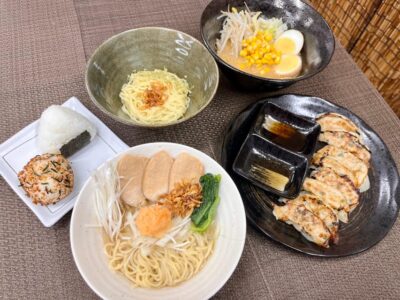
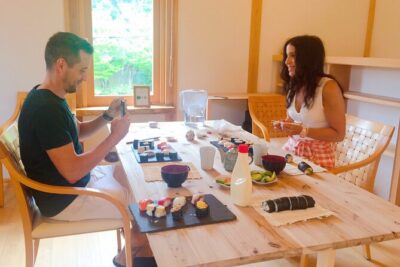
The Original Small-Group Sushi Making Class in Kyoto
Read our review →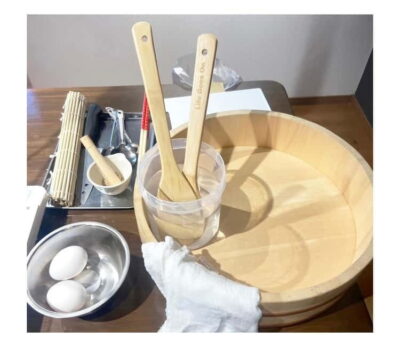
Japanese Washoku Bento Small Group Cooking Class
Read our review →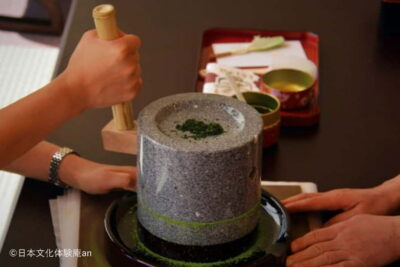
Japanese Traditional Sweets Making and Tea Ceremony
Read our review →
Kyoto Ramen and Gyoza Cooking Class with Professional Chefs
Read our review →Browse the lists this tour appears in