
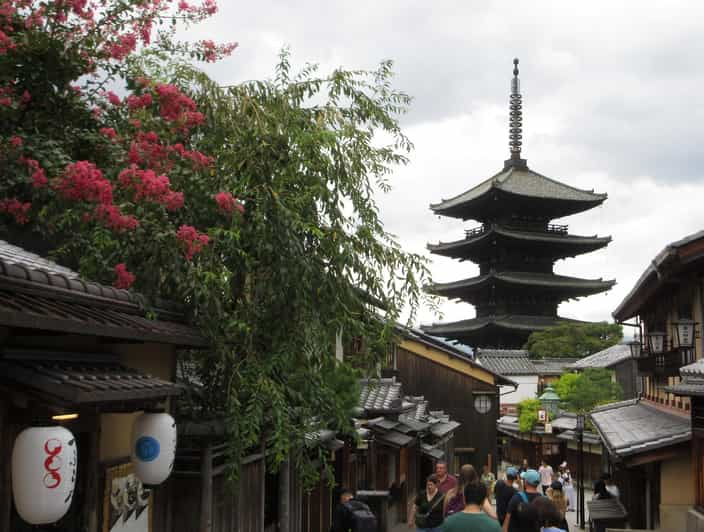
Reviewed · KIYOMIZU-DERA TOURS
KYOTO: Tempio Kiyomizu Pagode Gion “Geisya” (Guida Italiana)
Kyoto’s old pilgrimage lanes are more than a pretty route to a temple. On this five-hour walk, you go from Kyoto Station to Kiyomizu-dera, then follow historic streets toward Gion, with an Italian-speaking Kyoto guide to explain the religious and cultural details you might otherwise pass by.
I like two things in particular: Omae’s attentive, lively Italian explanations, which past participants praise, and the fact that transport and scheduled monument entry fees are included in the $117 price. That makes the cost easier to judge and the day simpler to plan.
The main consideration is the pace and length: five hours includes a bus ride, temple visit, and several walking sections, so it is a substantial half-day on foot. Gion is part of the route, but a geisha encounter is not promised.
- Kiyomizu-dera gets a full guided hour, giving you time to see the temple and ask questions rather than only pass through.
- Sannenzaka and Ninenzaka are part of the experience, with old pilgrimage-route streets lined with shops, sweets and cafés.
- Omae guides in Italian, with an emphasis on historical, cultural and religious context.
- Transport and scheduled entry fees are included, reducing the need to arrange separate tickets and local transit.
- The route ends in Pontocho, after a guided look around Gion and a pass by Minami-za.
- Times and route details may be adjusted on request, as far as possible.
From Kyoto Station to Kiyomizu-dera
The meeting point is outside the central north entrance of Kyoto Station, at the open space between four escalators in front of the taxi terminal. The Kyoto Tower should be visible ahead and to your upper left when you face out from the station. That landmark is a useful check, since the station is large and the meeting point is not at the bus terminal.
You should receive a message by the day before with confirmation and further meeting details. I’d still allow a little extra time to find the north entrance and get oriented, especially if you have just arrived in Kyoto. The tour starts with a roughly 15-minute bus ride, and the transport cost is included.
That short ride matters. It gets you from the station area to the temple district without asking you to plan a separate connection, and it saves some energy for the walking ahead. The tour is described as wheelchair accessible, though the route does involve walking; if you have specific mobility needs, contact the provider in advance to confirm how the route can be adapted.
Kiyomizu-dera: a temple visit with context
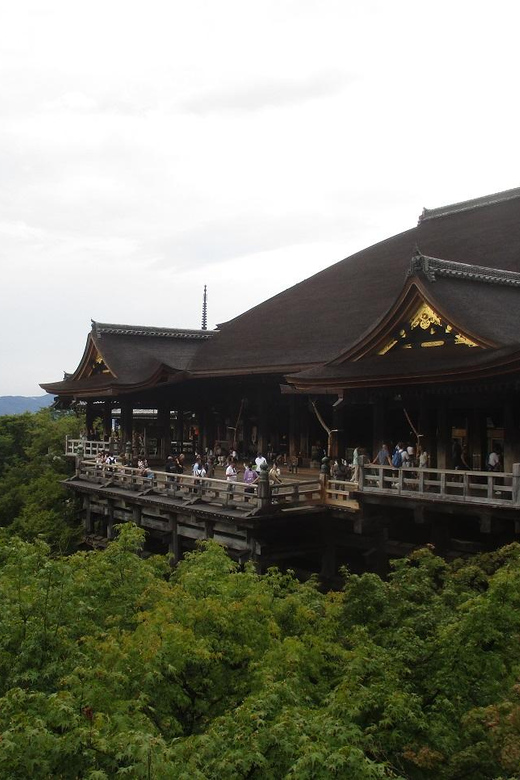
Kiyomizu-dera is the day’s main stop, with about an hour set aside for a guided visit. It is a Buddhist temple, and the surrounding area reflects centuries of development, from pilgrimage routes that took shape from the eighth century onward to the busy visitor streets of today.
That historical span is part of what makes a guide valuable here. A temple can be visually impressive, but without context it is easy to miss why the site matters, how religious practice shaped the area, and what details deserve your attention. Omae’s role is to connect those pieces in Italian and answer questions as you go.
The hour gives the visit some breathing room, although it is not an open-ended stay. If you like to linger over every view or explore independently, you may wish for more time. On the other hand, a guided hour is a sensible way to get your bearings and understand the place before continuing through the lanes below.
More Kiyomizu-dera tours in Kyoto:
- Kyoto: Tea Ceremony in a Traditional Tea House in Kiyomizu
★ 4.9 · 3,519 reviews - Kyoto: Nijo Castle, Kiyomizu & Fushimi Inari Guided Tour
★ 4.7 · 700 reviews - Kyoto: Nijo, Kinkaku-ji, Arashiyama, Kiyomizu & Fushimi Inari
★ 5.0 · 699 reviews
Sannenzaka and Ninenzaka: the route is part of the reward
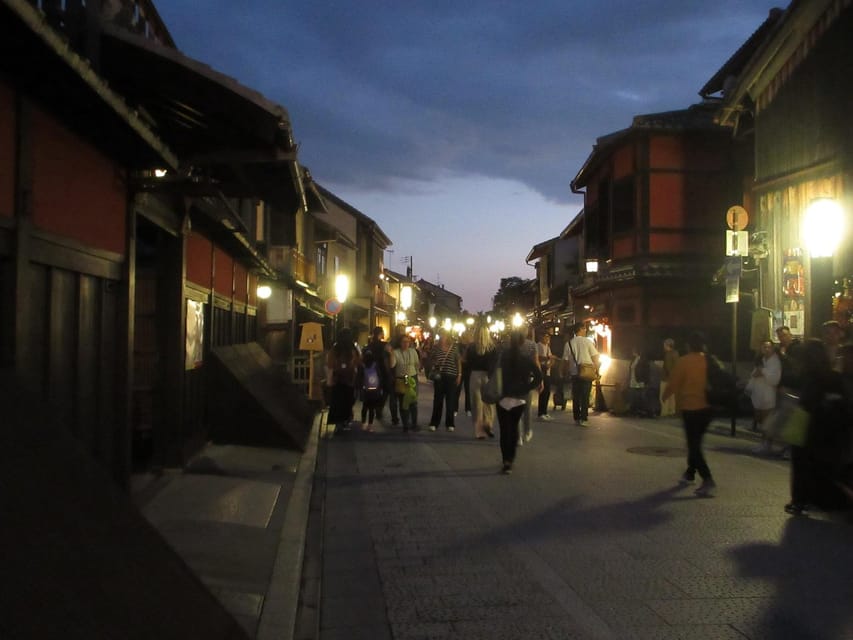
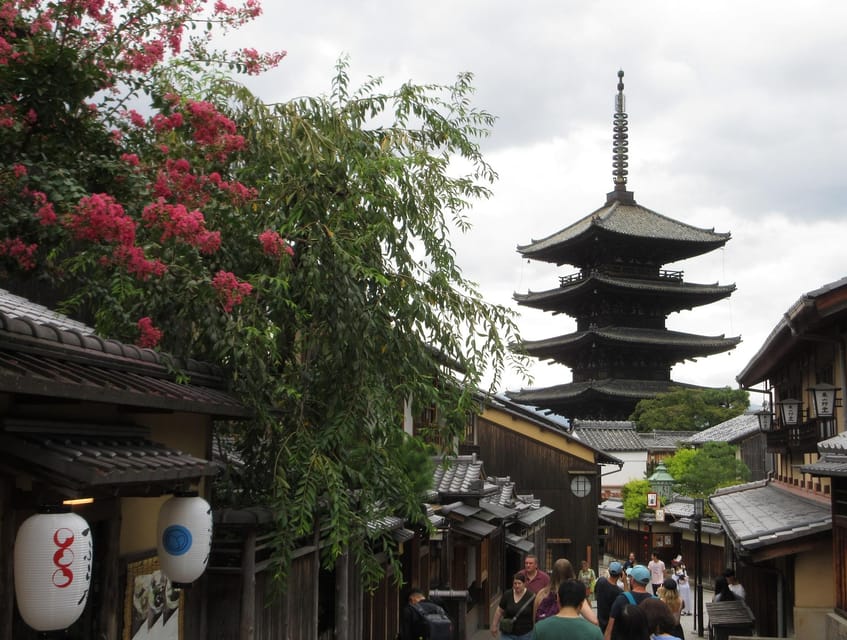
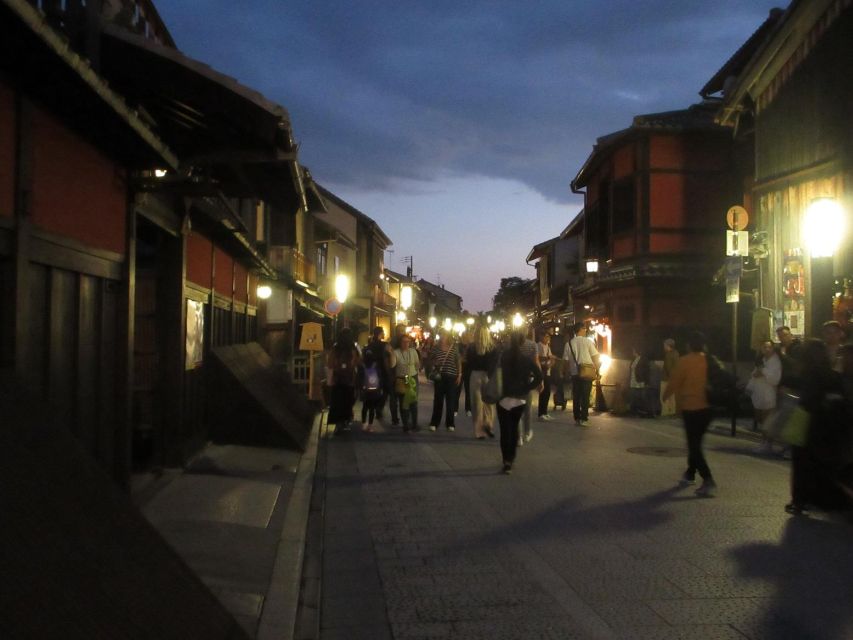
After the temple, the tour continues on foot through Sannenzaka and Ninenzaka. These streets are described as old pilgrimage routes, now lined with souvenir shops, sweet shops, cafés and other stops aimed at visitors from Japan and abroad. The mix is part of the experience: you see how a historic approach to a religious site has also become a lively commercial district.
The walking sections between stops are short on the schedule, but the total route adds up. You move from the temple into the lanes, pause to take in the surroundings, and continue toward Gion. Shops and cafés can make the streets tempting places to stop, but this is a guided walk rather than a long shopping break. If you have a particular shop in mind, ask the guide whether there is time to pause.
I like that this portion links the landmark to its setting. Instead of treating Kiyomizu-dera as an isolated attraction, you follow the streets that developed around the pilgrimage experience. That gives the visit a more grounded feel, even with the modern souvenir trade in view.
There is a trade-off. Shop-lined streets are designed for visitors, so this is not the quietest or least commercial part of Kyoto. If your priority is empty lanes and extended time for browsing, you may find the guided pace a little brisk. If you want a compact introduction to the area with historical interpretation, it is a practical way to cover a lot without planning each turn yourself.
Gion: a guided look, not a geisha guarantee
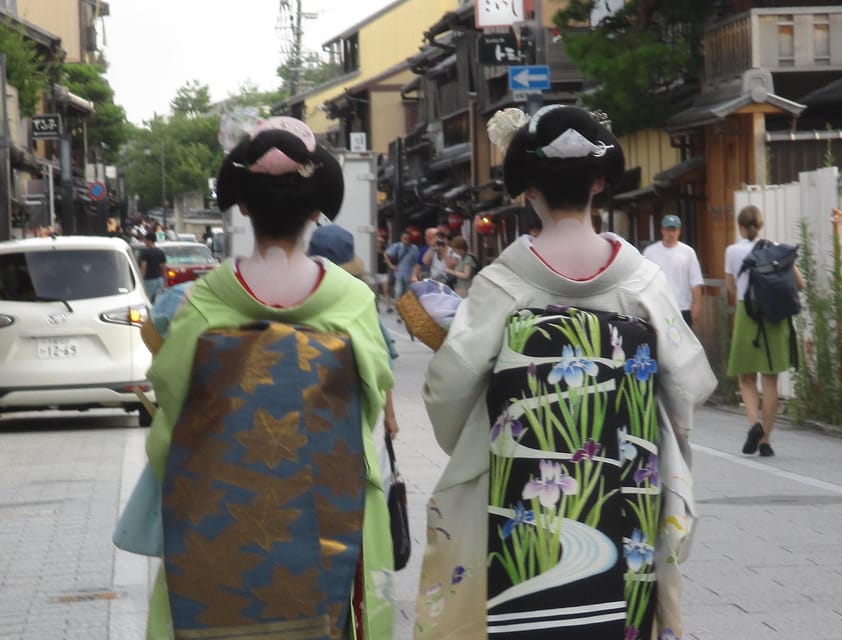
The route continues on foot to Gion for about 30 minutes of sightseeing and guided explanation. Gion is one of Kyoto’s best-known districts, and the guide can help you understand the cultural details of the area rather than simply treating it as a backdrop for photographs.
The tour name references geisha, but the experience described here is a walk through Gion, not a performance or a guaranteed sighting. Keep your expectations grounded: you are booking a guided neighbourhood visit, with a chance to ask questions about local culture. That distinction matters if a geisha encounter is the main reason you are considering the tour.
Omae’s Italian explanations are the feature past participants praise most clearly. They describe him as friendly, prepared, attentive to detail and willing to answer questions. Those qualities are useful in a district where context can be hard to pick up from signs or a quick look around. A guide who can explain things in your language helps turn a short visit into a more meaningful one.
Minami-za and the finish in Pontocho
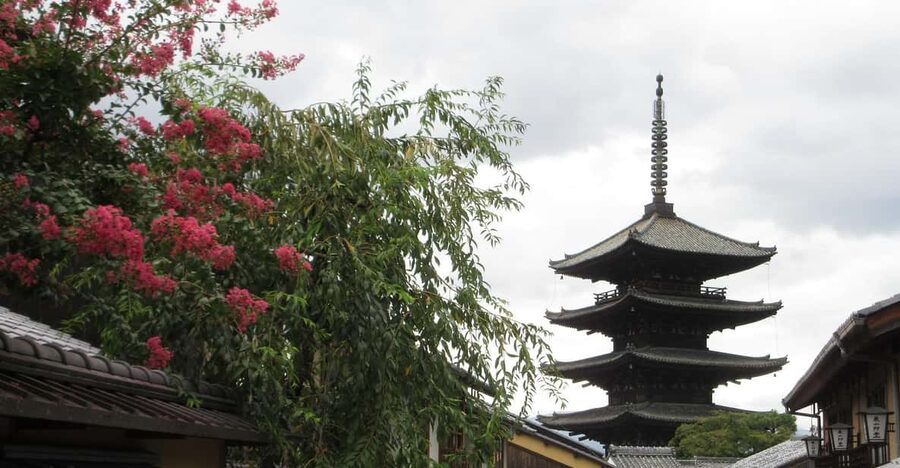
After Gion, the tour passes by Kyōto Minami-za, then continues on foot to Pontocho, where it ends. Minami-za is a brief pass-by rather than a scheduled visit, so treat it as a point along the route, not a separate attraction with time set aside to go inside.
Pontocho is the endpoint, which is useful for planning the rest of your day. You can continue exploring nearby on your own or make plans for a meal, but those activities are not part of the guided five hours. The tour does not include a return to Kyoto Station, so consider where you want to go afterward when you decide whether this route fits your day.
The finish also gives the tour a clear shape: temple, historic shopping lanes, Gion, then Pontocho. You get an introduction to several well-known parts of eastern and central Kyoto without needing to connect them all yourself.
More Gion tours in Kyoto:
- Kyoto Geisha Walking Tour: Gion District & Hidden Gems
★ 4.7 · 3,273 reviews - Kyoto: Gion Magical Night Walking Tour with Geisha Trivia
★ 4.9 · 2,393 reviews - Kyoto: Gion Geisha District Walking Tour – Stories of Geisha
★ 4.7 · 2,187 reviews - Best of Kyoto: Gion, Geisha, Pagodas & Cobblestones
★ 4.9 · 2,058 reviews
What the $117 price covers
At $117 per person, this is not a bare-bones walk. The price includes transport and entry fees for the monuments scheduled during the route, along with a speaking guide in Italian. That bundling makes the cost easier to compare with an independent visit, where you would need to arrange transport, pay applicable admission, and build your own background knowledge.
The value depends on what you want from the day. If you are comfortable navigating Kyoto alone and prefer to move at your own pace, you might spend less by visiting the sites independently. But you would be giving up the Italian-language explanations and the convenience of having the route and transport organized.
For a visitor who wants to understand what they are seeing, the guide is the central part of the value. The strongest praise for Omae focuses on his clear Italian, careful explanations, friendly manner and readiness to answer questions. Those are not minor extras on a tour built around cultural and religious context; they are what make the walk more than a sequence of stops.
The tour is offered as a group or individual experience, but the available details do not specify a fixed group size. If the size of the group is important to you, ask the provider before booking. It also offers flexible itinerary and timing requests where possible, which can help if you have a particular need, though changes are not guaranteed.
Who will get the most from this walk
I’d choose this tour if you speak Italian and want a clear introduction to Kiyomizu-dera, its surrounding pilgrimage lanes and Gion in one half-day. It is especially useful if you like asking questions and want an explanation of the area’s religious and cultural details, rather than a quick photo stop at each landmark.
It also suits visitors who want transport and scheduled entry fees handled together. Starting at Kyoto Station gives you a straightforward meeting point, and ending in Pontocho leaves you positioned to continue your day in the city.
Think twice if you want a slow, unstructured day, extensive time for shopping, or a promised geisha encounter. The route covers several places in five hours, and the core experience is walking with a guide. If you have mobility needs, note that the tour is described as wheelchair accessible, but check with the provider about the walking route and any adjustments you may require.
Should you book it?
Book this tour if Italian-language guidance will help you connect the temple, old lanes and Gion to Kyoto’s history and religious life. The combination of Omae’s praised explanations, included transport and entry fees, and a route that ends in Pontocho makes it a strong half-day introduction.
Skip it if you would rather set your own pace or are booking specifically for a geisha sighting. For everyone else, it offers a focused way to see several signature parts of Kyoto with a guide who can make the details easier to understand.
FAQ
Is the tour conducted in Italian?
Yes. The live guide speaks Italian, and the tour is accompanied by an Italian-speaking guide.
How long does the tour last?
The tour lasts five hours. Starting times vary, so check availability when choosing a date.
What is included in the $117 price?
Transport and entry fees for the monuments scheduled during the route are included, along with the Italian-speaking guide.
Where is the meeting point at Kyoto Station?
Meet outside the central north entrance, in the open space between the four escalators in front of the taxi terminal. Kyoto Tower should be visible ahead and to your upper left.
Does the tour include a geisha encounter?
No specific encounter is promised. The route includes a guided visit to Gion, but the tour description does not guarantee seeing a geisha.
Can I cancel or pay later?
You can cancel up to 24 hours in advance for a full refund. A reserve-now, pay-later option is also available.
Newly added in Kyoto
- Uji: Private immersion into Kyoto’s tea and reglious culture★ 5.0 · 17 reviews
- Whisk Your Own Matcha: A Zen Matcha Experience at Temple★ 3.6 · 7 reviews
- Kyoto tea town for matcha lovers★ 5.0 · 16 reviews
- Treasures of Kyoto: Gion & historical Walking Tour★ 5.0 · 6 reviews
- Kyoto Matcha Green Tea Tour★ 4.5 · 23 reviews
- Uji and Wazuka Matcha Farm Half Day Private Guided Tour★ 5.0 · 21 reviews
- Uji Tea Ceremony and UNESCO Heritage Walking Tour★ 5.0 · 20 reviews
- Utilising upcycled Matcha! Creating matcha incense (Uji, Kyoto)★ 5.0 · 6 reviews
Kiyomizu-dera Tours, compared.

Tea Ceremony in a Traditional Tea House in Kiyomizu
Read our review →
Nijo Castle, Kiyomizu & Fushimi Inari Guided Tour
Read our review →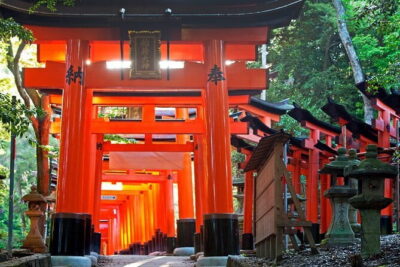
Nijo, Kinkaku-ji, Arashiyama, Kiyomizu & Fushimi Inari
Read our review →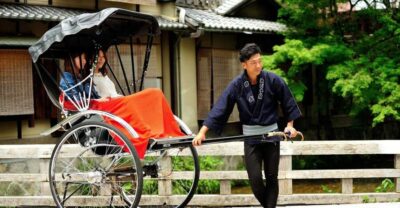
Private Rickshaw Tour of Gion and Higashiyama Area
Read our review →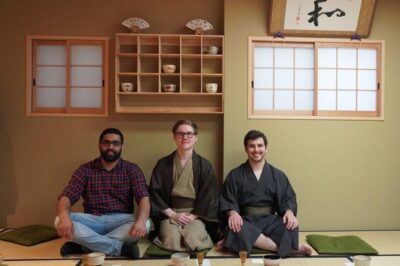
Kyoto Tea Ceremony & Kiyomizu-dera Temple Walking Tour
Read our review →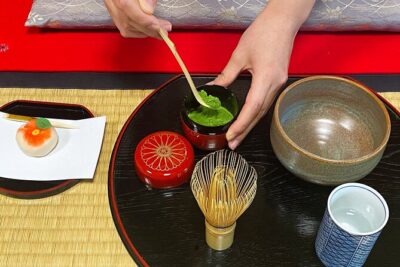
Kyoto Kiyomizu Tea Ceremony with Scenic Garden Views
Read our review →
Kimono/Yukata Rental 5 Minute from Kiyomizu-dera
Read our review →
Kyoto Gion Kiyomizudera Kimono Yukata Hairstyle | Photoshoot
Read our review →Browse the lists this tour appears in