
Reviewed · FUSHIMI INARI TOURS
Private eBike Tour Exploring Fushimi with Torii Red Gate Ride
At Fushimi Inari, the red torii gates turn a shrine visit into a walk through a vivid corridor of repeated color and light. This private, roughly three-and-a-half-hour e-bike ride pairs that famous sight with Sanjusangendo’s long hall of a thousand Buddha statues, then returns to Kyoto Station along the Kamo River.
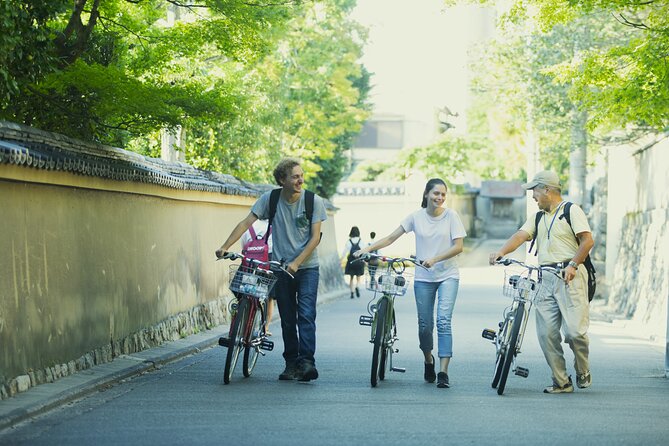
I like two things in particular: you reach both sacred sites by bicycle, using Kyoto’s side streets rather than spending the whole outing in transit, and you have time to walk around each one instead of viewing them from a saddle. The private format also lets your guide tailor the pace to your group, with guides such as Kaz, Yuichi, Tibor, and JJ among those who have led tours.
The main consideration is that the price is $111.05 per person, and the tour requires at least two people. You also need to be comfortable cycling on public roads. This is a relaxed sightseeing ride, not a full-day shrine expedition or a substitute for climbing all the way up Mount Inari.
- Sanjusangendo gets a full hour: The guide accompanies you through the temple, where the long interior hall and rows of Buddha figures are the main event.
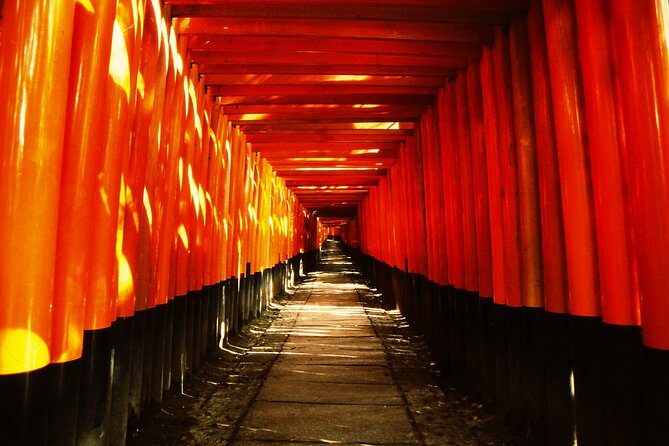
- Fushimi Inari includes time on foot: You’ll walk through the famous red gates with your guide, rather than simply cycling past the shrine.
- The route links smaller sights: A brief stop at the former Nintendo offices and a photo break at Tofukuji add variety between the major temples.
- The Kamo River is part of the return: The riverside ride offers a quieter finish and a chance to spot wildlife along the embankment.
- It’s a small private outing: A guide accepts two to six people; groups of seven to 12 can be arranged with an additional guide at no extra fee.
A Kyoto ride that connects two major sights
Kyoto is known for its temples and shrines, but getting between them can take time. This tour makes the journey part of the day. You ride through quieter streets and alleys, stop at a few landmarks, and arrive at Fushimi Inari with time to explore on foot. The bicycle gives the outing a more local rhythm than a direct car transfer, while the guide helps make sense of places you might otherwise visit without much context.
The tour starts and ends at the Kyoto Cycling Tour Project’s Kyoto Station Cycle Terminal, at 552-13 Higashiaburanokōjichō in Shimogyo Ward. The total duration is about three hours and 30 minutes, including the time spent cycling between stops. That makes it a useful half-day plan, especially if you want to visit two well-known religious sites without giving up your whole day.
The tour is private, so only your group participates. That matters for the pace: you can ask questions as you go, and the guide can adjust the ride to the needs of your group. The available group size is two to six people per guide. Larger groups of seven to 12 can be accommodated with a second guide at no extra fee.
Passing Kyoto’s old Nintendo offices
The first listed stop is the former offices of Nintendo, one of Kyoto’s best-known companies. You cycle past the building and pause briefly for a look. It’s a small stop, not a museum visit, but it adds a modern note to a route otherwise focused on temples and shrines.
You’ll spend about 10 minutes here, with no admission charge. Keep your expectations in proportion: this is a chance to see the former offices from the outside, not an in-depth account of the company. Still, I like this kind of short pause. It gives you a glimpse of Kyoto beyond its religious landmarks and breaks up the ride before the longer temple visit.
More Fushimi Inari tours in Kyoto:
- Kyoto: Fushimi Inari, Kinkakuji, Bamboo Grove 1 Day Bus Tour
★ 4.8 · 4,316 reviews - Fushimi Inari Hidden Hiking Tour (Private Option Available)
★ 5.0 · 1,750 reviews - Kyoto/Osaka: Nara, Fushimi Inari Taisha, Arashiyama Bus Tour
★ 4.7 · 1,275 reviews
Sanjusangendo’s long hall and thousand statues
Sanjusangendo is the first major stop, with about an hour set aside for the temple. Your guide accompanies you inside and explains its history and significance. The building is known for its long corridor-like hall and a striking display of a thousand Buddha statues. Even if you have seen many temples, the scale and repetition here make this visit distinct.
An hour gives you more than a quick walk through. You can take in the hall, look closely at the figures, and pause to absorb the atmosphere. One tour account described being able to sit and relax at a temple, but the precise arrangement can vary. The reliable point is that this stop is longer than the later photo break at Tofukuji, and the guide stays with you inside.
The temple visit is also a good reason to choose a guided outing. Religious sites can be beautiful but difficult to read at first glance. Explanations from an English-speaking guide help you understand why the space matters, rather than leaving you to simply move through it and take pictures.
A brief pause at Tofukuji
Tofukuji is a quiet, imposing Zen temple, with about 15 minutes for photographs. It is a short stop, so treat it as a quick look rather than a full temple visit. You won’t have the same time to explore here as at Sanjusangendo or Fushimi Inari.
That brief pause can still be worthwhile. The route includes different kinds of religious sites, and Tofukuji adds another architectural and visual change before the tour reaches its best-known shrine. If you’re hoping to spend a long time at every temple, this schedule may feel brisk. If you want a sampler with two longer visits, the balance makes more sense.
Walking beneath the gates at Fushimi Inari
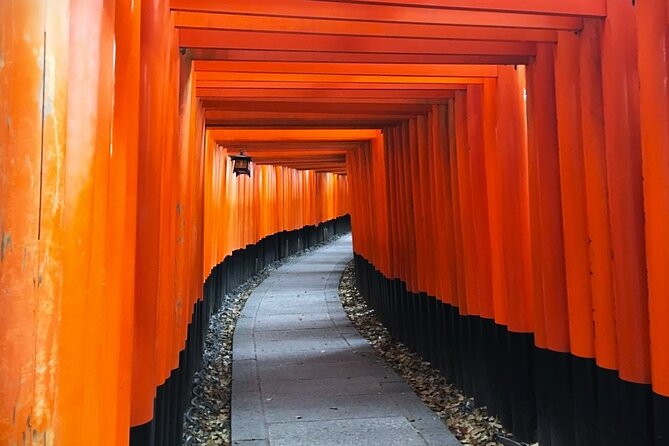
Fushimi Inari-taisha is the centerpiece for many people booking this ride. The tour allows about an hour at the shrine, where your guide takes you along the paths through the famous red torii gates and explains the site. The gates form a striking passage through the grounds, and walking beneath them lets you experience the shrine in a way a roadside photo cannot.
Be clear about what an hour means. It is enough for a guided visit and a walk among the gates, but the tour does not promise a full hike up the mountain. If reaching the highest point is your goal, you’ll need to plan additional time outside this outing. The schedule is designed to combine the shrine with other Kyoto stops, not to make Fushimi Inari the only focus.
After the shrine, you can wander among the surrounding shops and stalls and try local specialties. Snacks are not included in the tour price, so bring money if you want to buy food. The food stop is an opportunity, not a built-in tasting session, and how much time you spend browsing depends on the pace of the visit.
More bike tours in Kyoto:
- Bike Tour Exploring North Kyoto plus Lunch
★ 5.0 · 1,087 reviews - Arashiyama Bamboo Forest & Hidden Gems Bike Tour (Early Bird)
★ 5.0 · 613 reviews - 5 Top Highlights of Kyoto Full Day Bike Tour (E-bike option)
★ 5.0 · 511 reviews - E-Bike Tours of the highlights of Kyoto!!!
★ 5.0 · 291 reviews
The Kamo River ride back to Kyoto Station

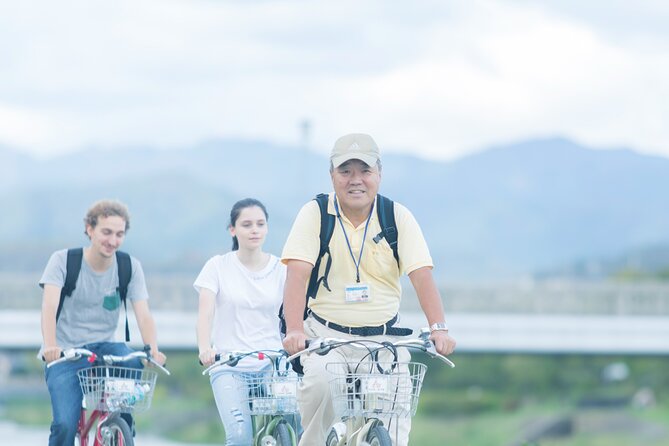
After the shrine, you get back on the bicycles and follow the peaceful embankment beside the Kamo River toward the starting point. The river section offers a calmer finish after the temple grounds and shrine paths. Wildlife is noted along the embankment, though what you spot will depend on the day.
This return is more than a practical way back to the station. It gives the ride a change of pace and scenery, and helps the tour feel like a route through Kyoto rather than a series of disconnected stops. You finish where you began, which makes it easier to continue your day from Kyoto Station.
What the private format and guides add
The guide is an important part of this outing. The tour includes a licensed or certified English-speaking guide, and the guide accompanies you inside Sanjusangendo and around Fushimi Inari. That means you get explanations at the sites, not just directions between them.
Guides named in accounts of this tour include Kaz, Yuichi, Tibor, and JJ, also referred to as Y Yagyu. They have been praised for bringing humor and local history into the ride, taking photos, and being patient with children’s questions. One guide also went well beyond the planned tour to help a participant through a medical issue. That is an unusually generous example, not something you should count on as part of the service, but it does speak to the personal side of a private guided outing.
You cannot assume a particular guide will be available on your date. What you can expect from the tour description is an English-speaking guide who leads the route and explains the main sites. If having a specific guide matters to you, ask when arranging your booking rather than treating a name from a past outing as a promise.
Price, pace, and practical fit
At $111.05 per person, this is not the cheapest way to travel between Kyoto sights. You are paying for a private guided ride, bicycle use, a helmet, rain poncho, original cycling map, accident insurance, and the guide’s time at two major religious sites. For a group that values explanation and a ready-made route, the price can represent good value. If you mainly need transport, or prefer to explore alone, it is harder to justify.
The tour accepts a minimum of two people per guide, so solo participants cannot book on their own. Two to six people can ride with one guide. Groups of seven to 12 can arrange an extra guide at no added charge. It is a good fit for couples, families with older children, or small groups who want to share the cost while keeping the tour private.
Children must be at least 10 years old, at least 145 centimeters tall, and able to ride a bicycle safely on the road without assistance. This is an important limit: the route involves cycling on Kyoto streets, so the tour is not suitable for young children or anyone who cannot manage a bicycle independently. Most travelers can participate, but safe road riding is essential.
The tour operates in rain, and a rain poncho is included. Dress for the weather and consider whether you are comfortable riding in wet conditions. The tour also includes a helmet and accident insurance. Confirmation is subject to availability, with confirmation stated to arrive within 48 hours of booking.
There is a conflict in the cancellation details provided: one part says you can request a refund by notifying the operator at least three days before the tour, by 18:00 Japan time, while another says the experience is non-refundable. Confirm the applicable terms before paying, rather than assuming a cancellation will be refunded.
Who should choose this ride
I’d consider this tour if you want to see Fushimi Inari and Sanjusangendo in one outing, value a guide’s explanations, and enjoy cycling as much as the destinations. It is particularly useful if Kyoto is new to you and you want an organized introduction to its streets, religious sites, and riverside scenery.
It may be less suitable if you want a long, unhurried climb through the full Fushimi Inari trail, plan to spend hours at every temple, or are uneasy cycling on roads. The itinerary covers several places in three and a half hours, so the stops have different lengths. Sanjusangendo and Fushimi Inari receive the most time; Tofukuji and the Nintendo offices are brief pauses.
Should you book it?
Book this ride if a small private group, an English-speaking guide, and two substantial temple and shrine visits are worth the price to you. The combination of Sanjusangendo’s thousand Buddha statues, a walk beneath Fushimi Inari’s red gates, and a Kamo River return gives the tour more substance than a simple bike loop.
Skip it if you want to explore Fushimi Inari at length or would rather set your own pace without cycling. Before booking, check the cancellation terms directly and make sure everyone in your party meets the age, height, and road-riding requirements.
FAQ
How long does the tour take?
It lasts about three hours and 30 minutes. That duration includes cycling between the stops.
Where does the tour start and end?
It starts and ends at the Kyoto Cycling Tour Project’s Kyoto Station Cycle Terminal, at 552-13 Higashiaburanokōjichō in Shimogyo Ward, Kyoto.
How many people can join a tour?
A guide can take two to six people. Groups of seven to 12 can arrange an additional guide at no extra fee. One-person bookings are not accepted.
Is the tour private?
Yes. Only your group participates.
What is included in the price?
The tour includes bicycle use, a helmet, a rain poncho, an original cycling map, accident insurance, and a licensed or certified English-speaking guide.
Are snacks included?
No. Snacks are not included, though you can browse the shops and stalls around Fushimi Inari.
Can children join?
Children must be at least 10 years old, at least 145 centimeters tall, and able to ride a bicycle safely on the road without assistance.
Does the tour run in rain?
Yes. The tour operates in rain, and a rain poncho is provided for use.
What is the cancellation policy?
The supplied details conflict. One says to request a refund at least three days before the tour by 18:00 Japan time; another says the experience is non-refundable and cannot be changed. Confirm the exact terms before booking.
Newly added in Kyoto
- Uji: Private immersion into Kyoto’s tea and reglious culture★ 5.0 · 17 reviews
- Whisk Your Own Matcha: A Zen Matcha Experience at Temple★ 3.6 · 7 reviews
- Kyoto tea town for matcha lovers★ 5.0 · 16 reviews
- Treasures of Kyoto: Gion & historical Walking Tour★ 5.0 · 6 reviews
- Uji and Wazuka Matcha Farm Half Day Private Guided Tour★ 5.0 · 21 reviews
- Kyoto Matcha Green Tea Tour★ 4.5 · 23 reviews
- Uji Tea Ceremony and UNESCO Heritage Walking Tour★ 5.0 · 20 reviews
- Utilising upcycled Matcha! Creating matcha incense (Uji, Kyoto)★ 5.0 · 6 reviews
Fushimi Inari Tours, compared.
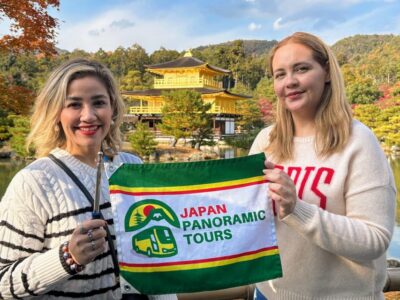
Fushimi Inari, Kinkakuji, Bamboo Grove 1 Day Bus Tour
Read our review →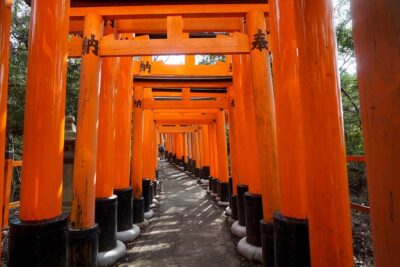
Fushimi Inari Hidden Hiking Tour (Private Option Available)
Read our review →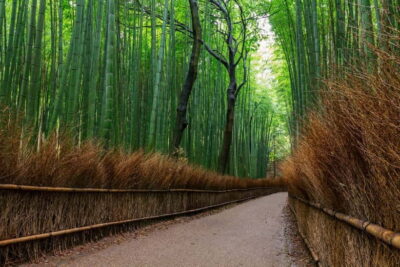
Nara, Fushimi Inari Taisha, Arashiyama Bus Tour
Read our review →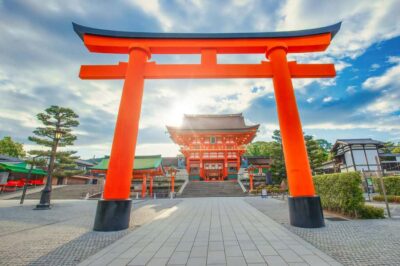
Arashiyama, Nara & Fushimi Inari Shrine w/Lunch
Read our review →
Nijo Castle, Kiyomizu & Fushimi Inari Guided Tour
Read our review →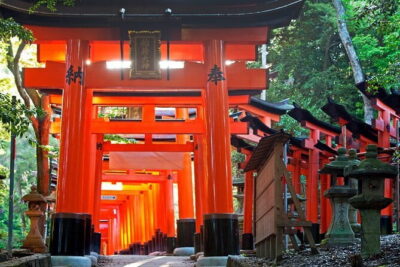
Nijo, Kinkaku-ji, Arashiyama, Kiyomizu & Fushimi Inari
Read our review →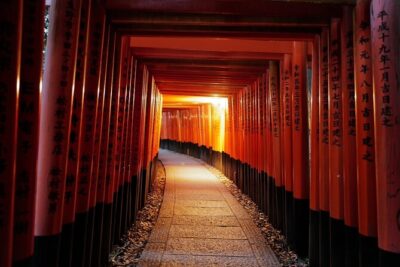
Browse the lists this tour appears in