Reviewed · KYOTO TOURS
Private Kyoto Tour: Explore the Most Iconic Sights
Kyoto’s big four sights are spread across the city, and this private tour tries to connect them in one long day: the gold-covered pavilion at Kinkaku-ji, hillside Kiyomizu-dera, the torii gates of Fushimi Inari, and Arashiyama’s bamboo paths. You get a guide for your own group and a chance to shape the route, rather than follow a fixed bus schedule.
I like two things about this setup: you can ask for changes based on your interests, and transport can be arranged with taxis or public transit instead of charging you a fixed car fee. A guide called Riku earned especially warm praise for answering questions and making the day pleasant, while another visitor highlighted an accommodating guide and a clean, reliable car.
The main consideration is the pace. Four major stops, travel across Kyoto, and an 8 to 10 hour day leave little room for lingering everywhere. Admission details also conflict across the tour information, so confirm which temple tickets are covered before you book.
The day at a glance
- Four signature sights: Kinkaku-ji, Kiyomizu-dera, Fushimi Inari Taisha, and Arashiyama’s Bamboo Forest are the core stops.
- Private group: The tour is for your party alone, with a guide and transport arranged around the day.
- Flexible route: You can ask to add places or adjust the plan to suit your interests.
- Long, full-day schedule: Expect about 8 to 10 hours, with travel time included.
- Transport is not a fixed car package: Taxis and public transit may be used as needed, and you pay for the transportation actually used.
- Check entry costs and group capacity: Temple admission information is inconsistent, and one party of 10 reported a problem arranging a single vehicle.
A full Kyoto day, not a quick highlights stop
At $200 per person, this is best understood as a private guiding and transport arrangement for a full day, not simply a ticket bundle. The guide can help connect four widely spaced sights, answer questions, and adapt the plan. That can be valuable if you have limited time in Kyoto or want someone to handle the day’s movement between sites.
The price makes more sense for a small group than for one person, since everyone in your party shares the private guide and transport arrangements. Still, the exact value depends on the final transportation bill and which admissions are included. The tour says you use taxis as needed and pay for actual transport, so ask how fares are handled and whether the quoted per-person price changes for your group size.
The listed route gives about two hours at each stop, while the total tour lasts 8 to 10 hours and includes travel time. Treat those figures as a guide to the day, not a promise of two full hours inside every site. Travel between far-flung areas can take time, and the route may need to flex if you add a stop or spend longer somewhere.
The private format is a real advantage if you have particular priorities. You can tell the guide what matters to you, ask questions along the way, and discuss adding places. But customization has limits on a packed day: an extra destination may mean less time at one of the four main sights, or a longer day. I would decide in advance which stops are non-negotiable.
More private tours in Kyoto:
- Fushimi Inari Hidden Hiking Tour (Private Option Available)
★ 5.0 · 1,750 reviews - Private Kyoto Tour with a Local, Highlights & Hidden Gems, Personalised
★ 5.0 · 1,543 reviews - Kyoto 6hr Private Tour with Government-Licensed Guide
★ 5.0 · 1,369 reviews
Kinkaku-ji: Kyoto’s Golden Pavilion
Kinkaku-ji, officially Rokuon-ji, is the tour’s first stop. The pavilion is famous for its upper two floors, which are covered in gold leaf. Its appearance against the temple grounds makes it one of Kyoto’s most recognizable sights, and two hours gives you a chance to see more than the building itself.
This is a good place to ask your guide for context rather than just take the familiar photograph. A guide can explain what you are looking at and help you make sense of the temple’s place in Kyoto’s Buddhist tradition. The tour information describes Kinkaku-ji as a Zen Buddhist temple.
One practical point needs clearing up before departure: the stop details indicate that admission is included, while the general cost information says temple entrance fees of about $8 to $10 are not included. Ask specifically whether Kinkaku-ji admission is covered in your booking. That small detail matters when you are comparing the tour’s price with arranging the day yourself.
Kiyomizu-dera: a hillside temple with a long past
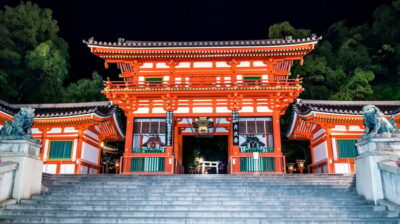
Kiyomizu-dera is described as a Buddhist temple with a history of about 1,200 years and UNESCO World Heritage status. It is one of the best-known temple visits in Kyoto, and the planned two-hour stop gives you time to explore at a less hurried pace than a brief photo visit.
The temple is also a natural point to discuss Kyoto’s religious heritage with your guide. If you are curious about Buddhist practice, architecture, or the meaning of the site, bring questions. The positive feedback about Riku specifically points to his willingness to answer questions, which is one of the strongest reasons to consider a guided day rather than simply moving from one landmark to the next.
Again, clarify the admission fee. The stop description says your entry is covered, but the general exclusions list temple admission at about $8 to $10. Do not assume the price includes both temple entries without confirmation. If an extra charge applies, you will want to know whether it is paid directly at the entrance or collected another way.
Fushimi Inari: torii gates and a route up Mount Inari
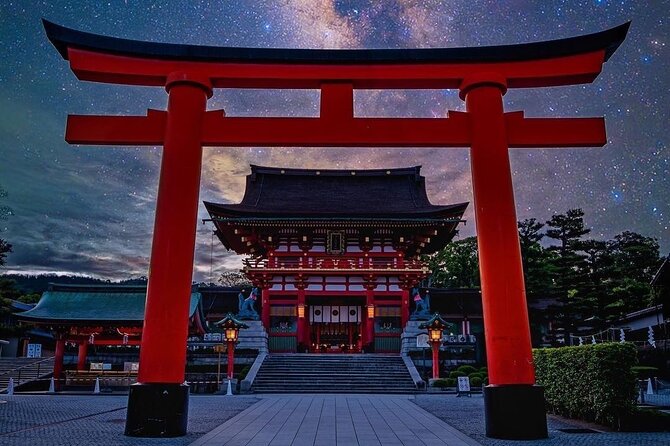
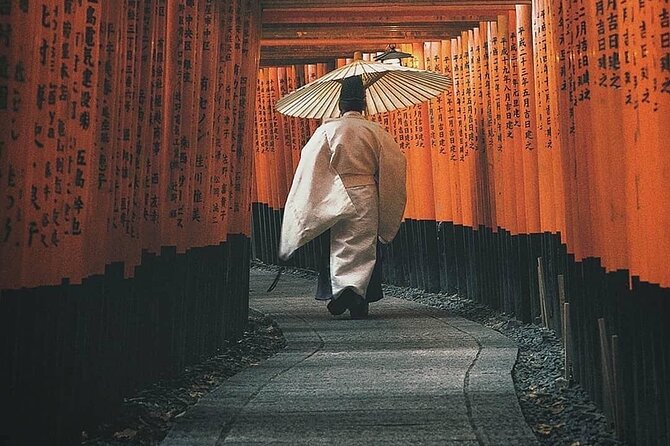
Fushimi Inari Taisha is known for its many red torii gates, which form trails up Mount Inari. The shrine is dedicated to Inari, the Shinto deity associated with rice. Even if you do not walk far up the mountain, the gates make this stop distinct from Kyoto’s Buddhist temples.
The two-hour allocation may suit you if you want time to walk among the gates and take in the setting. If your group hopes to go farther along the mountain trails, discuss that with the guide early. The day has three other major stops, so a longer walk here could affect the rest of the schedule.
There is a second admission inconsistency here. The stop details say the entrance ticket is not included, while the included-cost list names an entrance fee for Fushimi Inari Taisha. Confirm what, if anything, you will need to pay. The information does not say whether any optional or additional costs apply to the trails, so ask about the specific plan rather than guessing.
More Kyoto tours in Kyoto:
- PERFECT KYOTO 1-Day Bus Tour
★ 5.0 · 13,518 reviews - Kyoto: Fushimi Inari, Kinkakuji, Bamboo Grove 1 Day Bus Tour
★ 4.8 · 4,316 reviews - Kyoto: Tea Ceremony in a Traditional Tea House in Kiyomizu
★ 4.9 · 3,519 reviews - Kyoto Geisha Walking Tour: Gion District & Hidden Gems
★ 4.7 · 3,273 reviews
Arashiyama: bamboo, a bridge, and a possible boat ride
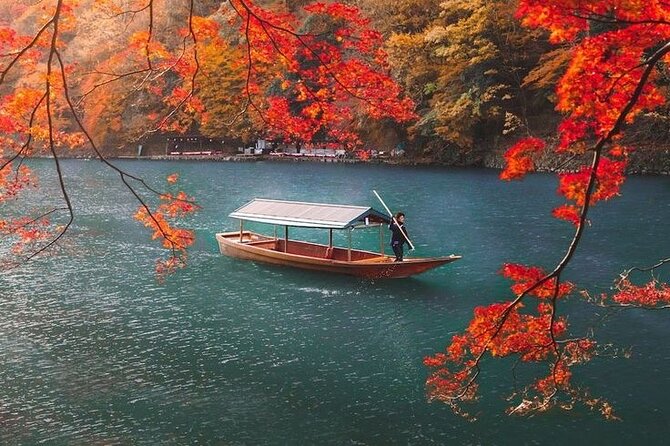
At Arashiyama, the plan includes a walk through the Bamboo Forest and a crossing of Togetsukyo Bridge. The route description also mentions a boat ride across the lake. That combination offers a change of scene after the temples and shrine, but make sure you understand whether the boat ride is part of your chosen plan and whether its fare is included. The tour’s general inclusions do not clearly list a boat ticket.
The bamboo paths are a popular stop, so the atmosphere may be less quiet than the word forest suggests, especially at busy times. A private guide cannot control how many people are there, but can help you keep the visit moving and adjust the time spent at each place. If a calmer walk is important to you, mention that when you discuss the day.
The tour marks the bamboo forest entrance as included. That does not necessarily settle costs for any other Arashiyama activity, including the boat ride. Ask before booking if that experience is important to you.
What the private format changes
This is not a fixed group departure where you join strangers. Only your party participates, which gives you room to ask questions and request changes. It also means the guide can focus on your group’s interests and pace, within the limits of a long day and the distances between the sights.
The transport plan is flexible rather than built around a dedicated car charge. The tour says it uses taxis and public transit as needed, with an air-conditioned vehicle and parking fees also listed among the inclusions. The wording does not fully explain when each option is used or how transport expenses are settled, so ask for a clear example of the likely arrangement for your party.
The distinction matters most for larger groups. One dissatisfied customer described booking for 10 people after receiving assurance that the party could ride together, despite the tour description indicating a smaller group limit. The account available does not provide the full outcome, but the issue is clear enough: if you have more than nine people, confirm vehicle capacity and whether everyone will travel together directly with the operator. Do not rely on an assumption made during a booking call.
Guides, language, and the quality of the day
The tour is usually conducted in English. Guides come from Japan, the United States, and Spanish-speaking countries, and a guide who speaks your preferred language may be arranged for an additional fee. Ask about availability and the extra charge before booking, especially if clear communication is important to your group.
Riku is the only guide named in the available feedback. He was praised for answering questions and being pleasant to spend the day with. Another positive account described a fun guide with excellent English, an accommodating approach, careful driving, and a clean, reliable car. Those details point to the parts of a private day that matter most: a guide who listens, communication that works, and transport that feels dependable.
The overall rating is 4.1 out of 5, based on 14 reviews. That is a modest sample, and the positive accounts sit alongside a serious complaint about accommodating a large party in one vehicle. I would give the praise for guiding and driving appropriate weight, but I would not overlook the practical concern if your group is near the stated capacity.
Is $200 per person good value?
The strongest case for the price is convenience. You get a private guide, a plan covering four major sights, and transport arranged as needed. If you are in Kyoto for a short stay, or would rather not coordinate a cross-city day yourself, that help can be worth paying for.
The weaker case is that not every cost is clearly settled in the information provided. Lunch is excluded, temple admission may cost about $8 to $10, and the transport charge is based on actual use. The Bamboo Forest entrance is listed as included, but the boat ride’s price is not specified. Before paying, ask for the total expected cost for your group, including admissions, fares, and any optional activities.
This tour is most appealing for couples, families, or small groups who value a guide and a flexible day more than a low-cost, do-it-yourself route. It is less suited to anyone who wants a slow visit at each site, dislikes a packed schedule, or needs certainty about every included cost before booking. The average booking lead time is 79 days, so popular dates may need planning well ahead, though availability is not guaranteed.
Small details worth settling before you go
The tour starts and ends in Kyoto, Japan, and ends back at the meeting point. It lasts approximately 8 to 10 hours, with travel time included. Pickup is offered, but confirm the exact pickup arrangement with the operator rather than assuming a particular hotel or address is covered.
Lunch is not included, so plan for that cost and ask the guide how the meal fits into the day. You can also ask how much flexibility there is for breaks, since the route includes four major stops and travel between them.
Confirmation is generally received at booking, although bookings made within five hours of travel are confirmed as soon as possible and depend on availability. Free cancellation is available up to 24 hours before the start time. Service animals are allowed, the tour is near public transportation, and the information says most people can participate.
Should you book this Kyoto tour?
I would consider booking it if you want a guide for Kyoto’s best-known sights, value having a private group, and are comfortable with a full day and some transport costs that depend on actual use. The customization and the reports of thoughtful guiding are genuine strengths, especially if you want to ask questions rather than move through the sites on your own.
Before you commit, get written answers on temple admission, the Fushimi Inari entry, the Arashiyama boat ride, transport costs, and vehicle capacity. If those details are clear and the price fits your group, this can be a practical way to connect four major sights in one day. If your priority is a leisurely pace or a fully itemized price, plan fewer stops independently instead.
FAQ
How long is the tour?
It lasts approximately 8 to 10 hours. Travel time is included in the total duration.
Which places are included in the route?
The main stops are Kinkaku-ji, Kiyomizu-dera, Fushimi Inari Taisha, and Arashiyama’s Bamboo Forest.
Is this a private tour?
Yes. Only your group participates.
Is pickup offered?
Yes, pickup is offered. The tour starts in Kyoto and ends back at the meeting point.
What language is the tour usually conducted in?
Tours are typically conducted in English. A guide who speaks another language may be arranged for an additional fee.
Is lunch included?
No. Lunch is not included.
Is transportation included in the price?
Private transportation is listed, with taxis or public transit used as needed. The tour says you pay for the actual transportation used, so ask how fares will be handled.
Are temple admission fees included?
The information is inconsistent. The Kinkaku-ji and Kiyomizu-dera stop details say admission is included, while the general exclusions list temple entrance fees of about $8 to $10. Confirm the charges before booking.
Is admission to Fushimi Inari Taisha included?
The information conflicts: the stop details say the admission ticket is not included, while the inclusions list names an entrance fee for Fushimi Inari Taisha. Confirm directly with the operator.
What is the cancellation policy?
You can cancel at least 24 hours before the start time for a full refund. Cancellations made less than 24 hours before the start time are not refunded.
Newly added in Kyoto
- Uji: Private immersion into Kyoto’s tea and reglious culture★ 5.0 · 17 reviews
- Whisk Your Own Matcha: A Zen Matcha Experience at Temple★ 3.6 · 7 reviews
- Kyoto tea town for matcha lovers★ 5.0 · 16 reviews
- Treasures of Kyoto: Gion & historical Walking Tour★ 5.0 · 6 reviews
- Kyoto Matcha Green Tea Tour★ 4.5 · 23 reviews
- Uji and Wazuka Matcha Farm Half Day Private Guided Tour★ 5.0 · 21 reviews
- Uji Tea Ceremony and UNESCO Heritage Walking Tour★ 5.0 · 20 reviews
- Utilising upcycled Matcha! Creating matcha incense (Uji, Kyoto)★ 5.0 · 6 reviews
Kyoto Tours, compared.

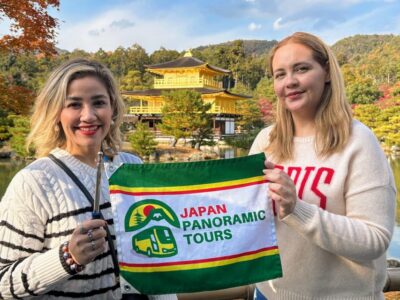
Fushimi Inari, Kinkakuji, Bamboo Grove 1 Day Bus Tour
Read our review →
Tea Ceremony in a Traditional Tea House in Kiyomizu
Read our review →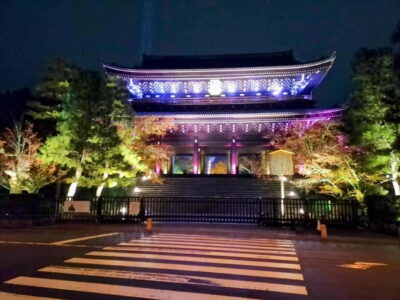
Kyoto Geisha Walking Tour: Gion District & Hidden Gems
Read our review →
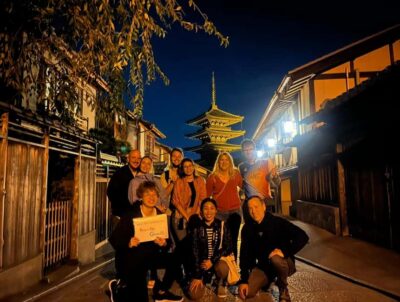
Gion Magical Night Walking Tour with Geisha Trivia
Read our review →