
Reviewed · KYOTO COOKING CLASSES
Japanese Cuisine Cooking Class in Kyoto
Kyoto’s everyday cooking is the focus here: rice cooked in a clay pot, miso soup, and five vegetable-led side dishes prepared in a small kitchen near Toji Temple. You don’t just sit down to eat. You learn the methods, help with the meal, and get time to ask about Japanese ingredients and cooking customs.
I like the small-group format, which makes it easier to ask questions and get personal attention, and the chance to learn practical recipes rather than watch a polished food demonstration from a distance. One thing to plan for: the instructor may do much of the cooking, so the amount of hands-on work can vary. It’s also held on Tuesdays only.
Key points before you book
- A Kyoto machiya near Kyoto Station: The class takes place about a five-minute walk from the station, near Toji Temple.
- A full Japanese meal: You’ll make rice, soup, and five side dishes, then plate and eat the food you’ve prepared.
- Clay-pot rice and miso: The instructor demonstrates how to cook rice in a clay pot and explains miso, a fermented food.
- Mostly vegan ingredients: Fish and eggs may be used. Tell Iku about allergies or a fully vegan diet in advance.
- Three hours, starting at 11:30 am: The class runs every Tuesday and ends back at the meeting point.
- A private activity for your group: The class is not shared with other booking parties.
A home-style cooking class in a Kyoto machiya

This class is built around obanzai, the style of home cooking associated with Kyoto. Rather than chasing restaurant theatrics, you spend a few hours learning the basics behind a balanced Japanese meal: rice, soup, and several smaller dishes served together.
The setting is a machiya exhibition room with a kitchen, at 411-2 Kujōchō in Minami Ward. It is about a five-minute walk from Kyoto Station and near Toji Temple, so it’s easy to reach without arranging a private ride. The activity begins and ends at the same address.
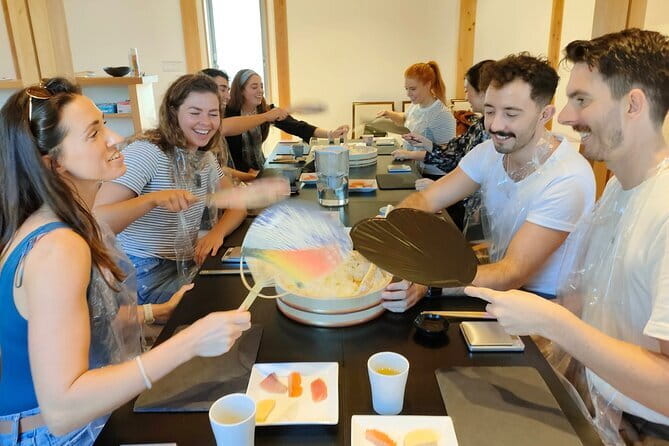
I like the scale of the experience. It is a private class for your group, and past groups have been as small as three people. That makes this a better fit for anyone who wants room to ask questions than for someone hoping to join a large, lively cooking party. The small setting also suits families or friends who want a shared activity, though the information provided does not specify age limits.
The instructor is Iku, a chef and nutritionist who previously ran a French restaurant serving home-style meals on Yakushima, a World Heritage site. Her focus here is healthy Japanese cuisine, and she aims to teach recipes you can recreate at home. That practical aim matters: you’re not just learning a menu for one afternoon, but getting a look at how familiar ingredients come together in a Japanese meal.
More cooking classes in Kyoto:
- Ramen Cooking Class at Ramen Factory in Kyoto
★ 5.0 · 1,937 reviews - Sushi Making in Kyoto! Same-day bookings welcome!
★ 5.0 · 713 reviews - Kyoto: Ramen Cooking Class at a Ramen Factory with Souvenir
★ 4.9 · 532 reviews
The 11:30 start and first kitchen lesson
Plan to arrive at the meeting point for the 11:30 am start. The class lasts about three hours, which gives you time for instruction, cooking, the meal, and matcha afterward without turning the activity into an all-day commitment.
The class is held on Tuesdays only. That is the main scheduling drawback. If your Kyoto stay is short, you’ll need to build your plans around that day rather than treating this as a flexible activity you can slot in whenever convenient.
The first part introduces Japanese cuisine, Kyoto ingredients, and the dishes you’ll prepare. The teacher speaks in both English and Japanese, so you can ask questions and follow the explanations. You’re welcome to ask about food, utensils, and culture, which is useful if you’re curious about how a dish is made as well as what goes into it.
The class is educational, but it is not described as a full hands-on workshop from start to finish. The teacher demonstrates professionally, while participants watch, take notes, taste, and get opportunities to try some of the cooking. If you want to handle every step yourself, keep that distinction in mind. If you’re happy to learn by watching closely and helping where invited, the format should suit you well.
Clay-pot rice, miso, and the meal you make
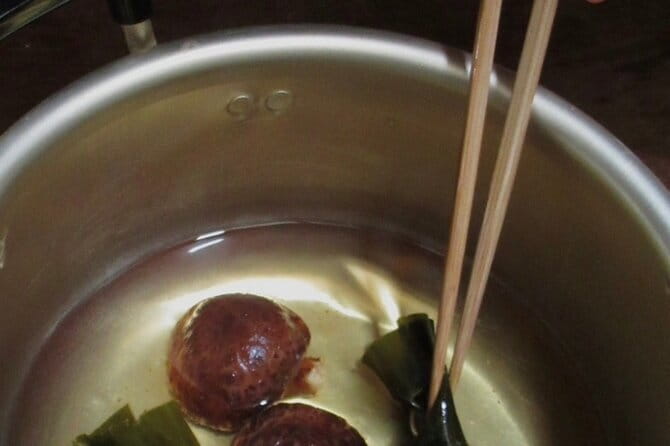
Two key lessons are how to cook rice in a clay pot and how to make miso. Rice is central to the meal, and seeing it cooked in a traditional pot gives you a technique to take home, not just a finished bowl to enjoy. The class also introduces miso as a fermented food, connecting a familiar soup ingredient to the process behind it.
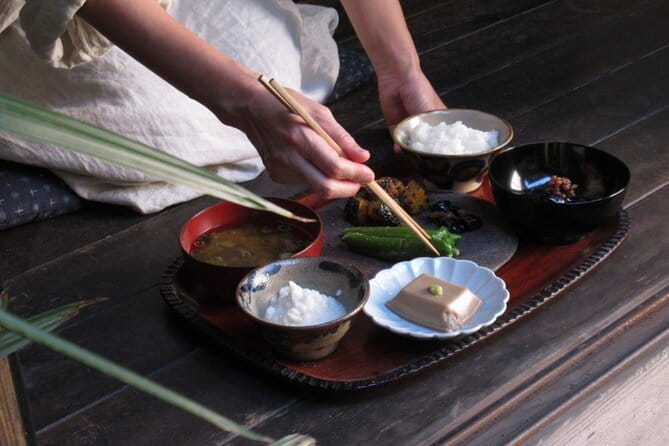
You then work with the instructor and the rest of your group to make rice, soup, and several side dishes. Together, they form a meal of one soup and five side dishes. The menu is based mostly on vegetables, with ingredients unique to Kyoto included in the cooking.
The food is plated before you sit down to eat. This is a useful part of the experience, not a decorative afterthought: you get to see how the separate dishes make up a complete meal. Afterward, matcha tea is served.
The exact menu is not specified in advance, so don’t book expecting particular dishes. The value is in learning the approach and working with the ingredients that are used in class. If you have a favorite recipe or a question about a particular ingredient, this is the sort of small class where it makes sense to ask.
Dietary needs and what to tell Iku
Most ingredients used in the class are vegan, but fish and eggs may also be used. That means the standard menu should not be assumed to be fully vegan just because it is vegetable-led.
If you have an allergy, contact Iku in advance. Do the same if you want a completely vegan meal. The instructor is described as accommodating dietary choices, but you should be clear about your needs before the class rather than waiting until you arrive. The available details do not specify how every allergy or dietary restriction can be handled, so ask directly if your needs are complex.
This advance conversation is especially important for anyone with a strict diet. A message ahead of time gives the instructor a chance to confirm what is possible and avoid surprises at the kitchen table.
More Kyoto tours in Kyoto:
- PERFECT KYOTO 1-Day Bus Tour
★ 5.0 · 13,518 reviews - Kyoto: Fushimi Inari, Kinkakuji, Bamboo Grove 1 Day Bus Tour
★ 4.8 · 4,316 reviews - Kyoto: Tea Ceremony in a Traditional Tea House in Kiyomizu
★ 4.9 · 3,519 reviews - Kyoto Geisha Walking Tour: Gion District & Hidden Gems
★ 4.7 · 3,273 reviews
What the price covers, and whether it feels worthwhile
The price is $71.67 per person. All fees and taxes are included, as are cooking utensils, recipes, and writing implements. Private transportation is not included, though the location is close to Kyoto Station and near public transportation.
For that price, you’re paying for more than a meal. You get about three hours of instruction, ingredients and kitchen use as part of the activity, a meal you help prepare, and recipes and writing materials for following along. For anyone who enjoys learning food skills, that combination can make the class a good use of a half-day in Kyoto.
The price may feel less compelling if you mainly want an inexpensive lunch or expect to cook every dish independently. Some of the work is demonstrated by the instructor, and the activity’s appeal depends on how much you value the explanations, the shared meal, and the chance to ask questions. Think of it as a cooking lesson with lunch included, not simply a meal out.
This class is booked an average of 74 days in advance, so it is worth planning early if Tuesday is the only day that works for you. Confirmation is received at booking, and free cancellation is available up to 24 hours before the start time. Changes made less than 24 hours before the experience are not accepted.
Who will get the most from this class
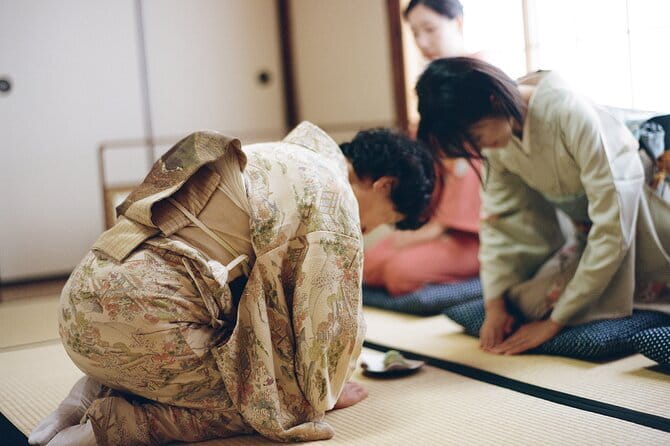
I’d choose this experience if you’re interested in Japanese home cooking, want to understand how a traditional meal is put together, or prefer a small, private activity to a large group event. It also makes sense for people who like to learn through conversation and want room to ask about ingredients, utensils, and food customs.
The class is particularly suitable for vegetarians, though fish and eggs may be used unless a fully vegan menu is arranged in advance. The instructor’s nutrition background and focus on healthy Japanese cooking add a practical angle for anyone who wants ideas to use at home.
It may be a weaker fit if you want a class where every participant has a defined task throughout, or if Tuesday does not suit your itinerary. The format includes demonstrations and observation as well as hands-on attempts, so it is not a guarantee of three hours at your own workstation.
Should you book the Kyoto cooking class?
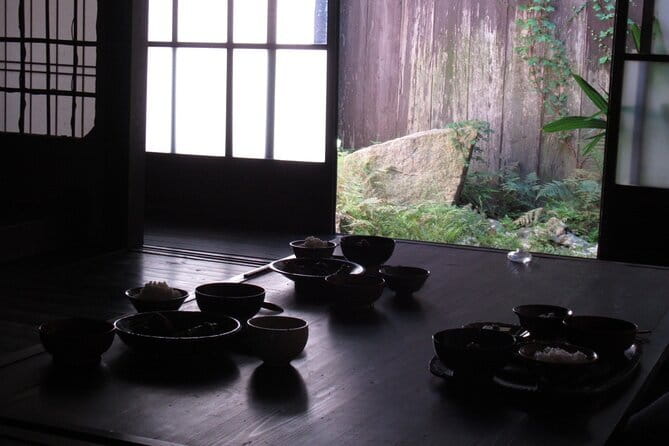
Book it if you want a relaxed introduction to Kyoto-style home cooking, value personal instruction, and like the idea of eating a meal you helped make. The clay-pot rice lesson, miso explanation, and one-soup, five-side-dish meal give the class a clear focus, while the private format leaves space for questions.
Skip it if you need a different day, expect a fully hands-on class at every stage, or have strict dietary needs that have not yet been confirmed with Iku. If Tuesday works and the cooking format sounds right, this is a practical way to spend a few hours learning food skills in Kyoto rather than just ordering another meal.
FAQ
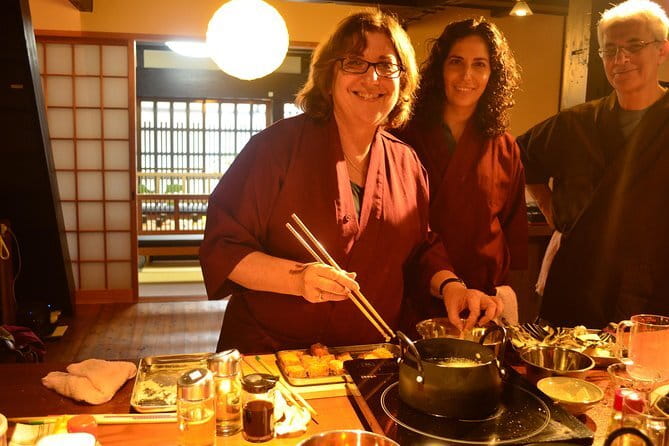
What day does the class run?
The class takes place every Tuesday.
What time does it start?
It starts at 11:30 am.
How long is the cooking class?
The activity lasts about three hours.
Where does the class meet?
It meets at 411-2 Kujōchō, Minami Ward, Kyoto, 601-8473, Japan, in a machiya exhibition room near Toji Temple.
Does the activity end at the meeting point?
Yes. The activity ends back at the meeting point.
What food will I prepare?
You’ll make rice, soup, and several side dishes for a meal of one soup and five side dishes. Matcha tea is served after the meal.
Is the menu vegan?
Most ingredients are vegan, but fish and eggs may be used. Contact Iku in advance if you need a completely vegan meal.
What should I do if I have an allergy?
Let Iku know in advance. The available information does not specify which allergies can be accommodated, so ask about your needs before booking or attending.
Are cooking utensils and recipes included?
Yes. Cooking utensils, recipes, writing implements, and all fees and taxes are included. Private transportation is not included.
Newly added in Kyoto
- Uji: Private immersion into Kyoto’s tea and reglious culture★ 5.0 · 17 reviews
- Whisk Your Own Matcha: A Zen Matcha Experience at Temple★ 3.6 · 7 reviews
- Kyoto tea town for matcha lovers★ 5.0 · 16 reviews
- Treasures of Kyoto: Gion & historical Walking Tour★ 5.0 · 6 reviews
- Kyoto Matcha Green Tea Tour★ 4.5 · 23 reviews
- Uji and Wazuka Matcha Farm Half Day Private Guided Tour★ 5.0 · 21 reviews
- Uji Tea Ceremony and UNESCO Heritage Walking Tour★ 5.0 · 20 reviews
- Utilising upcycled Matcha! Creating matcha incense (Uji, Kyoto)★ 5.0 · 6 reviews
Kyoto Cooking Classes, compared.

Ramen Cooking Class at Ramen Factory in Kyoto
Read our review →
Sushi Making in Kyoto! Same-day bookings welcome!
Read our review →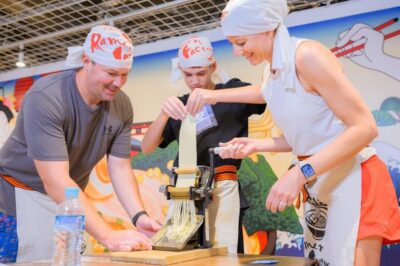
Ramen Cooking Class at a Ramen Factory with Souvenir
Read our review →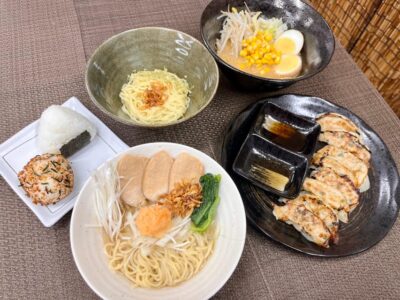
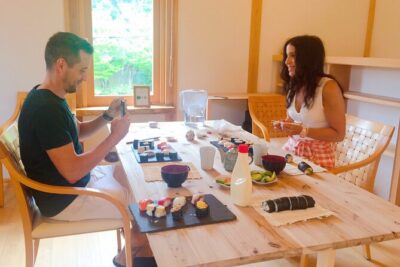
The Original Small-Group Sushi Making Class in Kyoto
Read our review →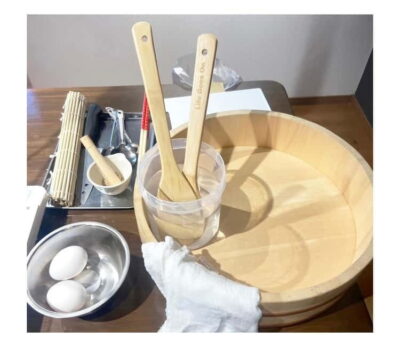
Japanese Washoku Bento Small Group Cooking Class
Read our review →
Japanese Traditional Sweets Making and Tea Ceremony
Read our review →
Kyoto Ramen and Gyoza Cooking Class with Professional Chefs
Read our review →Browse the lists this tour appears in