
Reviewed · KYOTO COOKING CLASSES
Kyoto Food Tour of 10 Tastings with Wagyu, Mochi & More Surprises
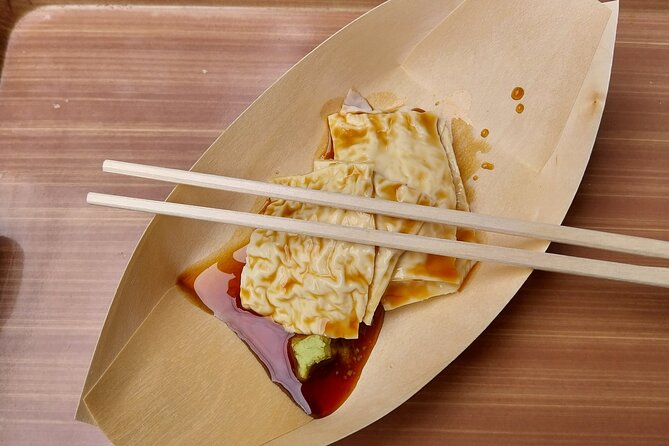
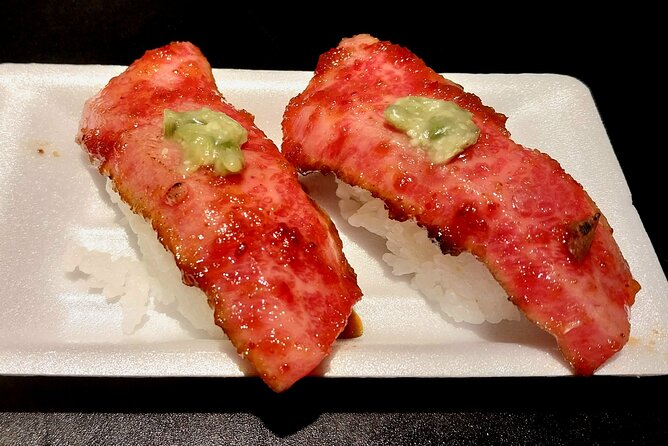
Kyoto’s food story makes more sense when you taste it one stop at a time. This walk links Karasuma, Nishiki Market, and Gion, with yuba tofu, Wagyu sushi, and a Kyoto-style savory pancake among the promised bites.
I like the mix of market tastings and sit-down food, and the small-group limit of 10 makes this a more personal way to explore a busy part of town. The route also gives you time to notice Kyoto between stops, including Pontocho and the Kamo River.
One thing to weigh: $142 is a premium price for a food walk, and some of the portions are street food you could buy yourself. The value depends on how much you want a guide, a planned route, and several tastings and drinks gathered into one outing.
Key points to know before you book
- Ten advertised tastings bring together Kyoto staples and comfort food, including yuba tofu, Wagyu sushi, fish cakes, mochi, and okonomiyaki.
- The 3.5-hour route runs from Karasuma to Gion, with about 90 minutes set aside for Nishiki Market.
- The group is capped at 10 people, which should make it easier to hear and ask questions, though guide volume and English can vary.
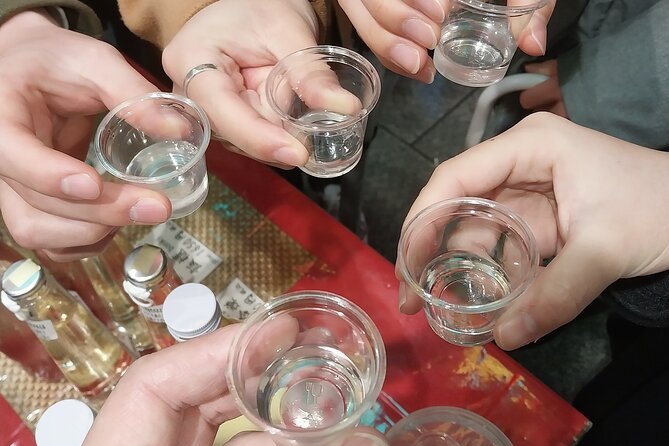
- Drinks are part of the experience, including draft beer, sake tastings, and hot or cold Japanese tea.
- Expect a fair amount of walking, so comfortable shoes matter more than dressing for a restaurant meal.
- The menu and stops can change with weather and local availability, and you should contact the operator in advance about dietary needs.
Start in Karasuma with a guide and a clear meeting point
The tour begins in front of Starbucks at the Kyoto Sanjo Karasuma Building, across the street from Exit 5 of Karasuma Oike subway station. It is a practical starting place in central Kyoto, and the guide is identified by an orange umbrella. That small detail is useful when you arrive in a busy area and are scanning for a group.
The welcome takes about 10 minutes. Your guide introduces the route and sets expectations before the first food stop. Past guides have included Yuma and Tomoro, both named in positive feedback, but guide assignments can change. Go in ready for a friendly local host rather than a professional chef: the operator says guides are not necessarily culinary professionals, and the quality of explanations may depend on who leads your group.
The maximum group size is 10. That is small enough to feel more manageable than a large coach-style outing, especially in the market, though it does not guarantee that every guide will speak loudly or at length. If detailed food history is your main reason for booking, keep that variation in mind.
More cooking classes in Kyoto:
- Ramen Cooking Class at Ramen Factory in Kyoto
★ 5.0 · 1,937 reviews - Sushi Making in Kyoto! Same-day bookings welcome!
★ 5.0 · 713 reviews - Kyoto: Ramen Cooking Class at a Ramen Factory with Souvenir
★ 4.9 · 532 reviews
Try Kyoto-style pork before Nishiki Market
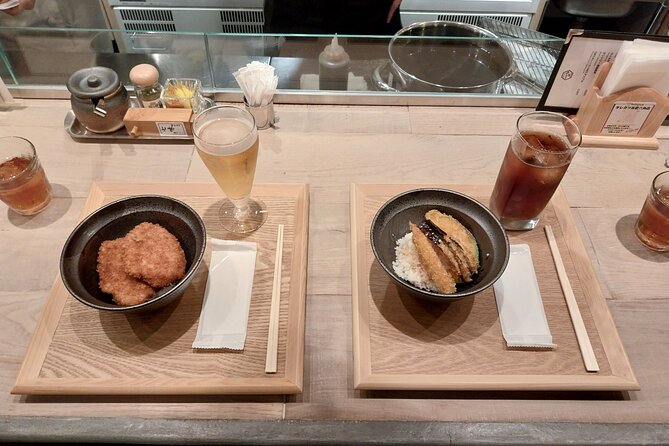
The first food stop is Kyoto Tonkatsu Katsuda Shijo Kawaramachi, where you begin with a traditional Japanese dish prepared with a regional twist. The tour’s food list includes katsudon with a sweet local flavor, while past descriptions of the opening bite mention pork katsu. The exact dish may vary, so think of this as a hearty pork introduction rather than a guaranteed, fixed plate.
This first stop has a practical purpose: it gives you something substantial before the long market visit. If you prefer fresh, light food, however, note that fried pork is part of the experience. Some of the tour’s menu leans toward filling comfort food, not only delicate Kyoto specialties.
The restaurant visit lasts about 30 minutes. You should have time to eat at a relaxed pace, but this is not a long restaurant meal. The tour keeps moving, so arrive hungry but not ravenous, and avoid planning a large lunch right beforehand.
Take your time at Nishiki Market
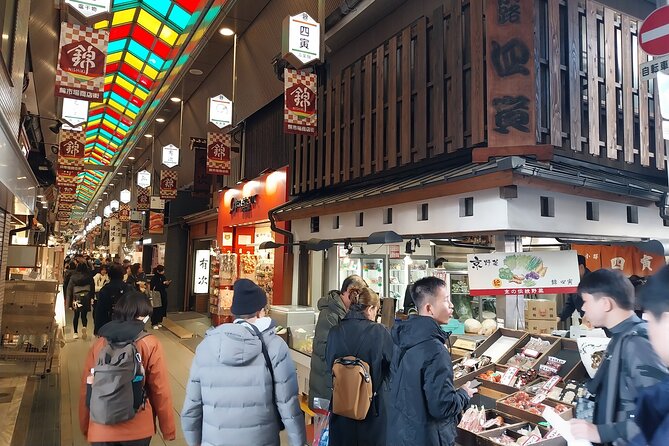
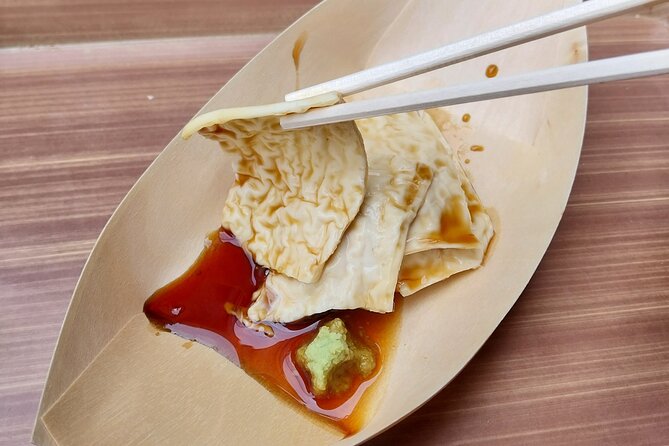
Nishiki Market is the longest stop, with about 90 minutes for tasting and walking along its roughly 400-meter covered street. The guide introduces local makers and their trades as you sample items such as yuba tofu, sake, and freshly made fish cakes in different flavors. This is the part of the tour most likely to give you a sense of how Kyoto’s food shops work, rather than simply handing you a plate and moving on.
Yuba, the delicate skin that forms when soy milk is heated, is one of Kyoto’s best-known preparations. Here, you get a presentation as well as a taste. That context can help you understand why a simple ingredient is treated as a specialty, and why a market tasting can be more memorable than a quick bite picked at random.
The fish cakes add a different texture and flavor to the sequence, while the sake tasting gives you a chance to sample local pours without committing to a full bottle. The precise flavors and number of sake samples are not specified, and the market menu can change. The promise is variety, not a fixed flight with a set tasting card.
Nishiki is also a working market, not a quiet dining room. The route passes through a narrow, popular street where people shop and eat, so you will need to stay with the group and be patient around other shoppers. The 90-minute block is a generous share of the tour, but it can still feel short if you want to browse every stall.
A fair concern is that market food can be fried or snack-like. The tour includes fresh fish cakes, but the menu also features fried and hearty dishes, and it is not designed as a fresh-produce tasting tour. If that distinction matters to you, ask about current menu options before booking.
Walk from the market toward Pontocho and the Kamo River
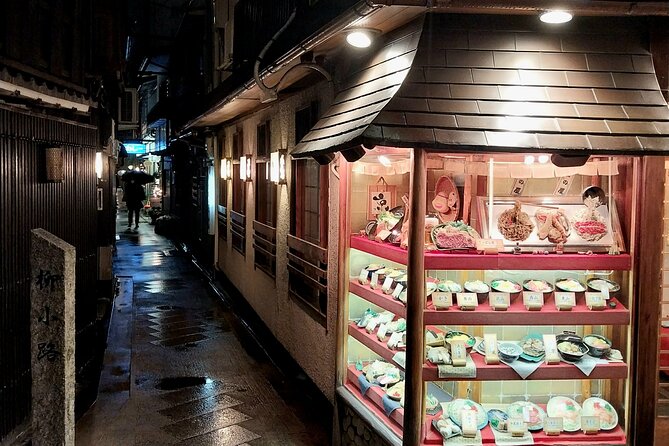
After Nishiki Market, the group heads toward Gion, with about 30 minutes on foot. The route takes in views of Pontocho and the Kamo River before reaching the Gion area. This stretch is part of the experience, not just a transfer between restaurants: it gives you a pause from tasting and a chance to see Kyoto’s streets at walking pace.
The walk also explains why comfortable shoes are recommended. You cover several neighborhoods over three and a half hours, and the route does not include hotel pickup or drop-off. Plan to reach the meeting point on your own and to continue your Kyoto day from Gion after the tour.
The walk is a pleasant balance to the food stops, but it may not suit anyone hoping to sit for most of the afternoon. The tour is built around moving between locations, with walking and standing at the market. If your schedule is tight, remember that the experience is approximate in duration, so leave some room before a timed reservation or train.
More food tours in Kyoto:
- Kyoto Night Foodie Tour in Gion (9+ dishes + 6 Sake tastings)
★ 5.0 · 1,762 reviews - Kyoto: Izakaya Bars Guided Walking Tour
★ 4.9 · 815 reviews - Kyoto: Insider Sake Brewery Tour with Sake and Food Pairing
★ 5.0 · 704 reviews - Kyoto: Ramen, Gyoza, and Onigiri Cooking Class
★ 5.0 · 445 reviews
Sit down for Kyoto-style okonomiyaki in Gion
The next food stop is a quaint restaurant in Gion, where you get a well-earned rest and a serving of okonomiyaki prepared in the Kyoto style. This savory pancake offers a change from small market bites and gives the route a more substantial sit-down meal near its finish.
The stop lasts about 30 minutes. That is enough to enjoy the dish, though it is not a leisurely dinner. The setting is described as quaint, but the exact restaurant can depend on availability. As with the other food stops, keep an open mind about changes.
Okonomiyaki is a useful counterpoint to the yuba and market snacks: it is warm, filling, and built around a different style of Japanese comfort food. If you are sampling this tour as a first introduction to Japanese dishes, the sequence gives you several kinds of eating experience, from restaurant food to market tastings and sweets.
Finish with mochi and Japanese tea
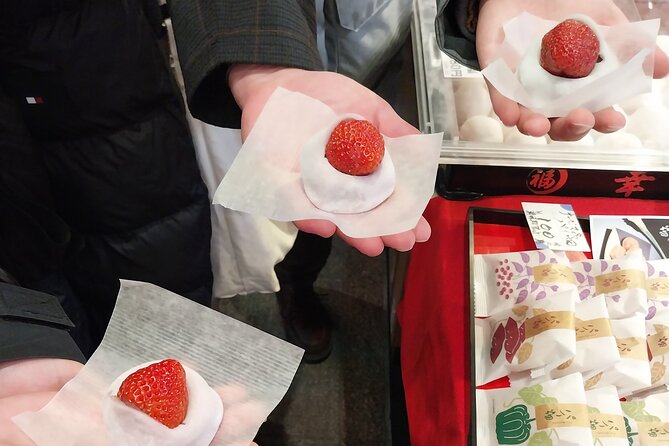
The final stop is a tea venue in Kyoto, a city closely associated with tea ceremony. You get a Japanese tea tasting, served hot or cold depending on the season, alongside a selection. Daifuku mochi with seasonal fruit filling is also included, and the tour lists a secret dish whose identity is left for the day itself.
This 20-minute finish is a gentle way to close a food-heavy walk. The tea gives you a less filling final taste, while fruit-filled mochi adds a sweet, soft contrast to the pork and savory pancake earlier in the afternoon. The operator describes the venue as a renowned matcha spot, but the tea served may be hot or cold according to the season.
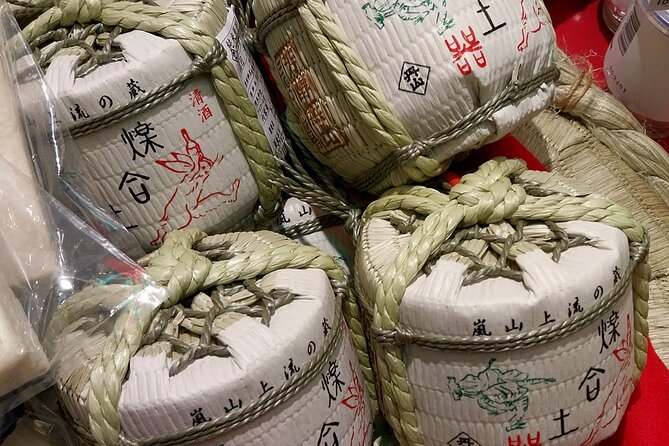
The tour also includes a glass of draft beer and a tasting of Kyoto sake. These drinks add real value for people who want to sample local flavors without arranging separate stops. They do not make the tour a bar crawl, though: the focus remains on food, with drinks included as part of the tasting route.
The tour ends at the entrance to the Minami Gion district. Gion Shijo Station on the Keihan Line is a couple of minutes away, and Yasaka Shrine is a few steps from the end point. That makes it easy to continue exploring on foot or head to public transport after the final tea.
Is $142 good value for this Kyoto food walk?
At $142 per person, this is not the cheapest way to eat in Kyoto. You could buy individual snacks and drinks for less, especially if you are comfortable choosing market stalls on your own. The price pays for more than the food, however: it includes a guide, a planned route through several neighborhoods, a small group, and a mix of tastings that would take effort to assemble in one afternoon.
The strongest value is for someone who wants to sample several kinds of Kyoto food without researching each stop, while also getting a guided walk from Karasuma to Gion. Yuba tofu, Wagyu sushi, sake, fish cakes, mochi, and tea make a more varied outing than a single restaurant meal. The included beer and tea also matter when comparing the price with a food-only walk.
The weaker value is for an independent eater who enjoys choosing every dish and already knows Nishiki Market. Some tastings may be modest, and the menu includes familiar comfort food as well as specialties. If you mainly want a culinary lecture from a food expert, this may not be the right fit: the guide’s food background is not guaranteed, and the depth of explanation can vary.
The tour is typically booked about 44 days ahead, which is useful to know if you are planning a Kyoto itinerary around a specific date. Group discounts are listed, and the ticket is mobile. Confirmation is subject to availability. You can cancel for a full refund up to 24 hours before the start; within 24 hours, the payment is not refunded. If bad weather cancels the tour, you are offered another date or a full refund.
Who should book this walk?
I would consider this tour if you want a guided first pass through Kyoto food, enjoy tasting small portions across several stops, and like the idea of pairing eating with a neighborhood walk. The small cap of 10, the Nishiki Market visit, and the Gion finish make the route easy to picture and fairly efficient for a half-day outing.
It is also a sensible choice if you want a little structure on your first day in Kyoto. A guide can point out food you might not choose on your own, and the route introduces the market, river, and Gion in one go. Past guides Yuma and Tomoro have been singled out warmly, but names and guide style are not guaranteed.
I would look elsewhere if you want a polished culinary class, a long sit-down meal, or a menu centered on fresh, non-fried dishes. Contact the operator ahead of time about dietary requirements, since the menu changes with availability and the team needs advance notice to see what it can accommodate. Book for the route, the range of tastes, and the convenience, not for a guaranteed chef-led seminar.
FAQ
How long does the Kyoto food tour last?
It lasts about 3 hours and 30 minutes. The walk includes several food stops and a substantial visit to Nishiki Market.
Where does the tour start?
It starts in front of Starbucks at the Kyoto Sanjo Karasuma Building, across the street from Exit 5 of Karasuma Oike subway station. The guide carries an orange umbrella.
Where does the tour end?
It ends at the entrance to the Minami Gion district. Gion Shijo Station on the Keihan Line is a couple of minutes away, and Yasaka Shrine is nearby.
How many people can join the group?
The tour has a maximum of 10 people.
What food is included?
The included foods are yuba tofu, katsudon with a sweet local twist, Kyoto-style okonomiyaki, Wagyu sushi, fresh fish cakes, seasonal fruit daifuku mochi, and a secret dish. The menu may change.
Are drinks included?
Yes. The tour includes a glass of draft beer, a tasting of Kyoto sake, and Japanese tea served hot or cold.
How much walking should I expect?
The tour involves a fair amount of walking from Karasuma to Gion, including a 30-minute walk between the market and Gion. Comfortable shoes are recommended.
Can the tour accommodate dietary requirements?
You should contact the operator in advance about dietary requirements so they can check what may be accommodated. The itinerary and menu can change with availability, weather, and other circumstances.
Newly added in Kyoto
- Uji: Private immersion into Kyoto’s tea and reglious culture★ 5.0 · 17 reviews
- Whisk Your Own Matcha: A Zen Matcha Experience at Temple★ 3.6 · 7 reviews
- Kyoto tea town for matcha lovers★ 5.0 · 16 reviews
- Treasures of Kyoto: Gion & historical Walking Tour★ 5.0 · 6 reviews
- Kyoto Matcha Green Tea Tour★ 4.5 · 23 reviews
- Uji and Wazuka Matcha Farm Half Day Private Guided Tour★ 5.0 · 21 reviews
- Slow Cycling Tour at Uji’s Matcha Green Tea Fields and Heritage★ 5.0 · 25 reviews
- Uji Tea Ceremony and UNESCO Heritage Walking Tour★ 5.0 · 20 reviews
Kyoto Cooking Classes, compared.

Ramen Cooking Class at Ramen Factory in Kyoto
Read our review →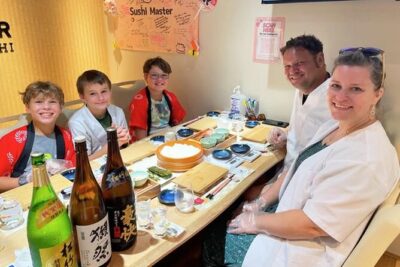
Sushi Making in Kyoto! Same-day bookings welcome!
Read our review →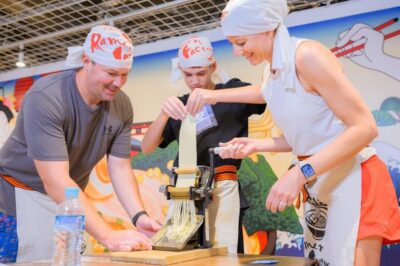
Ramen Cooking Class at a Ramen Factory with Souvenir
Read our review →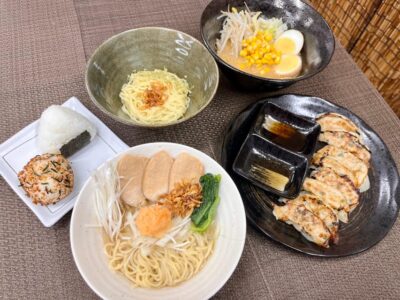
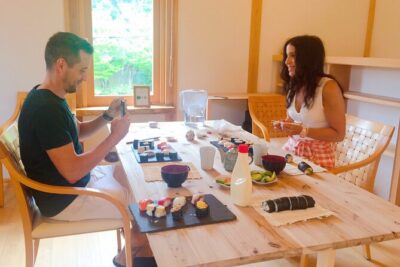
The Original Small-Group Sushi Making Class in Kyoto
Read our review →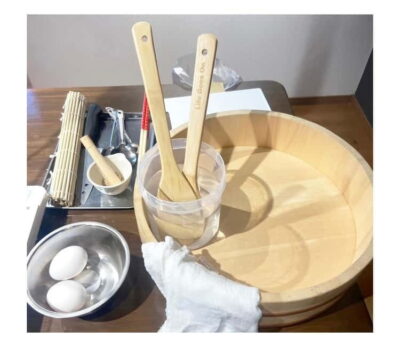
Japanese Washoku Bento Small Group Cooking Class
Read our review →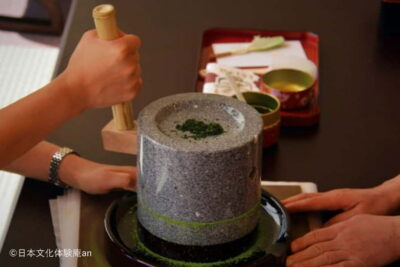
Japanese Traditional Sweets Making and Tea Ceremony
Read our review →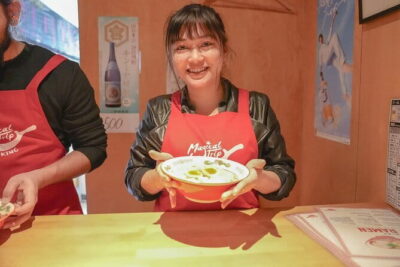
Kyoto Ramen and Gyoza Cooking Class with Professional Chefs
Read our review →Browse the lists this tour appears in