Reviewed · KYOTO TOURS
Kyoto Rickshaw Tour
A rickshaw gives you a moving front-row view of Kyoto’s old lanes: your driver pulls you past wooden town houses, temples, shrines, and the stone streets of Higashiyama while sharing local stories. It is a gentle way to see more of the district than you might manage on foot, with time to pause for photos.
I like two things in particular: the route can be tailored to your interests, and your driver can help you find and photograph spots you might otherwise pass by. Guides such as Fumi, Yoshi, and Kanta have made a strong impression with their humor, local knowledge, and care.
The main consideration is space. Each rickshaw is only 74 centimeters wide, so two adults may feel cramped. The tour also runs rain or shine, and shorter rides cannot cover every listed landmark.
- A choice of ride length: Book anywhere from about 30 minutes to three hours, with more time allowing for a broader route and stops.
- Private for your group: You ride with your own party, rather than joining strangers.
- A close look at old Kyoto: Expect narrow lanes, traditional houses, temples, shrines, and the Gion area.
- A guide who does the pulling: Drivers explain local sights, answer questions, and often help take photos.
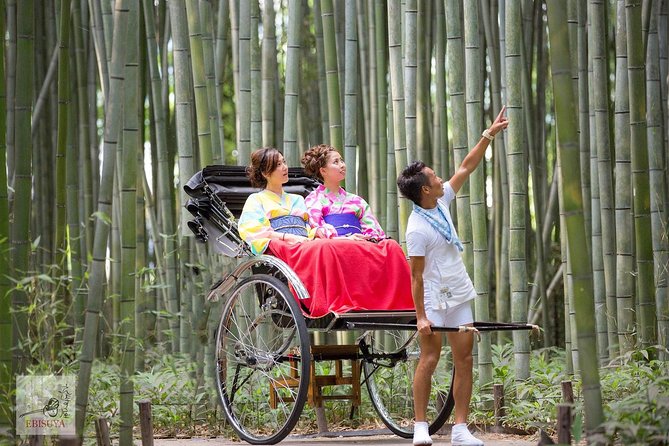
- Not the Arashiyama bamboo forest: This ticket is for the Higashiyama branch and does not include the bamboo forest.
- Check the seat width: The rickshaw is 74 centimeters wide, and a separate vehicle may be more comfortable for each adult.
Kyoto’s old streets from a rickshaw seat
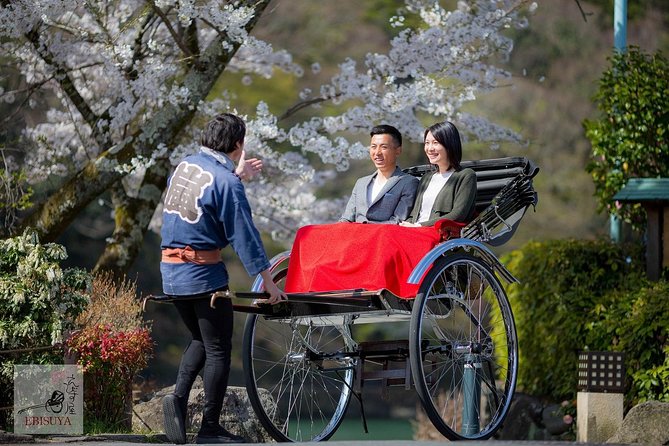
The rickshaw is more than a novelty ride. In Higashiyama and Gion, narrow lanes and old wooden buildings are part of the appeal, but they can be tiring to cover on foot, especially when your day already includes temples and shrines. Seated in the rickshaw, you can take in the streets at a slower pace while your driver handles the effort of moving through them.
That effort is real. Drivers pull the rickshaws themselves, including when a route climbs, and they keep up a running explanation as you go. Guides named in connection with this experience include Fumi, Kai, Yoshi, Kanta, Hina, and Kota. You cannot count on a particular driver unless the operator confirms it, but the guide’s role is central: this is not simply transport from one landmark to the next.
The tour is private to your group, which makes it easier to ask questions or talk over what you want to see. You can discuss your interests with the guide, though the exact route depends on the length of your booking. That flexibility matters in Kyoto, where a short ride and a three-hour outing are very different experiences.
A route through Higashiyama and Gion
The starting point is Ebisuya Higashiyama Rickshaw at 483 Shimokawarachō, in Kyoto’s Higashiyama Ward. From there, the route takes in parts of Higashiyama and Gion, with old streets, traditional wooden houses, a small bridge, temples, gardens, and a large shrine among the sights named for the tour.
The exact landmarks are not guaranteed on every ride. The operator notes that shorter tours cannot cover all the places on the full route, so ask what fits your chosen duration before setting off. Some rides have included Yasaka Shrine and Kodaiji Temple, while one longer outing included a stop at Kennin-ji Temple for an additional fee. Treat named places as possibilities to discuss, not a fixed checklist.
The itinerary begins in the Higashiyama area, where the appeal is often the texture of the streets as much as any single building. Wooden facades, stone paths, and small lanes give you a sense of how closely the old district is woven together. A rickshaw moves slowly enough for you to look around, but you should not expect to hop off at every landmark on a short ride.
The geisha district is another draw. The guide can point out traditional wooden town houses and explain the area’s customs and history. You may spot a geisha or maiko, but no sighting is promised, and it is best to appreciate the district respectfully rather than treat its residents as part of a show.
A small bridge and the old cobbled street add variety to the route. These are the moments when the ride itself becomes the point: you are not just heading toward a famous temple, but seeing how the lanes connect and how the district feels from street level. Your driver may choose quieter paths, and the route can be adjusted to your interests when time allows.
The temples and gardens offer a change of pace from the lanes. Kodaiji and Yasaka are among the places associated with rides in the area, and a longer tour may allow time to pause or explore. If you want to enter a temple, ask in advance whether that is possible and whether an extra fee applies. The ride itself does not mean admission is included.
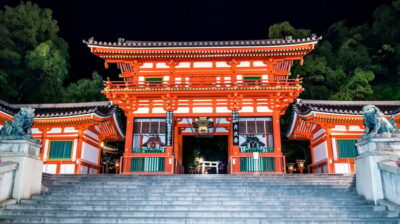
Yasaka Shrine is a large shrine in the Gion area and can make a natural point of interest during the ride. The tour information notes that it is worth visiting around New Year, before or after the rickshaw outing. If you want time to explore the shrine on foot, factor that into your day rather than assuming the rickshaw stop includes a long visit.
More Kyoto tours in Kyoto:
- PERFECT KYOTO 1-Day Bus Tour
★ 5.0 · 13,518 reviews - Kyoto: Fushimi Inari, Kinkakuji, Bamboo Grove 1 Day Bus Tour
★ 4.8 · 4,316 reviews - Kyoto: Tea Ceremony in a Traditional Tea House in Kiyomizu
★ 4.9 · 3,519 reviews
Choosing 30 minutes, 70 minutes, or longer
The available duration ranges from about 30 minutes to three hours. A half-hour ride is a compact introduction, especially if you are curious about the rickshaw itself or want a quick look at Gion. One half-hour outing was described as a lovely experience, but at that length you should expect a limited route, not a full survey of Higashiyama.
A 70-minute ride is a useful middle ground. It gives the guide more room to show you several streets and landmarks, while still leaving much of the day free. For a first visit, this can be a sensible choice if you want a distinctive overview without committing to a long ride. The guide can help you understand what the district is known for, and there may be time for photos.
Two hours offers a more relaxed outing. It can include more streets and, depending on the route and your interests, time for a temple visit or a longer stop. Several riders chose two hours and came away feeling they had seen a good range of sights. If you have particular places in mind, tell the guide before you start and ask whether they fit.
Three hours suits you if you want the rickshaw ride to be a major part of your day. There is more room to cover ground, pause, and follow a route that reflects your interests. One group enjoyed its outing enough to add another three hours, but do not assume an extension will be available when you arrive. Book the time you genuinely want.
The most useful question is not simply how much you can see, but how you want to experience the district. If you want a taste of the rickshaw and a few memorable streets, keep it short. If you want history, photos, and time to explore temples, allow more time.
What the guide adds
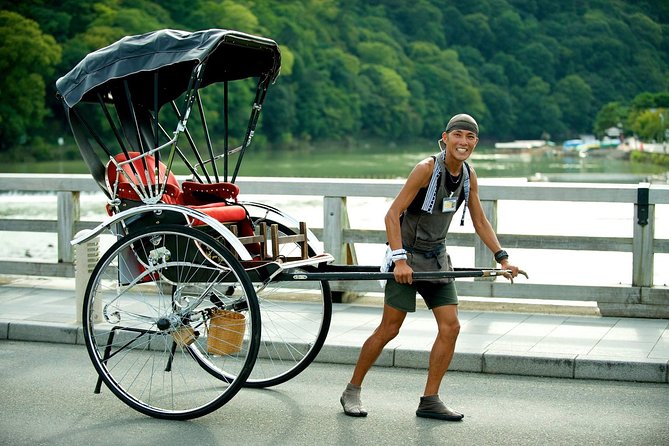
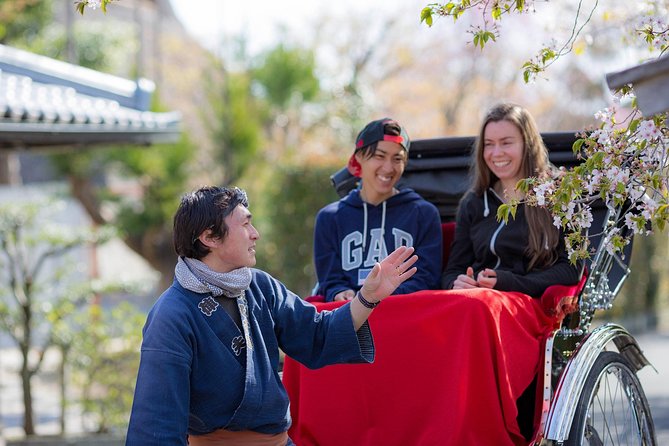
The driver is also your local guide, photographer, and interpreter of the route. The best part is often the small explanation that gives a street or shrine meaning. Guides have been praised for clear English, humor, local stories, and patience with questions. Names such as Fumi, Yoshi, Kanta, and Hina come up often in accounts of especially engaging rides, though assignments depend on availability.
Photo help is another practical advantage. Drivers can take pictures of you in the rickshaw and help frame shots against attractive streets or scenery. If photos matter to you, say so early and ask for a moment when the setting is right. The ride can pass through less crowded paths, but the exact route and conditions vary.
The guide’s work is physical as well as social. Reviews describe drivers pulling passengers uphill while explaining the area, and their fitness is part of what makes the trip possible. Still, the rickshaw is not a substitute for a full walking tour or a vehicle ride across Kyoto. It is a slower, closer way to explore a particular historic district.
Comfort, children, and practical limits
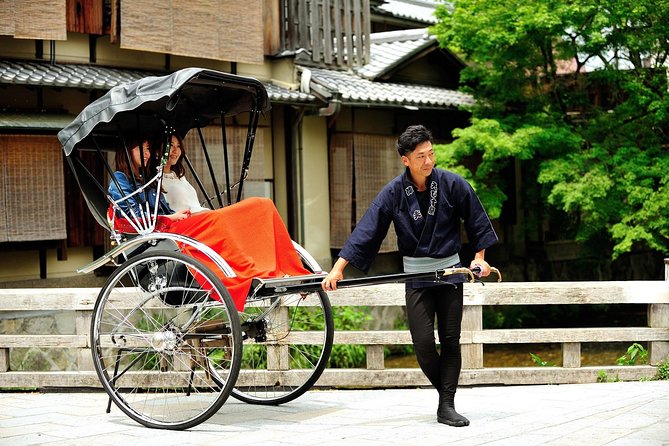
Each rickshaw is 74 centimeters wide. Two adults can ride together, but the narrow seat may not suit everyone, and the operator recommends booking one rickshaw per passenger if comfort is a concern. If two passengers do not fit comfortably in one vehicle but still want to tour at the same time, an additional rickshaw is required. Arrange that when booking: an extra English-speaking guide and vehicle may not be available at short notice.
Children aged six and older are charged the adult price. Children five and under may sit on an adult’s lap, with one child per adult. A child five or under who uses one of the two seats must be booked as an adult. The stated capacity is up to two adults in a rickshaw, with up to two young children riding on adults’ laps.
The tour runs rain or shine, so dress for the forecast and be ready for the weather during the ride. If poor weather forces the operator to cancel, you are offered another date or a full refund. For other cancellations, the stated policy allows a full refund when you cancel at least 24 hours before the start time.
Arrive on time. Any delay is deducted from your ride, and a delay of 10 minutes or more results in automatic cancellation. The meeting point is near public transportation, but hotel pickup and drop-off are not included. The activity ends back at the Higashiyama meeting point unless you arrange another finishing location, which may incur an extra fee.
Same city, a different side of it:
- Kyoto Geisha Walking Tour: Gion District & Hidden Gems
★ 4.7 · 3,273 reviews - Kyoto: Tea Ceremony Ju-An at Jotokuji Temple
★ 4.9 · 3,207 reviews - Kyoto: Gion Magical Night Walking Tour with Geisha Trivia
★ 4.9 · 2,393 reviews - Kyoto: 45-Minute Tea Ceremony Lesson Experience
★ 4.3 · 2,378 reviews
Price and what the ride includes
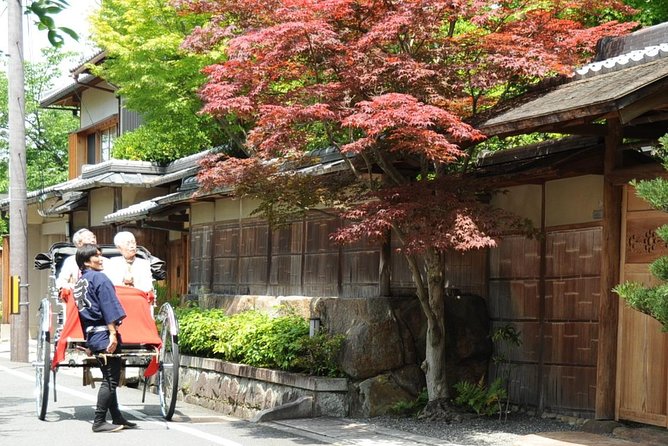
The listed price is $39.79 per person, with group discounts available. For that price, you get the rickshaw ride and an English-speaking local guide. Food, drinks, hotel transfers, and the Arashiyama bamboo forest are not included.
Value depends on duration and how much you want from your guide. A short ride can be a fun, low-effort way to get a first look at Gion. A longer booking costs more in time and likely in price, but gives you greater scope for stories, photos, and stops. For a group, private participation is useful: you can talk naturally and shape the outing around your interests without coordinating with strangers.
The tour is a particularly good fit if you want a guided introduction to Higashiyama, need a seated way to see more of the district, or enjoy a playful mode of transport with local context. It is less suitable if your main goal is to visit the Arashiyama bamboo forest, cover every landmark in a short time, or avoid a narrow seat.
Be precise about which branch you book. This voucher is valid only at the Kyoto Higashiyama branch, not Ebisuya’s Arashiyama branch. The bamboo forest is in Arashiyama and is not part of this tour.
Should you book the Kyoto rickshaw tour?
I would book this for a first look at Higashiyama and Gion, especially if walking long distances is not appealing or you want a guide to bring the streets to life. The ride adds a sense of occasion, and the drivers’ local explanations and photo help can make it more than a scenic transfer.
Choose a longer option if you have specific temples or stops in mind, and confirm what can fit before you start. Choose a short ride if you simply want the experience and a taste of old Kyoto. Before paying, check the 74-centimeter seat width, reserve separate rickshaws if needed, and remember that this ticket does not include Arashiyama. With those limits in mind, it is a distinctive way to see a small but memorable part of the city.
FAQ
Where does the tour start and finish?
It starts at Ebisuya Higashiyama Rickshaw, 483 Shimokawarachō, Higashiyama Ward, Kyoto. The activity ends back at the meeting point unless you arrange another finishing location, which may involve an extra fee.
How long is the rickshaw tour?
Tours run for about 30 minutes to three hours. The route depends on the duration you choose, and shorter options cannot cover every listed landmark.
Is the tour private?
Yes. Only your group participates.
Does this tour include the Arashiyama bamboo forest?
No. This tour is for the Higashiyama area and does not include the bamboo forest. The voucher is not valid at the Kyoto Arashiyama branch.
How many adults can ride in one rickshaw?
A rickshaw can fit up to two adults, but it is 74 centimeters wide. If you think two people may not be comfortable together, book individual rickshaws.
Can young children ride?
Children five and under may sit on an adult’s lap, with one child per adult. If a child uses one of the two seats, the child must be booked as an adult. Children aged six and older are charged the adult price.
Is the tour canceled in bad weather?
The tour runs rain or shine. If the operator cancels because of poor weather, you are offered a different date or a full refund.
What happens if I arrive late?
Your late arrival is deducted from the tour duration. A delay of 10 minutes or more results in automatic cancellation.
Newly added in Kyoto
- Uji: Private immersion into Kyoto’s tea and reglious culture★ 5.0 · 17 reviews
- Whisk Your Own Matcha: A Zen Matcha Experience at Temple★ 3.6 · 7 reviews
- Kyoto tea town for matcha lovers★ 5.0 · 16 reviews
- Treasures of Kyoto: Gion & historical Walking Tour★ 5.0 · 6 reviews
- Kyoto Matcha Green Tea Tour★ 4.5 · 23 reviews
- Uji and Wazuka Matcha Farm Half Day Private Guided Tour★ 5.0 · 21 reviews
- Uji Tea Ceremony and UNESCO Heritage Walking Tour★ 5.0 · 20 reviews
- Utilising upcycled Matcha! Creating matcha incense (Uji, Kyoto)★ 5.0 · 6 reviews
Kyoto Tours, compared.

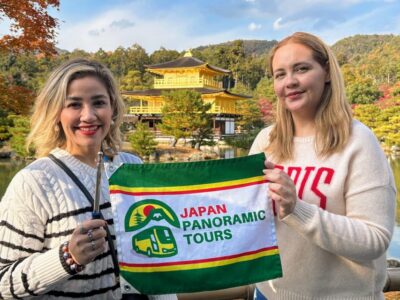
Fushimi Inari, Kinkakuji, Bamboo Grove 1 Day Bus Tour
Read our review →
Tea Ceremony in a Traditional Tea House in Kiyomizu
Read our review →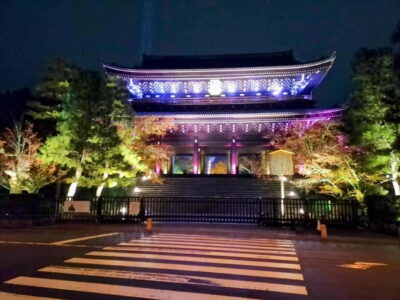
Kyoto Geisha Walking Tour: Gion District & Hidden Gems
Read our review →
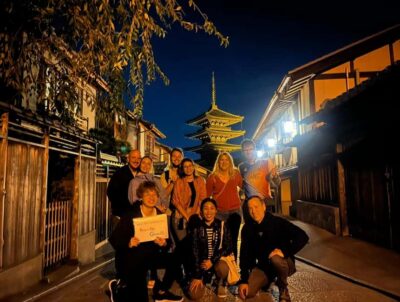
Gion Magical Night Walking Tour with Geisha Trivia
Read our review →