
Reviewed · KINKAKU-JI TOURS
Kyoto and Nara 2-Day Tour: Golden Pavilion, Todaiji, Deer Park
Kyoto’s gold-roofed Kinkakuji and Nara’s immense Todaiji Buddha Hall make an arresting pair, and this two-day tour connects them with bamboo paths, vermilion torii gates, old castle grounds and Gion’s traditional streets. You get a guided introduction to two former capitals without having to piece together every train ride and temple visit yourself.
I like two things in particular: the range of places gives you a strong first look at Kyoto and Nara, and a private guide can explain what you are seeing and help keep the schedule moving. Guides named for this tour include Naoko, Nick, Ryusuke and Tomoko Murai, with feedback highlighting clear explanations, patience, flexibility and a good sense of humor.
The trade-off is a packed schedule. Each stop gets roughly 40 to 90 minutes, so you will see many landmarks but have limited time to linger, browse or explore beyond the planned route. You also pay $321.93 per person, with meals and accommodation extra.
Key points
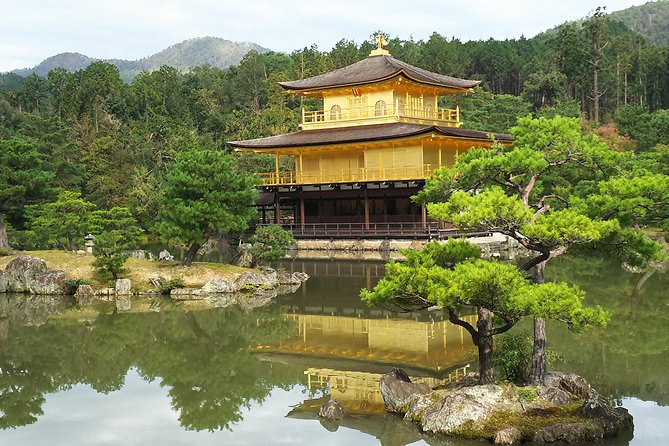
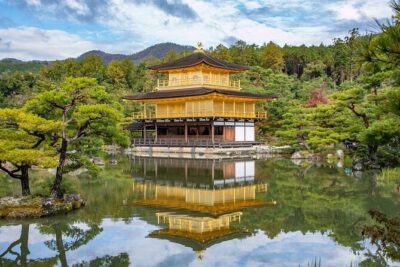
- Kinkakuji’s gold-leaf pavilion is a striking start, with 45 minutes set aside for the temple and its pond.
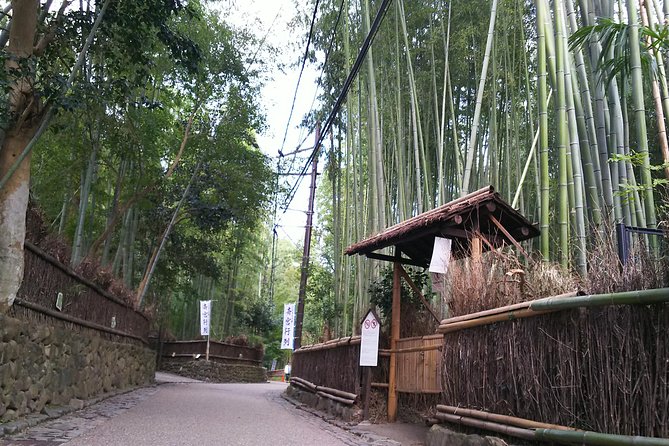
- Arashiyama’s bamboo path gives you time to walk through a famous grove and listen to the bamboo trunks and leaves.
- Gion and Nijo Castle add two different sides of Kyoto: traditional streets and the former shogun’s Kyoto residence.
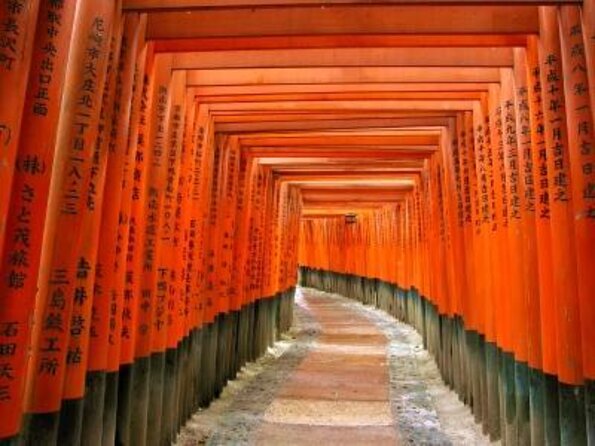
- Fushimi Inari’s torii gates bring a vivid early stop on day two, followed by the scale of Todaiji in Nara.
- Kasuga Grand Shrine is known for thousands of lanterns and more than a thousand branch shrines around Japan.
- The private format and included transit make this a guided overview for your group, not a large shared coach excursion.
Two days linking Kyoto and Nara
This tour is built around a practical idea: visit Kyoto’s best-known sights on the first day, then cross to Nara for major religious landmarks on the second. Both cities once served as Japan’s capital, and the route gives you a useful sense of how their religious, political and cultural stories differ.
The experience begins at Kyoto Station Building at 9:30 am and ends back at the meeting point. A guide accompanies you, and public transportation fare and admission fees are included. The tour is private, so only your group participates. That matters on a route with several stops, where it is helpful to ask questions or adjust the pace within the group.
The schedule is still brisk. You are not signing up for a slow temple retreat: you are covering multiple headline attractions in two days. I would see it as a well-organized orientation, especially if your stay is short or you prefer a guide to explain the sites rather than relying on signs and advance research.
More Golden Pavilion tours in Kyoto:
- Kyoto: Fushimi Inari, Kinkakuji, Bamboo Grove 1 Day Bus Tour
★ 4.8 · 4,316 reviews - Osaka/Kyoto:Kinkakuji,Arashiyama,FushimiInariShrine,NaraPark
★ 4.1 · 1,596 reviews - Kyoto: Nijo, Kinkaku-ji, Arashiyama, Kiyomizu & Fushimi Inari
★ 5.0 · 699 reviews
Kinkakuji and the gold reflected on water
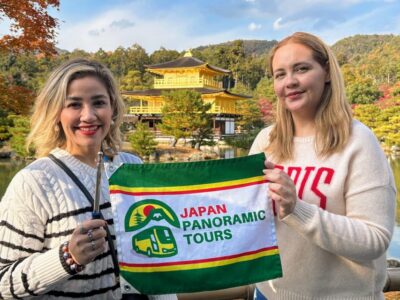
Kinkakuji, also called the Golden Pavilion, opens the first day. Its upper hall is covered with gold leaf, and the building’s reflection in the pond is central to the view. The temple is associated with samurai culture and was built by a shogun, making it a fitting introduction to Kyoto’s political past as well as its religious life.
You have 45 minutes here, and admission is included. That is enough for a focused visit and photographs, but not an invitation to wander at length. The guide can add context to the building and its setting, which helps make the stop more than a quick look at a famous gold façade.
Kinkakuji is one of Kyoto’s most recognizable sights, so expect the appeal to be visual and immediate. If you want quiet contemplation, a busy schedule and a popular landmark may not deliver much solitude. I would enjoy the view, listen to the explanation, and keep moving rather than expect a long, unhurried temple visit.
Arashiyama’s bamboo, then Nijo Castle
The bamboo stop is listed as Bamboo Forest Street, and the visit lasts an hour and a half. The appeal is simple: walk among tall bamboo, pause, and pay attention to the soft sound of trunks and leaves shifting against one another. It is a change of pace from the pavilion and its formal architecture.
The grove is famous, which is both its draw and its limitation. You are visiting a well-known place, not an undiscovered patch of countryside. The time allowed gives you room to walk through the area, but the tour does not specify how much of that time is spent in the grove itself or on nearby streets. Use the guide’s local direction to make the most of the stop.
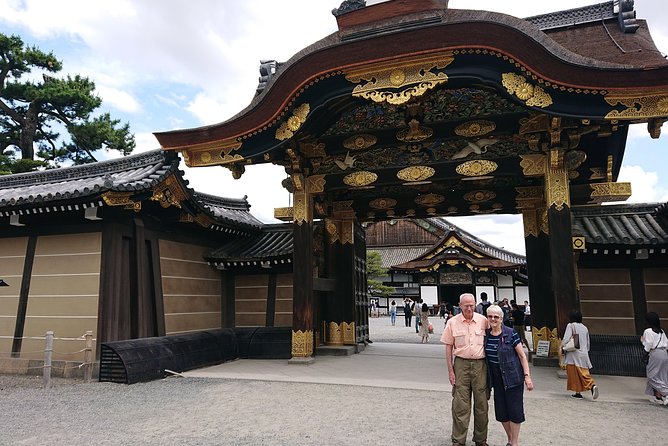
Nijo Castle brings you back to Kyoto’s political history. Built as a residence for the shogun when he visited Kyoto after moving the shogunate to Edo, present-day Tokyo, the castle has more than 1,000 gorgeously decorated rooms, according to the tour description. The visit lasts 50 minutes, with admission included.
The short stop means you will get an introduction rather than inspect every room or detail. Still, the castle provides a useful contrast with Kyoto’s temples: here, power was expressed through a shogun’s residence and its elaborate interiors. I like that the day pairs a natural setting with a major historical site instead of giving you one temple after another.
Gion’s old streets and geisha culture
The first day ends with a 40-minute walk through Gion, Kyoto’s largest of five kagai, or geisha districts. The area is known for traditional-style houses and its place in geisha culture. Your guide can explain the role this district plays in Kyoto’s traditions and help you read the streets with more context.
This is a short introduction, not a performance or a guaranteed chance to see a geisha. The tour promises a stroll through the district, so the best expectation is to notice the older architecture and learn why Gion matters. Be respectful in the streets and treat the neighborhood as a lived-in place, not a stage set.
More Nara trips in Kyoto:
- World Heritage Kyoto & Nara Uji Authentic Matcha Experience
★ 5.0 · 1,573 reviews - Kyoto/Osaka: Nara, Fushimi Inari Taisha, Arashiyama Bus Tour
★ 4.7 · 1,275 reviews - Nara Half Day Trip Walking Tour (Private Option Available)
★ 5.0 · 937 reviews - Osaka/Kyoto: Arashiyama, Nara & Fushimi Inari Shrine w/Lunch
★ 4.4 · 754 reviews
Fushimi Inari’s tunnel of red gates
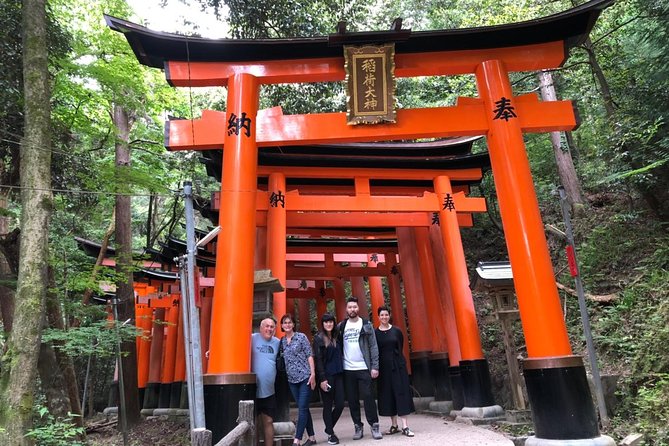
Day two begins at Fushimi Inari-taisha Shrine, where thousands of vermilion torii gates form the famous passageways. Worshippers donated the gates in gratitude for good fortune received from the deity, giving the striking rows a personal and devotional meaning as well as a strong visual impact.
The scheduled visit is 45 minutes. That is a compact look at a site whose paths extend far beyond a quick stop, so you will not have time to explore every route. The guide can help you understand what the gates represent and make the most of the section included in the visit.
The color and scale make this one of the most memorable stops for many people, but it can also be a busy place. Keep your expectations aligned with the schedule: this is a guided visit, not a long hike through the shrine grounds.
Todaiji and Nara’s deer
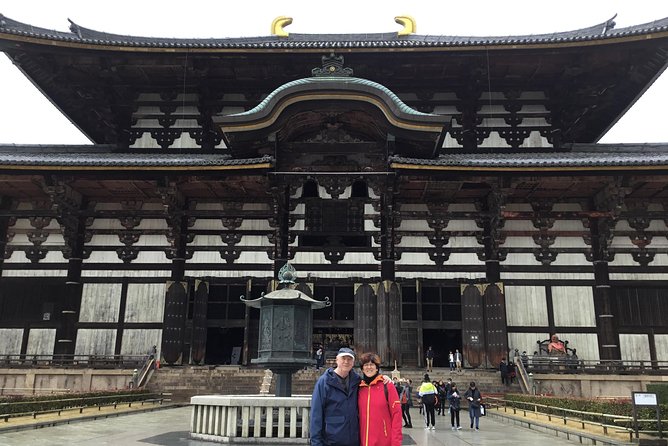
In Nara, Todaiji’s Buddha Hall is the central stop. The building is renowned as one of the world’s largest wooden structures, and its scale is meant to be felt as you enter the corridor and approach the hall. Admission is included, and the visit lasts 50 minutes.
The size is the point, but the guide’s explanation gives the building more meaning than its dimensions alone. The description also refers to cleansing your hands and mouth at a purifying trough before entering. That small ritual offers a practical reminder that a temple visit is not only about looking at architecture; it also involves customs and respect.
The tour’s name highlights Nara’s deer, and the city’s deer are part of its appeal. A past description of the experience specifically calls out Nara’s beautiful deer as a must-see. The itinerary does not assign a separate duration to a deer-park stop, so I would not count on an extended visit with the animals. Treat any time with them as part of the Nara day, rather than the tour’s sole focus.
Kasuga Grand Shrine and its lanterns
Kasuga Grand Shrine closes the listed itinerary. Founded around 1,300 years ago, it has more than 1,000 branch shrines across Japan and more than 3,000 lanterns on its grounds. The vermilion shrine and its lanterns give you another perspective on the religious life of the old capital.
You have 40 minutes, and admission is listed as free. That is enough for a concise visit and an explanation of the shrine’s role, but not for a lengthy exploration of every lantern or surrounding area. In combination with Todaiji, the stop helps round out Nara’s story: the day is not just a large temple and deer, but also a major shrine with a long reach across Japan.
What the guide adds to the price
At $321.93 per person, this is not a budget sightseeing option. The price includes the guide’s fare, public transportation fare and admission fees. Food, drinks and accommodation are not included, so you will need to budget separately for meals and your stay.
The value lies in the combination of private guiding and a complicated two-day route. You are covering six stops in Kyoto and Nara, including several major sites, and the guide can explain cultural and historical details along the way. The tour also saves you from coordinating each connection and admission on your own. If you would rather research the route independently and move at your own pace, you may prefer to arrange the visits yourself.
Guides named for this experience include Naoko, Nick, Ryusuke and Tomoko Murai. Naoko is associated with detailed explanations, careful organization and humor; Nick with patience and flexibility; Ryusuke with clear historical context; and Tomoko with an expert, warm manner. Those strengths matter on a schedule like this, where a capable guide can make transitions and short visits feel more purposeful.
The tour is booked an average of 54 days in advance, so it is sensible to plan ahead if the dates matter to you. A mobile ticket is offered, and confirmation is received at booking. The experience requires moderate physical fitness and is near public transportation. It requires good weather; if poor weather cancels the tour, you are offered another date or a full refund.
Who should choose this tour
I would recommend this tour if you have two days for Kyoto and Nara, want to see the major landmarks, and value context from a guide. It suits visitors who like a clear plan and do not mind moving on after a short visit. The private format is especially useful if your group wants to ask questions and share the experience without strangers joining.
It is less suitable if your priority is slow travel, long museum visits, extended time in the bamboo grove, or a full exploration of Fushimi Inari’s paths. The schedule gives you breadth rather than depth. Families and anyone with mobility concerns should also weigh the stated moderate fitness level against the walking involved across several sights.
Book it if you want a guided first look at two former capitals and appreciate having transport and admissions handled within the tour price. Skip it if independent wandering is more important than covering the highlights. The best reason to choose it is the combination: Kyoto’s gold pavilion, bamboo and Gion on one day, then Nara’s great temple, shrine and deer on the next.
FAQ
How long is the tour?
It lasts approximately two days, with visits scheduled across Kyoto on day one and Nara on day two.
Where does the tour start?
It starts at Kyoto Station Building, at 901 Higashishiokōjichō, Shimogyo Ward, Kyoto.
What time does the tour start?
The stated start time is 9:30 am.
Where does the tour end?
The activity ends back at the meeting point.
Is this a private tour?
Yes. Only your group participates.
What is included in the price?
The guide’s fare, public transportation fare and admission fees are included.
Are meals and accommodation included?
No. Food, drinks and accommodation are not included.
How much does the tour cost?
The listed price is $321.93 per person.
Does the tour include Nara’s deer?
The tour is titled as including Deer Park, and its description highlights Nara’s deer. The itinerary does not give a separate duration for a deer-park stop.
What happens if bad weather cancels the tour?
You will be offered a different date or a full refund if the experience is canceled due to poor weather.
More 2-Day Experiences in Kyoto
- Kyoto’s Top City Highlights: 2-Day Private Tour Experience
★ 5.0 · 7 reviews
Newly added in Kyoto
- Uji: Private immersion into Kyoto’s tea and reglious culture★ 5.0 · 17 reviews
- Whisk Your Own Matcha: A Zen Matcha Experience at Temple★ 3.6 · 7 reviews
- Kyoto tea town for matcha lovers★ 5.0 · 16 reviews
- Treasures of Kyoto: Gion & historical Walking Tour★ 5.0 · 6 reviews
- Kyoto Matcha Green Tea Tour★ 4.5 · 23 reviews
- Uji and Wazuka Matcha Farm Half Day Private Guided Tour★ 5.0 · 21 reviews
- Slow Cycling Tour at Uji’s Matcha Green Tea Fields and Heritage★ 5.0 · 25 reviews
- Uji Tea Ceremony and UNESCO Heritage Walking Tour★ 5.0 · 20 reviews
Kinkaku-ji Tours, compared.
Fushimi Inari, Kinkakuji, Bamboo Grove 1 Day Bus Tour
Read our review →
Kinkakuji,Arashiyama,FushimiInariShrine,NaraPark
Read our review →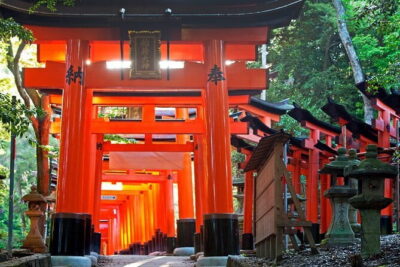
Nijo, Kinkaku-ji, Arashiyama, Kiyomizu & Fushimi Inari
Read our review →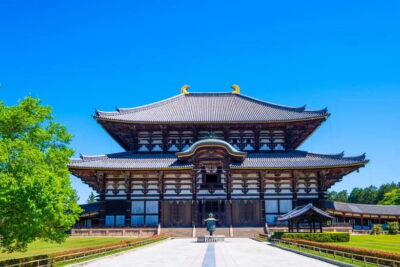
Kyoto top must-see Golden pavilion and Bamboo forest half-day Private tour
Read our review →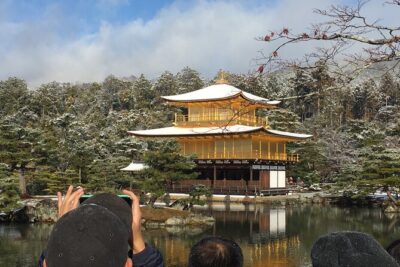
Kyoto Bamboo Forest & Golden Pavilion E-Bike Tour
Read our review →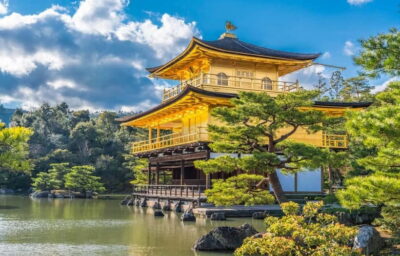
Browse the lists this tour appears in