Reviewed · KYOTO TOURS
Let’s make only one original onigawara in the world
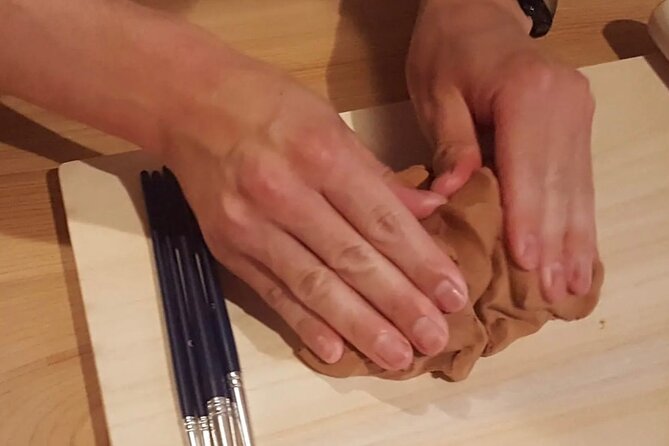
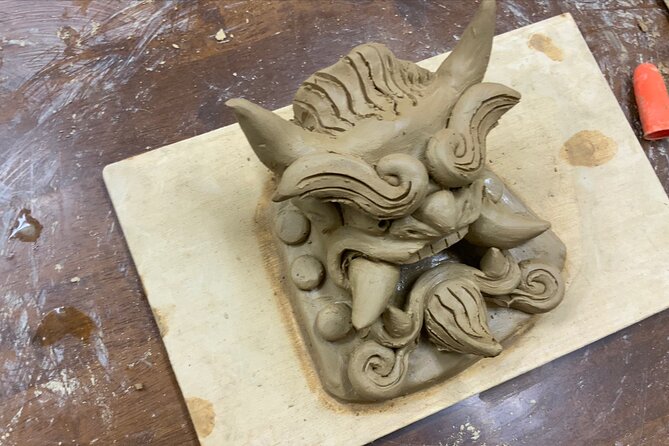
Kyoto’s rooflines hide a practical piece of folklore: the fierce faces called onigawara, traditionally set at roof ends to guard buildings from evil and rain. In this small workshop, artisan Yuya shows you how to shape one from clay, turning a roof ornament you might otherwise pass without noticing into a personal keepsake.
I like two things in particular: the step-by-step method makes a complicated-looking sculpture manageable for beginners, and the finished piece is fired and sent to your home rather than handed over as fragile wet clay. One consideration: shipping is extra, and the wait for the finished tile can stretch for weeks while it dries and is fired.
At a glance
- Make a traditional roof guardian: Shape a small demon-faced tile and give its features your own character.
- Learn what it is for: Onigawara were used on Japanese roofs to ward off evil and rainwater.
- Get close instruction: Standard classes are limited to five people, with Yuya guiding each step.
- Expect a delayed souvenir: Your tile is kiln-fired after the workshop and shipped to your home. Shipping is not included.
- Plan for clay and time: Wear clothes that can get dirty. The session is listed at about two hours, though some participants have taken closer to three.
- A creative break in Kyoto: At $89.17 per person, this is a hands-on cultural activity rather than a quick demonstration or a shop purchase.
Meet the guardian on Kyoto’s rooftops
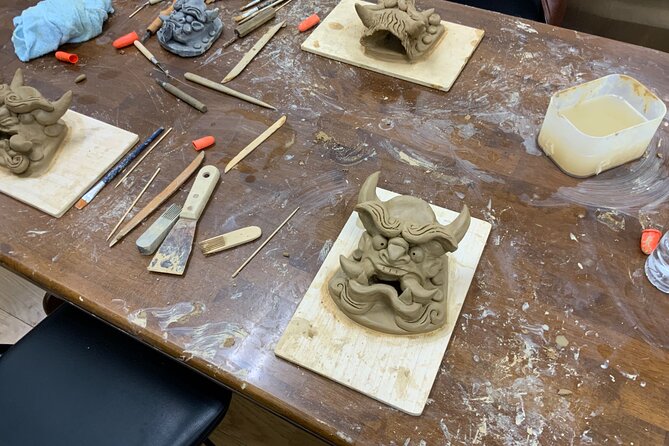
An onigawara is a decorative roof tile, often shaped with a fierce ogre face or a gargoyle-like expression. Traditionally placed at the ends of a building’s main roof ridge, these figures were believed to protect the structure from evil. Their tile form also had a practical role in managing rainwater.
That double purpose makes the workshop more interesting than a generic pottery class. You are not just shaping a creature because it looks fun. You are working with a traditional architectural form and learning why that face appears on Japanese buildings, especially temples.
The subject also suits a handmade souvenir. Onigawara have a recognizable shape, but there is room for personal expression in the face and features. The workshop’s process uses a set of manageable stages, while the way you shape the pieces gives your own tile its individual look.
More Kyoto tours in Kyoto:
- PERFECT KYOTO 1-Day Bus Tour
★ 5.0 · 13,518 reviews - Kyoto: Fushimi Inari, Kinkakuji, Bamboo Grove 1 Day Bus Tour
★ 4.8 · 4,316 reviews - Kyoto: Tea Ceremony in a Traditional Tea House in Kiyomizu
★ 4.9 · 3,519 reviews
From lump of clay to small oni
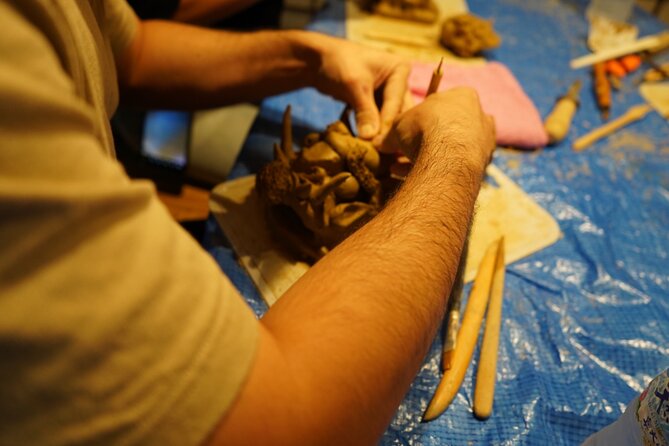
At the Kyoto studio, Yuya demonstrates how to build a simple onigawara from clay. The finished form may look like a challenge if you have never sculpted before, but the method breaks it into clear steps. You shape parts of the figure and bring them together, with Yuya showing you the techniques along the way.
This is a useful format for beginners and for anyone who thinks their hands are better at holding a map than shaping clay. The goal is not to copy a flawless display model. It is to make your own demon guardian, with the instructor helping you get the parts to work together.
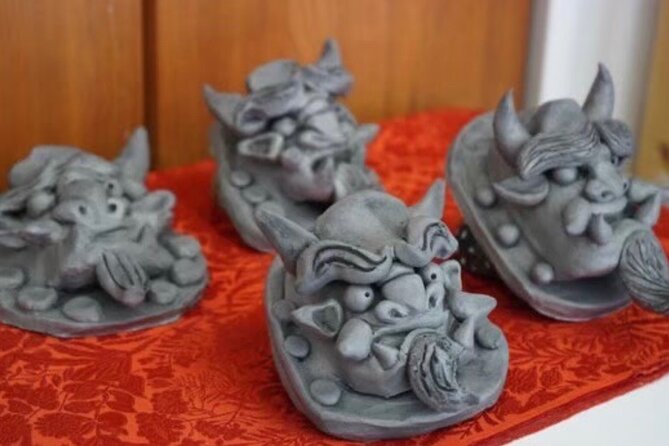
The results can differ widely even when everyone follows the same basic method. A family or small group may end up with a collection of distinct faces and shapes, each reflecting the maker’s choices and skill. That variety is part of the appeal: the souvenir is personal because you made it, not because you selected a different color from a shelf.
Yuya’s teaching style is a strong part of the experience. He demonstrates each stage, gives clear instructions, and offers help when a feature needs adjusting. English instructions are described as clear, though casual conversation may be more limited at times. If you have a question, ask as you work. The workshop is hands-on, and guidance is part of the process.
A small class, with room for larger groups
The standard workshop is limited to five people, which gives Yuya space to pay attention to individual pieces. That smaller setting can be especially useful when you are shaping a difficult feature or want to adapt the design. Some sessions may have fewer people, while groups of five or more can be accepted by arrangement.
Larger groups of up to 40 are also possible, but the location changes for group bookings. If you are organizing a family gathering, school group, or activity with friends, check the arrangements before setting your plans. The usual studio address may not be the meeting place for a larger booking.
The workshop is suitable for people without clay experience, and children and teenagers can take part. The instructions are broken into accessible steps, but the activity still asks you to pay attention and work with your hands. One participant described a class of six that moved quickly and took close to three hours, so treat the two-hour duration as approximate rather than a hard stop.
What happens after your tile is shaped
Once you finish shaping the onigawara, the work is not quite done. Yuya fires it in a kiln at the factory, and the finished piece is sent to your home. This means you can create a larger ceramic keepsake without carrying an unfired sculpture through the rest of your Japan trip.
There is a trade-off: you will not leave with the finished tile on the day. Clay needs time to dry before firing, and the process can take several weeks. One person reported waiting about a month for the piece to be ready and shipped. Allow for a delay, and do not plan to use the tile as an immediate souvenir to pack in your suitcase.
Shipping is not covered by the $89.17 workshop price. The final cost depends on the shipment, and one participant noted paying in cash at the end of class. Ask Yuya about the shipping charge before you begin if you need to budget closely. The extra fee is worth weighing against the convenience of having a fired ceramic piece sent home, especially if you are traveling with limited luggage space.
Same city, a different side of it:
- Kyoto Geisha Walking Tour: Gion District & Hidden Gems
★ 4.7 · 3,273 reviews - Kyoto: Tea Ceremony Ju-An at Jotokuji Temple
★ 4.9 · 3,207 reviews - Kyoto: Gion Magical Night Walking Tour with Geisha Trivia
★ 4.9 · 2,393 reviews - Kyoto: 45-Minute Tea Ceremony Lesson Experience
★ 4.3 · 2,378 reviews
What to wear and bring
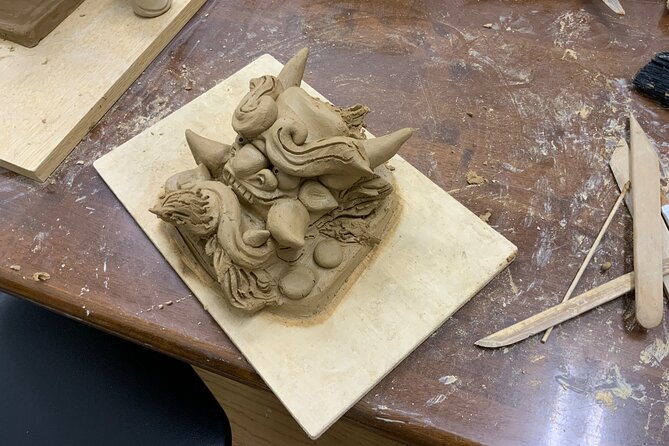
Clay is part of the fun, but it can also end up on your clothes. Wear something you do not mind getting dirty. An apron is not included, so bring one if you prefer to keep your clothes clean. Bottled water is included.
The workshop takes place at 瓦工房 You家 kawarakoubouyouya, at 373-2 Yamazakichō, Higashiyama Ward, Kyoto. It ends back at the meeting point. The location is near public transportation, and mobile tickets are accepted.
You do not need to bring pottery experience. The class is built for beginners, and the instructor demonstrates the steps. Still, allow some time and patience for the process. If your first attempt at a face looks lopsided, that is not a reason to give up. The pieces are shaped by hand, and the finished creature often comes together as you add its features.
Is $89.17 a fair price?
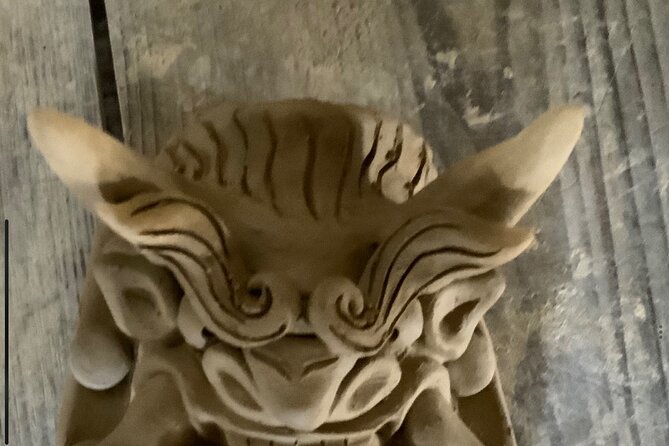
At $89.17 per person, this is not the cheapest way to spend two hours in Kyoto. The value lies in the combination of making something yourself, learning about a traditional roof ornament, and having your ceramic work fired and shipped. You are paying for guided instruction and a finished, individual object, not merely access to clay and tools.
The price makes the most sense if you value creative activities and want a souvenir with a story attached. It may feel less worthwhile if you want an inexpensive class, need to leave Kyoto with the object in hand, or would rather spend your time visiting temples and historic sites. Remember to add shipping to your budget, since it is separate.
There may be group discounts, and the experience offers a special opening discount, but the listed price is the figure to use when comparing options. Check the current terms when booking, particularly if you are arranging a larger group.
Who will enjoy making an onigawara?
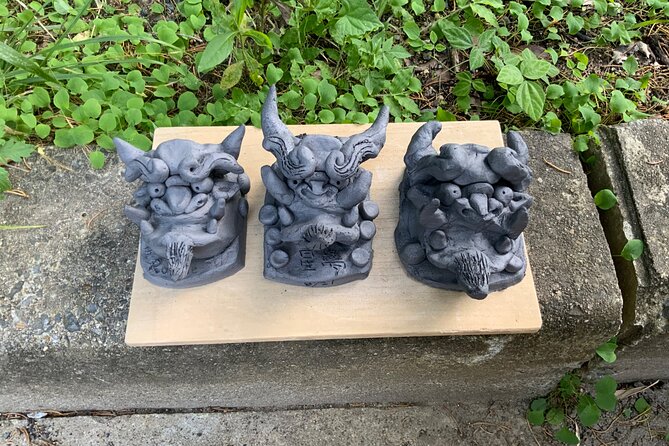
This is a good fit for families with artistic children, teenagers, couples, and solo visitors who want a break from walking around the city. It also works for beginners who are curious about ceramics but do not want to commit to a long course. The method is structured enough to give you direction, while the final form still feels like your own.
You do not need to be naturally artistic. The instructor makes the task approachable, and the class is designed to help you complete a small figure in the time available. If you are experienced with clay, you may enjoy adapting the design; if you are new to it, you can follow the demonstrated steps and ask for help.
The main limitation is the pace. Two hours is approximate, and a few people may need longer to finish. If your Kyoto day is tightly scheduled, leave a buffer rather than planning another timed activity immediately afterward. The delayed shipping also means the reward comes later, not at the end of class.
Should you book this Kyoto workshop?
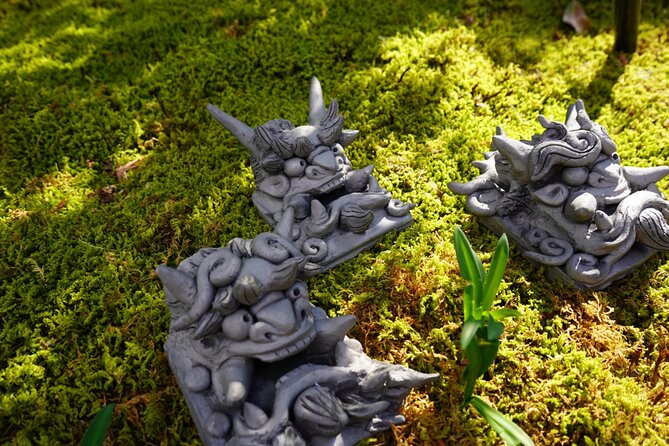
Book it if you want to make something with your hands, enjoy learning the meaning behind a traditional object, and can wait for your finished tile to arrive at home. Yuya’s patient, step-by-step teaching and the intimate class size make the activity approachable even if you have never worked with clay.
Skip it if you need a finished souvenir on the same day, dislike getting messy, or have no room in your budget for separate shipping. For everyone else, this is a distinctive way to spend part of a Kyoto visit: you leave with clay under your fingers, a better eye for the city’s roof details, and a small guardian shaped in your own style.
FAQ
How long does the workshop take?
The approximate duration is two hours. The time can vary, and some sessions have taken closer to three hours.
What is an onigawara?
It is a traditional Japanese roof tile, often shaped with an ogre or gargoyle-like face. It was used to protect buildings from evil and rainwater.
Who teaches the workshop?
The instructor is Yuya, an onigawara artisan who demonstrates the shaping steps and helps participants as they work.
Do I need pottery experience?
No. The activity is designed for beginners, with the process broken into simple steps.
How many people are in a standard class?
The maximum for a standard workshop is five people.
Can a larger group book?
Groups of five or more are accepted, and groups can be as large as 40. The location changes for group bookings.
Is the finished tile ready to take home after class?
No. The tile is fired after the workshop and then shipped to your home.
Is shipping included in the price?
No. Shipping costs are separate from the experience fee.
What should I wear?
Wear clothes that may get dirty because the workshop uses clay. An apron is not included.
Where does the workshop start and end?
It starts at 瓦工房 You家 kawarakoubouyouya, 373-2 Yamazakichō, Higashiyama Ward, Kyoto, and ends back at the meeting point.
Newly added in Kyoto
- Uji: Private immersion into Kyoto’s tea and reglious culture★ 5.0 · 17 reviews
- Whisk Your Own Matcha: A Zen Matcha Experience at Temple★ 3.6 · 7 reviews
- Kyoto tea town for matcha lovers★ 5.0 · 16 reviews
- Treasures of Kyoto: Gion & historical Walking Tour★ 5.0 · 6 reviews
- Kyoto Matcha Green Tea Tour★ 4.5 · 23 reviews
- Uji and Wazuka Matcha Farm Half Day Private Guided Tour★ 5.0 · 21 reviews
- Uji Tea Ceremony and UNESCO Heritage Walking Tour★ 5.0 · 20 reviews
- Utilising upcycled Matcha! Creating matcha incense (Uji, Kyoto)★ 5.0 · 6 reviews
Kyoto Tours, compared.


Fushimi Inari, Kinkakuji, Bamboo Grove 1 Day Bus Tour
Read our review →
Tea Ceremony in a Traditional Tea House in Kiyomizu
Read our review →
Kyoto Geisha Walking Tour: Gion District & Hidden Gems
Read our review →

Gion Magical Night Walking Tour with Geisha Trivia
Read our review →