

Reviewed · KYOTO PRIVATE TOURS
Private Custom Tour: Kyoto in One Day
Kyoto’s temples and shrines are spread across a city that can be tricky to navigate when you have only a day. This private custom tour lets you choose the sights, while a guide helps connect them into a workable route. I like that you can focus on places such as Fushimi Inari or Kiyomizu-dera instead of following a fixed group itinerary, and that the guide can handle buses and trains as you go.
I also like the chance to fit local food or shopping into the day, rather than treating Kyoto as a string of temple entrances. One thing to weigh: guide quality and the amount of historical explanation can vary, and you may need to pay admission fees and extra activity costs separately.
- Choose the pace and focus: Plan for around four or five places on a full day, or two or three on a half day.
- Get practical help with transit: Public transportation is the usual way to move between sights, with fares included in that option.
- Make room for local stops: Ask about food, shopping, sake, or an additional activity such as a tea ceremony.
- Expect some walking: Comfortable shoes matter, especially if you want to cover several sites.
- Check what is included: Some entrance fees and all additional activity fees are not included.
A Kyoto Day Built Around Your Interests
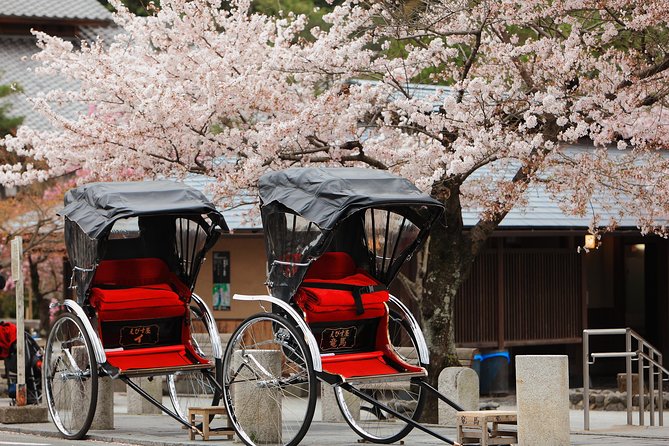
The main advantage here is not simply having a guide. It is being able to shape the day around what matters to you, then let someone familiar with Kyoto work out how much fits. You can ask for major temples, a shrine, a historic castle, food stops, or a mix.
The listed sights include Kinkaku-ji, Nijo Castle, Fushimi Inari-taisha, Tenryu-ji, and Kiyomizu-dera. These are suggestions rather than a promise to visit every stop. The tour description recommends four or five places for a full day and two or three for a half day, so arrive with priorities. A long wish list is useful, but your guide may need to help you choose.
This works especially well for a first visit. Kyoto’s landmarks are not all in one compact historic center, and a guide can help you avoid spending too much of the day figuring out which train or bus to take. Past guides named in customer accounts include Oki, Katsuko, Yoko, Juraj, Lulu, and Rebecca. The experience depends on who leads your tour, so share the kind of help you want: a strong focus on history, practical navigation, local food, or a little of each.
Choosing Between a Half Day and a Full Day
The tour lasts about eight hours in its full-day form, and a shorter half-day option is also available. Choose the longer version if you want to combine several major sights or add time for lunch, a market, or another interest. A half day can make sense if you have limited energy, a fixed afternoon plan, or only a couple of places you care about most.
A full day is not automatically better. One customer felt a half day would have been enough, while others valued the chance to visit four sites without feeling rushed. Your best length depends on your appetite for walking and how much time you want inside each place. Temples and shrines reward a slower visit, but covering multiple districts means balancing quiet exploration against time spent getting around.
Before the tour, tell the provider which places matter most. That gives your guide a chance to suggest a realistic sequence and flag possible trade-offs. A traveler who wanted gardens, for example, planned ahead with the guide and built the day around those interests. Treat the itinerary as a conversation, not a checklist to complete at all costs.
More private and custom tours in Kyoto:
- Kyoto 6hr Private Tour with Government-Licensed Guide
★ 5.0 · 1,369 reviews - 10 Must-see Spots in Kyoto One Day Private Tour (up to 7 people)
★ 5.0 · 1,108 reviews - Kyoto 4hr Private Tour with Government-Licensed Guide
★ 5.0 · 629 reviews
Fushimi Inari’s Gates and Forest Paths
Fushimi Inari-taisha is one of Kyoto’s most recognizable sights, known for the rows of red torii gates that frame paths up a wooded mountain. The setting changes as you walk: the gates create a vivid corridor, while smaller shrines and forested stretches offer a quieter feel away from the busiest sections.
The listed stop is about an hour, which is enough for an introduction and a walk among the gates, but not necessarily an extensive hike. If you want to go farther up the mountain, say so when planning the day and be prepared for more walking. Some guides have taken visitors along less obvious paths with smaller shrines, but the precise route depends on your guide and available time.
This site is a strong choice if you want a visual contrast with Kyoto’s formal temple gardens. It is also popular, so an early start may help with photographs and a calmer first look. One visitor specifically valued arriving before the crowds. Ask your guide whether the timing of your day can accommodate that.
Kinkaku-ji’s Gold Pavilion and Garden
Kinkaku-ji, often called the Golden Pavilion, is a striking temple complex centered on a pavilion covered in gold leaf and set beside a pond and garden. The first view is a classic Kyoto scene, but the visit is more of a garden route than an open-ended wander through a large interior. The recommended stop lasts about an hour.
Admission is not included in the stated tour inclusions, so budget for it separately. The same is true at several other temples and historic sites. If Kinkaku-ji is a must for you, mention it early, since its location needs to be considered alongside the rest of the day’s route.
This stop suits visitors who want a famous Kyoto image and a carefully composed garden setting. If you prefer smaller, less-visited places, ask the guide about alternatives that fit your interests. The point of a custom tour is not to collect the most famous names, but to spend your limited time where you will get the most out of it.
Nijo Castle and the Tokugawa Shoguns
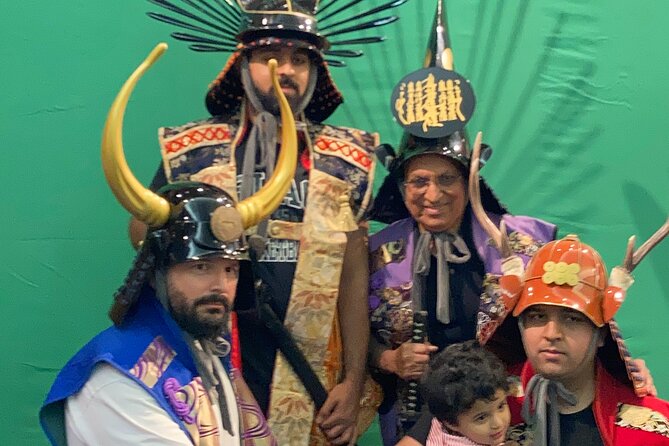
Nijo Castle offers a change of scale and subject. It was built in the 17th century and served as a residence for Tokugawa shoguns for nearly 300 years. Instead of shrine rituals or garden views, you get a look at political power and the world of the samurai.
The suggested visit is around an hour, with admission not included. It is worth choosing if you are interested in Japanese history beyond temples and religious traditions. One guide description frames the experience around imagining samurai moving through the castle, a useful way to make the setting feel less like a sequence of rooms and walls.
Ask your guide for context as you go. The quality of interpretation matters here: some customers have valued detailed explanations, while others wanted more than the information on a brochure. If history is a priority, say so in advance and ask for a guide who can provide the depth you want.
More private tours in Kyoto:
- Fushimi Inari Hidden Hiking Tour (Private Option Available)
★ 5.0 · 1,750 reviews - Private Kyoto Tour with a Local, Highlights & Hidden Gems, Personalised
★ 5.0 · 1,543 reviews - Nara Half Day Trip Walking Tour (Private Option Available)
★ 5.0 · 937 reviews - Kyoto: Private Tour with Local Licensed Guide
★ 4.8 · 463 reviews
Kiyomizu-dera and the Old Streets Nearby
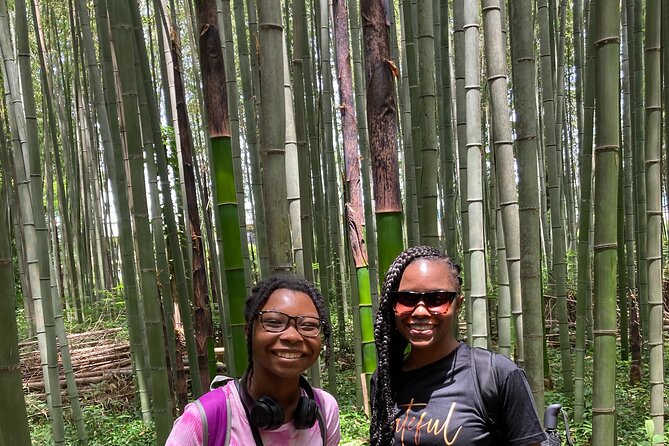
Kiyomizu-dera is a World Heritage site perched on a hillside, with a celebrated temple setting and views over the surrounding area. The itinerary gives it about an hour, but the approach and surrounding streets can add interest if your schedule allows. One guide-led outing combined the temple with preserved lanes such as Sannenzaka and Ninenzaka, as well as nearby shopping.
The temple is a good choice if you want a major historic site with a strong sense of place. It also involves walking, including sloped or uneven sections around the area, so take the tour’s moderate walking level seriously. Comfortable shoes are not a fussy suggestion here; they are part of making the day pleasant.
You may want to pair Kiyomizu-dera with a food or shopping stop rather than rush straight to another distant temple. Guides have helped visitors find local sweets, restaurants, and preserved streets. Those small choices can give a day more texture than another quick photo stop.
Tenryu-ji, Gardens, and Other Interests
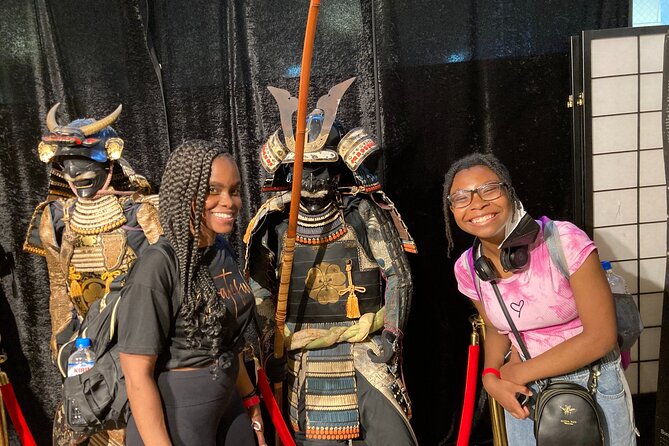
Tenryu-ji is another World Heritage site, known for its strolling garden and pond. The suggested visit is an hour, and it can appeal to anyone who wants time among landscaped grounds as well as temple architecture. As with Kinkaku-ji and Kiyomizu-dera, admission is not included in the stated tour details.
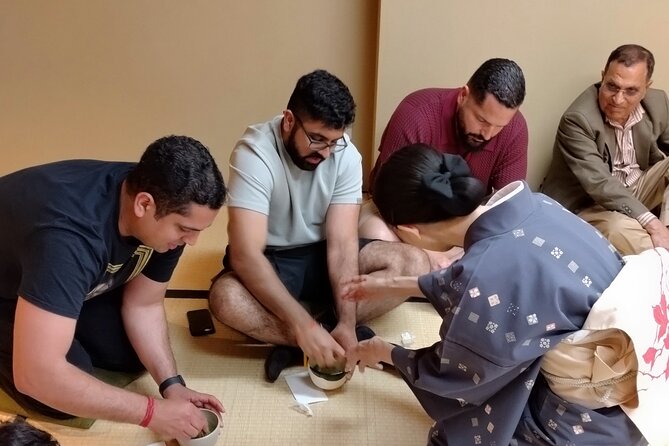
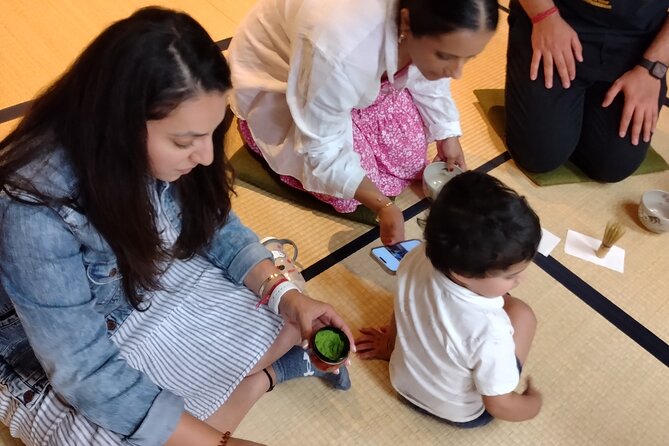
The custom format can also go beyond the five suggested stops. Depending on your interests, you can ask about shopping, a sake brewery visit and tasting, or a local restaurant. Tea ceremony, calligraphy, and aikido can be added at extra cost. A bike ride through Kyoto’s back streets is another possible add-on, also at additional expense.
These extras are not included automatically, so clarify the cost and timing before you settle on a plan. If you want a sake stop or workshop, the day may need fewer major temples. That is a worthwhile trade if you would rather experience one activity properly than hurry through a longer list.
Getting Around Without Losing the Day
The tour includes hotel pickup and drop-off within Kyoto city, and the guide typically uses public transportation. The listed inclusions say public transport fares are covered. A private vehicle is available only if that option is selected, and the tour details also clarify that private car service is not part of the standard public-transport arrangement. Check the option you are booking rather than assuming a car is included.
Travel by bus, train, and subway is part of the experience, not just a way to get from one landmark to another. Several customers valued having someone handle the transfers and explain how the system works. That help can be especially useful on your first day, when every route and station is unfamiliar. It may also leave you more confident to explore on your own afterward.
The trade-off is that public transport and walking take time. A busy itinerary can involve several different modes of transport and a fair amount on foot. If you have mobility concerns or simply prefer a slower day, discuss that before confirming the route.
What the Price Covers, and What It Does Not
The listed price is $181.69 per person. For a private tour, the value comes from personal planning, a guide’s time, and help coordinating transport and stops, rather than from admission to every site. The tour includes a professional English-speaking guide, hotel pickup and drop-off in Kyoto city, and transportation fares when using public transport. The full-day option includes lunch and a drink.
Admission fees are not all included, and extra activities cost more. That can affect the final price, especially if you visit several paid temples or book a tea ceremony or workshop. Check the costs for your chosen sites and add-ons when planning, rather than treating the per-person tour price as an all-in total.
The full-day lunch is described as a meal at a local Japanese restaurant. Guide-led outings have included recommendations for ramen, sushi, tonkatsu, and other local food, though the exact restaurant depends on the route. Food can be a welcome pause in a day of sightseeing, and a guide may help you find a place that fits your tastes.
The Guide Makes the Difference
A good guide can turn a complicated day into an easy one: setting a sensible order, helping with transit, answering questions, and giving context that signs alone cannot provide. Several guides named by customers, including Oki, Katsuko, Yoko, and Juraj, were praised for flexibility, clear explanations, and a personal approach. Some also helped with translation, shopping, photography, or recommendations for the rest of a stay.
But the experience is not guaranteed to be the same every time. A few customers found that a guide spoke too softly or gave only brief explanations, while others felt the English or historical detail did not meet their expectations. If you want substantial discussion of Buddhist and Shinto traditions, architecture, or political history, explain that before the tour and ask how the guide can meet that need.
The most useful preparation is a short list: your top sights, your pace, and what you want to learn. Leave room for the guide’s suggestions, too. One traveler’s advice was to have a plan but trust a local guide’s ideas, a sensible balance for a day that needs both direction and flexibility.
Should You Book This Kyoto Tour?
Book this tour if you want a private introduction to Kyoto, value help with transit, and would rather build a day around your interests than join a fixed group route. It is particularly useful for a first visit or a short stay, when a guide can help you decide what fits and give context at the places you choose.
Think twice if you prefer to explore at your own pace without a guide, want every admission fee included, or hope to cover a long list of sights in one day. Before booking, confirm the half-day or full-day option, your transport arrangement, expected walking, and any extra costs. Then choose two or three must-sees. That simple bit of planning can turn a packed day into a more rewarding one.
FAQ
How long is the tour?
The full-day tour lasts about eight hours. A half-day option is also available.
How many places can I visit?
The tour recommends around four or five places on a full day and two or three on a half day. The actual itinerary depends on your interests and the route.
Is the tour private?
Yes. Only your group participates.
Is hotel pickup included?
Pickup and drop-off are included for centrally located hotels in Kyoto city.
How does the tour get around Kyoto?
The standard arrangement uses public transportation. A private vehicle is available if you select that option.
Are transportation fares included?
Fares are included when you travel by public transport. Check the option details if you are considering private transport.
Is lunch included?
Lunch and a drink are included with the full-day option. Lunch is not listed as an inclusion for the half-day tour.
Are temple admission fees included?
Not all admission fees are included. Check the costs for the places you plan to visit.
Can I add a tea ceremony or other activity?
Yes. Activities such as a tea ceremony, calligraphy workshop, or aikido class may be added, but they cost extra.
Newly added in Kyoto
- Uji: Private immersion into Kyoto’s tea and reglious culture★ 5.0 · 17 reviews
- Whisk Your Own Matcha: A Zen Matcha Experience at Temple★ 3.6 · 7 reviews
- Kyoto tea town for matcha lovers★ 5.0 · 16 reviews
- Treasures of Kyoto: Gion & historical Walking Tour★ 5.0 · 6 reviews
- Kyoto Matcha Green Tea Tour★ 4.5 · 23 reviews
- Uji and Wazuka Matcha Farm Half Day Private Guided Tour★ 5.0 · 21 reviews
- Uji Tea Ceremony and UNESCO Heritage Walking Tour★ 5.0 · 20 reviews
- Utilising upcycled Matcha! Creating matcha incense (Uji, Kyoto)★ 5.0 · 6 reviews
Kyoto Private Tours, compared.
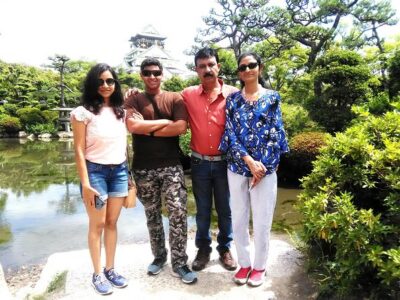
Kyoto 6hr Private Tour with Government-Licensed Guide
Read our review →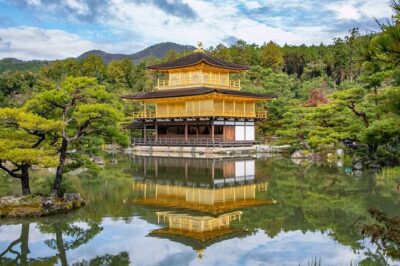
10 Must-see Spots in Kyoto One Day Private Tour (up to 7 people)
Read our review →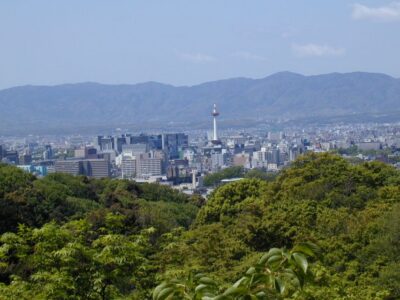
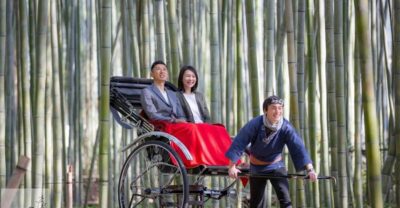
Arashiyama Customized Rickshaw Tour & Bamboo Forest
Read our review →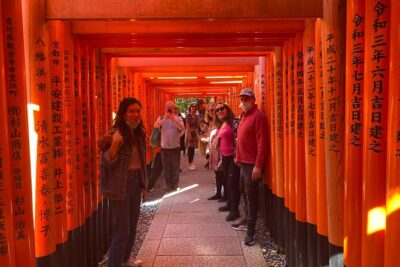
Private Kyoto Tour with Licensed Guide & Vehicle (Max 15 persons)
Read our review →
Private Customized Walking Tour with a Local Insider
Read our review →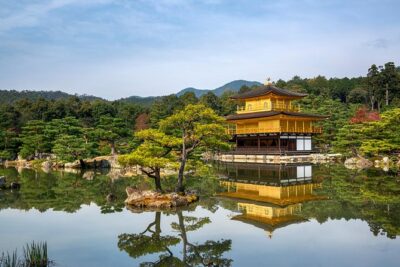
Kyoto Customized Private Tour: See Top Attractions in 1 Day
Read our review →
Browse the lists this tour appears in