
Reviewed · FUSHIMI INARI TOURS
Carefree Private Exploration of Fushimi Inari, Gion, Kiyomizudera, and More
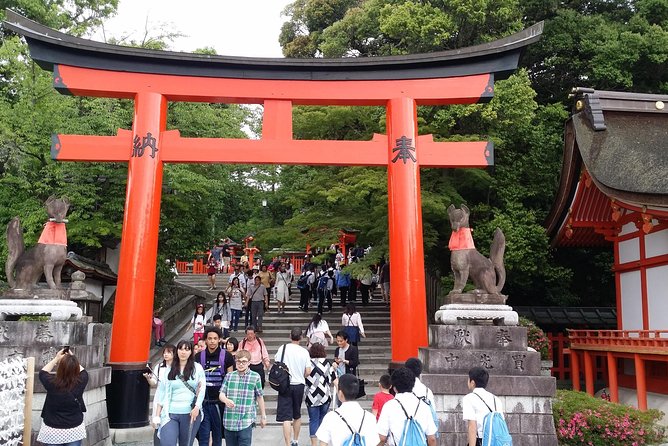
Fushimi Inari’s long tunnel of red gates is only the opening act. This private, four-hour walk links the shrine with Gion and the hillside temples of Higashiyama, giving you a guided look at Kyoto’s sacred sites and old entertainment district in one outing.
I like that your group has a private guide, so you can ask questions and request itinerary changes. I also like that shrine and temple admissions, plus the train ride from Fushimi Inari to Gion, are included. The catch is the amount of walking: hills and summer heat can make this a demanding half-day, especially if you need frequent rests.
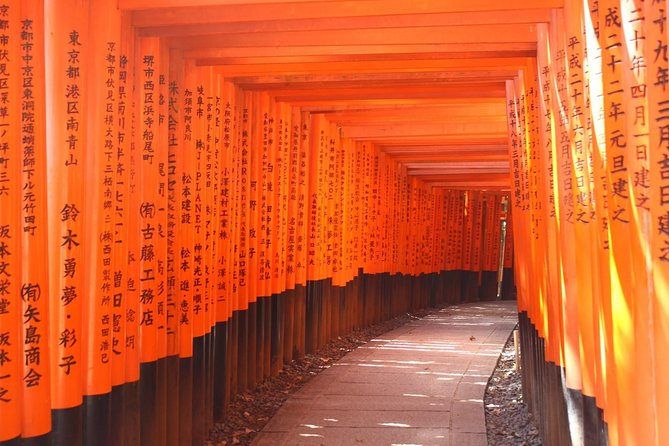
- Fushimi Inari’s red gates set the scene, with about 75 minutes at one of Kyoto’s best-known shrines.
- A train ride to Gion connects the southern shrine visit with the eastern-side walking route.
- Gion’s historic streets bring you past Hanamikoji Street and a Kabuki theater.
- Smaller stops add character, including Yasui-Konpiragu and the pagoda near Yasaka.
- The route is active, with several hours on foot and some steeper hills.
Fushimi Inari’s gates are the day’s grand opening
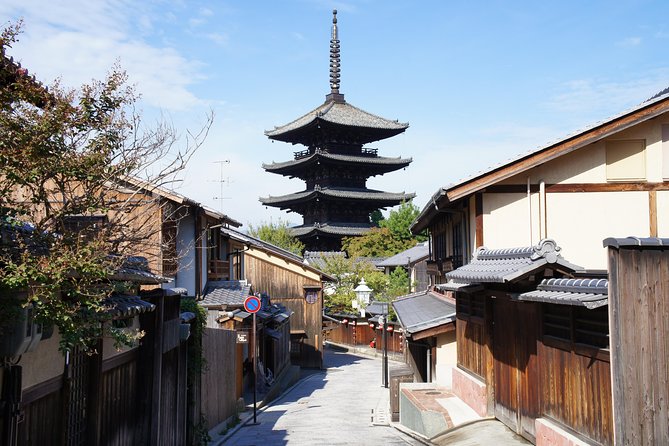
Meet at Inari Station, near Fushimi Inari-taisha Shrine. The first 75 minutes are set aside for the shrine, whose rows of bright red torii gates climb the mountain through increasingly quiet stretches. The gates are the headline sight, but the mountain setting and the sense of moving from the everyday into a sacred place are part of the appeal.
A guide can help explain what you are seeing and put the shrine into the wider context of Japanese culture. That matters at a place this famous: it is easy to focus on photographs and miss the meaning of the site. With a private guide, you can ask questions as they arise, rather than trying to piece together the visit on your own.
The time allocation is worth keeping in mind. Seventy-five minutes gives you a meaningful first look, but it is not a full mountain hike. If you have a particular interest in walking farther up the route, ask in advance whether the schedule can accommodate it. The tour is flexible by request, but the published stop is limited to just over an hour.
A short train ride brings you to Gion
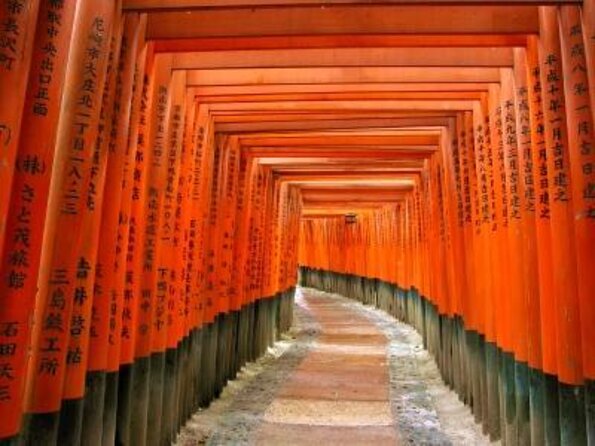
After Fushimi Inari, the group takes a short train ride to Gion, with the fare included. This transition is useful: the shrine sits south of the old eastern districts, and the train saves you from spending the tour’s walking time on a long transfer between areas.
Gion is known as a traditional entertainment district, and geisha still live and work here. The walk includes Hanamikoji Street and passes an imposing Kabuki theater. The stop at Hanamikoji is listed as 15 minutes, so think of it as a brief introduction, not a long exploration of every lane and teahouse.
A guide can help you look beyond the postcard image and understand the district as a place where people still live and work. Keep your own pace respectful, particularly in narrow streets. This is a working neighborhood as well as a historic one.
More Kiyomizu-dera tours in Kyoto:
- Kyoto: Tea Ceremony in a Traditional Tea House in Kiyomizu
★ 4.9 · 3,519 reviews - Kyoto: Nijo Castle, Kiyomizu & Fushimi Inari Guided Tour
★ 4.7 · 700 reviews - Kyoto: Nijo, Kinkaku-ji, Arashiyama, Kiyomizu & Fushimi Inari
★ 5.0 · 699 reviews
Yasui-Konpiragu offers an unusual shrine visit
The next stop, Yasui-Konpiragu, adds a more personal and unusual layer to the route. It is described as a love shrine, but its reputation reaches beyond wishing for a soulmate: people also visit to break unwanted ties, including relationships they hope to leave behind.
A power stone is central to the visit. The ritual involves crawling through an opening in the stone, an action said to strengthen bonds with people you want in your life. The stop lasts about 15 minutes, and admission is included.
This is a good example of why a guided walk can be more rewarding than simply ticking off famous buildings. The custom is distinctive, and a guide can explain how people use the shrine. If crawling through the stone is not comfortable for you, you can still look around and listen to the explanation; the activity is part of the visit, not a requirement stated for joining the tour.
The Yasaka Pagoda anchors the Higashiyama streets
The route also pauses at Yasaka Pagoda, an enduring marker of the eastern district. The pagoda is described as part of the area’s fabric since 1440, and its strong profile gives you a clear landmark as you move through Higashiyama.
No visit duration is specified for this stop, so the amount of time spent there may depend on the pace and the group. It is a natural point to pause, take in the architecture, and notice how the historic structures sit within the streets around them.
The tour’s appeal here is its mix of major sights and smaller connections between them. Instead of treating each temple as an isolated stop, the walk carries you through the district, where the old buildings, lanes, and hillside setting help explain why this part of Kyoto feels distinct.
Kodaiji Temple gives you room to slow down
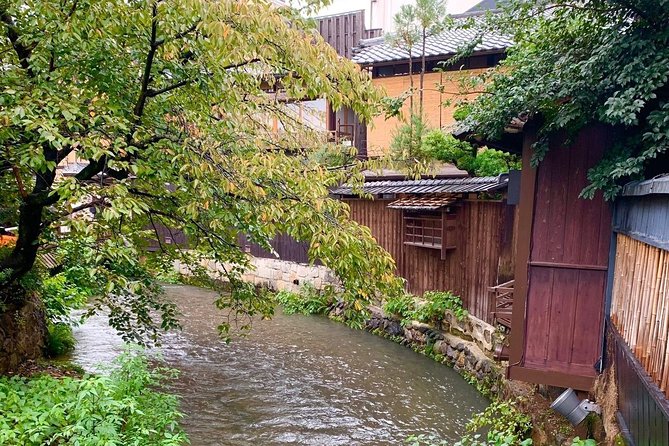
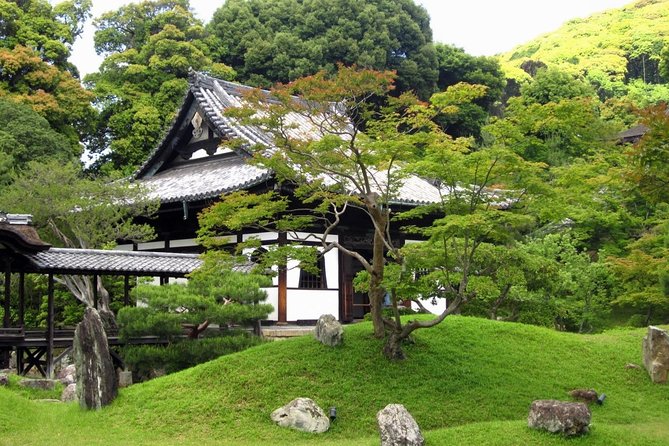
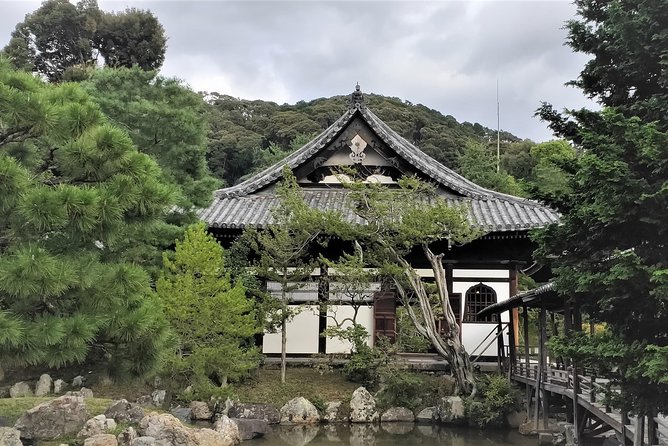
Kodaiji Temple gets about 45 minutes, making it one of the longer temple visits on the route. Its gardens offer a quieter counterpoint to Fushimi Inari and Gion, and the temple complex includes a mausoleum. The setting is described as less crowded than some of Kyoto’s most famous sites, though crowd levels can change.
I like the balance this stop brings to the day. After busy streets and the striking gates at Fushimi Inari, time in a temple garden gives you a chance to pause and take in the surroundings at a slower pace. The included admission also means you do not need to set aside extra cash at the entrance.
Forty-five minutes is enough for a considered visit, but not an unhurried study of every detail. If temple gardens are a special interest, you may want to ask how much flexibility there is in the pace. Since this is a private activity, the guide can discuss changes, though any adjustment needs to fit the four-hour framework.
More Fushimi Inari tours in Kyoto:
- Kyoto: Fushimi Inari, Kinkakuji, Bamboo Grove 1 Day Bus Tour
★ 4.8 · 4,316 reviews - Fushimi Inari Hidden Hiking Tour (Private Option Available)
★ 5.0 · 1,750 reviews - Kyoto/Osaka: Nara, Fushimi Inari Taisha, Arashiyama Bus Tour
★ 4.7 · 1,275 reviews - Osaka/Kyoto: Arashiyama, Nara & Fushimi Inari Shrine w/Lunch
★ 4.4 · 754 reviews
Sannenzaka and Ninenzaka make a scenic finish
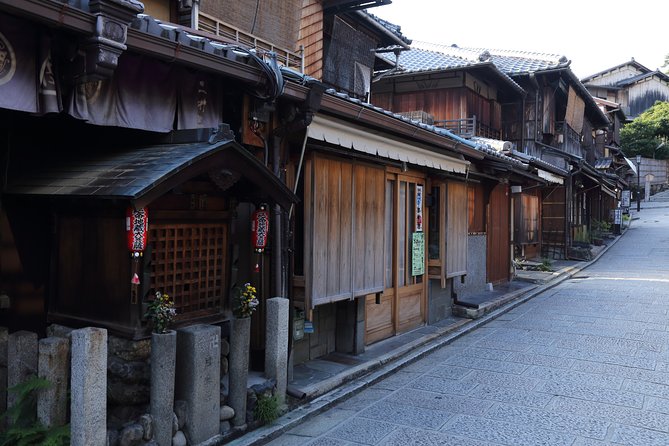
The walk continues along Sannenzaka and Ninenzaka, two preserved pilgrimage streets lined with shops and traditional-style townhouses. Their sloping lanes and views toward the surrounding district make them a memorable way to close the eastern Kyoto portion of the outing.
The streets lead toward Kiyomizudera, the famous Pure Water Temple. But the listed route gives these lanes a 20-minute stop and does not specify a separate visit inside Kiyomizudera. The tour’s title mentions Kiyomizudera, so if entering the temple is important to you, confirm that point before booking rather than assuming the walk includes a full temple visit.
These lanes can be busy, and the shops invite browsing. With only 20 minutes scheduled, you may need to choose between lingering over the streets and keeping pace with the guide. Ask about the planned finish and any opportunity to stay longer if you want more time in the area.
Four hours on foot is a real commitment
The advertised duration is about four hours, but the walking is not a small part of the experience. The route includes several temple and shrine visits, hillside streets, and some steeper sections. The listed stop times add up to at least two hours and fifty minutes, before allowing for the train, walking between sites, and the Yasaka Pagoda stop.
That pace can suit you well if you are comfortable being on your feet and want to cover several districts in one half-day. It may be harder if someone in your party uses a cane, has limited stamina, or needs frequent breaks. One tour group found the guide accommodating when an older participant struggled with hills, but that does not remove the physical demands of the route.
Heat is another practical concern. Kyoto summers can feel very humid, and a four-hour walk in hot weather calls for water and sensible pacing. Bring water, wear comfortable shoes, and tell the guide early if you need a pause. The tour does not include food or drinks.
Private guiding can make the price worthwhile
At $129 per person, the price is easier to assess when you consider what is included: a private guide, entrance fees to temples and shrines, and the train fare from Fushimi Inari to Gion. There are no required taxi costs, and the route is designed to move between sites on foot and by train.
The value depends on what you want from Kyoto. If you prefer context, conversation, and help connecting the sights, a private English-speaking guide can make a half-day feel much more coherent. Past tours have been led by guides named Oisin, Ferdinand, and Duygu, praised for clear explanations, warmth, and adapting to the group. The guide assigned to your date may be different.
If you are happy to explore at your own pace with a map, you may find a private tour less essential. But for a first visit, or if you want to make sense of shrine customs and the cultural role of Gion, the guide’s time is a significant part of what you are paying for. Group discounts are offered, and the first child aged 12 or under is free, with reduced pricing for additional children.
The tour is booked about 40 days ahead on average. That is a useful planning signal if your dates are fixed, though it is not a guarantee that every date sells out. Free cancellation is available until 24 hours before the start time. The meeting point is Inari Station, and the activity information says it ends back at that meeting point.
Who should choose this Kyoto walk
This outing fits you best if you want a compact introduction to Fushimi Inari, Gion, and Higashiyama without arranging every transfer and admission yourself. It also suits families: one child aged 12 or under is free, and additional children have reduced pricing. The private format gives your group room to ask questions and discuss itinerary changes.
It is less suitable if you want a slow, lengthy visit at every site, dislike hills, or need a low-walking day. The route includes several distinct stops in four hours, so there is a tradeoff between variety and lingering. Anyone with mobility concerns should ask the provider about the exact pace and possible adjustments before paying.
Should you book it?
Book this tour if you want a guided, active half-day that combines the torii gates of Fushimi Inari with Gion’s old streets and Higashiyama’s temples. The included train fare and admissions help make the price clear, and a private guide can shape the experience around your questions.
Before you reserve, confirm whether the route enters Kiyomizudera, since the described final stop is Sannenzaka and Ninenzaka. Also consider your group’s stamina, the season, and how much time you want at each site. If the walking suits you and the Kiyomizudera detail is clear, this is a practical way to connect several of Kyoto’s signature sights in one well-guided outing.
FAQ
How long is the tour?
The tour lasts about four hours.
Where does the tour start?
It starts at Inari Station in Kyoto’s Fushimi Ward.
Is transportation included?
Yes. The train ride from Fushimi Inari to Gion is included. Taxis are not included and are not required, though you may request one.
Are temple and shrine admission fees included?
Yes. Entrance fees to temples and shrines are included.
How much walking should I expect?
Expect substantial walking, including hills and some steeper sections. The tour notes that participants should have a moderate level of physical fitness.
Can I cancel for a refund?
Yes, if you cancel at least 24 hours before the experience start time. Cancellations made less than 24 hours ahead are not refundable.
More Gion tours in Kyoto
- Kyoto Geisha Walking Tour: Gion District & Hidden Gems
★ 4.7 · 3,273 reviews - Kyoto: Gion Magical Night Walking Tour with Geisha Trivia
★ 4.9 · 2,393 reviews - Kyoto: Gion Geisha District Walking Tour – Stories of Geisha
★ 4.7 · 2,187 reviews - Best of Kyoto: Gion, Geisha, Pagodas & Cobblestones
★ 4.9 · 2,058 reviews
Newly added in Kyoto
- Uji: Private immersion into Kyoto’s tea and reglious culture★ 5.0 · 17 reviews
- Whisk Your Own Matcha: A Zen Matcha Experience at Temple★ 3.6 · 7 reviews
- Kyoto tea town for matcha lovers★ 5.0 · 16 reviews
- Treasures of Kyoto: Gion & historical Walking Tour★ 5.0 · 6 reviews
- Kyoto Matcha Green Tea Tour★ 4.5 · 23 reviews
- Uji and Wazuka Matcha Farm Half Day Private Guided Tour★ 5.0 · 21 reviews
- Uji Tea Ceremony and UNESCO Heritage Walking Tour★ 5.0 · 20 reviews
- Utilising upcycled Matcha! Creating matcha incense (Uji, Kyoto)★ 5.0 · 6 reviews
Fushimi Inari Tours, compared.

Fushimi Inari, Kinkakuji, Bamboo Grove 1 Day Bus Tour
Read our review →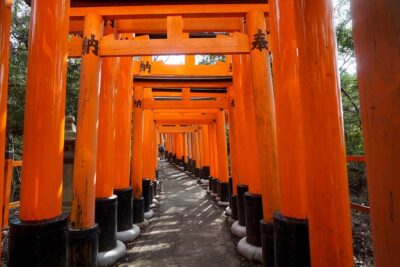
Fushimi Inari Hidden Hiking Tour (Private Option Available)
Read our review →
Nara, Fushimi Inari Taisha, Arashiyama Bus Tour
Read our review →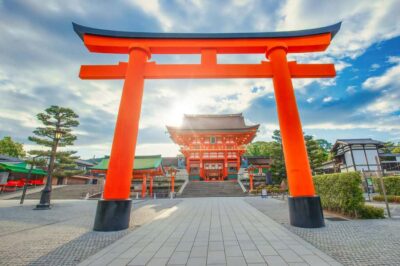
Arashiyama, Nara & Fushimi Inari Shrine w/Lunch
Read our review →
Nijo Castle, Kiyomizu & Fushimi Inari Guided Tour
Read our review →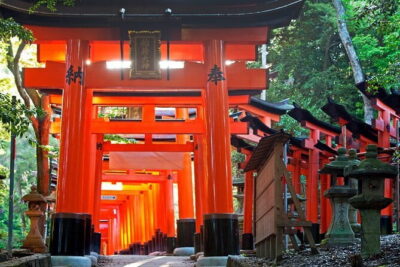
Nijo, Kinkaku-ji, Arashiyama, Kiyomizu & Fushimi Inari
Read our review →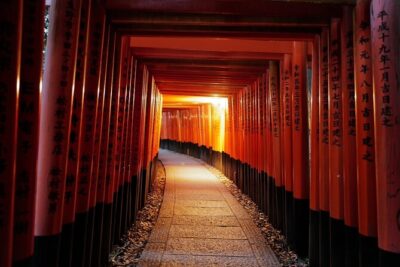
Browse the lists this tour appears in