
Reviewed · KYOTO COOKING CLASSES
Kyoto Wagashi(Japanese sweets) Cooking Class near Fushimiinari
Wagashi, Japan’s traditional sweets, are as much about careful shaping and texture as they are about sugar. In this 2.5-hour class near Fushimi Inari, you make about three kinds in a traditional-style home, then sit down to enjoy them with tea and a garden view.
I like the small group, capped at six, which leaves room to follow each demonstration and ask questions. I also like that you get the recipes, along with a chance to try details you may have seen in Japanese manga or anime, such as mochi and mitarashi dango.
One consideration: this is a focused cooking activity, not a walking tour or a broad introduction to Kyoto. The class is conducted entirely in English, so check that this suits your group, and contact the host in advance about dietary needs.
Key points before you book
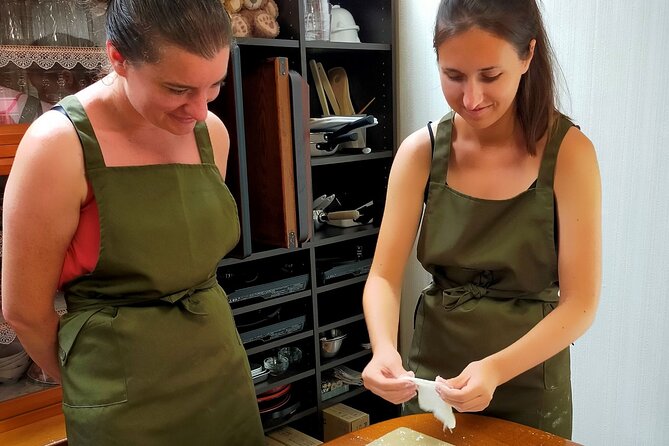
- Three kinds of wagashi: You’ll prepare about three Japanese sweets, following demonstrations before trying the techniques yourself.
- A home setting near Fushimi Inari: The class takes place in a traditional-style Japanese house, with a garden view during the shared tasting.
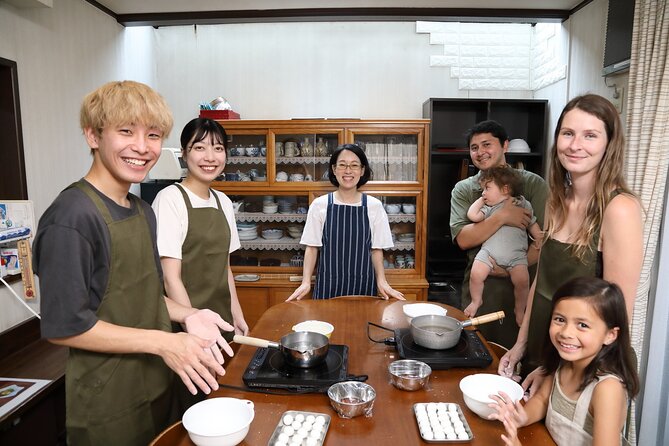
- A small group: The maximum is six, a useful size for watching the instructor and getting help.
- Recipes to take home: Ingredients and seasonings are supplied, and you receive the recipes for the sweets you make.
- Tea and sweets at the end: The session closes with time to sit together and enjoy your work with matcha.
- Plan for 2.5 hours: The pace includes settling in, instruction, hands-on preparation, and eating.
A cooking class in a Japanese-style home
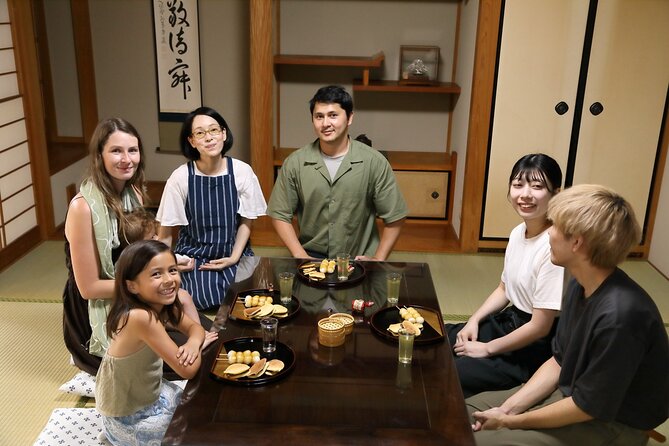
The setting is part of the appeal. Rather than learning in a large commercial kitchen, you meet in a traditional-style house near Fushimi Inari. The class begins with time to relax in a Japanese room, giving the activity a more personal feel than a quick demonstration at a counter.
The host describes the experience as similar to being invited to a friend’s home for tea. That is a helpful way to picture the mood: intimate, informal, and centered on doing something together. You are not simply watching a chef prepare sweets. You take part, then sit down with the group to eat what you have made.
The address is 38-4 Fukakusa Watamorichō, Fushimi Ward, Kyoto. It is near public transportation, though you’ll need to make your own way there because hotel pickup and drop-off are not included. The activity ends back at the meeting point, so you can plan your onward route from the same area.
More cooking classes in Kyoto:
- Ramen Cooking Class at Ramen Factory in Kyoto
★ 5.0 · 1,937 reviews - Sushi Making in Kyoto! Same-day bookings welcome!
★ 5.0 · 713 reviews - Kyoto: Ramen Cooking Class at a Ramen Factory with Souvenir
★ 4.9 · 532 reviews
From the first demonstration to your own sweets
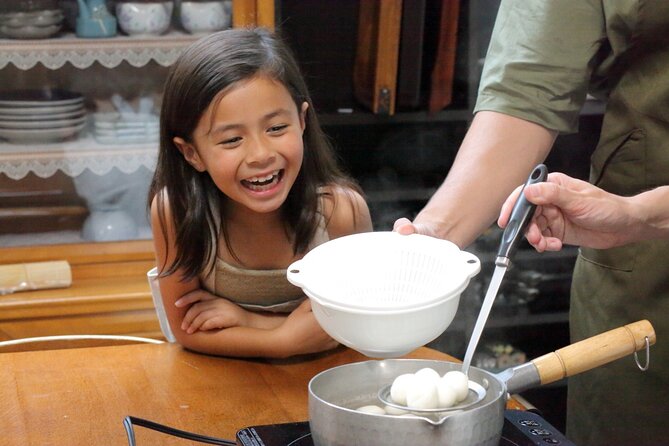
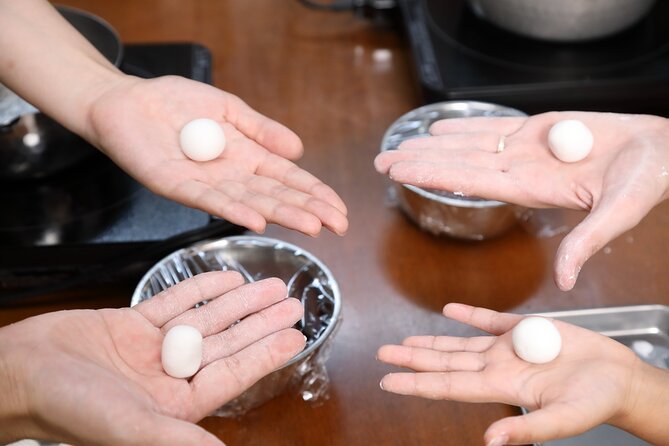
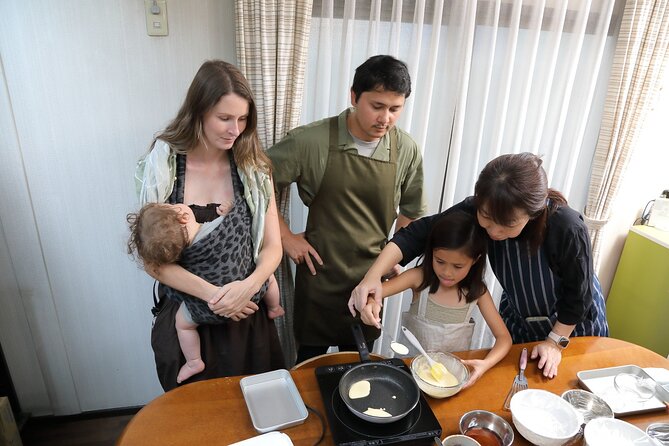
After settling into the room, you watch the instructor demonstrate the techniques. You then prepare about three types of wagashi, either on your own or with a partner. That balance of demonstration and hands-on work is useful if you have never made Japanese sweets before: you see the method before trying it, but the final result is still yours.
Wagashi can call for a different touch than familiar Western baking. Shaping and handling the ingredients matter, and some steps may feel unfamiliar at first. The class is designed to show you how the sweets are made, not just hand you a finished treat. You get to notice the process, ask questions, and make adjustments as you go.
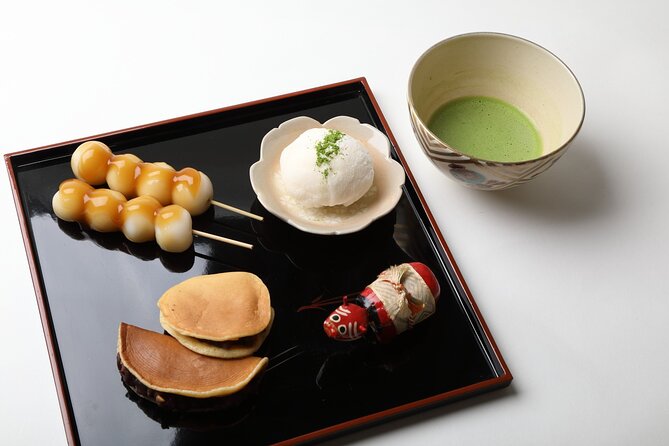
The specific sweets may vary. Past sessions have included black sesame mochi and mitarashi dango, both of which give you a taste of the range wagashi can cover. One class can’t represent every regional style or seasonal sweet, but making a few different kinds offers a practical introduction to ingredients and techniques you can recognize again in Japan.
Mochi made with black sesame has been a particular favorite for some participants. If you like sesame, it is worth paying attention to how its flavor and texture work with the sweet. Mitarashi dango, meanwhile, offers a different experience, with chewy dumplings and a contrasting sweet-savory taste. The supplied information does not promise a fixed menu, so consider these examples rather than guaranteed items.
The instructors demonstrate before you begin, and all are licensed guide interpreters. The class is conducted entirely in English, which makes the explanations accessible if you want to understand the steps as well as copy them. If you are coming with teenagers or family members who have different cooking skills, the format also allows you to work together and share the task.
The tasting is part of the lesson
Once the sweets are ready, you sit with the other participants in the traditional room and enjoy them with matcha. The garden view adds a quiet pause after the hands-on work. This is not a separate formal tea ceremony, based on the activities described, but it does give you time to appreciate the sweets in a setting that feels connected to Japanese home hospitality.
The shared tasting is more than a convenient way to finish. Wagashi are often made to be enjoyed with tea, and eating what you have prepared helps you notice texture and flavor with a little more attention. You can compare your results, talk through the different methods, and see which sweet you would want to make again.
Coffee and/or tea are included, along with all cooking ingredients and seasonings. The activity description specifically mentions matcha with the sweets. If having tea is important to you, this class includes it without requiring you to arrange a separate stop.
What the group size means for you
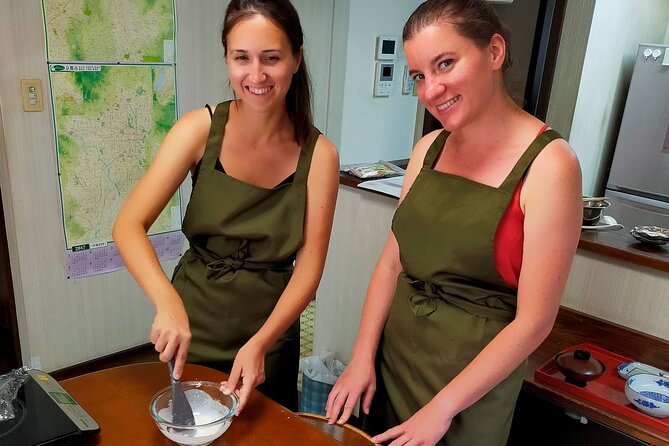
With a maximum of six participants, this is a notably small class. That matters when the activity involves shaping and handling sweets: you are more likely to see the instructor’s demonstration clearly and get a chance to follow up if a step is confusing. It also keeps the tasting at the end from feeling like a large group meal.
The format can work for solo visitors, couples, and families. You can cook by yourself or alongside a partner, and the small group makes it easier to join in even if you arrive alone. Families with teenagers may particularly appreciate an activity where everyone can take part, rather than one person doing the cooking while the rest watch.
There is no promise that every participant gets a separate workstation or that the group will be split in a particular way. If that detail matters to you, ask the provider before booking. The class does, however, explicitly allow participants to prepare the sweets by themselves or with a partner.
More Kyoto tours in Kyoto:
- PERFECT KYOTO 1-Day Bus Tour
★ 5.0 · 13,518 reviews - Kyoto: Fushimi Inari, Kinkakuji, Bamboo Grove 1 Day Bus Tour
★ 4.8 · 4,316 reviews - Kyoto: Tea Ceremony in a Traditional Tea House in Kiyomizu
★ 4.9 · 3,519 reviews - Kyoto Geisha Walking Tour: Gion District & Hidden Gems
★ 4.7 · 3,273 reviews
English instruction and dietary needs
The lessons are conducted entirely in English, and the instructors are licensed guide interpreters. That should suit English-speaking visitors who want clear explanations of the preparation. The description also says the class allows for English and non-English speakers, but it does not specify instruction in other languages. If you need another language, confirm directly rather than assuming it will be available.
Vegetarians are welcome, and the class is described as vegan-friendly. You should still contact the provider in advance with any dietary restrictions. That is especially sensible for a cooking class, where the ingredients for the day may affect what you can prepare or taste.
The class supplies all seasonings and ingredients, so you do not need to bring food or cooking supplies. Recipes are provided as well, giving you a reference for trying the sweets again at home. The information does not state whether the recipes include substitutions for dietary needs, so ask if you will need to adapt them.
Is $79.26 good value?
At $79.26 per person, this costs more than simply buying sweets and tea at a shop. You are paying for a 2.5-hour guided activity, the ingredients, instruction, a small group, the tasting, and recipes you can use later. For someone who wants to understand how wagashi are made, that hands-on time is the main value.
The price makes less sense if you only want a quick taste of Japanese sweets. You could enjoy wagashi elsewhere without spending several hours in a class. But if you are curious about the process, want a shared activity with family or a partner, or hope to take a practical skill home, the fee covers more than the final plate of sweets.
The class is booked an average of 29 days in advance. That is not a guarantee that it will sell out, but it is a reason to plan ahead if the date matters to you. The booking includes a mobile ticket. Gratuity is not included, and there is no hotel transfer.
Who will enjoy this most
I would choose this class if you want a calm, participatory break from sightseeing and have a real interest in Japanese food. It suits curious beginners: the instructor demonstrates first, the group is small, and the recipes let you revisit the methods afterward. You do not need to be an experienced cook to take part.
It is also a good option for families with teenagers. The activity gives everyone a task, and the shared preparation can make the session lively without requiring a long attention span from someone who would rather be doing than watching. Couples and solo visitors can also join, with the option to work independently or with a partner.
This is a less suitable choice if you want a broad tour of Fushimi Inari, a full meal, or a class taught in a language other than English. The activity centers on sweets and tea, and it ends where it begins. Treat it as a focused food experience, not a replacement for exploring the area.
A few practical details
Allow about two and a half hours for the full experience. The meeting point is in Fushimi Ward, near public transportation, and the class returns there at the end. Since pickup is not offered, leave time to find the address and arrive without rushing.
You can cancel for a full refund up to 24 hours before the start time. Cancellations or changes made within 24 hours are not accepted for a refund or adjustment. The activity also requires good weather; if poor weather leads to cancellation, you’ll be offered another date or a full refund.
Should you book the wagashi class?
Book it if you want more than a tasting and like the idea of making three Japanese sweets in a small group, then eating them in a traditional-style room with tea. The home setting, hands-on instruction, and take-home recipes make this a useful cultural activity as well as a pleasant way to spend an afternoon.
Skip it if your schedule is tight, you are looking for a full meal, or you mainly want to visit the Fushimi Inari area rather than spend time cooking. For food-curious visitors, families, and anyone who has wondered how manga-worthy wagashi are made, it offers a personal, practical introduction at a reasonable price for a guided class.
FAQ
How long does the class last?
The class lasts approximately 2 hours and 30 minutes.
Where does the class meet?
It meets at 38-4 Fukakusa Watamorichō, Fushimi Ward, Kyoto, 612-0022, Japan. The activity ends back at the meeting point.
How many people can join?
The maximum group size is six participants.
What will I make?
You’ll prepare about three types of wagashi. The specific sweets can vary; examples include black sesame mochi and mitarashi dango.
Is the class taught in English?
Yes. The class is conducted entirely in English, and the instructors are licensed guide interpreters.
Can vegetarians and vegans take part?
Vegetarians are welcome, and the class is described as vegan-friendly. Contact the provider in advance about any dietary restrictions.
What is included in the price?
Ingredients, seasonings, an English-speaking instructor, fees and taxes, coffee and/or tea, and the recipes are included. Gratuity and hotel pickup or drop-off are not included.
Newly added in Kyoto
- Uji: Private immersion into Kyoto’s tea and reglious culture★ 5.0 · 17 reviews
- Whisk Your Own Matcha: A Zen Matcha Experience at Temple★ 3.6 · 7 reviews
- Kyoto tea town for matcha lovers★ 5.0 · 16 reviews
- Treasures of Kyoto: Gion & historical Walking Tour★ 5.0 · 6 reviews
- Kyoto Matcha Green Tea Tour★ 4.5 · 23 reviews
- Uji and Wazuka Matcha Farm Half Day Private Guided Tour★ 5.0 · 21 reviews
- Uji Tea Ceremony and UNESCO Heritage Walking Tour★ 5.0 · 20 reviews
- Utilising upcycled Matcha! Creating matcha incense (Uji, Kyoto)★ 5.0 · 6 reviews
Kyoto Cooking Classes, compared.

Ramen Cooking Class at Ramen Factory in Kyoto
Read our review →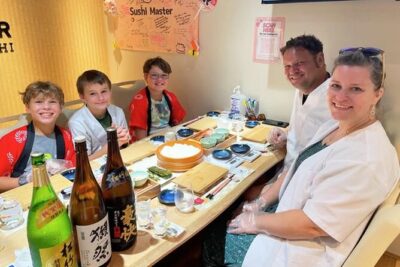
Sushi Making in Kyoto! Same-day bookings welcome!
Read our review →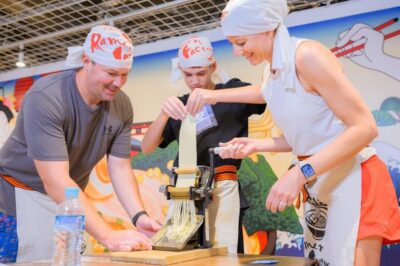
Ramen Cooking Class at a Ramen Factory with Souvenir
Read our review →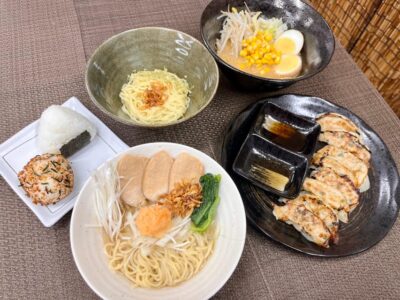
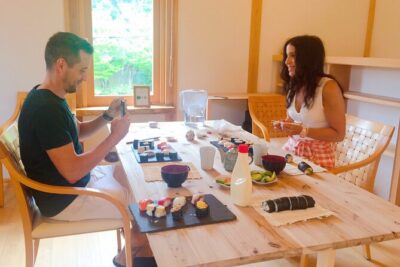
The Original Small-Group Sushi Making Class in Kyoto
Read our review →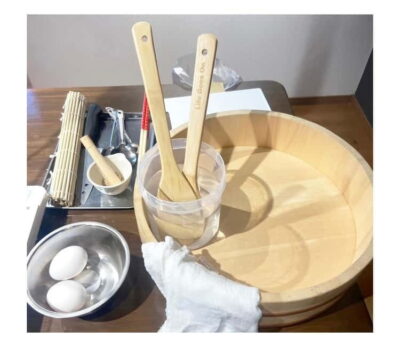
Japanese Washoku Bento Small Group Cooking Class
Read our review →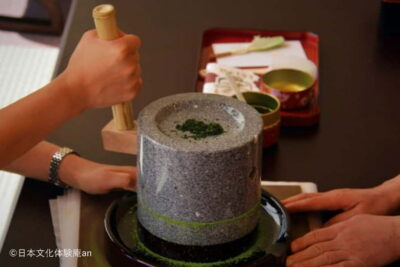
Japanese Traditional Sweets Making and Tea Ceremony
Read our review →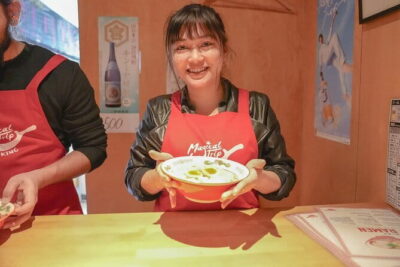
Kyoto Ramen and Gyoza Cooking Class with Professional Chefs
Read our review →Browse the lists this tour appears in