
Reviewed · KYOTO PRIVATE TOURS
Kyoto Customized Private Tour: See Top Attractions in 1 Day
Kyoto’s famous sights sit across a broad city, so the real value of this private tour is not simply ticking off temples. It’s having a local guide help you choose a route that fits your interests and pace, then explain what you’re seeing along the way. I especially like the pre-tour planning and the chance to build in local food, shopping, or a cultural activity.
I also like that you can choose between the big-name sights and a less hurried day. Guides including Kenji, Akiko, and Kaori have been praised for adapting plans, sharing historical context, and offering practical tips. The trade-off: transport and entrance fees cost extra, and this is a walking tour, not a private-car tour.
At a glance
- Plan around your interests: Discuss your priorities with your guide before the tour.
- Choose a realistic number of stops: Two or three in four hours, three or four in six hours, and four or five in eight hours.
- Pick from Kyoto’s best-known sights: Options include Kinkakuji, Arashiyama Bamboo Grove, Fushimi Inari, Gion, Kiyomizu-dera, and Nijo Castle.
- Expect to walk and use local transport: Public transportation or taxis may connect stops; neither transport nor a private vehicle is included.
- Book for the guide, not just the route: The strongest reports praise guides for patience, flexibility, historical explanations, and useful local advice.
A Kyoto day shaped around you
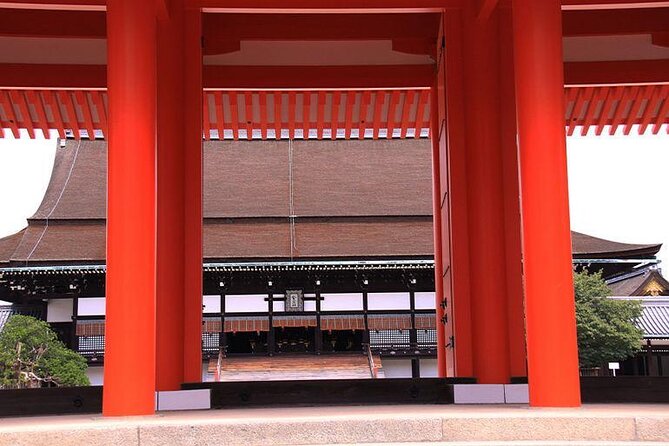
A private tour is a practical way to make a large, sight-filled city feel more manageable. Kyoto’s temples, shrines, bamboo grove, and historic neighborhoods are spread across different parts of town. You can’t sensibly squeeze every major stop into a few hours, so the useful question is not how many places you can name, but which ones matter most to you.
Before the tour, contact your guide and explain what you want from the day. You might prioritize famous landmarks, avoid the busiest places where possible, or focus on photogenic locations. You can also ask about local food, shopping, or a cultural activity. The guide can then help turn that wish list into a workable plan.
That planning is important. A four-hour tour is designed for about two or three places, while an eight-hour day allows roughly four or five. These are estimates, not a promise to race through a fixed checklist. If you try to cover Kinkakuji, Arashiyama, Fushimi Inari, Gion, Nijo Castle, and Kiyomizu-dera in one day, you’ll spend much of it moving between sites. Be selective and leave room to enjoy the places you choose.
More private and custom tours in Kyoto:
- Kyoto 6hr Private Tour with Government-Licensed Guide
★ 5.0 · 1,369 reviews - 10 Must-see Spots in Kyoto One Day Private Tour (up to 7 people)
★ 5.0 · 1,108 reviews - Kyoto 4hr Private Tour with Government-Licensed Guide
★ 5.0 · 629 reviews
Kinkakuji and Arashiyama: two very different starts
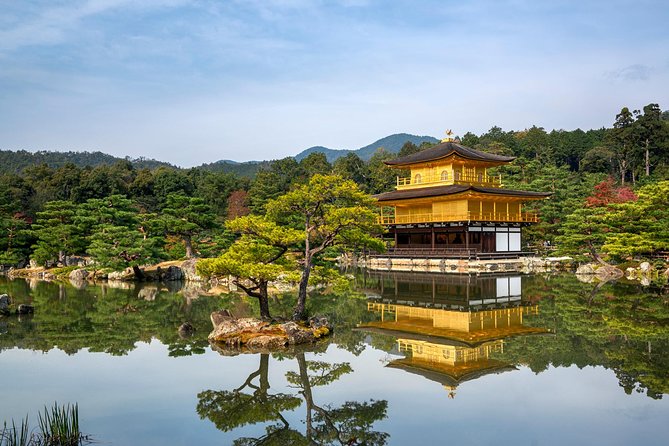
Kinkakuji, the Golden Pavilion, is one of Kyoto’s most recognizable sights. It offers the kind of striking view many people come to Kyoto hoping to see, and a guide can give the building context beyond its familiar gold exterior. It is a sensible choice if you want one of the city’s signature landmarks on your itinerary.
The drawback is that a famous sight draws attention for a reason: it may be busy, and your visit can feel brief compared with the time spent getting there. Ask your guide whether it fits your other priorities before making it a must. On a short tour, a cross-city trip to one landmark may mean giving up another stop.
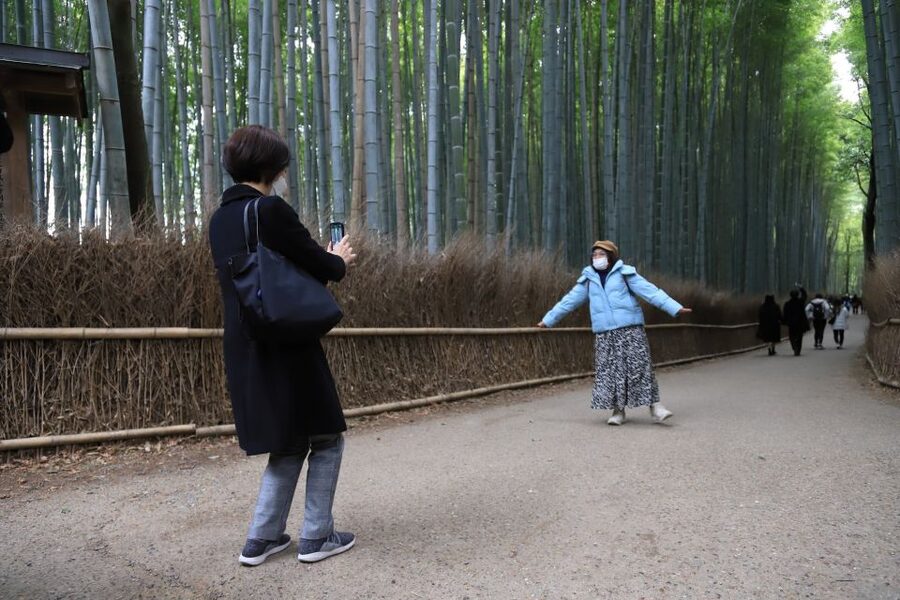
Arashiyama Bamboo Grove offers a different mood. Instead of a temple visit, you walk through a celebrated stand of bamboo. It is a strong option if the setting itself appeals to you or if you want a change from temple interiors and shrine paths. As with any well-known photo spot, it can be crowded, so ask your guide about timing and how it fits into the day.
You may want to choose between these two for a half-day rather than trying to force both into a short route. The tour’s suggested pace of two or three stops in four hours is a useful reality check. Your guide can help weigh the sights you care about against the travel time between them.
Fushimi Inari’s gates and Gion’s old streets
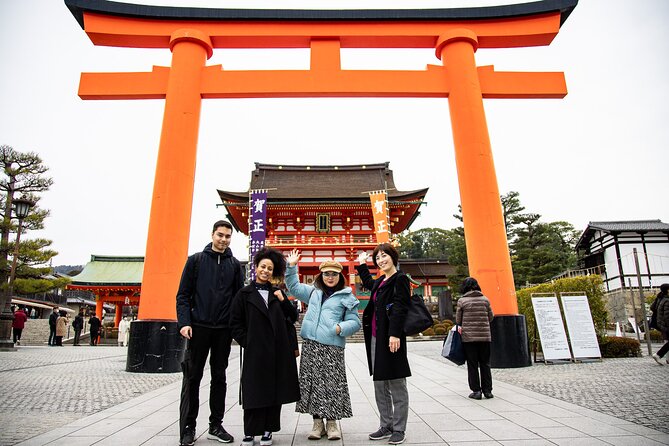
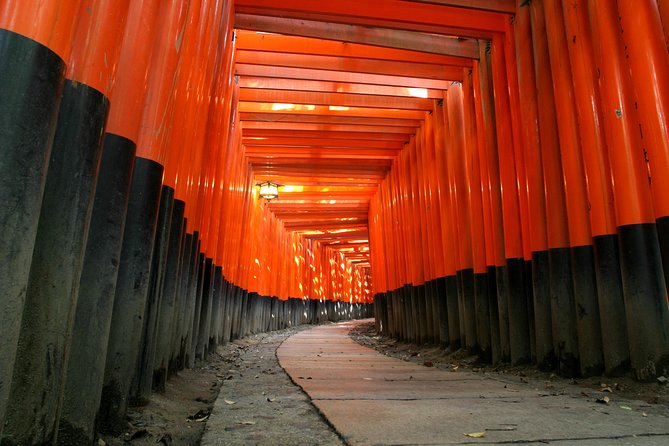
Fushimi Inari Taisha is known for its long lines of red shrine gates, including the Senbon Torii. It’s a memorable place to walk, and the shrine gives you a different perspective from Kyoto’s Buddhist temples. A guide can explain the site and help you decide how much time to give it, rather than treating the gate-lined path as a quick photograph and onward.
Gion brings the day into Kyoto’s historic streets and traditions. It is one of the tour’s strongest choices if you want to connect monuments with the city’s living culture. One family described seeing geiko and maiko in Gion as a highlight, but treat any such sighting as luck, not a scheduled part of the tour. Your guide can explain local customs and help you explore the area with care.
The contrast between Fushimi Inari and Gion makes them a useful pairing. One is a major shrine, the other a district of streets and cultural associations. But they are not next door to one another, and transport takes time. For a four-hour visit, ask your guide whether both belong in the plan or whether you’d rather spend longer at one.
Kiyomizu-dera, Ninenzaka, and Sannenzaka
Kiyomizu-dera is another major temple option, and the nearby Ninenzaka and Sannenzaka slopes add historic lanes to the visit. Together, they can make a varied stretch of the day: a temple, followed by time walking through traditional streets. If you care about atmosphere and street scenes as much as famous buildings, this combination may suit you better than stacking several major temples.
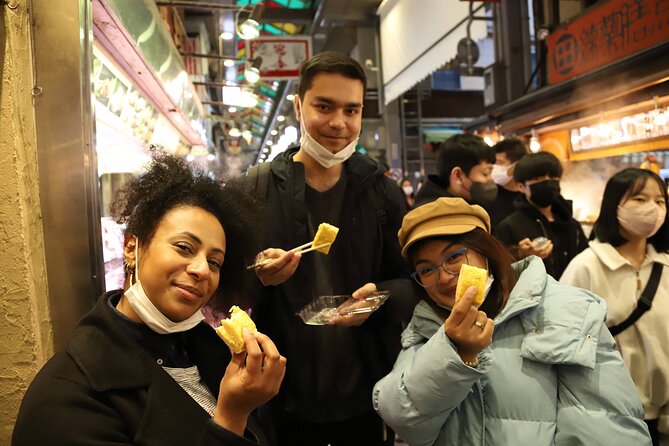
These lanes also offer room for browsing and a possible stop for food or shopping, both of which can be included if you discuss them with your guide. Keep in mind that a flexible plan does not make the day limitless. Adding a meal or cultural activity may mean dropping another destination, especially on a shorter tour.
Comfortable shoes matter here, as they do throughout the day. The tour involves a moderate amount of walking, and the streets and temple approaches are part of the experience rather than something a vehicle takes you around.
More private tours in Kyoto:
- Fushimi Inari Hidden Hiking Tour (Private Option Available)
★ 5.0 · 1,750 reviews - Private Kyoto Tour with a Local, Highlights & Hidden Gems, Personalised
★ 5.0 · 1,543 reviews - Nara Half Day Trip Walking Tour (Private Option Available)
★ 5.0 · 937 reviews - Kyoto: Private Tour with Local Licensed Guide
★ 4.8 · 463 reviews
Nijo Castle and the art of choosing
Nijo Castle appears among the possible stops, giving you an option beyond shrines, temples, and scenic streets. If castles and political history interest you, tell your guide early so they can work it into the route. The supplied details do not set out a fixed visit length or a specific castle program, so make sure your guide confirms how it fits with your other choices.
This is where the private format earns its keep. A standard group route has to serve a common itinerary. Here, you can say what you care about, ask questions, and adjust the balance between major sights and a slower pace. One guide, Kaori, planned ahead with her group and helped them see several major locations without making the day feel rushed. That is a more useful goal than maximizing the number of stops.
How much can you cover in four, six, or eight hours?
The tour runs from four to eight hours. Use the suggested stop counts as a planning guide:
- Four hours: about two or three spots.
- Six hours: about three or four spots.
- Eight hours: about four or five spots.
A half-day can work well if you have a clear priority, such as Fushimi Inari and Gion, or Kiyomizu-dera with the nearby slopes. A full day gives you more room to combine areas, pause for lunch, or add a less hurried visit. Even then, you should expect to make choices.
The route is flexible, but transport is not included. This is a walking tour, and you may use public transport or local taxis to get between sites. That means you should allow time and budget for those connections. A private vehicle is not part of the package, so don’t book expecting a car to wait while you visit each landmark.
The guide can meet you at your hotel lobby if your hotel is in Kyoto City. Give the hotel name in advance. The tour information also lists pickup location options, so confirm the meeting point when you arrange the details.
What the guide adds
The guide’s role is more than pointing out the next stop. The best use of a private guide is to have someone explain context, answer your questions, and adjust the day to your pace. Several guide names appear in the tour’s feedback: Kenji, Akiko, Kaori, and Yasuma. Their strengths described include patience, clear historical background, thoughtful planning, and sensitivity to individual interests.
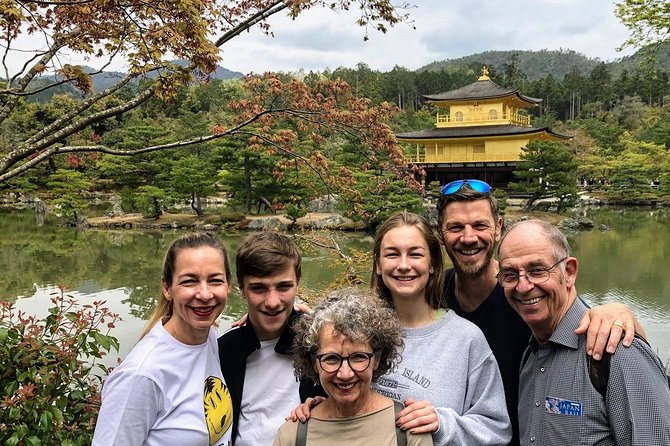
One family praised Akiko for taking time with questions and keeping a patient pace. Another group found Kaori’s advance planning helped them see Kinkakuji, Arashiyama, Fushimi Inari, and Gion without feeling rushed. She also chose a traditional Japanese restaurant for lunch, where the group sat on the floor, and offered suggestions for other things to do afterward. These are useful examples of what a flexible guide can add, though the exact guide and choices you receive depend on your booking.
The tour is offered in English and is for a private group. That gives your party room to set the pace and ask questions without having to match a larger group’s schedule. If you have a specific interest, tell the guide in advance rather than hoping it comes up on the day.
What the $129 price does and does not cover
At $129 per person, the price buys a professional local guide, a private tour, and hotel pickup and drop-off within Kyoto City. The main value is personal attention and help planning a route, not bundled transport or admission. If you are comparing it with a group tour, weigh the extra cost against the ability to tailor the day and move at your own pace.
Temple entrance fees are not included. Lunch, public transportation, local taxi fares, and personal expenses are also extra. If you plan to visit several paid sites, include admission costs in your budget, and bring cash for small shops that may not take credit cards. Ask your guide about transport choices as you finalize the route so you know what additional costs to expect.
For a solo visitor, $129 may feel steep compared with a group outing. For a couple, family, or small private party, the value depends on how much you want a guide’s attention and help coordinating the day. It is most compelling if you’ll make good use of the pre-tour planning and personal explanations.
Practical details before you book
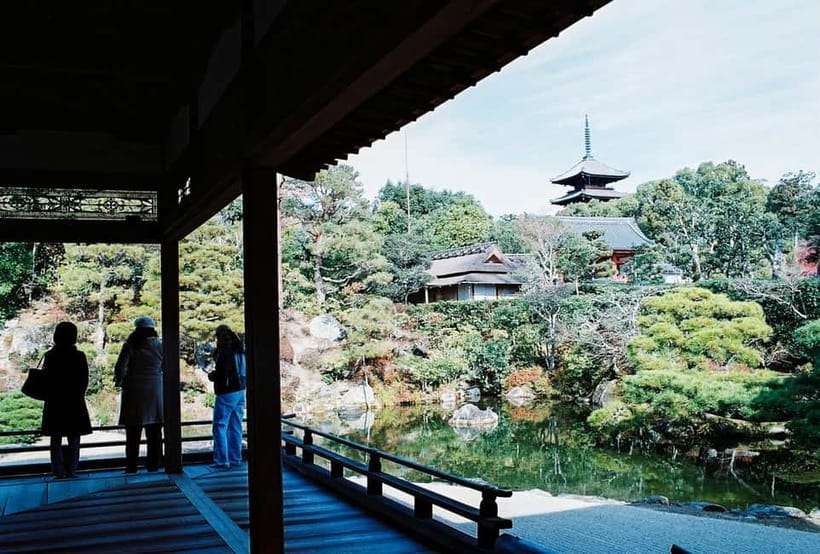
Wear comfortable shoes and expect moderate walking. The tour runs rain or shine, so dress for the forecast. Luggage and large bags are not allowed, pets are not permitted, and the experience is not suitable for wheelchair users.
Cancellation is free up to eight days before the tour for a full refund. Starting times depend on availability. If you need a particular order or want to include food, shopping, or a cultural activity, raise that during the pre-tour conversation.
Should you book this Kyoto tour?
Book it if you value a guide who can adapt the day, explain the sights, and help you choose a sensible route through Kyoto. It is especially well suited to families, first-time visitors, and anyone who wants private time for questions or a pace that works for their group. The praise for guides such as Kenji, Akiko, and Kaori points to the tour’s strongest feature: personal attention backed by practical planning.
Think twice if your main goal is the lowest possible cost, a private vehicle, or a guaranteed visit to every major attraction. Admissions and transport are extra, and the city’s distances make an all-sights itinerary unrealistic. Choose two or three priorities for a half-day, or four or five for a full day, then let the guide help you make the day feel like Kyoto rather than a race across a list.
FAQ
Is the tour private?
Yes. It is a private group tour with an English-speaking local guide.
How long does the tour last?
You can book a duration of four to eight hours. Available starting times depend on availability.
Which sights can I visit?
Possible destinations include Kinkakuji, Arashiyama Bamboo Grove, Fushimi Inari Shrine, Gion, Kiyomizu-dera, Nijo Castle, and the Ninenzaka and Sannenzaka slopes. The route can be changed to suit your requests.
Is transportation included?
No private vehicle is included. You may use public transportation or local taxis between stops, and those costs are extra.
Are entrance fees and lunch included?
No. Temple entrance fees and lunch are not included in the price.
Where can the guide pick me up?
Hotel pickup is available at hotels in Kyoto City. Provide your hotel name in advance, and your guide will meet you in the lobby.
Newly added in Kyoto
- Uji: Private immersion into Kyoto’s tea and reglious culture★ 5.0 · 17 reviews
- Whisk Your Own Matcha: A Zen Matcha Experience at Temple★ 3.6 · 7 reviews
- Kyoto tea town for matcha lovers★ 5.0 · 16 reviews
- Treasures of Kyoto: Gion & historical Walking Tour★ 5.0 · 6 reviews
- Kyoto Matcha Green Tea Tour★ 4.5 · 23 reviews
- Uji and Wazuka Matcha Farm Half Day Private Guided Tour★ 5.0 · 21 reviews
- Uji Tea Ceremony and UNESCO Heritage Walking Tour★ 5.0 · 20 reviews
- Utilising upcycled Matcha! Creating matcha incense (Uji, Kyoto)★ 5.0 · 6 reviews
Kyoto Private Tours, compared.
Kyoto 6hr Private Tour with Government-Licensed Guide
Read our review →
10 Must-see Spots in Kyoto One Day Private Tour (up to 7 people)
Read our review →
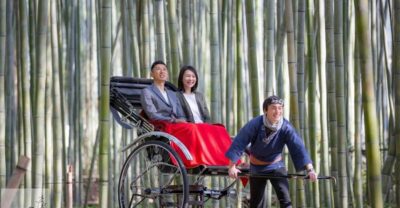
Arashiyama Customized Rickshaw Tour & Bamboo Forest
Read our review →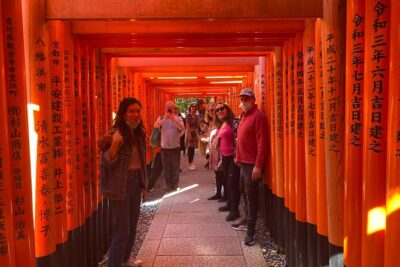
Private Kyoto Tour with Licensed Guide & Vehicle (Max 15 persons)
Read our review →
Private Customized Walking Tour with a Local Insider
Read our review →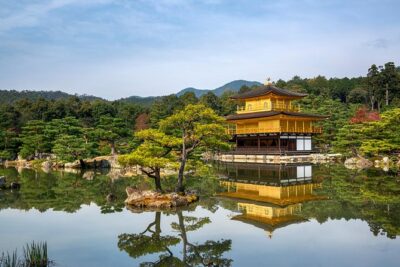
Kyoto Customized Private Tour: See Top Attractions in 1 Day
Read our review →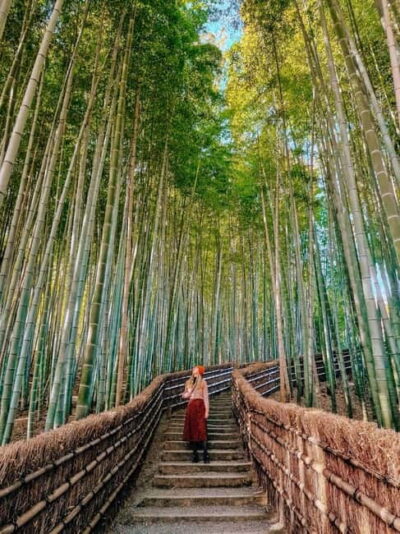
Browse the lists this tour appears in