
Reviewed · KYOTO TOURS
Kyoto: Japanese Koto & Shamisen Concert and Koto Class
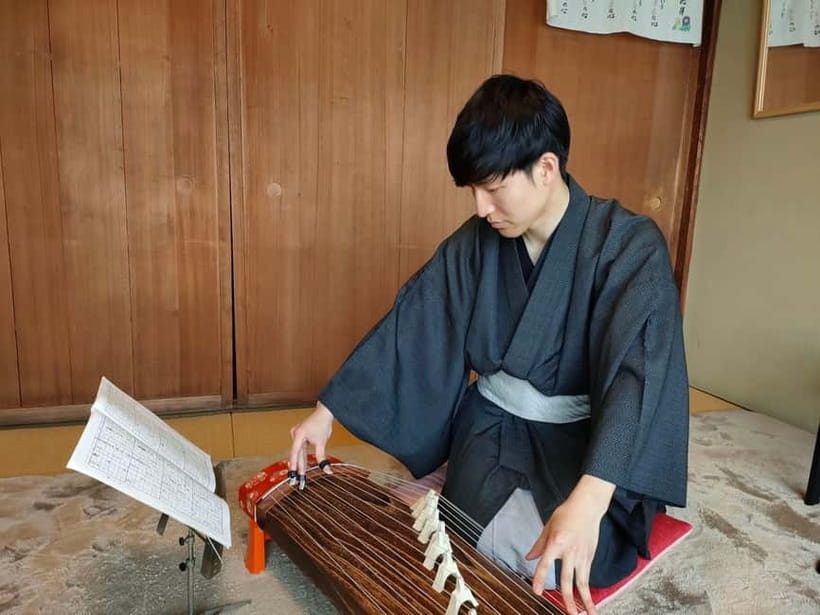
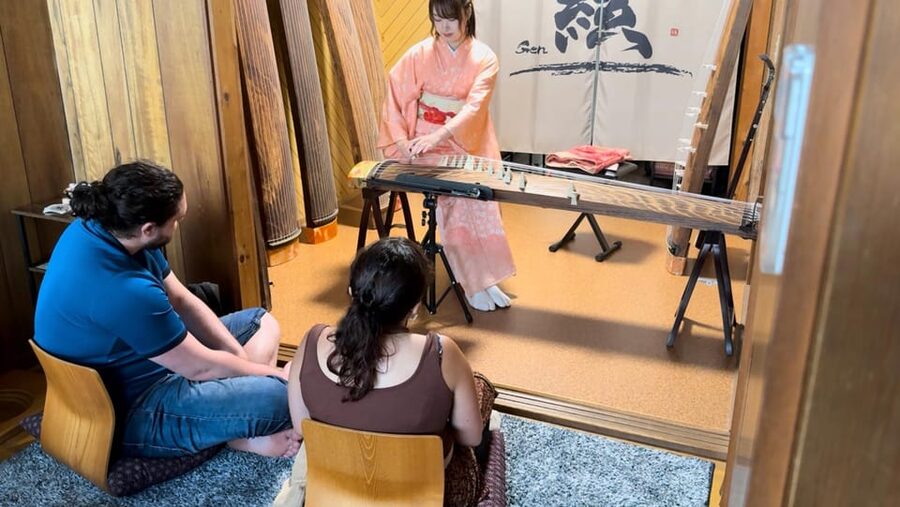
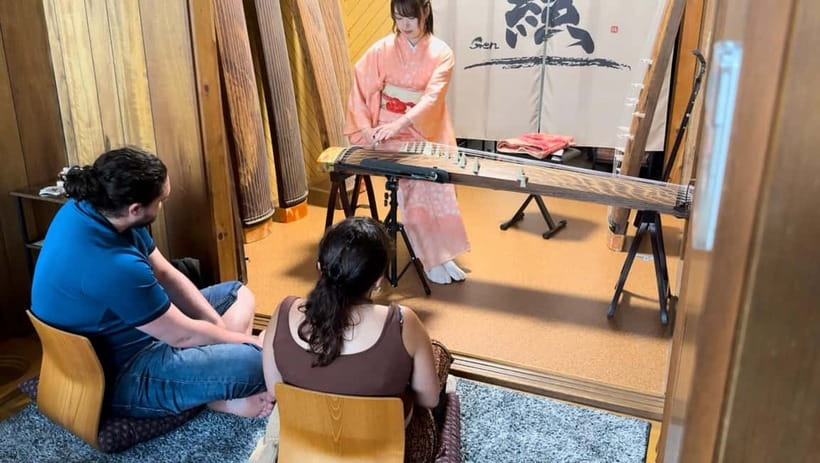
The most memorable part of this Kyoto experience is the setting: you hear koto and shamisen in a small, old Japanese house, not a concert hall or temple. The music is close enough to notice how different playing techniques change the instruments’ sound, and the program can move from classical pieces to contemporary music and original works.
I love that the session pairs a professional performance with a chance to try the koto yourself. I also like the small-group, homey setting, where there is time to ask questions and learn about the instruments rather than simply listen and leave.
One thing to plan for: the house is in a residential area and can be tricky to locate. One attendee found the alley dark and had to wait outside until shortly before the performance, so allow time to find the meeting point and arrive promptly.
- A concert and a hands-on lesson: The session combines live music with a guided chance to play the koto.
- Two instruments, different sounds: Hear the koto and shamisen, with a short introduction to their history and musical notation.
- A personal-scale setting: The small house makes it easy to speak with the performers and ask questions.
- A changing program: Classical, contemporary, and original pieces may feature, depending on the season or performer.
- A good fit for beginners: You do not need musical experience to try a simple piece with an instructor’s help.
- A location worth preparing for: The house is in a residential area, and the meeting point may depend on your booking option.
A Kyoto concert in a small house
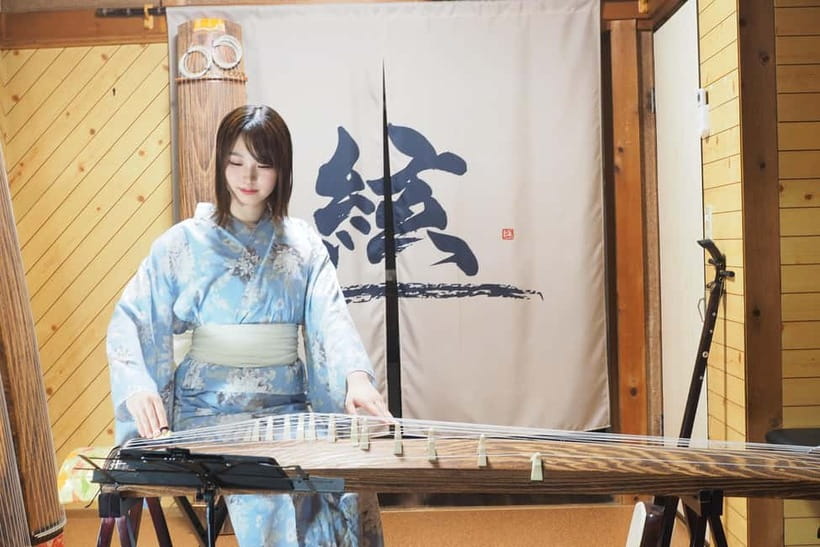
Kyoto has no shortage of temples, formal halls, and carefully planned cultural stops. This experience offers a different kind of encounter: a concert in a cozy home, where the intimate scale makes the instruments and the musicians feel close at hand.
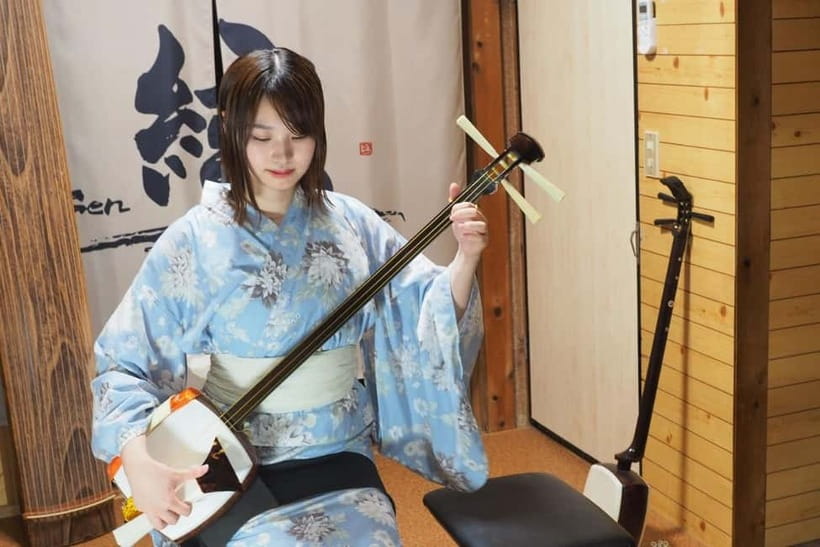
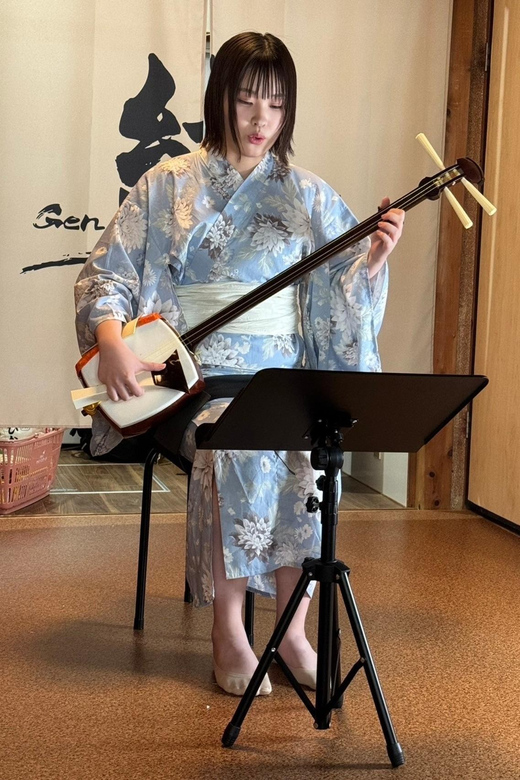
That setting matters. Koto music can be delicate, and hearing it at close range lets you attend to the plucked strings and changes in tone. The shamisen adds another sound and texture, while the performer’s voice may also feature in traditional pieces. The result is less like sitting back for a large stage show and more like being welcomed into a small musical gathering.
The session is private or held in a small group, depending on the option you book. That makes it easier to ask questions directly and see the instruments up close. It also means the atmosphere may feel quieter and more personal than a public concert. If you want a grand venue or a long, formal program, this is not that.
The introduction: instruments, history, and notation
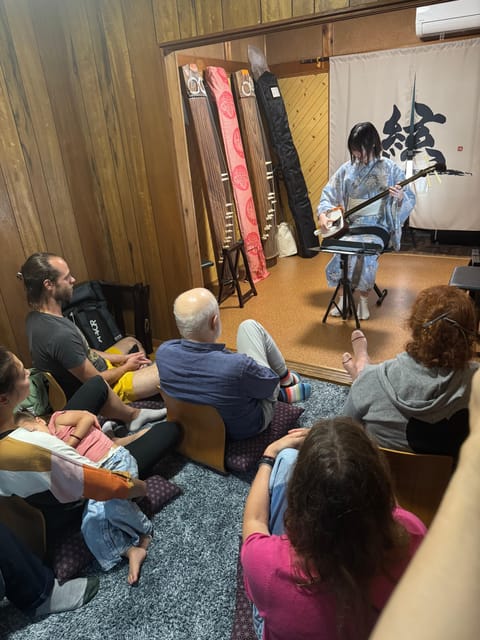
The experience begins with a brief introduction to the koto and shamisen, along with some cultural background and an explanation of their distinctive sheet music. That context gives you a way into the performance. Instead of hearing unfamiliar sounds without a frame of reference, you get a few clues about the instruments and how musicians read what they play.
The introduction is short, so think of it as a useful orientation rather than a full music-history lecture. If you are curious about the instruments’ origins, how the notation works, or the differences between the two, use the question time to follow up. The format is particularly helpful for first-timers who may not know what to listen for.
English and Japanese are offered. An interpreter or presenter may help explain the instruments and answer questions; people involved in past sessions have included Shohei, while performers have included Aoi and Kyoko. The lineup can vary, so do not book expecting a particular person unless the provider confirms who will lead your session.
A few more Kyoto experiences worth booking
- Kyoto: Traditional Concert at Townhouse or Bathhouse
★ 4.9 · 224 reviews - Concerts Played with Traditional Instruments in Kyoto
★ 5.0 · 50 reviews - Traditional Concert in Public bath near Kyoto Station
★ 5.0 · 5 reviews
The performance: from classical music to original pieces
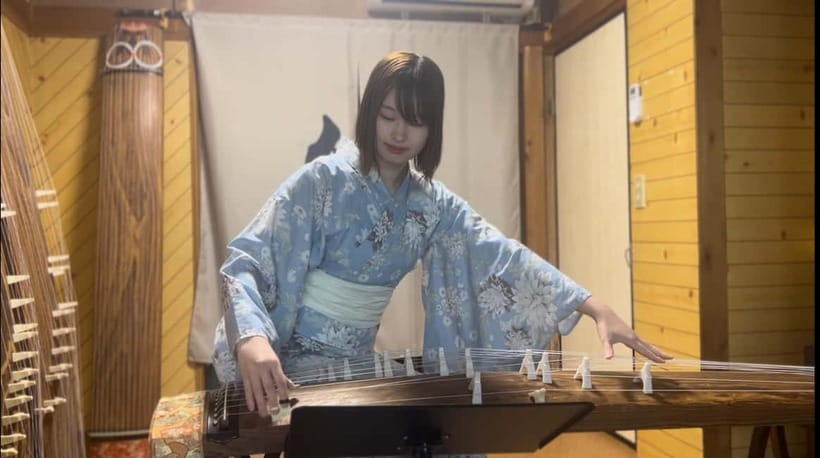
After the introduction, professional musicians perform live. The repertoire can include classical works, contemporary compositions, and original pieces. The program changes with the season or performer, so the exact set list is not fixed.
That mix is a strength. Traditional music gives you a sense of the instruments in their historical context, while contemporary pieces can make their range easier to hear. Original compositions add a personal element: you are not only hearing a preserved tradition, but also music being written and performed now.
Some traditional pieces may include vocals. The voice is part of what makes the program feel varied, particularly when set against instrumental passages. Listen for changes in tone and technique as the musicians move between pieces. The close setting helps you notice how the koto and shamisen can sound different from one moment to the next.
This is a short experience, not a full evening of concert music. Its value comes from the combination of performance, explanation, conversation, and participation. If you mainly want a long recital, check the specific option before booking, since a performance-only format may also be available at a lower price.
Questions, photographs, and a closer look
Once the performance ends, you have time for a Q&A with the performer and an opportunity to take photos. This is a natural moment to ask about the instruments, the music you just heard, or the performer’s technique. The intimate setting gives the conversation a personal feel that can be hard to find after a larger stage performance.
Photos are included, and the experience information also says photos of your session are provided. That can be a useful extra if you want a record of trying the instrument without spending the whole lesson holding your phone. Confirm the details with your host if you have a specific question about how the photos are shared.
The informal exchange is one of the experience’s strongest features. You are not expected to arrive with musical knowledge, and the format encourages questions. If you are a musician, you can ask more technical questions; if you are simply curious, the basic story of the instruments is a good place to start.
Trying the koto with an instructor
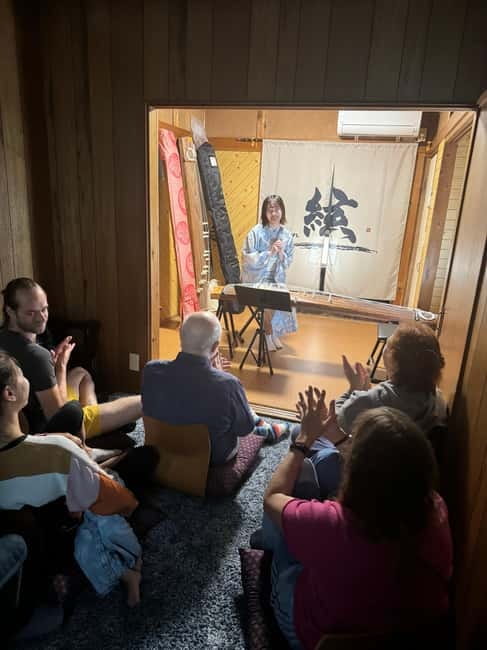
At the end, you get to try playing the koto under a professional’s guidance. The lesson is designed for beginners, and you have use of the instrument and the necessary materials. You work on a simple piece and get a first-hand feel for how the instrument responds.
Do not expect to master the koto in one sitting. The point is to move beyond watching and discover, even briefly, what it takes to make a sound. The short lesson can help you understand the performer’s skill in a new way: a simple melody may come quickly, but the control and expression heard in the concert take much more practice.
The instruction is described as encouraging and accessible, including for people without musical experience. In past sessions, performers have helped participants try their own ideas, and some have played alongside a student. That depends on the person leading your session, but it shows why the personal format can work well for both beginners and musicians.
Families may find the hands-on element more engaging than a concert alone. Still, the activity is not suitable for children under four, and the supplied age restrictions also list babies under one and children under two or three as unsuitable. Since those age limits overlap, check the booking option for its exact rule before bringing a young child.
More Kyoto tours in Kyoto:
- PERFECT KYOTO 1-Day Bus Tour
★ 5.0 · 13,518 reviews - Kyoto: Fushimi Inari, Kinkakuji, Bamboo Grove 1 Day Bus Tour
★ 4.8 · 4,316 reviews - Kyoto: Tea Ceremony in a Traditional Tea House in Kiyomizu
★ 4.9 · 3,519 reviews - Kyoto Geisha Walking Tour: Gion District & Hidden Gems
★ 4.7 · 3,273 reviews
Is $38 good value?
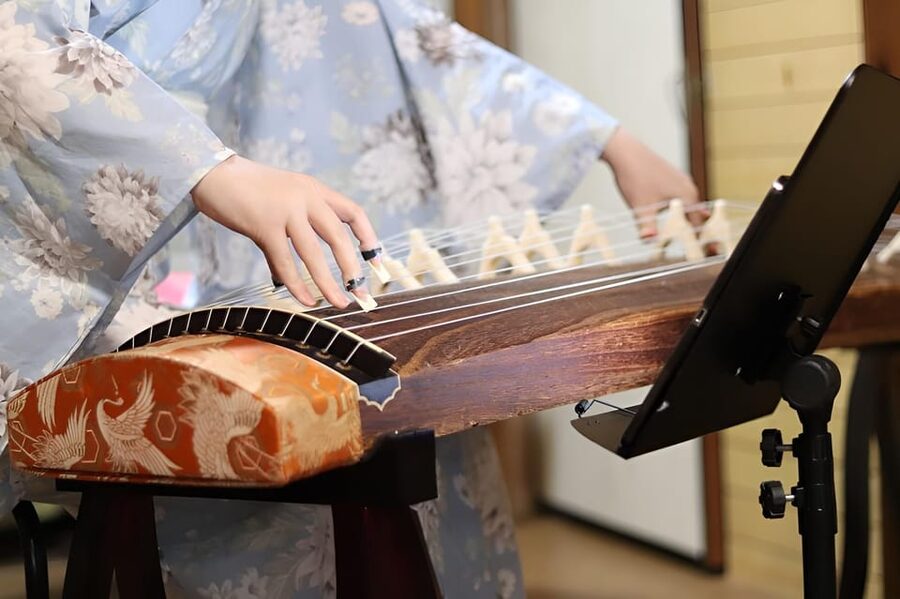
At $38 per person, this is a strong value if you want more than a short performance. The price covers the concert, cultural introduction, instructor guidance, use of the koto, necessary materials, and a private or small-group session, depending on the option. Photos are also included.
The best comparison is not simply concert ticket versus lesson fee. You are getting several parts in one visit: an explanation, live music, conversation, and time to try the instrument. For a visitor who wants an active cultural experience, that combination makes the price easier to justify than a performance alone.
There are limits. Transportation, meals, drinks, souvenirs, and extra koto accessories are not included. The experience lasts about one hour to 100 minutes, and the exact duration depends on the option. If you want a longer lesson or a more advanced course, this beginner-focused session may not meet that goal.
A performance-only option may be available at a lower price. If you mainly want to hear the music, compare that choice with the concert-and-class format. If you are curious about playing, the extra hands-on time is likely the part that makes this experience especially worthwhile.
Getting there and planning your visit
The meeting point can vary by booking option, so check your confirmation rather than navigating to a general neighborhood and hoping for the best. The house is in a residential area, and one attendee found the alley dark and waited outside until five minutes before the show. Give yourself a little extra time to locate the place, particularly if you are arriving after dark.
The area can fit neatly into a day of sightseeing. The listed estimates put Saiin Station within walking distance and describe it as a transfer point between the Hankyu and Randen lines for Arashiyama. The experience is about 25 minutes from Arashiyama by train and on foot, about 20 minutes from Nijo Castle, and roughly 20 to 25 minutes from Kinkakuji by bus and on foot.
Nishiki Market is listed at about 25 minutes by train and on foot, with a direct Hankyu ride toward Karasuma or Kawaramachi. These are approximate travel times, not door-to-door guarantees, and the route depends on your exact meeting point. Check your route before setting out, especially if you are linking the session with another timed activity.
Transportation to and from the house is not included. Let the organizer know in advance about physical limitations or allergies, and avoid arriving late: a late arrival may shorten your session. Booking allows free cancellation up to 24 hours in advance, and a reserve-now, pay-later option is offered.
Who will enjoy this most?
This works best for curious beginners, music lovers, and anyone who wants a cultural activity with personal contact. You do not need to know the instruments beforehand. The short explanation gives you an entry point, and the lesson lets you try something rather than only watch.
It is also a good choice if you have already spent time in Kyoto’s temples and want a different kind of cultural stop. The home setting, conversation, and hands-on lesson make the visit feel distinct from sightseeing at a major landmark. Families with children old enough to meet the stated age rules may appreciate the chance to share an activity rather than simply observe.
It may be less suitable if you want a large concert venue, a fixed repertoire, or a long technical lesson. The program and performer can change, and the session is brief. The location also calls for a little patience, especially if you have trouble finding small residential streets.
Should you book the koto and shamisen experience?
Book it if you want to hear traditional Japanese instruments at close range and would enjoy asking questions or trying the koto yourself. The combination of live performance, cultural introduction, and beginner lesson gives you a fuller experience than a recital alone, while the small house keeps the encounter personal.
If music is your main interest but you are short on time or budget, check whether the performance-only option is available. Either way, arrive with time to find the house, and keep an open mind about the repertoire. The exact program may change, but the chance to listen, learn, and play is the heart of the visit.
FAQ
How long does the experience last?
It lasts about one hour to 100 minutes. Check the available options for the exact duration and start times.
What instruments will I hear?
The experience features the koto and shamisen, played by professional musicians.
Can I try playing the koto?
Yes. At the end, you can try a simple piece with guidance from a professional instructor. The koto and necessary materials are provided.
Do I need musical experience?
No. The session is beginner-friendly, and the instructor guides you through trying a simple piece.
What languages are offered?
The listed languages are English and Japanese.
Is the experience private?
Private or small-group options are available. The meeting point and format may vary depending on the option you book.
Are photos included?
Yes. Photos of your experience are included, and there is also an opportunity to take photos after the performance.
Is the experience suitable for young children?
It is not suitable for children under four. The age restrictions also list babies under one and children under two or three as unsuitable, so check the exact rule for your selected option.
What is not included in the price?
Transportation to and from the location, meals and drinks, souvenirs, and additional koto accessories are not included.
Newly added in Kyoto
- Whisk Your Own Matcha: A Zen Matcha Experience at Temple★ 3.6 · 7 reviews
- Uji: Private immersion into Kyoto’s tea and reglious culture★ 5.0 · 17 reviews
- Kyoto tea town for matcha lovers★ 5.0 · 16 reviews
- Treasures of Kyoto: Gion & historical Walking Tour★ 5.0 · 6 reviews
- Kyoto Matcha Green Tea Tour★ 4.5 · 23 reviews
- Uji and Wazuka Matcha Farm Half Day Private Guided Tour★ 5.0 · 21 reviews
- Uji Tea Ceremony and UNESCO Heritage Walking Tour★ 5.0 · 20 reviews
- Utilising upcycled Matcha! Creating matcha incense (Uji, Kyoto)★ 5.0 · 6 reviews
Kyoto Tours, compared.

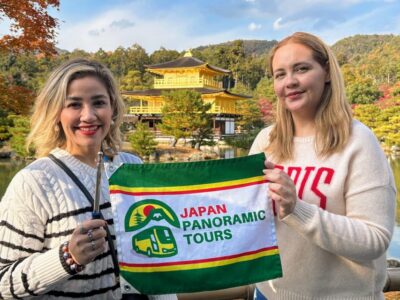
Fushimi Inari, Kinkakuji, Bamboo Grove 1 Day Bus Tour
Read our review →
Tea Ceremony in a Traditional Tea House in Kiyomizu
Read our review →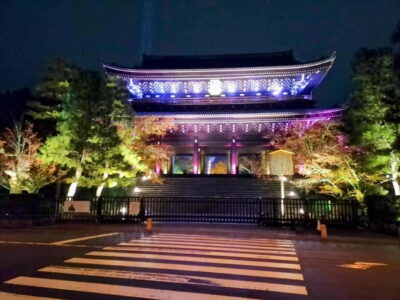
Kyoto Geisha Walking Tour: Gion District & Hidden Gems
Read our review →
Gion Magical Night Walking Tour with Geisha Trivia
Read our review →
Gion Geisha District Walking Tour – Stories of Geisha
Read our review →Browse the lists this tour appears in