Reviewed · KYOTO TOURS
Kyoto: Japanese Koto Musical Instrument Class
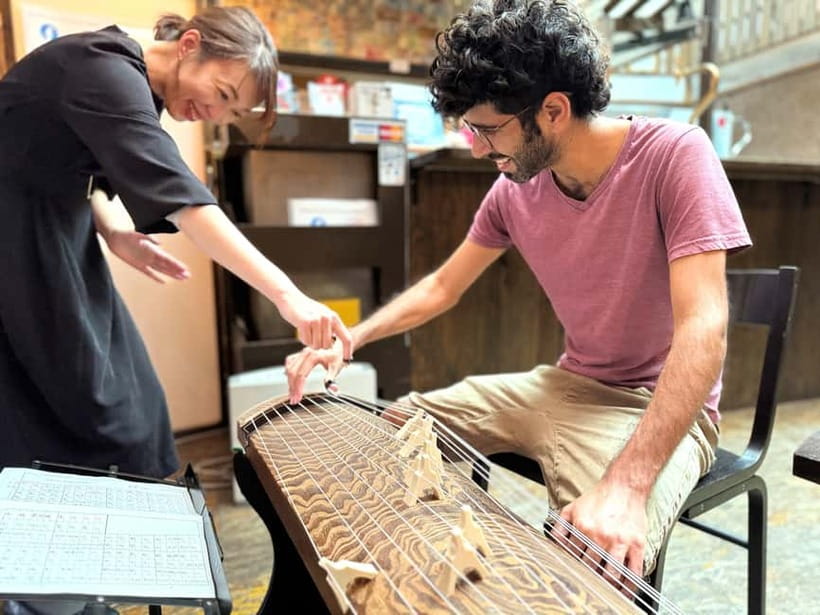
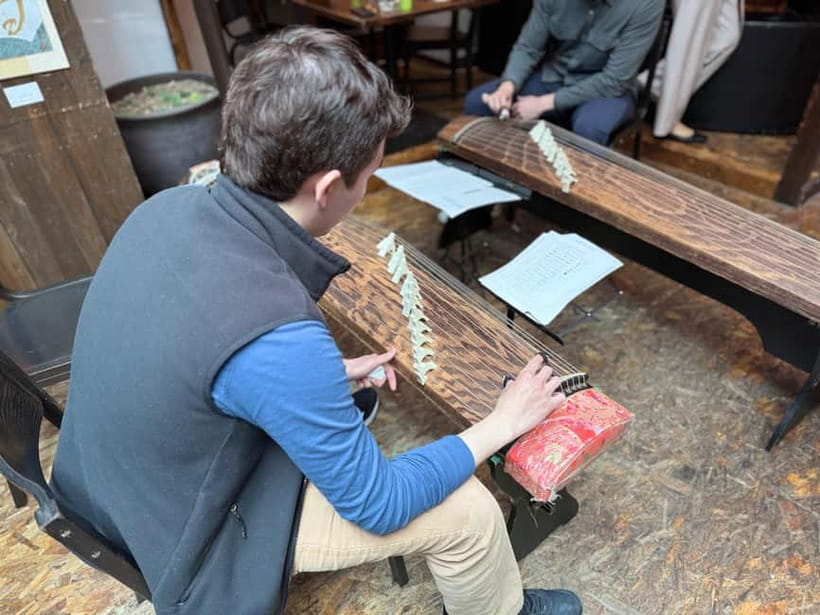
The koto’s long, bright notes can make even a simple melody feel calm and expressive. At this 90-minute Kyoto class, you first hear a live performance, then sit down with the instrument and learn the folk song Sakura Sakura for yourself.
I like the way the lesson moves from listening to playing, so you hear what the koto can do before trying it. I also like the small group limit of 10 and beginner-friendly approach: you do not need musical experience, and the instructor supplies the koto and materials.
One consideration: this is a short introduction, not an in-depth course. Children under 10 cannot join, and at $32 per person, the value depends on how much you want a hands-on cultural activity rather than a concert or a longer lesson.
Key points
- Hear the koto before you play: The class begins with a live performance, giving you a sound to listen for as you learn.
- Try a familiar folk song: You work on Sakura Sakura, with the option to try other songs if you master it.
- No instrument or experience needed: The koto and all necessary materials are provided.
- Small-group teaching: The class is limited to 10 people, and the instructor teaches in English and Japanese.
- Central meeting point: Gojo Paradiso is on Kiyamachi Street by the Takase River, a short walk from Keihan Kiyomizu Gojo Station.
- Plan ahead: You must reserve at least one day in advance. The class is not suitable for children under 10.
From a live koto performance to your first notes
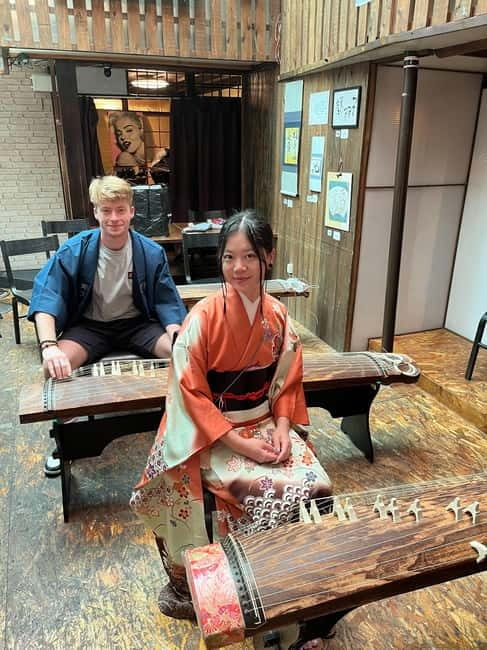
The class begins with listening, which is a useful way into an unfamiliar instrument. Before you try to play, you hear a live performance and get a sense of the koto’s sound: sustained notes, careful phrasing, and a melody that can feel both spare and graceful.
That opening matters. The koto is not simply a curiosity to pose beside; its sound is the heart of the experience. Hearing it played first gives you a reference point, so the lesson is about more than following hand movements. You can start to notice the shape of the tune and the way each note rings out.
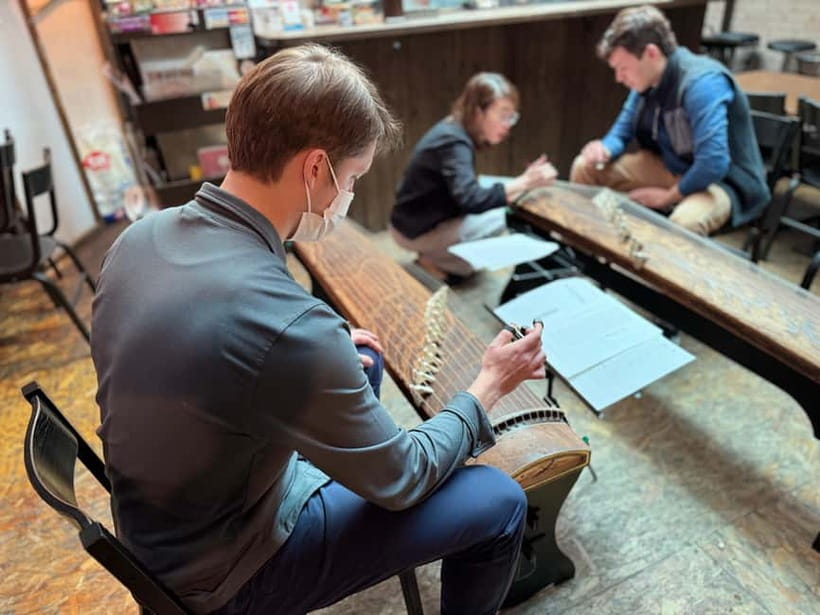
Then the instructor brings you to the instrument. The class is designed for beginners, and all equipment and materials are included, so there is no need to arrive with musical knowledge or bring anything special. You can focus on learning rather than wondering what to buy or how to prepare.
The central goal is Sakura Sakura, a well-known Japanese folk song. Because the tune is familiar to many people, it gives the session a clear destination. You are not just testing a few sounds; you are working toward a recognizable melody.
The instructor guides you through the basics, then you have a chance to play the song yourself. One participant who had never played an instrument before felt able to learn the basics here. That is a promising sign for first-timers, though it is wise to keep expectations modest: in 90 minutes, you are getting an introduction, not mastery.
If you get comfortable with the main piece, you can try other songs. The class does not promise a set list beyond Sakura Sakura, so think of additional music as a possibility rather than a guaranteed part of the lesson. The main reward is the chance to move from listening to making a tune with your own hands.
More Kyoto tours in Kyoto:
- PERFECT KYOTO 1-Day Bus Tour
★ 5.0 · 13,518 reviews - Kyoto: Fushimi Inari, Kinkakuji, Bamboo Grove 1 Day Bus Tour
★ 4.8 · 4,316 reviews - Kyoto: Tea Ceremony in a Traditional Tea House in Kiyomizu
★ 4.9 · 3,519 reviews
A beginner lesson with room for questions
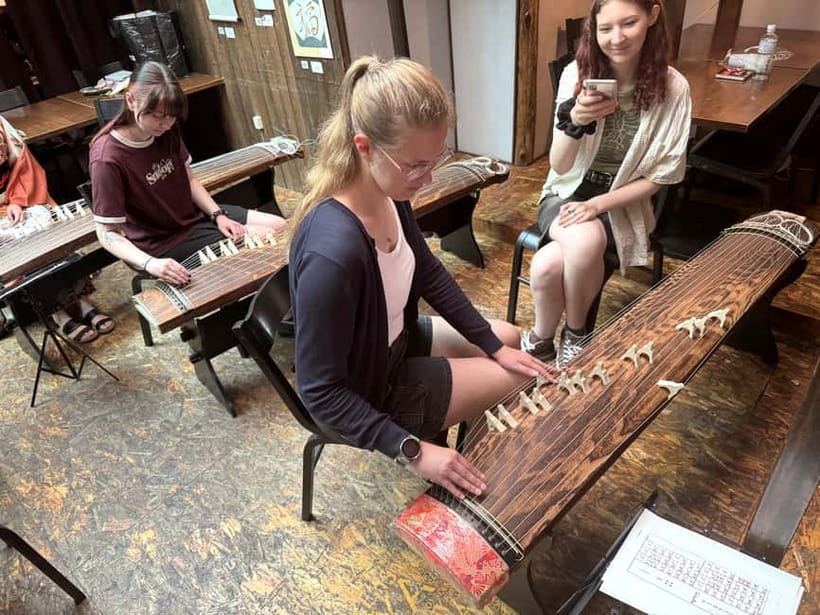
The instructor is the key to a hands-on class, especially when the instrument is new to you. The teaching is described as friendly, patient, and clear, with explanations of how to play and information about the instrument. One name associated with the class is Natsuko, but a particular instructor is not guaranteed. The class lists instruction in both English and Japanese.
That patient approach is worth more than a fast lesson packed with facts. You have time to try, make sense of the sound, and ask for help as you learn. If you have never played music before, that can make the difference between feeling out of your depth and leaving with a simple melody under your fingers.
The group cap is 10 participants. That is small enough to keep the session from feeling like a large demonstration, though it is not a private lesson unless you happen to be the only person booked. One participant was taught alone, but you should not count on having the instructor to yourself.
This format suits curious beginners, music lovers, and anyone who wants to take part in a cultural activity rather than only watch one. If you already play an instrument, you may enjoy comparing the koto’s sound and playing approach with what you know. Still, the lesson is designed to start at the beginning, so an advanced musician should not expect a technical masterclass.
Photos and videos are welcome as a way to capture the experience. Keep your attention on the teaching while the class is underway, then take a moment to record your own playing. The most useful souvenir may be the tune you learned, but a short clip can help you remember how it sounded.
What 90 minutes can and cannot teach you
Ninety minutes is a sensible length for a first encounter. It gives the class time for a performance, an introduction to the instrument, guided practice, and a chance to play Sakura Sakura, without asking you to reserve half a day. That makes it easier to fit into a Kyoto itinerary.
It is also a firm limit on what you should expect to learn. You may leave knowing the basic approach and having tried a song, but the class does not promise fluency or a full understanding of koto technique. If you want to study the instrument seriously, treat this as a first lesson that could help you decide whether to continue.
The option to try another song adds a little flexibility. Some people may be ready to move on after learning the main tune; others may prefer to spend the whole class getting comfortable with it. The description does not specify how the instructor divides the time, so the pace may depend on the group and how quickly participants pick up the basics.
This is not a passive cultural talk. You are there to listen and play, and that hands-on element is the class’s strongest appeal. If you prefer a polished performance with no instruction, a concert would be a better fit. If you want to understand the instrument by trying it, the class gives you a direct way in.
The Gojo Paradiso meeting point by the Takase River
Gojo Paradiso is on Kiyamachi Street along the Takase River. It is about a five-minute walk from Keihan Kiyomizu Gojo Station and a 10-minute walk from Keihan Shichijo Station. The stated distance from Kiyomizu Gojo Station is 386 meters, so this is a fairly convenient stop if you are using the Keihan line.
The riverside setting places the class in a part of Kyoto where you can make the lesson one piece of a broader day. You might pair it with other plans nearby, but the class itself lasts 90 minutes, so leave enough time to arrive without rushing. The venue is the meeting point; the activity information does not promise a broader walking tour or sightseeing stops.
Wheelchair access is available, which is useful when planning, though you may want to confirm any specific access needs with the provider before booking. The class is offered in English and Japanese, so you can choose an option suited to your language needs when checking availability.
Reservations are required at least one day in advance. Starting times vary, so check availability for your date. The booking offers reserve-now, pay-later flexibility and free cancellation up to 24 hours beforehand, which can help if your Kyoto schedule is still taking shape.
Same city, a different side of it:
- Kyoto Geisha Walking Tour: Gion District & Hidden Gems
★ 4.7 · 3,273 reviews - Kyoto: Tea Ceremony Ju-An at Jotokuji Temple
★ 4.9 · 3,207 reviews - Kyoto: Gion Magical Night Walking Tour with Geisha Trivia
★ 4.9 · 2,393 reviews - Kyoto: 45-Minute Tea Ceremony Lesson Experience
★ 4.3 · 2,378 reviews
Is $32 a fair price for a koto lesson?
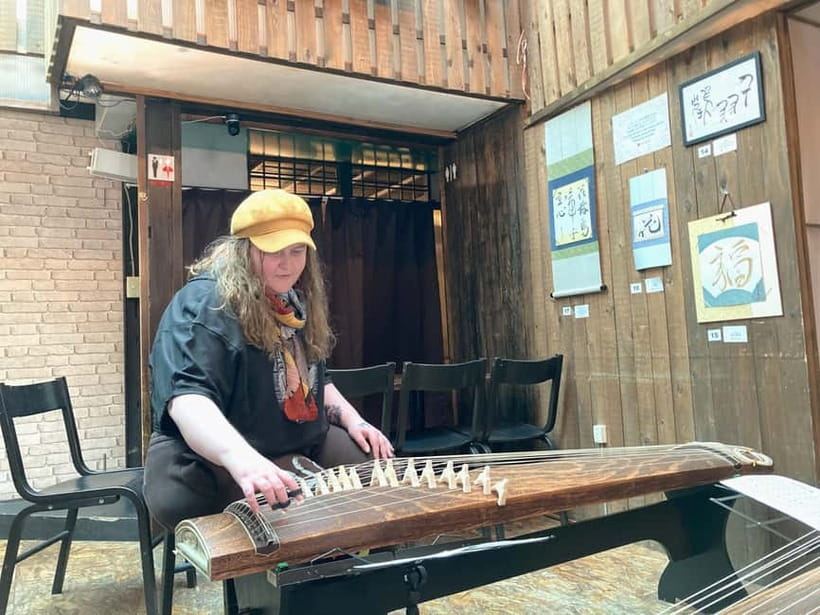
At $32 per person, the price covers a 90-minute class with an instructor, a koto, and all necessary materials. You do not need to rent an instrument or buy supplies, and there is no prior-experience requirement. For a guided, hands-on introduction to a traditional instrument, that is a reasonable package.
The value is strongest if you want to do more than hear a performance. The class lets you try the instrument yourself, learn a recognizable song, and ask for help as you go. That participation makes it a different kind of cultural outing from a concert, where you would listen but not learn to play.
The price may feel less compelling if you want an extended course or advanced instruction. The class is brief by design, and there is no stated follow-up lesson included. Think of the fee as paying for an accessible first encounter, not a complete education in the koto.
The small group size also helps support the price. A cap of 10 means the instructor is teaching a limited number of people, although the class is still shared rather than guaranteed private. If personal attention is your main reason for booking, ask about the group size for your chosen time.
Who will enjoy this Kyoto class most?
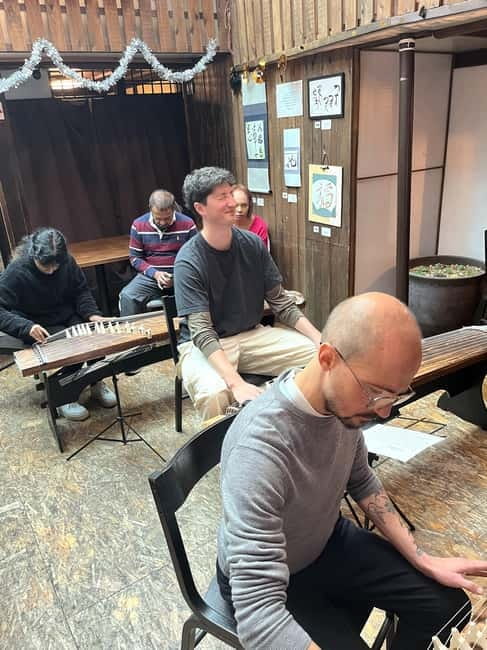
I would put this class high on the list for anyone curious about Japanese music who wants a direct, low-pressure introduction. It is especially suited to beginners, including people who have never played an instrument. You do not need to arrive with musical confidence; the point is to try.
It also works well as a change of pace from Kyoto’s temples, gardens, and walking routes. A short lesson gives you a cultural activity that is participatory and indoors, with a specific skill to take away. The experience may be particularly meaningful if you already have an interest in the koto or have wanted to hear its sound up close.
Families should note the age restriction: children under 10 are not suitable for this class. Older children may be able to join, but the information does not give a special youth format, so consider whether a 90-minute music lesson fits their interests.
If your schedule is packed, the 90-minute duration is manageable, but you still need to account for the walk from the station and arrive ready to start. Book at least a day ahead, check the available times, and avoid assuming you can turn up without a reservation.
Should you book the koto class?
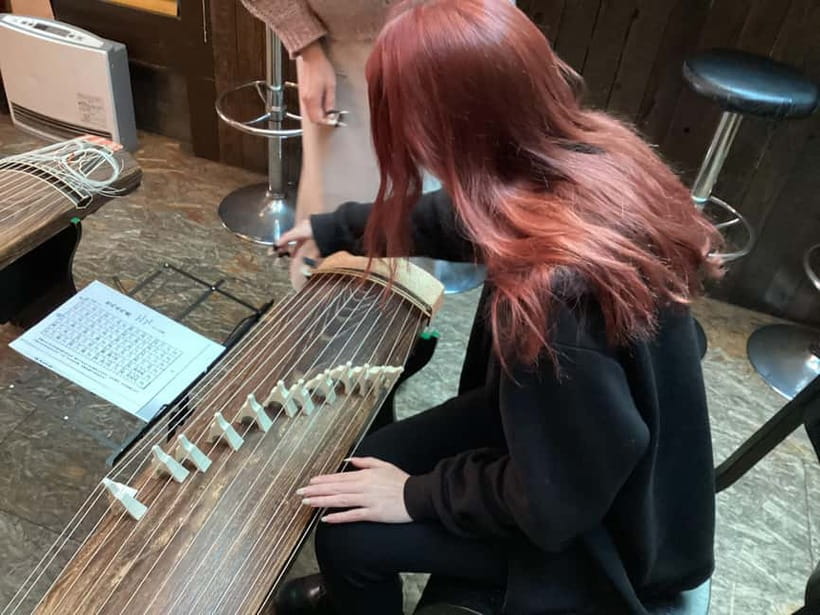
Book it if you want to do something more active than watch a performance and you are happy to spend 90 minutes learning the basics. The live demonstration, patient beginner instruction, and chance to play Sakura Sakura make a well-shaped first meeting with the koto. At $32, the instrument and materials are included, which keeps the experience straightforward.
Skip it if you want an advanced lesson, a long course, or a concert without hands-on teaching. The class is short, and the exact instructor is not guaranteed. For an open-minded beginner with an interest in Japanese music, though, it offers a practical way to hear the koto, try it yourself, and leave with a melody you can remember.
FAQ
How long is the koto class?
The class lasts 90 minutes.
How much does the experience cost?
The price is $32 per person.
Do I need musical experience?
No. The class is beginner-friendly, and no prior experience is required.
Is the koto provided?
Yes. The koto and all necessary materials are included.
What song will I learn?
The class teaches Sakura Sakura. If you master it, you can try other songs.
What languages does the instructor speak?
Instruction is available in English and Japanese.
Where is the meeting point?
The class meets at Gojo Paradiso on Kiyamachi Street, along the Takase River. It is a five-minute walk from Keihan Kiyomizu Gojo Station and a 10-minute walk from Keihan Shichijo Station.
Can children join, and how far ahead should I reserve?
Children under 10 are not suitable for the class. A reservation is required at least one day in advance.
Newly added in Kyoto
- Uji: Private immersion into Kyoto’s tea and reglious culture★ 5.0 · 17 reviews
- Whisk Your Own Matcha: A Zen Matcha Experience at Temple★ 3.6 · 7 reviews
- Kyoto tea town for matcha lovers★ 5.0 · 16 reviews
- Treasures of Kyoto: Gion & historical Walking Tour★ 5.0 · 6 reviews
- Kyoto Matcha Green Tea Tour★ 4.5 · 23 reviews
- Uji and Wazuka Matcha Farm Half Day Private Guided Tour★ 5.0 · 21 reviews
- Uji Tea Ceremony and UNESCO Heritage Walking Tour★ 5.0 · 20 reviews
- Utilising upcycled Matcha! Creating matcha incense (Uji, Kyoto)★ 5.0 · 6 reviews
Kyoto Tours, compared.

Fushimi Inari, Kinkakuji, Bamboo Grove 1 Day Bus Tour
Read our review →
Tea Ceremony in a Traditional Tea House in Kiyomizu
Read our review →
Kyoto Geisha Walking Tour: Gion District & Hidden Gems
Read our review →
Gion Magical Night Walking Tour with Geisha Trivia
Read our review →