Reviewed · KYOTO TOURS
Kyoto: Kaiseki Reservation at Hanasaki Manjiro
Hanasaki Manjiro turns dinner into a chance to experience old Kyoto from indoors. You enter a 120-year-old machiya townhouse in Higashiyama and sit down to seasonal kaiseki, a series of carefully prepared courses shaped by local ingredients and the time of year.
I like two things in particular: the setting gives a meal real context, and the kitchen’s focus on Kyoto vegetables and seasonal flavors makes the menu feel connected to place. One point to plan for: this is a restaurant reservation only, so you will need to find your own way there and should not expect a guide or a sightseeing program.
Key points before you book
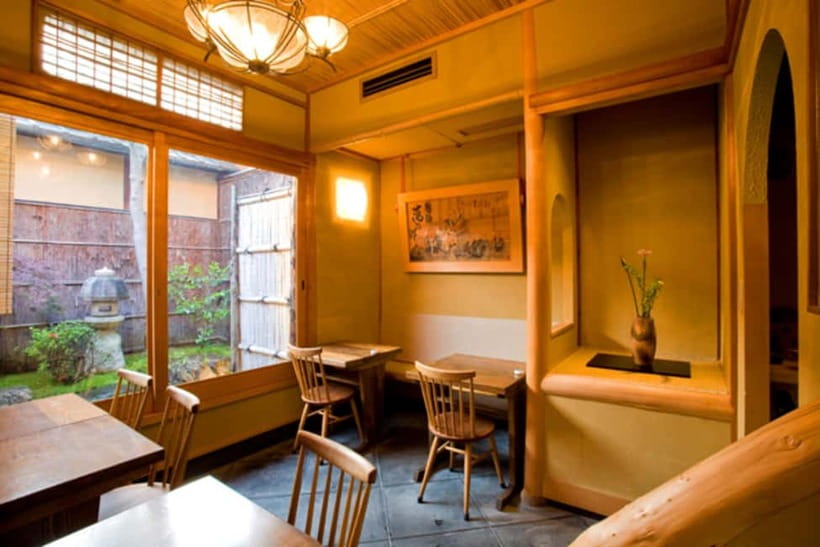
- A historic townhouse setting: Hanasaki Manjiro occupies a restored machiya said to be about 120 years old.
- A seasonal, multi-course meal: The menu features Kyoto vegetables and local ingredients. Some diners have had a nine-course meal, though the exact menu can vary.
- A quieter pause in Higashiyama: The restaurant is near Kodaiji Temple and within walking distance of Chion-in and Kiyomizu-dera.
- Tatami rooms and garden views: Private rooms offer a traditional style of dining and views of a tranquil garden.
- A meal, not a tour: Your reservation includes the meal and table booking. Drinks other than water and personal expenses cost extra.
A machiya meal in the old town
A machiya is a traditional Kyoto townhouse, and the age of this one is more than a decorative detail. It gives your meal a setting that feels distinct from a standard restaurant room, while placing you in Higashiyama, one of Kyoto’s most atmospheric districts.
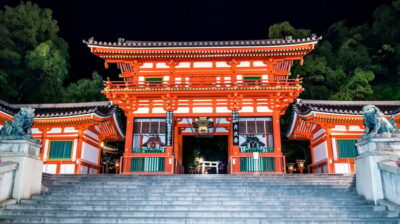
Hanasaki Manjiro sits near Kodaiji Temple along Higashiyama Sando, a scenic route through an area known for its cultural sights. You can make the meal part of a day spent around temples and old-town streets, or use it as a calm break between sightseeing stops.
The restaurant description emphasizes greenery and a quiet atmosphere. Private tatami rooms look onto a garden, offering a more intimate setting than a busy dining room. If you have never eaten on tatami, the traditional room itself may be part of the experience. Details such as the exact room assigned are not specified, so do not assume every booking guarantees a particular view or a private room.
This is a reservation for a restaurant, not a guided walk through Higashiyama. That distinction matters. You will need to plan your route, arrive at the restaurant yourself, and make your own sightseeing arrangements. In return, you can set the pace of your day rather than follow a group schedule.
More Kyoto tours in Kyoto:
- PERFECT KYOTO 1-Day Bus Tour
★ 5.0 · 13,518 reviews - Kyoto: Fushimi Inari, Kinkakuji, Bamboo Grove 1 Day Bus Tour
★ 4.8 · 4,316 reviews - Kyoto: Tea Ceremony in a Traditional Tea House in Kiyomizu
★ 4.9 · 3,519 reviews
What the kaiseki meal is designed to do
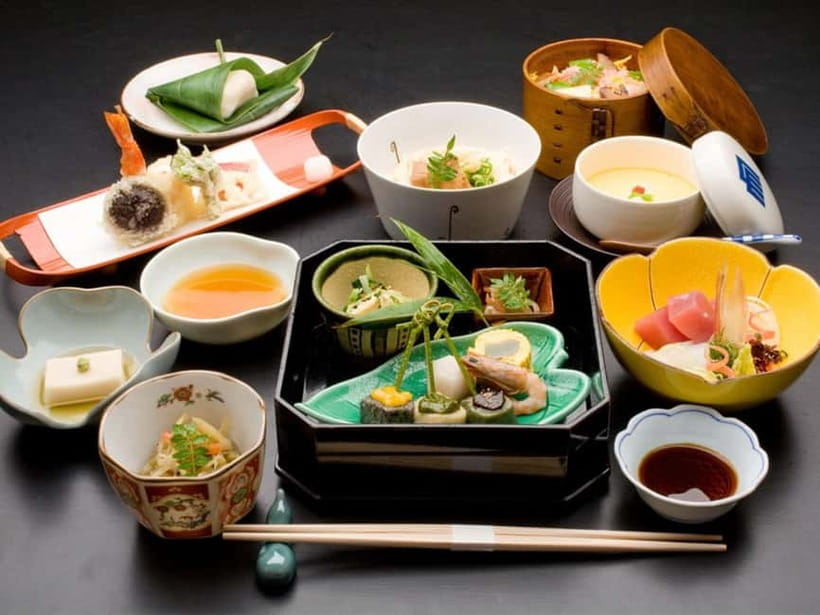
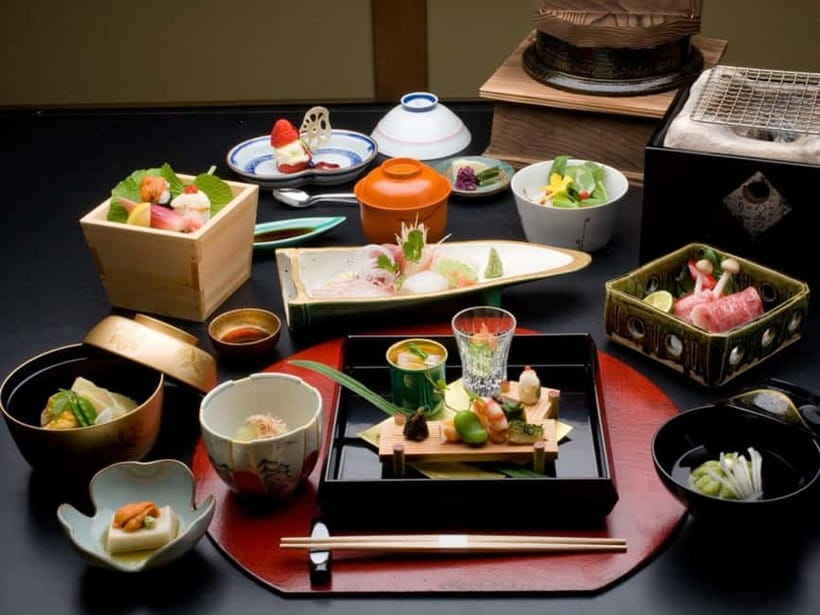
Kaiseki is a multi-course style of Japanese dining that gives attention to season, balance, presentation, and the order in which dishes arrive. At Hanasaki Manjiro, the stated focus is on seasonal Kyoto cuisine, including local ingredients and Kyoto vegetables.
That seasonal emphasis is the reason to choose this kind of meal over a quick lunch. The point is not simply to fill a plate, but to notice how ingredients, colors, and preparation reflect the time of year. The dishes are described as delicate and carefully presented, so expect a meal that asks you to slow down and pay attention.
A nine-course menu has been served here, and diners have described the portions as generous. The exact course count and dishes may depend on the menu available for your reservation, so it is sensible to check what is included before you book if portion size or a particular ingredient matters to you. One diner found the meal substantial enough that the restaurant packed eel rice to take away. That is a useful reminder: arrive hungry, and do not schedule a large meal immediately before this one.
The available details do not name the dishes in advance. That is normal for a seasonal menu, but it means you should not book expecting a specific item such as wagyu or shrimp. Those ingredients have appeared in diners’ meals, but the menu can change. If you have dietary needs, ask the restaurant before reserving rather than assuming a particular accommodation.
Two hours to eat at a slower pace
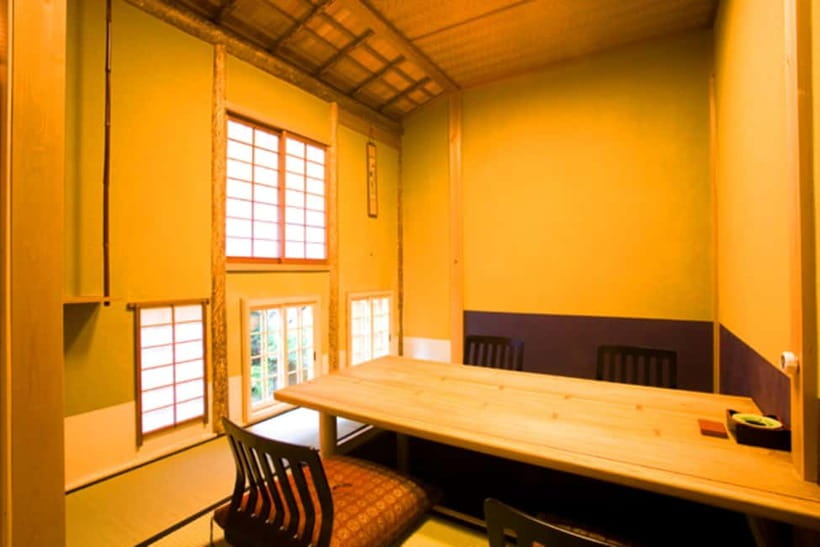
The experience lasts about two hours. That gives you time to enjoy a multi-course dinner without treating it like a hurried stop between temples. A kaiseki meal unfolds course by course, and the length is part of its appeal: you can look closely at each plate, taste the seasonal ingredients, and enjoy the townhouse setting between dishes.
Two hours is also worth factoring into your sightseeing plan. Kiyomizu-dera, Chion-in, and Kodaiji Temple are all nearby, but fitting in a substantial temple visit immediately before dinner may leave you rushing. I would leave room for the walk, the meal, and any time you want to spend around the neighborhood afterward.
The restaurant is about a 10-minute walk from Gion-Shijo Station on the Keihan Main Line and about a 15-minute walk from Kawaramachi Station on the Hankyu Kyoto Line. Those are useful reference points when planning your route. The reservation information says to enter the restaurant directly at your reservation time; no guide meets you at a station.
Staff explanations and the value of the setting
Part of a seasonal meal is understanding what is on the plate. Diners have described staff explaining the dishes in detail and making sure they had what they needed. That kind of explanation can help you notice ingredients or preparations you might otherwise miss, especially if this is your first kaiseki meal.
Still, it is important to distinguish restaurant hospitality from a guided cultural tour. Your booking does not include a guide, and it does not promise a structured lesson about Japanese food or history. You can ask questions at the table, but the central experience is the meal itself.
The setting adds value beyond the food. A meal in a historic townhouse, with a garden view from a tatami room, can feel more connected to Kyoto than dining in a modern hotel restaurant. That does not mean the atmosphere will suit everyone. If you prefer a casual meal, a fast service style, or a familiar menu, this may feel formal and slow. If you enjoy meals as a way to understand local customs and ingredients, the extra time and attention are likely to make sense.
Maiko or geiko performances can be arranged upon request, but they are not stated as part of the standard reservation. Treat this as an optional arrangement to confirm directly, not something included in the $48 price.
Same city, a different side of it:
- Kyoto Geisha Walking Tour: Gion District & Hidden Gems
★ 4.7 · 3,273 reviews - Kyoto: Tea Ceremony Ju-An at Jotokuji Temple
★ 4.9 · 3,207 reviews - Kyoto: Gion Magical Night Walking Tour with Geisha Trivia
★ 4.9 · 2,393 reviews - Kyoto: 45-Minute Tea Ceremony Lesson Experience
★ 4.3 · 2,378 reviews
Is $48 good value for kaiseki?
At $48 per person, the price includes a full-course menu, sales tax, and the reservation. Drinks other than water are not included, and you should allow for any personal expenses separately.
The value depends on what you want from dinner. You are paying for more than a meal in the narrow sense: the price covers a multi-course format, a traditional townhouse setting, seasonal local cooking, and the convenience of a reserved table in a popular sightseeing district. For a special meal or a first introduction to kaiseki, that combination can be appealing.
The price is less compelling if you want a quick, inexpensive dinner or would rather choose dishes individually. You also cannot judge value by the number of courses alone. The menu changes, and the specific ingredients available on your date are not listed. Think of this as a planned cultural dining experience, not a budget meal.
Water is included, but other drinks are extra. If you want to keep costs predictable, remember to account for that when comparing the reservation price with other dinner options.
Where to fit it into a Higashiyama day
The location works well with a day in eastern Kyoto. Kodaiji Temple is nearby, and both Chion-in and Kiyomizu-dera are within walking distance. You can build a temple-focused itinerary around the meal, then use the reservation as a reason to pause rather than race from one landmark to the next.
The restaurant’s position along Higashiyama Sando also makes the walk part of the outing. This area has a strong old-town atmosphere, and the contrast between sightseeing outdoors and settling into a traditional townhouse is a practical pleasure. Just keep an eye on the clock. The booking has a set start time, and walking distances can take longer when you stop along the way.
You do not need a guide to enjoy the meal, but you do need to arrive independently. The listed station walks make that straightforward for people already exploring central Kyoto. If you are planning around a mobility need, the activity is marked wheelchair accessible. For precise details about the route, room, or facilities, contact the provider before booking.
Who should reserve a table here?
I would consider Hanasaki Manjiro if you want one carefully planned dinner in Kyoto and value atmosphere as much as the food. It is a good fit for a special occasion, a date, or a traveler curious about seasonal Japanese cuisine. The intimate townhouse setting and multi-course format make it feel more deliberate than an everyday restaurant stop.
It also suits people who enjoy trying unfamiliar ingredients and letting the kitchen set the menu. If you need full control over every dish, want a fast meal, or have strict dietary requirements, ask questions before committing. The available information does not promise a specific menu or list dietary substitutions.
Families or larger parties should also think about the intimate setting and the two-hour duration. No minimum age or group size is specified, so confirm those details directly if they affect your plans. The same applies if you hope to arrange a maiko or geiko performance: it may be possible on request, but it is not part of the standard reservation.
Should you book Hanasaki Manjiro?
Book it if a seasonal kaiseki meal in a historic Kyoto townhouse sounds like a meaningful part of your visit, not just a way to get dinner. The strongest reasons are the traditional setting, the attention to local and seasonal ingredients, and the location near Higashiyama’s major temples.
Skip it if you are mainly after a quick, low-cost meal or expect a guide to explain the neighborhood. This is a restaurant reservation, and its value comes from sitting down, eating at a measured pace, and enjoying the setting. At $48 per person, it can be a memorable use of a dinner slot, especially if you arrive hungry and leave room in your day.
FAQ
How long does the Hanasaki Manjiro experience last?
The dining experience lasts about two hours.
How much does the reservation cost?
The listed price is $48 per person. It includes the full-course menu, sales tax, and the reservation.
What food is included?
The reservation includes a seasonal full-course kaiseki meal featuring Kyoto vegetables and local ingredients. The exact dishes may vary.
Are drinks included?
Water is included. Other drinks are not included in the price.
Is a guide included?
No. This is a restaurant reservation only, and no guide is provided. You enter the restaurant directly at your reservation time.
How do I get to the restaurant from a train station?
It is about a 10-minute walk from Gion-Shijo Station on the Keihan Main Line and about a 15-minute walk from Kawaramachi Station on the Hankyu Kyoto Line.
Can I cancel for a refund?
Yes. You can cancel up to 24 hours in advance for a full refund.
Newly added in Kyoto
- Uji: Private immersion into Kyoto’s tea and reglious culture★ 5.0 · 17 reviews
- Whisk Your Own Matcha: A Zen Matcha Experience at Temple★ 3.6 · 7 reviews
- Kyoto tea town for matcha lovers★ 5.0 · 16 reviews
- Treasures of Kyoto: Gion & historical Walking Tour★ 5.0 · 6 reviews
- Uji and Wazuka Matcha Farm Half Day Private Guided Tour★ 5.0 · 21 reviews
- Kyoto Matcha Green Tea Tour★ 4.5 · 23 reviews
- Uji Tea Ceremony and UNESCO Heritage Walking Tour★ 5.0 · 20 reviews
- Utilising upcycled Matcha! Creating matcha incense (Uji, Kyoto)★ 5.0 · 6 reviews
Kyoto Tours, compared.

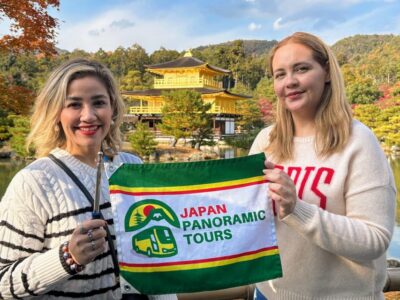
Fushimi Inari, Kinkakuji, Bamboo Grove 1 Day Bus Tour
Read our review →
Tea Ceremony in a Traditional Tea House in Kiyomizu
Read our review →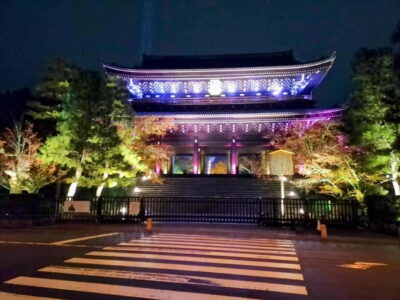
Kyoto Geisha Walking Tour: Gion District & Hidden Gems
Read our review →
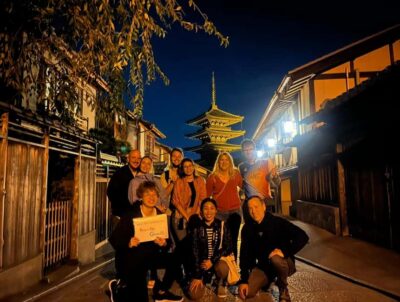
Gion Magical Night Walking Tour with Geisha Trivia
Read our review →