
Reviewed · KYOTO FOOD TOURS
Kyoto: Replica food making experience
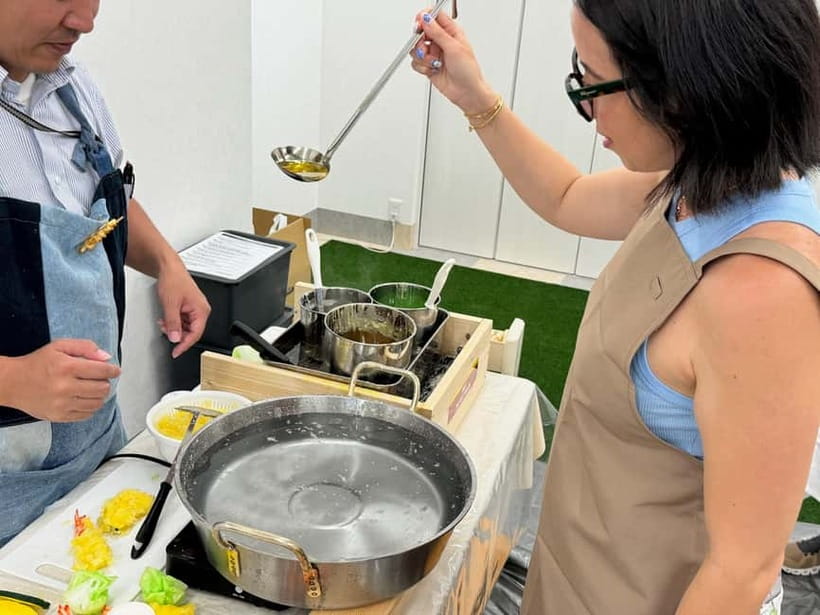
Japan’s plastic food displays are more than restaurant decoration: they help diners see what is on the menu before they order. At this Kyoto workshop, you get to make your own, shaping hot wax into tempura that looks good enough to eat.
I like two things in particular: you get a hands-on look at a distinctly Japanese craft, and you take home the replica you make in supermarket-style packaging. One consideration is that the process uses hot wax, so children need supervision, and the workshop is not suitable for children under six.
Key points to know
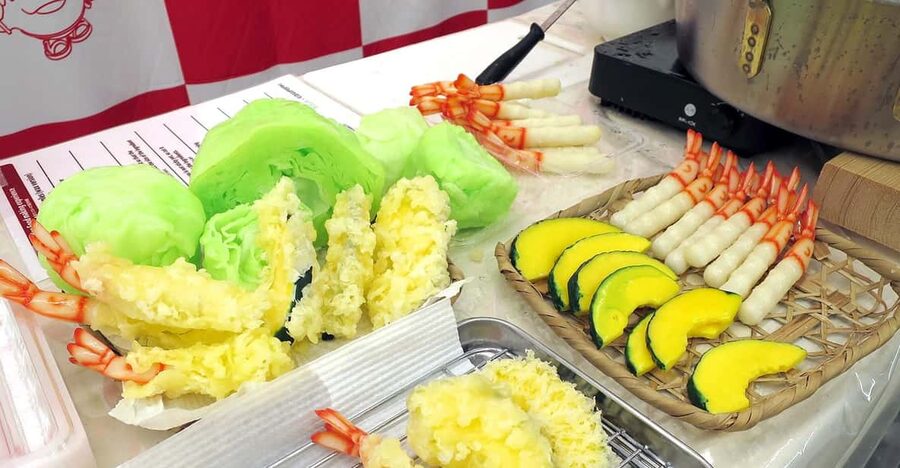
- Make shrimp and pumpkin tempura: Shape wax in hot water, then form a realistic-looking batter around the pieces.
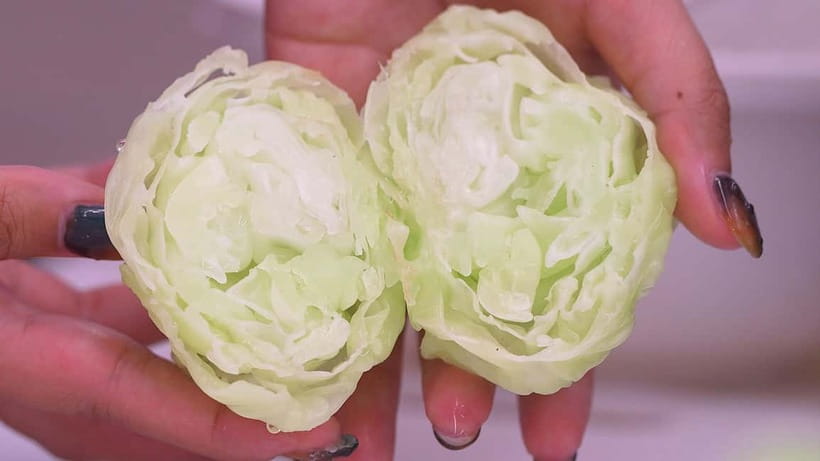
- Try an optional lettuce project: Ask about making lettuce if you would like a different replica.
- Learn why food models matter: Japan’s replica samples let restaurants show menu items outside, helping you choose before you sit down.
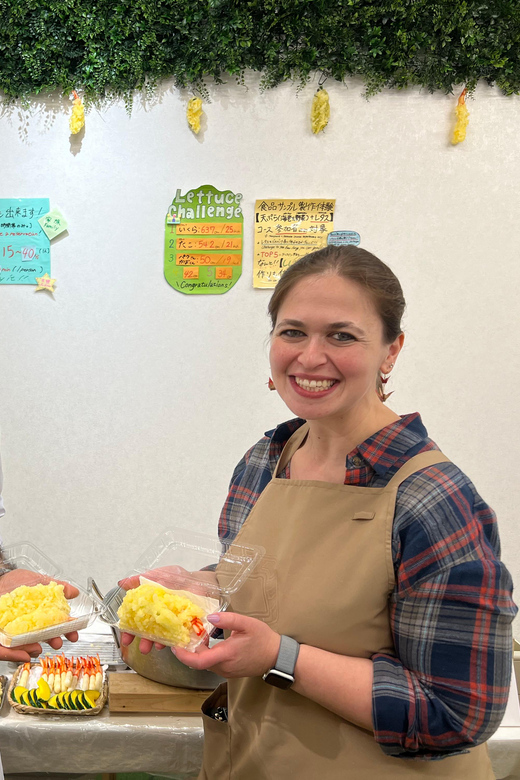
- Take home your own creation: The finished piece is packaged like a real food item, but it is strictly for display.
- Keep the group small: A maximum of four participants means there is room for guidance and questions.
- Plan for about an hour: The workshop costs $22 per person and takes place near Sanjo Meiten-gai and Nishiki Market.
A Kyoto craft hiding in plain sight
Food replicas are a familiar feature outside Japanese restaurants. A plastic bowl of ramen or plate of tempura can make a menu easier to understand at a glance, especially if you do not read Japanese. This workshop gives you a closer look at how one of those convincing displays takes shape.
The experience is hands-on, not just a demonstration. You work with wax, hot water, and shaping techniques to create shrimp and pumpkin tempura. The aim is a lifelike model, not a perfect copy on your first try. That makes the task engaging: you have to pay attention to how you handle the material and how the batter forms around each piece.
The craft also makes an appealing break from Kyoto’s temples and shops. In an hour, you can learn something practical about a familiar part of Japanese restaurant culture and leave with an object you made yourself. It is a small activity, but a memorable change of pace.
More food tours in Kyoto:
- Ramen Cooking Class at Ramen Factory in Kyoto
★ 5.0 · 1,937 reviews - Kyoto Night Foodie Tour in Gion (9+ dishes + 6 Sake tastings)
★ 5.0 · 1,762 reviews - Kyoto: Izakaya Bars Guided Walking Tour
★ 4.9 · 815 reviews
From hot water to a plate of tempura
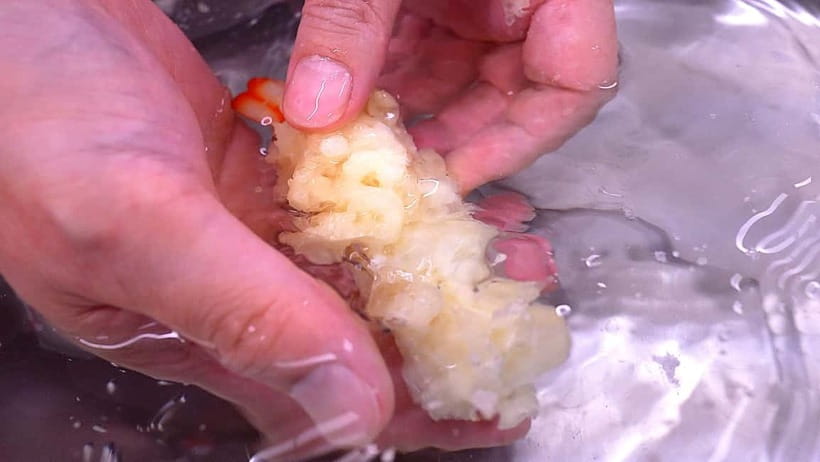
The central project is making tempura from melted wax. You pour the wax into hot water, shape it while it is pliable, and work it into the form of shrimp or pumpkin. Then you wrap each piece in a batter-like coating to give it the familiar look of fried tempura.
The technique takes some practice. One participant learned that dropping the wax from different heights can create different textures, a useful detail when you want the surface to look less smooth and more like crisp batter. Expect to follow the instructor’s directions closely, then try the steps yourself. The challenge is part of the fun, and a little unevenness is no reason to worry: the finished piece is meant to look like food, not a factory-made product.
You may also be able to make a lettuce replica. If you are choosing between projects, ask the instructor what is available when you book or arrive. The core activity described is shrimp and pumpkin tempura, while lettuce is an option rather than a guaranteed part of every session.
The wax is hot, so follow the instructor’s guidance and keep children close. Aprons and chef jackets have been available, but a participant also advised wearing clothes you would not mind getting wax on. It is sensible to dress for a craft activity rather than a special dinner.
Why Japan puts fake food outside restaurants
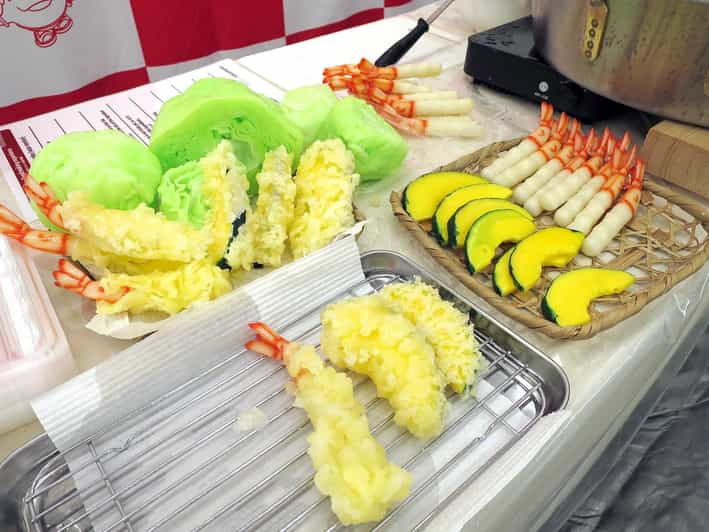
Replica food, often called shokuhin sampuru, helps restaurants show dishes to people passing by. A convincing model can communicate portion size, ingredients, and presentation without requiring a customer to study a menu. Seeing how these displays are made adds context to something you may have noticed across Japan.
That cultural connection is what makes the workshop more than a souvenir stop. You learn how the wax is shaped and why small differences in texture matter. You can then look at restaurant displays with a better eye, noticing how a model conveys the crisp edge of tempura or the color of a dish.
The lesson is accessible even if you have little Japanese. English and Japanese are listed as workshop languages, and participants have found that clear demonstrations and simple directions can help when conversation is limited. If you run into a language gap, a translation app may be useful. The group size, capped at four, also makes it easier to ask for help than in a large class.
A small group, with room to try again
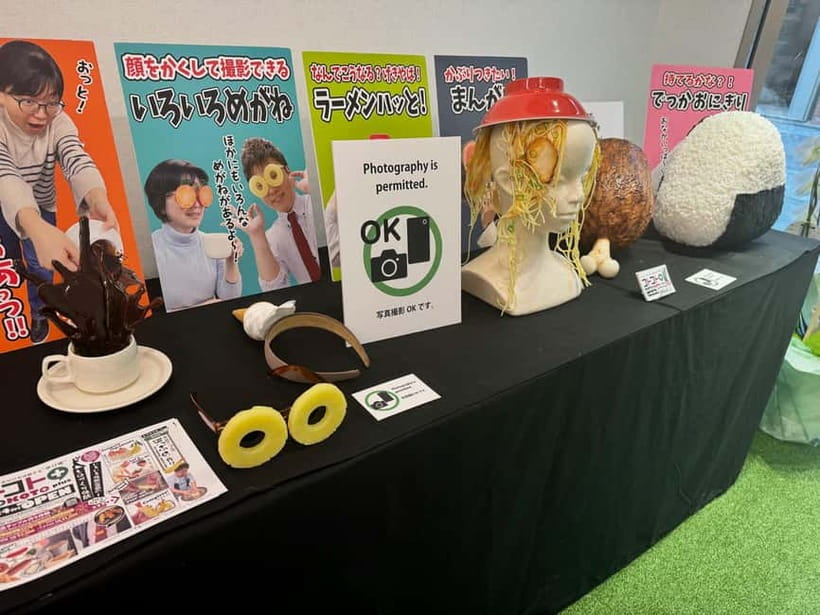
With no more than four participants, the session has a personal feel. The instructor can demonstrate the process, watch you try it, and offer tips when the wax or batter does not behave as you expected. That matters in a craft where timing and hand movements shape the final result.
The pace is not meant to be rushed. The workshop lasts about an hour, though one participant found their session took around 45 minutes. Allow the full hour in your plans, especially if you want time to take photos or ask questions. Your actual pace may depend on the group and the projects being made.
The friendly, patient teaching style is a strong part of the experience. Instructors have helped with practice before the take-home piece, explained the steps clearly, and used translation tools when needed. You should still arrive at your reserved time: the activity begins with an explanation for the group, and late arrival could mean missing the instructions.
More Kyoto tours in Kyoto:
- PERFECT KYOTO 1-Day Bus Tour
★ 5.0 · 13,518 reviews - Kyoto: Fushimi Inari, Kinkakuji, Bamboo Grove 1 Day Bus Tour
★ 4.8 · 4,316 reviews - Kyoto: Tea Ceremony in a Traditional Tea House in Kiyomizu
★ 4.9 · 3,519 reviews - Kyoto Geisha Walking Tour: Gion District & Hidden Gems
★ 4.7 · 3,273 reviews
The finished replica goes home with you
At the end, you take home the food sample you made, packaged to resemble a supermarket item. That detail makes the souvenir feel complete and gives you a fun object to show friends or family. It is also light on itinerary time: you do not need to set aside half a day to come away with something personal.
Just remember, the tempura is not edible. The packaging and realistic finish are part of the joke, but these pieces are for display only. Keep that in mind if you are traveling with children or placing the souvenir in a shared kitchen.
You may also get photos or videos during the session, but treat that as a possible bonus rather than a promised feature. The main keepsake is the replica itself, made by you and carried home in its food-style package.
A convenient stop near central Kyoto sights
The meeting point is diagonally across from Kani Douraku, which is easy to identify by its large crab sign. The workshop is in the Sanjo Meiten-gai shopping arcade, and it is described as being not far from Nishiki Market. That makes it easy to pair with shopping, a market visit, or a meal nearby.
The location has a pleasing bit of irony: after spending an hour making food that looks delicious but cannot be eaten, you are close to places where you can find the real thing. You might well leave hungry. Treat the class as one stop in a neighborhood outing, rather than a stand-alone day trip.
The precise address and directions should be checked with your booking details before you set out. The crab sign is a useful landmark, but arriving on time matters because the instructor needs to explain the process to the group together.
Is $22 good value for an hour?
At $22 per person, the price covers the workshop, materials, and the replica you make. You are paying for instruction and a participatory craft, not simply for a small plastic souvenir. If you value activities that connect you with local culture and give you something to take home, that is a fair use of an hour in Kyoto.
The value is especially clear for families, couples, or friends who want a shared activity. Each person can make a keepsake, and the process is engaging without requiring prior craft experience. The small group size is another advantage: with only four places, there is more opportunity for individual help.
It may be less appealing if you prefer museums, temples, or outdoor sightseeing, or if you are trying to fill a long stretch of your day. This is a short workshop, not an in-depth course in replica food production. Its appeal is a clear, enjoyable introduction and a finished piece you can take away.
Who should book this workshop?
Families with children aged six and up, couples, and curious solo visitors are all well suited to the activity. It works particularly well if you want a creative break from sightseeing or have already noticed food displays outside restaurants and wondered how they are made. The small group gives the instructor a chance to help each participant.
For children, the hot wax is the key concern. The workshop may ask parents to help, so plan to stay involved rather than expecting a drop-off activity. Children under six are not suitable for this experience.
If you have limited luggage space, consider the size of the finished item before you book. The replica is a distinctive souvenir, but it is still an object to pack. The lettuce option may offer a different project, but confirm availability rather than assuming you can make both lettuce and tempura.
My take: a worthwhile Kyoto change of pace
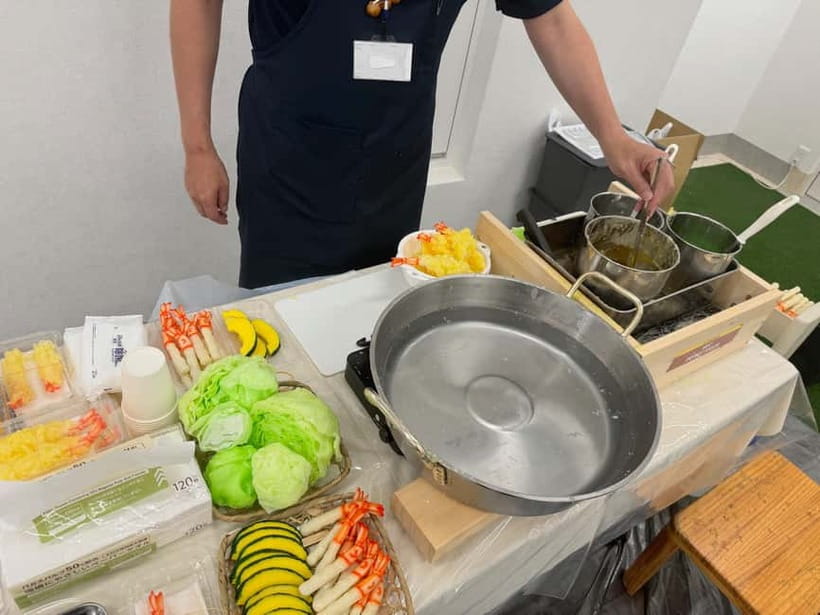
I would book this if I wanted a short, hands-on activity with a clear connection to Japanese everyday culture. The process is unusual, the instructors provide practical help, and the take-home tempura gives the hour a satisfying finish. Its proximity to Nishiki Market and the Sanjo shopping arcade also makes it easy to fit into a day.
Skip it if you want a long or highly technical class, or if hot-wax crafts are not a good fit for your group. Otherwise, $22 buys more than a novelty: you get to try a distinctive craft and understand a familiar part of Japan’s restaurant scene from the maker’s side.
FAQ
How long does the replica food workshop take?
The activity is scheduled for one hour. Some sessions may take around 45 minutes, but allow the full hour in your plans.
How much does it cost?
The listed price is $22 per person. The experience includes the activity, materials, and the food replica you make.
What will I make?
The main project is shrimp and pumpkin tempura made from wax. Lettuce is offered as an optional project.
Is the finished replica edible?
No. It is for display only, even though it is designed to look like real food.
What languages are offered?
The instructor languages are listed as English and Japanese. If communication is difficult, a translation app may help.
How many people are in each group?
The workshop is limited to four participants.
Can children take part?
Children under six are not suitable for the activity. Parents may be asked to assist children because the process uses hot wax.
Where is the meeting point?
Meet diagonally across from Kani Douraku, identified by its large crab sign. The workshop is in the Sanjo Meiten-gai shopping arcade, not far from Nishiki Market.
Newly added in Kyoto
- Uji: Private immersion into Kyoto’s tea and reglious culture★ 5.0 · 17 reviews
- Whisk Your Own Matcha: A Zen Matcha Experience at Temple★ 3.6 · 7 reviews
- Kyoto tea town for matcha lovers★ 5.0 · 16 reviews
- Treasures of Kyoto: Gion & historical Walking Tour★ 5.0 · 6 reviews
- Kyoto Matcha Green Tea Tour★ 4.5 · 23 reviews
- Uji and Wazuka Matcha Farm Half Day Private Guided Tour★ 5.0 · 21 reviews
- Uji Tea Ceremony and UNESCO Heritage Walking Tour★ 5.0 · 20 reviews
- Utilising upcycled Matcha! Creating matcha incense (Uji, Kyoto)★ 5.0 · 6 reviews
Kyoto Food Tours, compared.
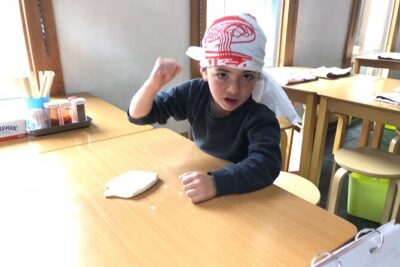
Ramen Cooking Class at Ramen Factory in Kyoto
Read our review →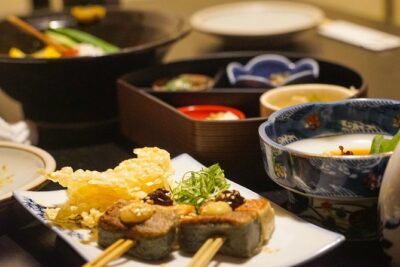
Kyoto Night Foodie Tour in Gion (9+ dishes + 6 Sake tastings)
Read our review →
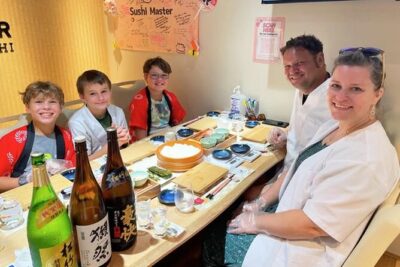
Sushi Making in Kyoto! Same-day bookings welcome!
Read our review →
Insider Sake Brewery Tour with Sake and Food Pairing
Read our review →
Ramen Cooking Class at a Ramen Factory with Souvenir
Read our review →
The Original Small-Group Sushi Making Class in Kyoto
Read our review →Browse the lists this tour appears in