
Reviewed · KYOTO SAMURAI & NINJA EXPERIENCES
Kyoto: Samurai Ninja Museum guided tour
Samurai history here comes with a helmet, a replica sword, and a chance to throw a shuriken. This one-hour visit mixes a guided look at samurai and ninja history with hands-on activities, making it a lively change of pace from Kyoto’s temples and shrines.
I like two things in particular: the English-speaking guide gives the objects and history a human context, and the dress-up and ninja-star activities make the visit easy to enjoy with children as well as adults. Guides including Miu, Akiko, Sayo, and Ko are praised for clear explanations and for drawing people into the conversation.
The main consideration is the short running time. An hour is enough for an engaging introduction, not a long, detailed museum visit, and the listed group-size information is inconsistent: it says both up to 10 and a maximum of 30 participants. Check the details for your chosen time before booking.
Key points before you book
- Try a shuriken throw: The ninja-star activity is included and gives the tour a playful finish.
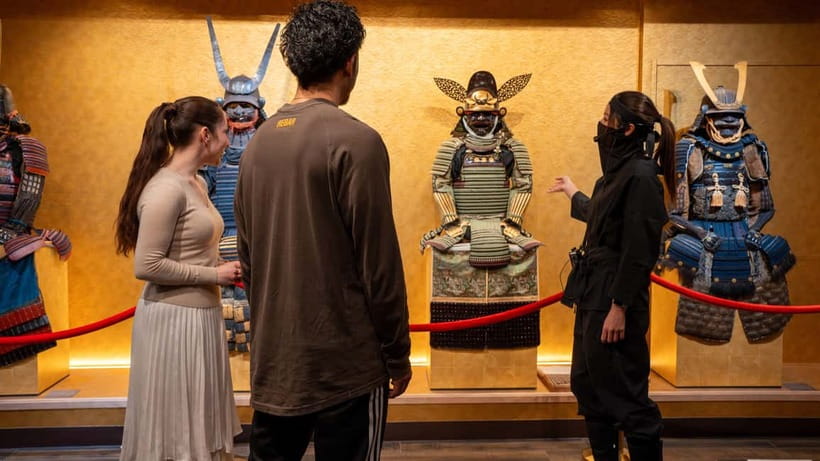
- Dress as a samurai: You can put on a samurai costume, wear a real helmet, and pose with a replica sword.
- Get history in English: The guided museum visit is led in English, with guides such as Mami, Miu, Akiko, and Sayo praised for explaining the subject clearly.
- Plan for a quick introduction: The full experience lasts about one hour, so expect highlights rather than an exhaustive account.
- Compare the group-size details: The activity is described as a small group limited to 10, but its important information also gives a maximum of 30.
- Budget $28 per person: The price includes museum entry, a guide, costume, and ninja-star throwing; transport is not included.
A quick, hands-on look at samurai and ninja history
Kyoto is closely linked with samurai history, and this museum tour turns that subject into an activity rather than a lecture alone. You see displays of armor and weapons, hear explanations from a guide, and get opportunities to handle replica equipment and try a few themed activities.
That mix suits a short stop in a city where you may already be spending much of your day on foot. You get a basic historical frame, then a chance to engage with the subject physically. The shuriken throw, in particular, gives the hour a clear, fun focal point.
The tour is not a substitute for a specialist history talk or a large museum with hours of exhibits. Its appeal is accessibility: a guide helps connect the objects to the samurai and ninja, while the costume and throwing activity keep the visit active. If you want a concise introduction that children can follow, that balance is a real strength.
More samurai and ninja experiences in Kyoto:
- Kyoto Samurai Experience
★ 5.0 · 1,294 reviews - Kyoto: Kendo and Samurai Experience with Uniform and Gear
★ 4.9 · 815 reviews - Kyoto: Samurai Sword Class by Experts in Traditional Arts
★ 4.9 · 657 reviews
What the one-hour visit includes
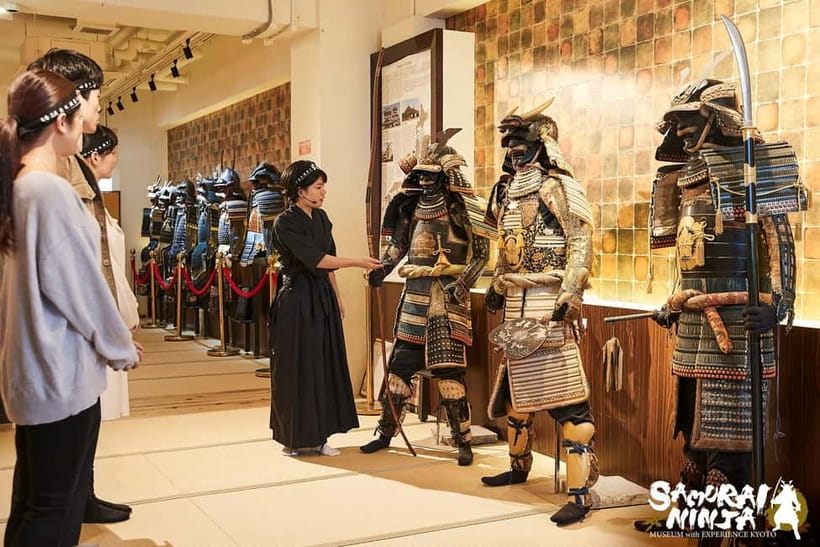
The advertised experience combines museum admission with a professional English-speaking guide. The confirmed included activities are a samurai costume and ninja-star throwing. The description also refers to wearing a real samurai helmet and holding a replica sword, giving you a good setup for photos.
The activity information also mentions a katana lesson and use of a ninja fukiya, a blowpipe. However, those are not repeated in the short list of included items, which names the museum tour, costume, and shuriken throwing. If either activity is a deciding factor, check with the provider before you reserve rather than assuming it is part of every session.
There is no detailed, guaranteed sequence for the hour, so think of it as a guided visit with several hands-on parts, not a tightly timed itinerary with fixed stops. The guide introduces the subject, helps make sense of the displays, and leads the activities. Your group’s pace and questions may shape how long each part takes.
The displays make weapons and armor easier to understand
Samurai and ninja equipment can look impressive in a display case, but a guide helps explain why it matters. Expect to see armor and weapons and hear about their place in the period’s history and craft. Several guides are praised for discussing both the warriors and the craftsmanship behind the objects.
That explanation is useful even if you already know a little about Japan’s past. Rather than relying on dramatic costume alone, a guide can give you context for what you are looking at and invite questions. Visitors have particularly valued guides who engage the group and connect the objects with broader history.
Guide names mentioned often include Miu, Akiko, Sayo, and Ko, as well as Mami, Aya, and Taka. The guide changes by session, of course, so a particular name is not something to count on. What matters more is the format: an English-speaking guide leads the experience, and the comments about the tour repeatedly highlight clear explanations and audience involvement.
Samurai dress-up is more than a photo stop
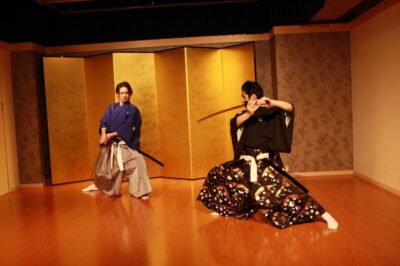
The costume activity gives you a chance to put on samurai clothing, wear a real helmet, and hold a replica sword. It adds a tangible element to the visit and makes the displays feel less distant, especially for children who may connect with the subject first through the visual details.
It is also a good moment to take photos. The activity offers a simple souvenir of the visit without requiring a separate costume experience elsewhere. Just keep the distinction clear: the helmet is described as real, while the sword is a replica. This is a museum activity, not an opportunity to handle a live weapon.
The experience description also refers to wearing samurai armor. Since the included-items list is shorter and names a samurai costume, the precise pieces available may depend on how the activity is presented. If wearing a full set of armor is important to you, confirm what is included in your session.
More museum visits in Kyoto:
- Kyoto: Tea Museum Tickets and Matcha Grinding Experience
★ 4.9 · 739 reviews - Skip the lines Basic Ticket at SAMURAI NINJA MUSEUM KYOTO
★ 4.5 · 632 reviews - Kyoto : Geiko Maiko Dance of Kyoto & Visits of Gion Museum
★ 4.6 · 415 reviews - Kyoto Sword Experience – includes Museum Ticket/Ninja Experience
★ 4.5 · 149 reviews
Shuriken throwing adds a playful finish
The ninja-star throw is the most clearly specified hands-on activity, and it is included in the price. It gives you a chance to try a skill associated with ninja stories, under the guidance of the museum staff. The activity is framed as an experience, not a claim that you will emerge with specialist throwing skills.
Families may find this part particularly useful. Several visitors with children and teenagers have singled out the throwing activity as a way to hold their attention, and some describe it as a competition. It can turn a history visit into a shared challenge, with adults just as likely to join in.
The tour description also mentions a ninja fukiya and katana lesson. Since these do not appear in the concise list of included items, treat them as possible parts of the broader experience rather than guaranteed features unless confirmed. The shuriken throw, by contrast, is specifically included.
What the guides do well
The guide can make or break a short museum visit, and this format depends on clear explanations. English is the stated tour language. Visitors have praised guides for speaking clearly, answering questions, and keeping the group involved rather than delivering a dry monologue.
Specific guides named in comments include Mami, Miu, Akiko, Sayo, Ko, Aya, Jukia, Taka, and Tepe. Those individual names are useful signals of the tour’s personal style, but they are not a promise that you will have a particular guide. If you do get a guide who welcomes questions, take advantage of the chance to ask about the objects or the samurai and ninja in Japanese history.
One visitor suggested reading about ninjas in advance. You do not need prior knowledge to follow the tour, but even a little background can help you make better use of the guide’s explanations and distinguish historical context from familiar pop-culture images.
Is $28 good value for an hour?
At $28 per person, the price covers museum entry, an English-speaking guide, a samurai costume, and ninja-star throwing. That is a reasonable bundle if you want both a guided introduction and a participatory activity, rather than paying only for admission and looking at displays on your own.
The value is strongest for first-time visitors, families, and anyone who enjoys learning by doing. You have a guide to provide context, plus a few activities and photo opportunities in one short stop. Several people have described the tour as good value, especially when the children in their group stayed engaged.
Still, value depends on what you want. If your priority is an in-depth study of Japanese military history, one hour may feel brief for the price. One visitor questioned paying extra for what they understood as a museum ticket and standard guided tour. That reaction is a useful reminder to compare the experience with your interests: the added value here is the guide and interactive activities, not simply access to a room of exhibits.
Transportation to and from the museum is not included, so account for that separately in your Kyoto plans. The stated duration is one hour, but leave a little room around it for getting to the venue and continuing to your next stop.
Who will enjoy this Kyoto stop
I would put this tour high on the list for families with school-age children or teenagers. The explanations provide a learning element, while dressing up and throwing shuriken give younger visitors something active to look forward to. Adults who enjoy Japanese history can appreciate the weapons, armor, and craftsmanship without needing to treat the visit as a serious academic session.
It also works well for a first visit to Japan if you want a short, English-language introduction to samurai and ninja culture. The guide-led format is especially helpful if you are unfamiliar with the subject or want to ask questions as you go.
You may want to choose another activity if you are looking for a long, quiet museum visit, a deep specialist account, or extensive time to explore at your own pace. The tour’s strength is the combination of explanation and participation, and its limitation is that all of it has to fit into about an hour.
Practical details to check before you go
The tour is listed as wheelchair accessible, and it offers free cancellation up to 24 hours in advance for a full refund. A reserve-now, pay-later option is also available, which can help if you are arranging several parts of a Kyoto trip.
There is conflicting group-size information. The activity is described as a small group limited to 10 participants, while the important information says the maximum is 30. Because group size affects how easy it is to hear the guide and take part, check the current details for your date and time.
The tour is in English, lasts one hour, and offers multiple start times depending on availability. It also includes skip-the-ticket-line entry. You will need to arrange your own transportation, and if you are keen on the katana lesson or ninja fukiya, confirm whether those are included in your particular session.
Should you book the Samurai Ninja Museum tour?
Book it if you want a short, guided introduction with activities that work for adults and children alike. The strongest reasons are the English-speaking guide, samurai dress-up, and included shuriken throw. At $28, it offers fair value if you want the interactive elements as well as the museum visit.
Skip it if you want a long, highly detailed history tour or prefer to spend your museum time exploring independently. Before you reserve, check the group size and confirm any activity beyond the costume and ninja-star throw that matters to you. If those details suit your plans, this is a lively one-hour change of pace in Kyoto.
FAQ
How long does the tour last?
The tour lasts about one hour.
What language is the guided tour in?
The live guide speaks English.
What is included in the price?
The listed inclusions are museum entry, a professional guided tour, a samurai costume, and ninja-star throwing.
Can I wear samurai gear during the visit?
Yes. The activity includes a samurai costume, and the description says you can wear a real samurai helmet and hold a replica sword.
Is transportation included?
No. Transportation to and from the attraction is not included.
Is the museum wheelchair accessible?
Yes, the activity is listed as wheelchair accessible.
How many people are in each group?
The activity is described as a small group limited to 10 participants, but its important information also states a maximum of 30. Check the group size for your selected session.
Newly added in Kyoto
- Uji: Private immersion into Kyoto’s tea and reglious culture★ 5.0 · 17 reviews
- Whisk Your Own Matcha: A Zen Matcha Experience at Temple★ 3.6 · 7 reviews
- Kyoto tea town for matcha lovers★ 5.0 · 16 reviews
- Treasures of Kyoto: Gion & historical Walking Tour★ 5.0 · 6 reviews
- Kyoto Matcha Green Tea Tour★ 4.5 · 23 reviews
- Uji and Wazuka Matcha Farm Half Day Private Guided Tour★ 5.0 · 21 reviews
- Uji Tea Ceremony and UNESCO Heritage Walking Tour★ 5.0 · 20 reviews
- Utilising upcycled Matcha! Creating matcha incense (Uji, Kyoto)★ 5.0 · 6 reviews
Kyoto Samurai & Ninja Experiences, compared.
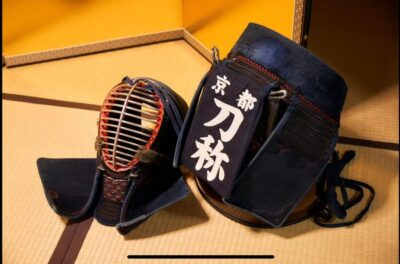
Kendo and Samurai Experience with Uniform and Gear
Read our review →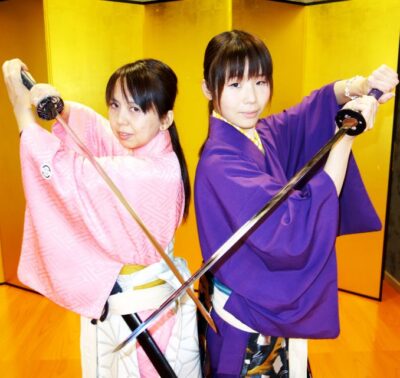
Samurai Sword Class by Experts in Traditional Arts
Read our review →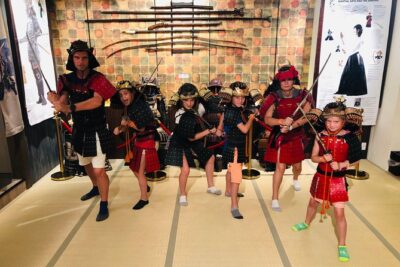
Skip the lines Basic Ticket at SAMURAI NINJA MUSEUM KYOTO
Read our review →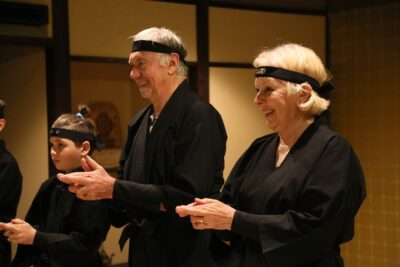
Ninja 1-hour Hands-on Lesson by Japanese master in Kyoto -Entry
Read our review →
Samurai Training with Modern day Musashi in Kyoto
Read our review →Browse the lists this tour appears in