
Reviewed · KYOTO SAMURAI & NINJA EXPERIENCES
Kyoto: Kendo and Samurai Experience with Uniform and Gear
Inside a roughly 120-year-old Kyoto house, you trade sightseeing for a training uniform, sword drills, and a first taste of kendo. I like two things in particular: the setting is a real dojo in an old machiya, not a stage set, and instructor Taka connects the physical practice to samurai history and etiquette.
One thing to plan for: the dojo can be chilly, and the location may take extra effort to reach. The class is about two hours, and some practice may happen outside, so dress for the season and give yourself time to find the large gate.
What to Know Before You Book
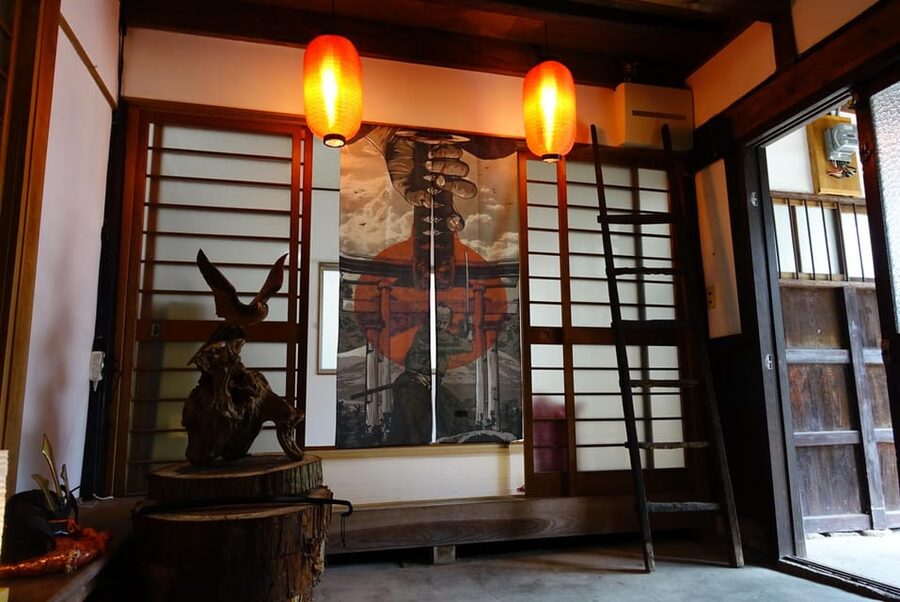
- Training takes place in an old Kyoto house: The traditional building gives the class a strong sense of place, though the room may feel worn or dusty.
- Taka leads the instruction in English: The session covers sword safety, basic movements, kendo, and the history and customs behind the practice.
- You take part, not just watch: Expect to put on the training clothes, handle practice swords, and work through basic techniques. A playful sparring exercise may round things off.
- Gear is provided: Uniform, equipment, footwear, and other training gear are included in the $103 price.
- Photos and videos are part of the memory: Your instructor can help capture you in the uniform and training setting.
- This is not a sword-cutting show: Tatami-mat cutting is not part of the activity. Replica swords are available to buy separately.
A Dojo, Not a Costume Photo Booth
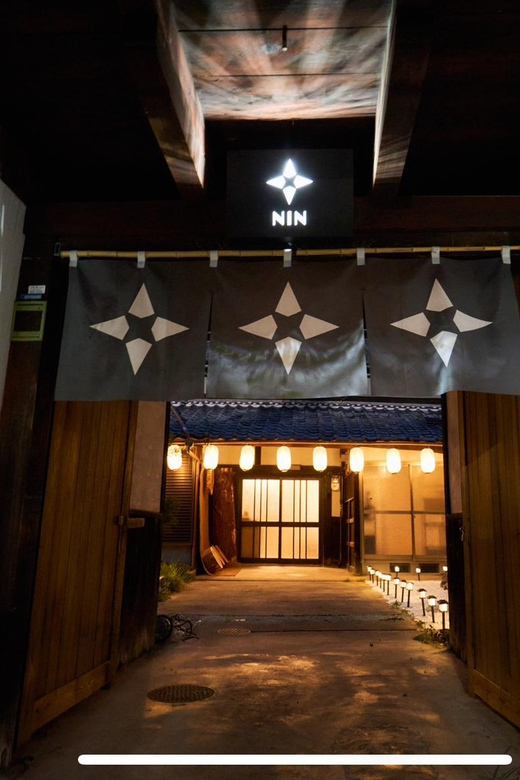
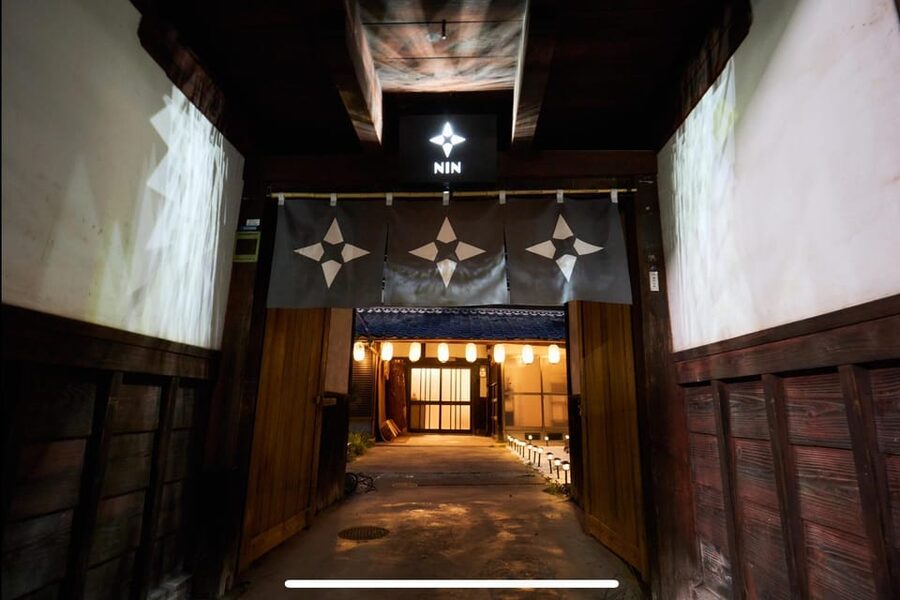
The appeal begins with the building. You meet at an old Japanese house with a large gate, then enter a setting that feels closer to a training space than a polished attraction. The house is described as more than a century old, and the experience takes place in a dojo. Its traditional architecture adds context before anyone picks up a sword.
That atmosphere is part of the value, but it comes with a practical trade-off. An old training room may be less comfortable than a modern studio. One person found it dusty and worn, and the space can feel cold in winter. This is not a luxury spa with a sword prop; it is a working cultural activity in a historic building.
The location also deserves a little planning. It sits in a residential area, and the route can involve winding lanes. If you are coming by train, a taxi from the station may be the easier option. Leave extra time rather than arriving at the last minute and interrupting the class. The large gate is your visual clue when you reach the meeting point.
More samurai and ninja experiences in Kyoto:
- Kyoto Samurai Experience
★ 5.0 · 1,294 reviews - Kyoto: Samurai Sword Class by Experts in Traditional Arts
★ 4.9 · 657 reviews - Skip the lines Basic Ticket at SAMURAI NINJA MUSEUM KYOTO
★ 4.5 · 632 reviews
Changing Into Training Clothes
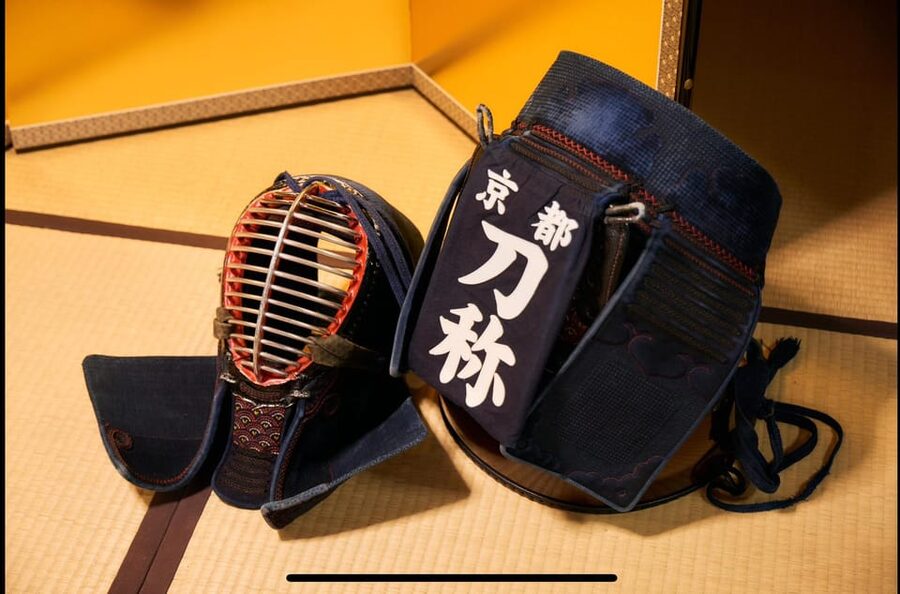
Once inside, you are given the clothing and equipment needed for the session. Uniform rental, footwear, and training gear are included, so you do not need to bring specialist kit or know how to dress for practice. Changing is more than a photo opportunity: it shifts the mood from ordinary sightseeing to a focused activity.
The uniform and protective equipment also help make the lesson accessible to first-timers. You do not need prior martial-arts experience. The instructor introduces the equipment and explains how to handle the swords safely before practice begins.
The activity is suitable for children aged seven and up, but the physical format may appeal most to families, couples, and solo visitors who are comfortable following instructions and trying basic movements. It is hands-on, but it is not presented as a hard workout or a serious fighting course. The point is to learn a little, move with care, and understand the tradition behind the forms.
Etiquette Before the First Sword Drill
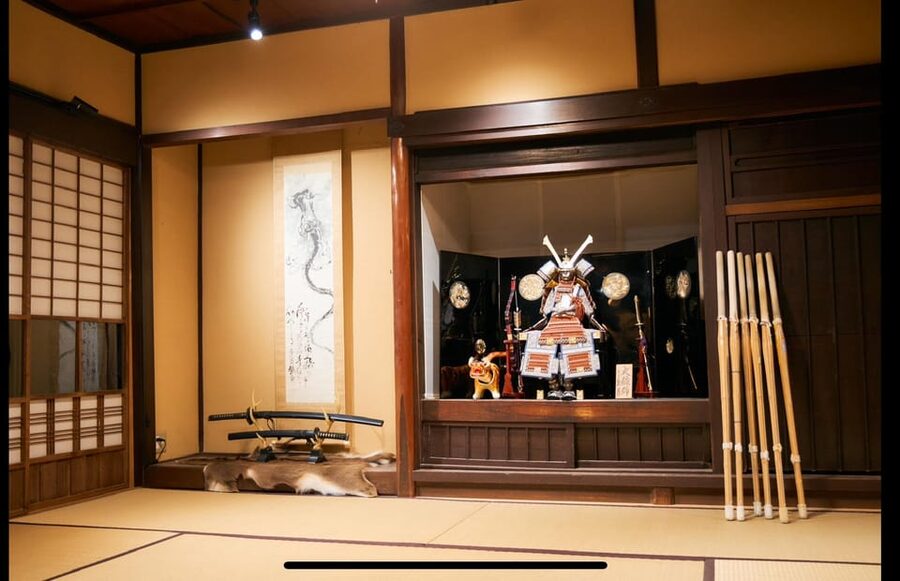
Before the practice starts, Taka gives an introduction to safety, etiquette, and the history of samurai and kendo. The cultural background matters: without it, sword movements can feel like costume play. With it, you begin to see why posture, respect, and control are part of the lesson, not decorative extras.
Taka’s clear English and patient, approachable teaching style are central to the experience. His explanations give you room to ask questions without turning the class into a long lecture. Families have also found the instructor attentive to different needs, including providing extra help when a participant needed it.
Expect a mix of explanation and activity. The goal is not to memorize a complete martial-arts system in two hours. Instead, you get a useful introduction to the customs and ideas surrounding the practice, then try the basics yourself. That balance keeps the session lively while giving the history enough time to register.
Learning the Grip, Stance, and Basic Movements
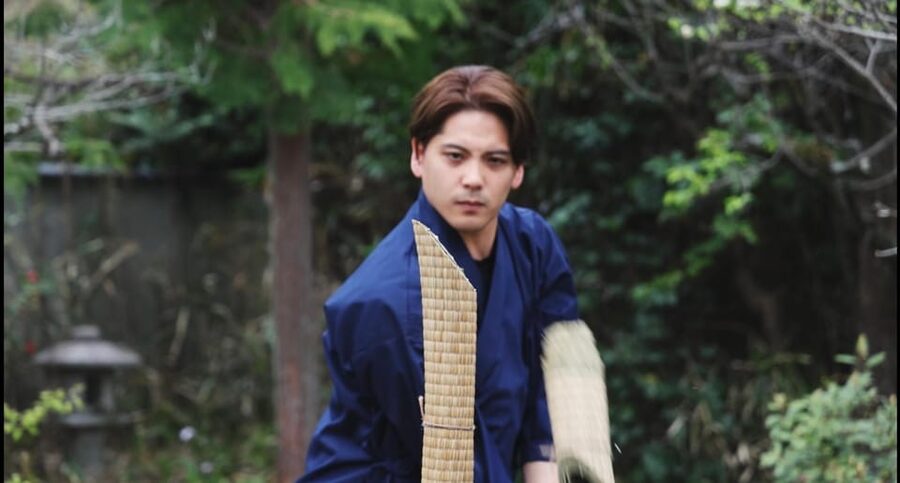
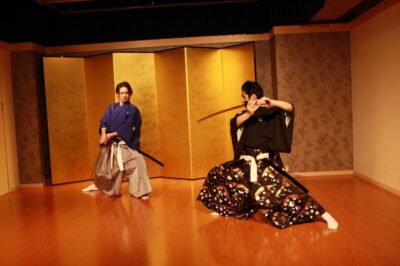
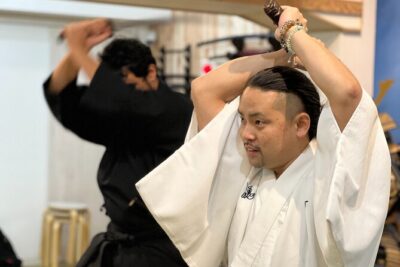
The practical portion begins with fundamentals: how to hold a sword, where to place your feet, and how to move with control. You then practice basic strikes, blocks, and footwork. The instructor demonstrates the movements and guides you through them, so you are not left to guess what to do with the equipment.
The training uses safe practice swords, including bamboo and foam options. The exact equipment can vary through the session, but the aim is to give you the feel of handling a sword while keeping practice controlled. This is an introduction, not a chance to wield a live blade or test your strength.
You may also get to practice with a partner and take part in a short sparring exercise. That gives the lesson a playful finish and lets you apply the movements rather than simply repeat them in place. Follow the instructor’s safety directions closely, especially when practicing with another person. The energy is fun, but the point is control, not winning a duel.
One expectation to set before booking: do not come expecting to slice a target with a katana. Tatami-mat cutting is not part of this experience. You can learn sword techniques and use training equipment, but the activity is a kendo and cultural lesson, not a cutting demonstration.
More Kyoto tours in Kyoto:
- PERFECT KYOTO 1-Day Bus Tour
★ 5.0 · 13,518 reviews - Kyoto: Fushimi Inari, Kinkakuji, Bamboo Grove 1 Day Bus Tour
★ 4.8 · 4,316 reviews - Kyoto: Tea Ceremony in a Traditional Tea House in Kiyomizu
★ 4.9 · 3,519 reviews - Kyoto Geisha Walking Tour: Gion District & Hidden Gems
★ 4.7 · 3,273 reviews
Photos, Videos, and a Useful Souvenir
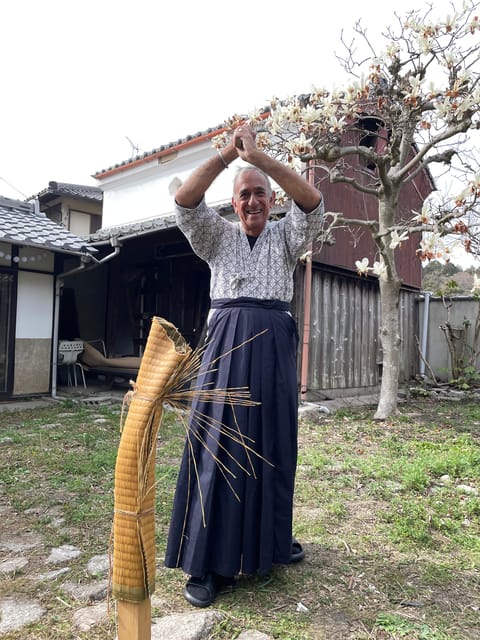
The instructor can take photos and videos while you are dressed in the uniform and using the equipment. That is a practical bonus: you leave with a record of the activity without needing to juggle your phone during drills. It also gives you a few memorable images from a setting that looks and feels different from Kyoto’s temples and streets.
Keep the purpose of the photos in perspective. They capture your participation; they do not turn the session into a professional photo shoot. The main value is the experience itself, with images as a keepsake.
Replica swords are not included in the $103 price, but you may be able to purchase one separately. Treat that as an optional extra, not a required part of the class. If you are interested, ask about the available replicas and cost before deciding.
Two Hours That Mix Culture and Movement
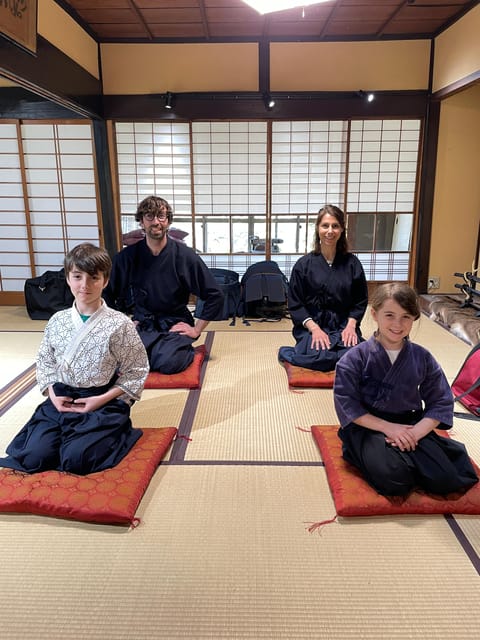
The session lasts about two hours, a good length for a focused introduction without taking over your day. You have time to change, hear the background, learn basic technique, and practice. The final stretch may include partner work or a light competition, depending on the class.
That makes this a useful choice if you want an activity that is more participatory than a museum visit but still grounded in cultural context. You are not spending the whole time listening, nor are you simply being handed a sword for a photo. The combination is the point: background first, then movement, then a chance to put the basics together.
The pace should work for curious beginners. Still, if you are hoping for an intensive lesson that builds advanced skills, two hours will only cover the foundation. And if you prefer a quiet, indoor activity, ask about the session format, since practice may take place outside. Cold-weather visitors should wear a warm base layer and thick socks; the dojo can be chilly.
Is $103 a Fair Price?

At $103 per person, this is not the cheapest activity in Kyoto. The price makes more sense when you count what is included: instruction, uniform rental, footwear, equipment, and the chance to train in a historic dojo. The session also includes cultural explanation and instructor-assisted photos and videos.
The value depends on what you want from the hour. If your main goal is a brief costume photo, you may find the price steep. If you want to learn basic sword handling, try kendo, hear about samurai history, and do it in an old Kyoto setting, the package offers more than a quick dress-up stop.
There is a 4.9 rating from 815 bookings, and the strongest praise centers on the instructor’s warmth, clear explanations, and ability to make the class both fun and informative. That fits the activity’s main strength: Taka is not simply demonstrating moves, he is helping you understand what you are doing. The building and hands-on practice support that teaching, rather than carrying the experience alone.
Who Should Make Time for It?
I would put this high on the list for anyone with an interest in Japanese history, martial arts, or hands-on cultural activities. It also suits families with children aged seven or older who enjoy trying something physical and learning as they go. Solo visitors can join too; the activities include interaction with the instructor and other participants.
It is less suited to someone seeking a polished performance, a private lesson, or a chance to use a sharp katana. The class is instructional and playful. You learn basic techniques and etiquette, but you do not become a samurai in two hours, and the session does not include target cutting.
The age limit is clear: children under seven are not suitable for this activity. Alcohol and drugs are not allowed. If you are uncertain whether the practice is right for you or a child in your group, contact the provider before booking rather than assuming every participant can take part in every drill.
My Take: Book It for the Practice and the Teacher
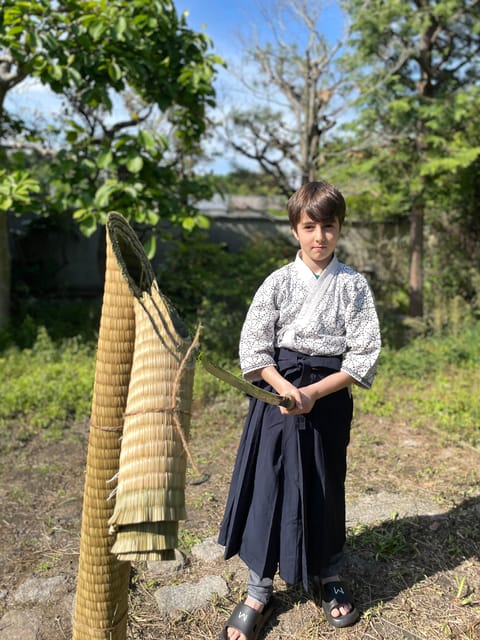
Book this if you want to do more than look at samurai history from behind glass. The strongest reasons are the old dojo, Taka’s approachable English-language teaching, and the chance to learn and practice basic kendo movements in uniform. You get a fun activity, a cultural introduction, and photos to remember it by.
Skip it if your priority is a dramatic sword show, cutting demonstrations, or a modern, climate-controlled studio. For most curious visitors, though, this is a worthwhile two-hour change of pace from temples and city walks. Reserve a spot if the idea of learning, moving, and having a friendly sparring session sounds more appealing than another photo stop. You can reserve now and pay later, and cancellation up to 24 hours beforehand is eligible for a full refund.
FAQ
How long is the experience?
The activity lasts about two hours. Starting times depend on availability.
What is included in the $103 price?
Instruction, uniform rental, equipment rental, footwear, and training gear are included.
Is the class taught in English?
Yes. English instruction is provided.
Do I need kendo or sword experience?
No prior experience is required. The instructor explains safety and guides you through basic sword handling and movements.
What is the minimum age?
The activity is not suitable for children under seven.
Where is the meeting point?
The meeting point is an old Japanese house with a large gate. The dojo is in a residential area, and a taxi from the train station may be useful.
Can I buy a replica sword?
Replica swords are available for purchase, but they are not included in the activity price.
Can I cancel, or reserve without paying now?
You can cancel up to 24 hours in advance for a full refund. Reserve-now, pay-later booking is also available.
Newly added in Kyoto
- Uji: Private immersion into Kyoto’s tea and reglious culture★ 5.0 · 17 reviews
- Whisk Your Own Matcha: A Zen Matcha Experience at Temple★ 3.6 · 7 reviews
- Kyoto tea town for matcha lovers★ 5.0 · 16 reviews
- Treasures of Kyoto: Gion & historical Walking Tour★ 5.0 · 6 reviews
- Kyoto Matcha Green Tea Tour★ 4.5 · 23 reviews
- Uji and Wazuka Matcha Farm Half Day Private Guided Tour★ 5.0 · 21 reviews
- Uji Tea Ceremony and UNESCO Heritage Walking Tour★ 5.0 · 20 reviews
- Utilising upcycled Matcha! Creating matcha incense (Uji, Kyoto)★ 5.0 · 6 reviews
Kyoto Samurai & Ninja Experiences, compared.
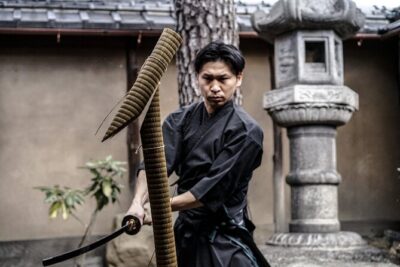
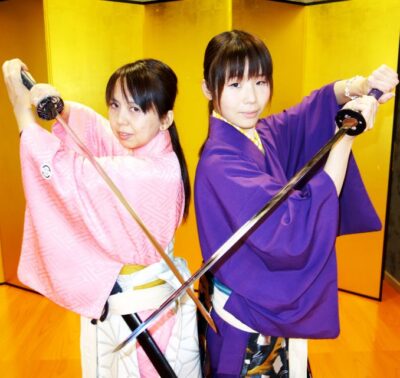
Samurai Sword Class by Experts in Traditional Arts
Read our review →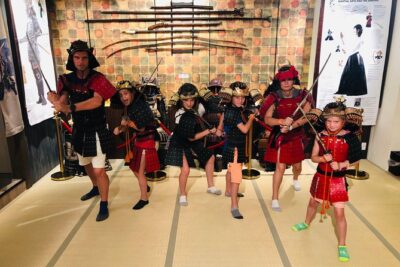
Skip the lines Basic Ticket at SAMURAI NINJA MUSEUM KYOTO
Read our review →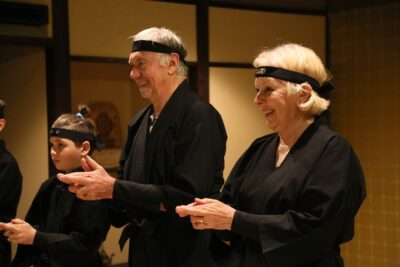
Ninja 1-hour Hands-on Lesson by Japanese master in Kyoto -Entry
Read our review →
Samurai Training with Modern day Musashi in Kyoto
Read our review →
Browse the lists this tour appears in