
Reviewed · KYOTO SAMURAI & NINJA EXPERIENCES
Samurai School in Kyoto: Samurai for a Day
In Kyoto, you can trade a museum label for a sword lesson: bow to your instructor, learn to draw a katana, and try a few controlled strikes. The class introduces kenbu, a traditional performance art, so this is part martial arts lesson and part stage craft.
I like two things in particular: you get hands-on practice rather than only a demonstration, and the costume photo session gives you a keepsake beyond the certificate and towel. The longer option adds more movement and a choreographed routine, which makes sense if you want more than a brief introduction.
One thing to plan for: the pace and order can vary, and some sessions include a performance that may take time before the sword practice begins. If you have a tight schedule, leave a buffer after the 90-minute estimate.
Key points before you book
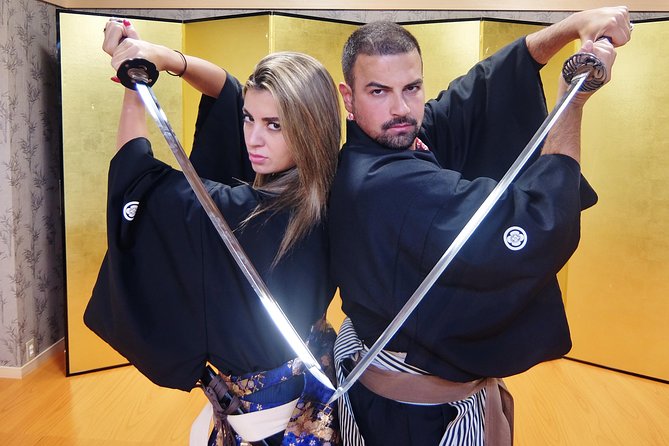
- Learn the sword basics: Practice bowing, drawing and returning the sword, and making controlled strikes.
- Put on samurai attire: The session includes a costume photo opportunity, with time to choose traditional clothing.
- Choose more practice: The longer option adds stylized walking, optional folding-fan work, and kenbu choreography.
- Expect a small class: The group is capped at 10, though the exact number in your session can vary.
- Bring flexible timing: The experience is about 90 minutes, but a performance or class flow may make it run longer.
- Leave with souvenirs: The activity includes a photo shoot, a completion certificate, and a tenugui towel.
A sword lesson, not a history lecture
The activity takes place at Kembu Kyoto Dojo, where you get a practical introduction to samurai customs and movement. The samurai were Japan’s warrior class from roughly the 12th through the 19th centuries. Here, the focus is not a long historical survey. You learn through a short film, a demonstration, and practice with a sword.
The lesson centers on kenbu, a stylized performing art that uses sword movements, and, in the longer class, may include a folding fan. It is worth distinguishing this from kendo, the modern martial art often associated with bamboo swords and sparring. This experience is about choreographed movement and form, not a contest or combat training.
That distinction helps set expectations. You will get a taste of the discipline and techniques behind a performance, but not an in-depth course in samurai history or a qualification in swordsmanship. The certificate marks completion of the lesson, not a martial arts rank.
More samurai and ninja experiences in Kyoto:
- Kyoto Samurai Experience
★ 5.0 · 1,294 reviews - Kyoto: Kendo and Samurai Experience with Uniform and Gear
★ 4.9 · 815 reviews - Kyoto: Samurai Sword Class by Experts in Traditional Arts
★ 4.9 · 657 reviews
Arriving at the dojo in Higashiyama
The meeting point is at 35 Sanchōme, Higashiyama Ward, Kyoto, in the GOZAN building. On the day, go down to the first basement floor using the stairs on the right side of the building. The venue is near public transportation, but plan your route in advance and aim to arrive a few minutes early. The instructions ask you to arrive three to ten minutes before the start.
The class ends back at the meeting point, so you do not need to arrange a separate return transfer. Hotel pickup and drop-off are not included, and neither are food or drinks. It is an indoor activity, which makes it a useful option if rain disrupts outdoor plans.
The group limit is 10 people. That keeps the class smaller than a large tour, though families or other groups may share your session. Some participants have had a more personal lesson when numbers and the class dynamic allowed, but you should not count on having private instruction.
The short film and the first bow
The session begins with an English-language introduction and a short film, about three minutes long, on samurai practice. It gives you some context before you change and start handling the sword. Think of it as an orientation, not a full history lesson.
Next comes the bow. It may seem like a small detail, but it sets the tone for the class: the instructor teaches respect and posture alongside the mechanics of the sword. You then learn how to draw the sword and return it to its scabbard, a sequence that takes more care than it may look like from the audience.
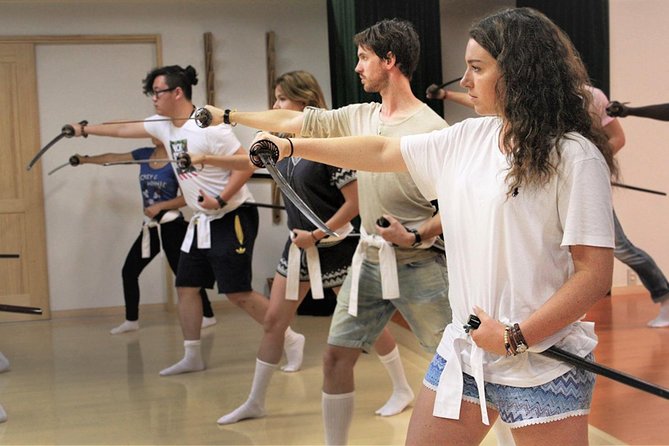
The class also covers basic strikes. You are not simply handed a sword and told to pose for a photo. There is instruction in how to hold it and move through the actions, with the instructor guiding the group and emphasizing safety. Follow those directions closely, particularly when people around you are practicing at the same time.
Costume, sword practice, and photos
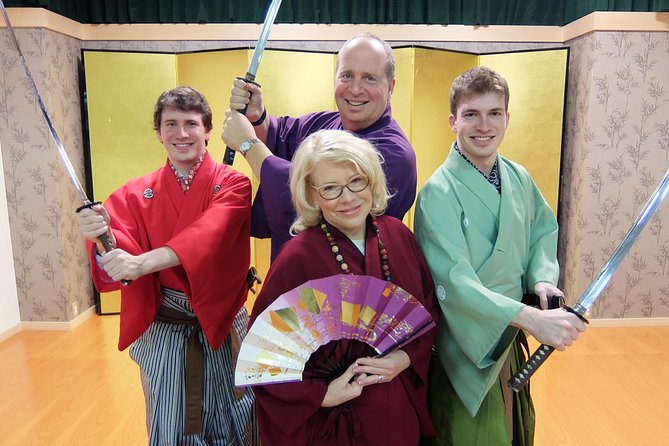
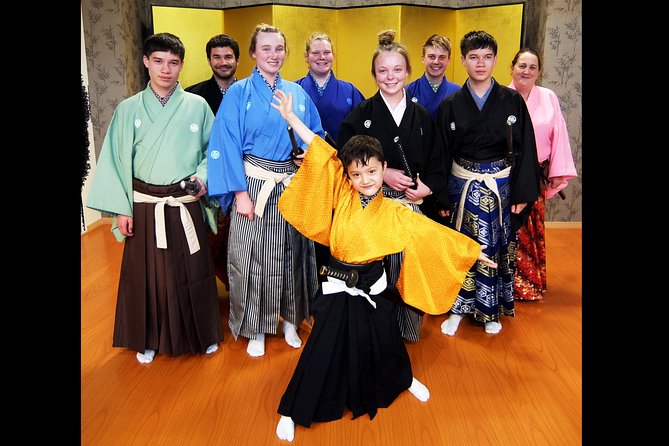
You change into a samurai uniform for the lesson, including a white belt and Japanese-style socks. Traditional costume is part of the fun, but it also makes the experience feel more connected to the performance style you are learning. You will have a chance to wear a fuller samurai outfit for photos, too.
The photo session is a memorable part of the visit, especially for families and couples who want a souvenir that feels specific to Kyoto. The activity includes a photo shoot, but bring your own camera or phone if you want personal images. The amount of time available for posing can depend on the schedule and other classes, so have a couple of shots in mind rather than expecting a long portrait session.
Wear clothes that make changing easy and allow you to move. The dojo advises against arriving in only a hoodie or tights, which are not suitable for costume changes. Exercise-friendly clothing is the sensible choice. You do not need to arrive dressed as a warrior; the costume is provided for the activity.
More Kyoto tours in Kyoto:
- PERFECT KYOTO 1-Day Bus Tour
★ 5.0 · 13,518 reviews - Kyoto: Fushimi Inari, Kinkakuji, Bamboo Grove 1 Day Bus Tour
★ 4.8 · 4,316 reviews - Kyoto: Tea Ceremony in a Traditional Tea House in Kiyomizu
★ 4.9 · 3,519 reviews - Kyoto Geisha Walking Tour: Gion District & Hidden Gems
★ 4.7 · 3,273 reviews
The short class or the longer kenbu session
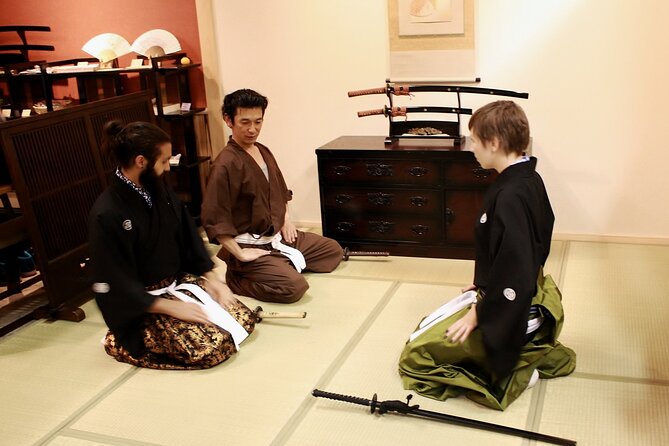
The shorter lesson gives you the core experience: etiquette, sword handling, basic movements, costume photos, and a closing bow. If you mainly want to try a samurai activity, take a few photos, and get an introduction to the form, this is likely enough.
The upgrade gives you more time to work on stylized movement. You may learn how to walk in character and how to use a folding fan, then practice a kenbu sequence with sword movements. The routine is performed on stage with music and a poem. That final step turns the lesson from a set of basic techniques into a small performance.
I would choose the longer option if you enjoy dance, theater, or learning a sequence until it begins to feel deliberate. It is also the better fit if you have come specifically for the martial arts element and want time to practice. The added price for the upgrade is not specified here, so check the available options before booking.
The performance and how the schedule can feel
Some sessions include a performance by the staff, and it can be an excellent way to see the controlled movements in context. Watching trained performers after trying the basics yourself may help you notice the timing and precision involved. Some visitors have also watched a short show as part of their visit.
The order is not always the same. In some sessions, the training and photos come first, followed by a performance. In others, the show may happen before the hands-on portion. A few people have found the wait for sword practice longer than expected, particularly when they thought they were booking a brief show and lesson.
That is the main practical caveat. The advertised duration is about 90 minutes, but allow extra time if you have a dinner reservation or another timed activity afterward. The experience is better when you can enjoy the sequence without checking the clock.
What $66.32 buys you
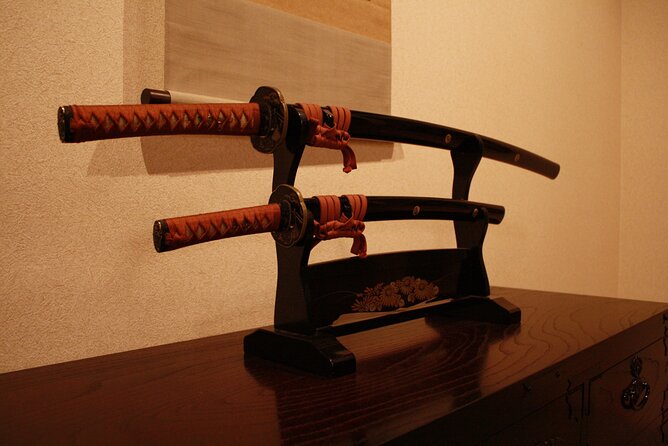
At $66.32 per person, the price buys more than a costume snapshot. You get an English-speaking local instructor, a guided lesson, the costume photo opportunity, a tenugui towel, and a completion certificate. The lesson gives you a little context, then moves quickly into the physical details of bowing, drawing, and striking.
The value depends on what you want from Kyoto. If you are looking for an expert-level martial arts class, this is a short introductory experience, not a course. If you want an active cultural activity that gives you something to do with your hands and a different way to connect with samurai tradition, the price is easier to justify.
It is especially good value for a family or group that enjoys trying something together. The shared costume change and basic practice give everyone a common activity, while the instructor-led structure keeps it from becoming only a photo stop. Children aged 5 to 11 are best suited to attend if they already take a class or martial arts lessons, and all participants should be comfortable with moderate physical activity.
Who will enjoy this Kyoto activity
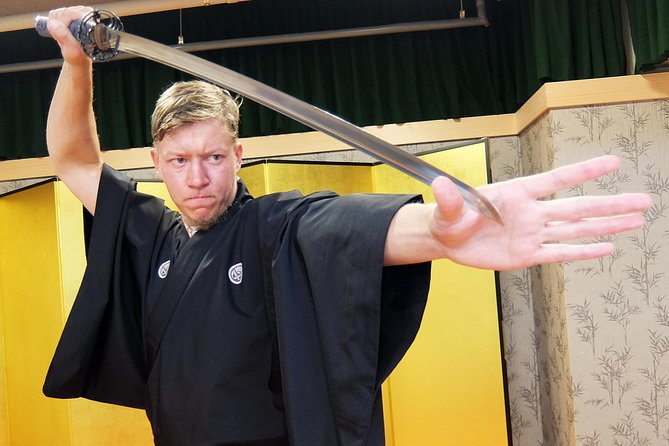
This is a strong fit for martial arts fans, history buffs, and anyone who likes learning by doing. It also works well for teenagers who may have limited patience for long museum visits. The class is hands-on, short, and built around a skill they can try immediately.
Families can enjoy it together, but it is not a free-play session. The instructor expects participants to follow directions, and safety depends on everyone paying attention. If you have young children, consider their ability to listen and wait their turn. The age guidance specifically recommends that children from 5 to 11 have some experience in a class or martial arts school.
You do not need prior sword experience, but you should have moderate fitness and be able to move around in costume. If you have an injury or mobility concern, the information provided does not specify adaptations, so contact the provider before booking rather than assuming the movements can be adjusted.
Booking details and sensible planning
The activity is offered by Ginbu Co., LTD., formerly Samurai Kenbu Co., LTD. Confirmation is received at booking, and the ticket is mobile. The price shown is $66.32 per person, with 20 or more bookings in the preceding month. The maximum group size is 10.
Free cancellation is available up to 24 hours before the start time. Cancellations made less than 24 hours in advance are not refundable, and changes inside that window are not accepted. If you need to cancel, you must do it through Viator.
Bring a camera or phone for your own pictures, wear clothes that are easy to change out of, and keep your schedule open for a little longer than the stated time. Those simple steps make the costume and practice portions much more relaxed.
Should you book Samurai for a Day?
Book it if you want an active, well-structured taste of samurai performance, with real instruction, costume, and a chance to handle a sword. I especially like that the lesson teaches basic form before the photo moment, and that the longer session offers a clear next step for anyone who wants more practice.
Skip it if you expect extensive historical teaching, a full martial arts course, or a tightly timed 90-minute appointment. For most curious visitors, though, it is a distinctive Kyoto activity and a welcome change from a day of looking at temples and displays. Choose the longer option if movement and choreography are part of the appeal, and leave room in your plans for the performance and class to run over.
FAQ
How long does the samurai lesson last?
The experience lasts about 1 hour and 30 minutes. The class can sometimes run over, so leave extra time after it.
What will I learn in the class?
You learn how to bow, draw and return a sword, and practice basic strikes. The longer option adds stylized movements, optional folding-fan work, and kenbu choreography.
Is the lesson taught in English?
Yes. An English-speaking local guide or instructor leads the lesson.
Is a costume included?
Yes. You put on a samurai uniform for the class and have a photo opportunity in traditional costume.
What souvenirs are included?
The activity includes a photo shoot, a lesson completion certificate, and a tenugui, a traditional Japanese towel.
Is the experience suitable for children?
Children aged 5 to 11 are preferably attending some kind of class or martial arts school. Participants should have moderate physical fitness and follow the instructor’s safety directions.
How many people can join the class?
The maximum group size is 10 travelers. The number of people in any particular session may vary.
Where does the activity meet?
It meets at 35 Sanchōme, Higashiyama Ward, Kyoto, in the GOZAN building. Go to the first basement floor by the stairs on the right side of the building.
Is transportation or food included?
No. Hotel pickup and drop-off, food, and drinks are not included. The activity ends back at the meeting point.
Can I cancel for a refund?
You can cancel for a full refund up to 24 hours before the experience starts. Cancellations and changes made less than 24 hours before the start time are not accepted for a refund or change.
Newly added in Kyoto
- Uji: Private immersion into Kyoto’s tea and reglious culture★ 5.0 · 17 reviews
- Whisk Your Own Matcha: A Zen Matcha Experience at Temple★ 3.6 · 7 reviews
- Kyoto tea town for matcha lovers★ 5.0 · 16 reviews
- Treasures of Kyoto: Gion & historical Walking Tour★ 5.0 · 6 reviews
- Kyoto Matcha Green Tea Tour★ 4.5 · 23 reviews
- Uji and Wazuka Matcha Farm Half Day Private Guided Tour★ 5.0 · 21 reviews
- Uji Tea Ceremony and UNESCO Heritage Walking Tour★ 5.0 · 20 reviews
- Utilising upcycled Matcha! Creating matcha incense (Uji, Kyoto)★ 5.0 · 6 reviews
Kyoto Samurai & Ninja Experiences, compared.
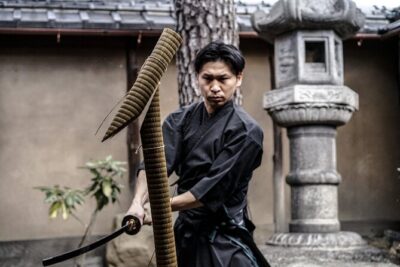
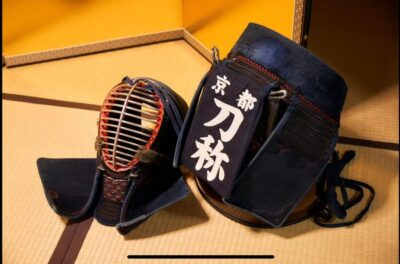
Kendo and Samurai Experience with Uniform and Gear
Read our review →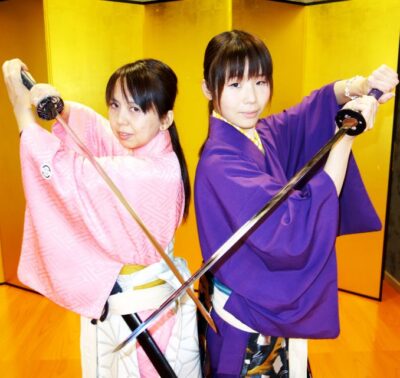
Samurai Sword Class by Experts in Traditional Arts
Read our review →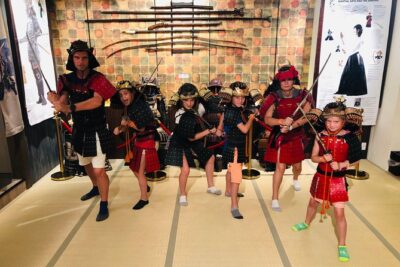
Skip the lines Basic Ticket at SAMURAI NINJA MUSEUM KYOTO
Read our review →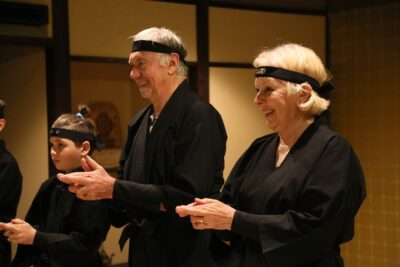
Ninja 1-hour Hands-on Lesson by Japanese master in Kyoto -Entry
Read our review →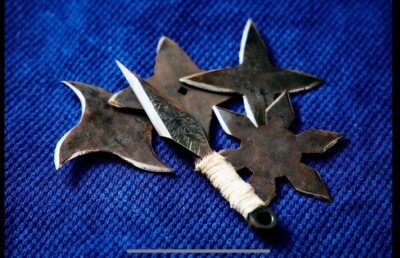
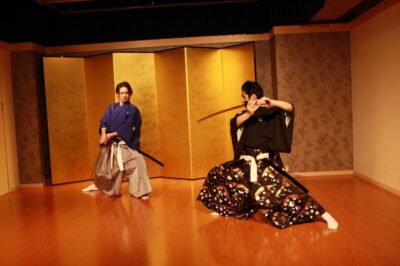
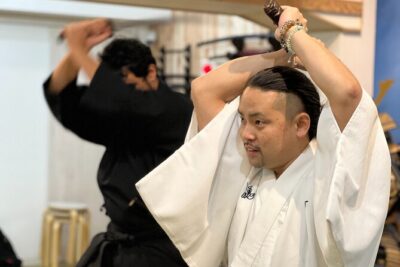
Samurai Training with Modern day Musashi in Kyoto
Read our review →Browse the lists this tour appears in