
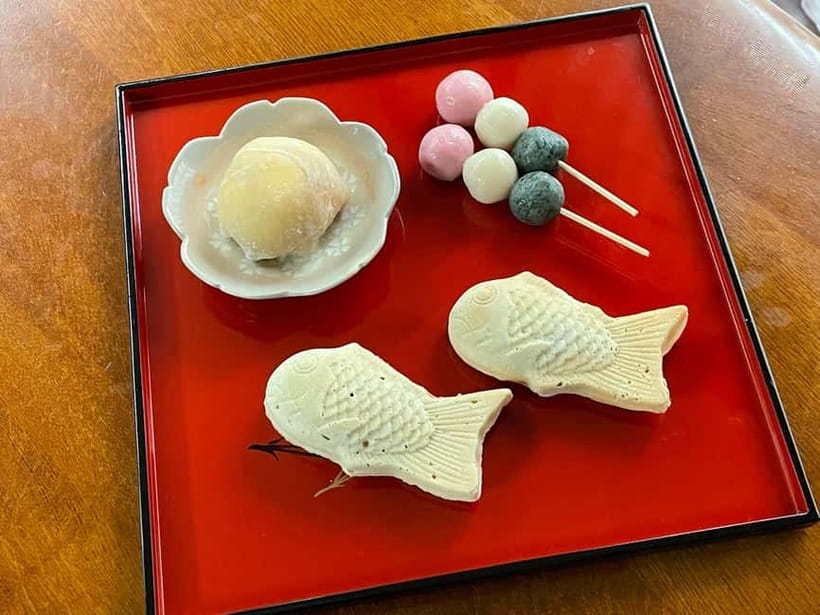
Reviewed · KYOTO COOKING CLASSES
Kyoto: Wagashi (Japanese sweets) Cooking near Fushimiinari
A wagashi class in a traditional Japanese home offers something a sweets shop cannot: the chance to shape the treats yourself, then sit down with tea and enjoy them beside a garden view. You’ll make about three kinds of sweets, with the menu changing by season.
I like two things in particular: the class is hands-on, so you do the making rather than simply watch, and the small group gives the session room for questions and conversation. Miho, one of the instructors, is often praised for her patient teaching and fluent English.
One consideration: this is a 150-minute activity, not a quick stop between sights. The menu can vary, children under six are not suitable, and the house is not wheelchair accessible.
- Make about three sweets yourself: Expect a practical lesson, not just a cooking demonstration.
- Meet Miho: She is named by many participants as a warm, patient host who explains the steps clearly.
- Finish with tea and a garden view: Sit in a traditional Japanese room and enjoy what you made.
- Plan for seasonal changes: The menu varies, and examples include dango, mochi, and dorayaki.
- Keep the group small: A maximum of six participants leaves space for individual help.
- Allow two and a half hours: The class includes cooking, tea, and time to relax.
A Japanese home, not a restaurant kitchen
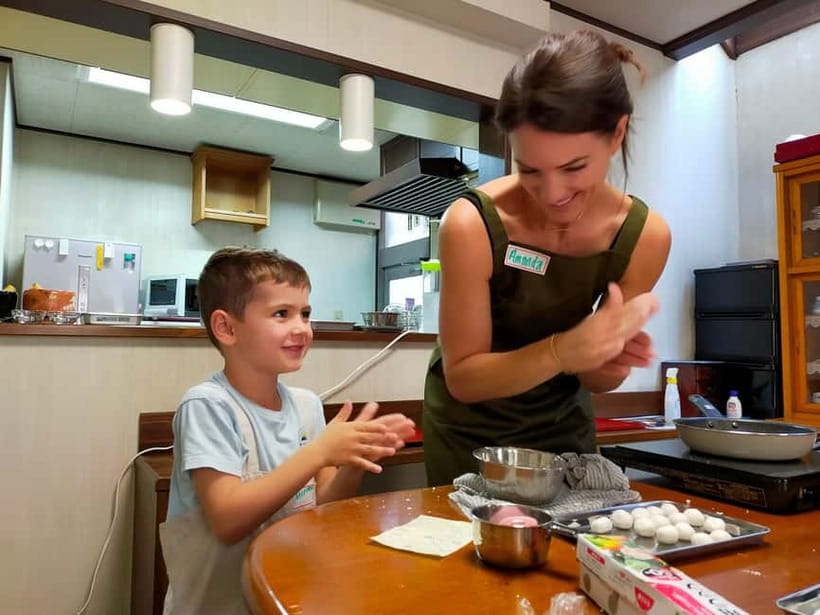
This experience begins with a change of pace. Instead of stepping into a busy restaurant or watching a chef from behind a counter, you enter a home with traditional Japanese rooms and a garden view. The setting is part of the lesson: you get to make sweets in a domestic space, then eat them in the same calm surroundings.
That matters because wagashi are not only something to buy in a shop. The making is part of their appeal. You handle the ingredients, learn how the sweets take shape, and see how a few techniques turn simple components into treats that look carefully finished. The class is designed to make those steps accessible, even if you have never cooked Japanese food.
The welcome also helps the activity feel personal. Some participants have been offered tea and a small sweet before getting started, though the exact welcome may vary. You are not signing up for a formal lecture. Expect a friendly host, a practical lesson, and the chance to ask questions as you work.
Three sweets, made by hand
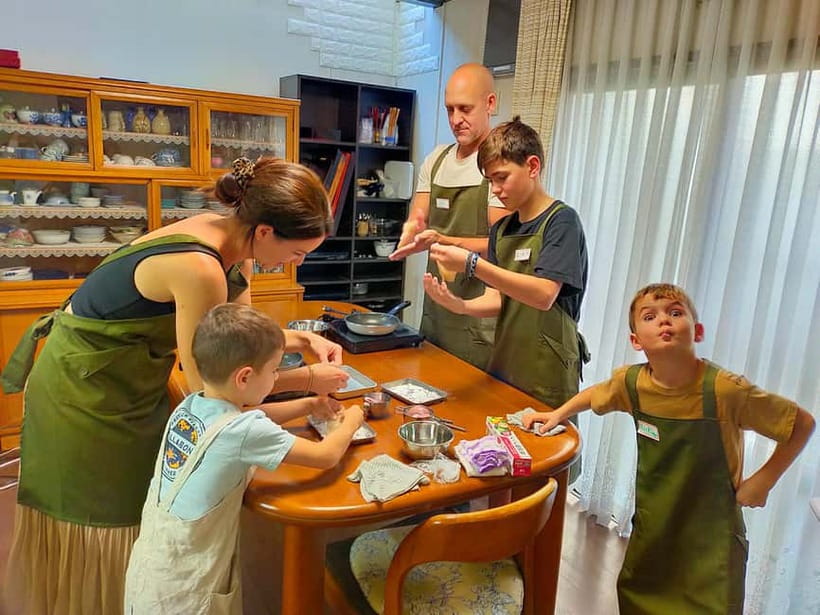
The central part of the session is preparing about three types of wagashi. Your instructor first demonstrates the techniques, then you make the sweets yourself or work with a partner. That balance is useful: you can see the shape and sequence before trying it, but you still do the hands-on work.
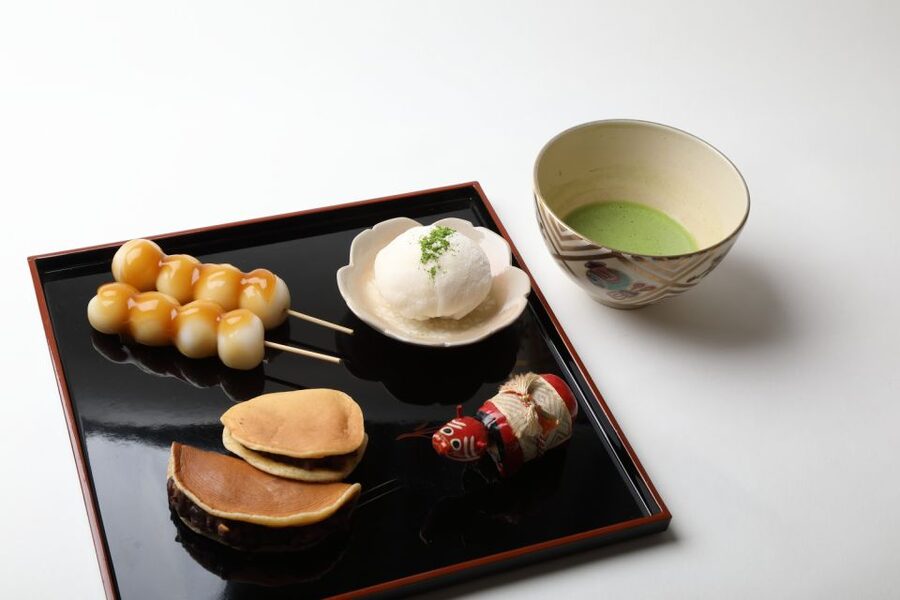
The exact menu depends on the season. Dango, mochi, and dorayaki are among the sweets that have been made in class, and a participant also described trying mochi ice cream. Do not book expecting a fixed list of recipes. The seasonal menu is a reason to ask the instructor what you will be making when you arrive, rather than a drawback in itself.
Each sweet offers a different kind of task. Dango involves shaping dough into small pieces; mochi is known for its soft, stretchy texture; dorayaki brings together sweet filling and pancake-like rounds. The class gives you a chance to notice how ingredients and handling affect the result. You will get guidance as you work, with the instructor helping you follow the steps and offering tips along the way.
This is a cooking lesson, not a perfection test. Your sweets may not look like shop-window examples, and that is part of the fun. You learn by handling the ingredients and seeing what works. The experience is especially appealing if you like Japanese sweets but have only ever bought them ready-made, or if you have seen them in anime or manga and want to understand more about how they are prepared.
More cooking classes in Kyoto:
- Ramen Cooking Class at Ramen Factory in Kyoto
★ 5.0 · 1,937 reviews - Sushi Making in Kyoto! Same-day bookings welcome!
★ 5.0 · 713 reviews - Kyoto: Ramen Cooking Class at a Ramen Factory with Souvenir
★ 4.9 · 532 reviews
Learning from Miho and asking questions
Miho is a name worth knowing when you compare this class with a larger workshop. Participants repeatedly describe her as kind, patient, organized, and clear in English. She is also noted for sharing cultural context and answering questions beyond the immediate recipe. The class is led by English-speaking instructors who are licensed guide interpreters, so it is meant to be understandable even if you have little Japanese.
That teaching style suits beginners. You can follow a demonstration, try each step, and get help when you need it. One participant described being guided through the method while still doing the work independently. That is a good format if you want to learn a technique rather than have someone make the sweets for you.
A small group of up to six can make a real difference. With fewer people around the work area, you have a better chance to see the demonstration and ask for help. The group can also feel social without becoming a crowd. If no one else books the same time, the class may be private, but you should treat that as a possibility rather than a promise.
The class is also a chance to ask where you might find ingredients or how to try the recipes at home. Some participants have found the methods repeatable with ingredients from an Asian grocery store. Still, the availability of ingredients at home depends on where you live, and you should not assume a printed recipe or take-home kit is included.
Tea, sweets, and the garden view
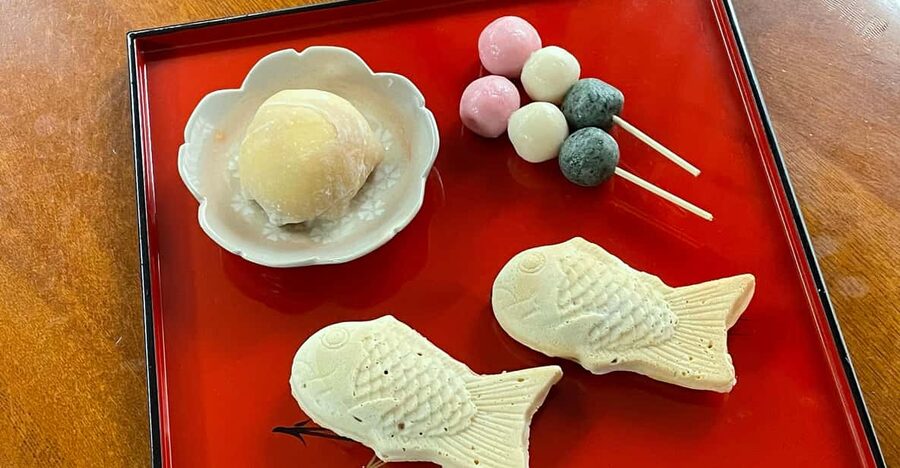
After the cooking, you sit down in a traditional Japanese room and enjoy your sweets with tea. This closing part is more than a convenient way to taste your work. It gives you time to appreciate the setting and slow down after the focused, hands-on preparation.
Matcha is part of the experience. Participants have described learning how to prepare whisked matcha and drinking tea made by the instructor. Tea is included, though the precise preparation may depend on the session. If you are curious about the difference between a cup of tea served with sweets and tea prepared in the matcha style, this is a natural moment to ask.
The garden view adds a quiet visual touch, but it is best to see it as a pleasant part of the visit rather than the sole reason to book. You are spending most of your time cooking and eating, not touring a garden. The strongest appeal is the combination: a home setting, your own sweets, and a pause for tea.
You may make enough to take some sweets away after tasting them in the room. That has happened in past sessions, but portions and leftovers can vary, so do not count on it as a guaranteed takeaway.
Is $84 a fair price?
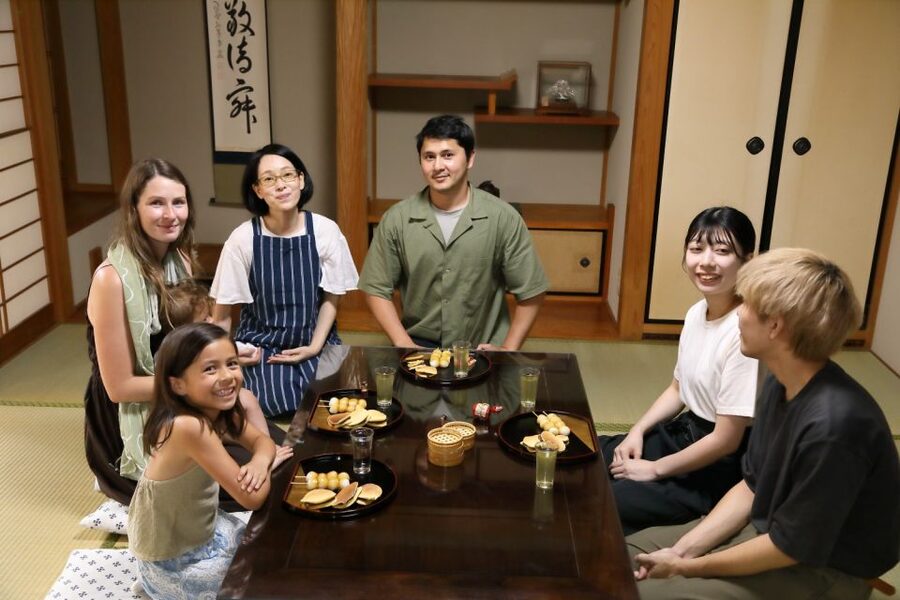
At $84 per person, this is not the cheapest way to taste wagashi in Kyoto. You could buy sweets at a shop for much less. The price makes more sense if you value the instruction, the small group, the ingredients, the tea, and the chance to spend time in a traditional home.
The 150-minute duration is a meaningful part of the value. You have time to watch the demonstrations, make several types of sweets, ask questions, and enjoy the results instead of rushing through a single recipe. All ingredients, seasonings, tea, the English-speaking instructor, fees, and taxes are included. Hotel pickup and drop-off are not, so plan your own transport to the meeting location.
For a couple or a small group of friends, the class can work as a shared activity as well as a lesson. You can divide tasks or work on the same steps together. For a solo visitor, a small group can make conversation easier, and the occasional private session offers the possibility of a more personal pace, though it is not guaranteed.
The cost is harder to justify if your main goal is simply to eat Japanese sweets, or if you prefer a short, low-cost activity. But for a hands-on cultural experience, the price covers more than the food. You pay for access to a home setting and an instructor who can explain both the making and the customs around serving the sweets.
More Kyoto tours in Kyoto:
- PERFECT KYOTO 1-Day Bus Tour
★ 5.0 · 13,518 reviews - Kyoto: Fushimi Inari, Kinkakuji, Bamboo Grove 1 Day Bus Tour
★ 4.8 · 4,316 reviews - Kyoto: Tea Ceremony in a Traditional Tea House in Kiyomizu
★ 4.9 · 3,519 reviews - Kyoto Geisha Walking Tour: Gion District & Hidden Gems
★ 4.7 · 3,273 reviews
Who will enjoy this class most
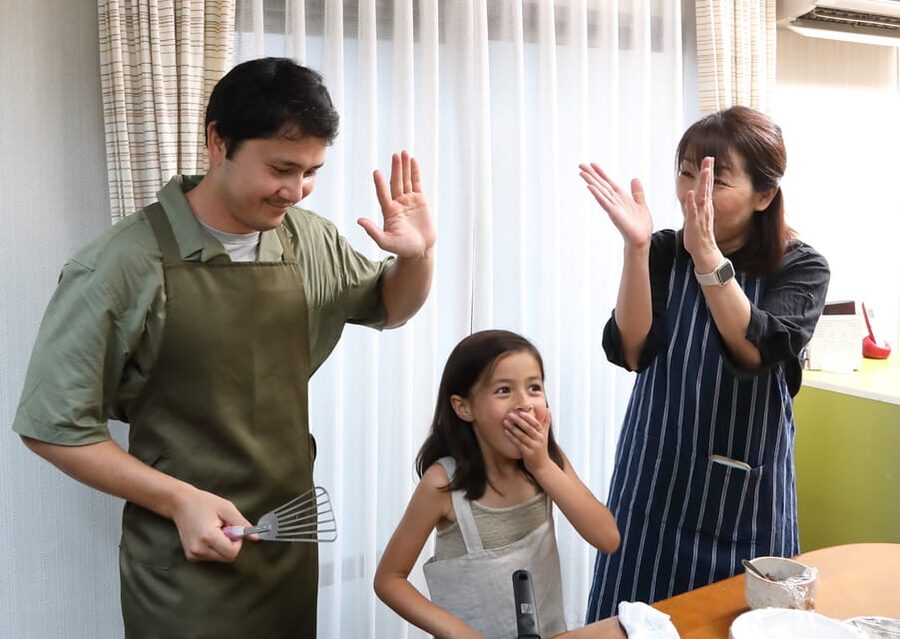
This is a strong choice if you like cooking, Japanese sweets, or learning a practical skill while travelling. It also suits visitors who want a quieter activity between sightseeing days. The lesson is conducted in English, and the small group gives you space to follow the steps without needing prior cooking experience.
Families can consider it, too, with a few limits. Children aged 12 and under must participate with a guardian, and children under six are not suitable. Some families have brought children aged eight and ten and enjoyed the class, but young participants need to be comfortable taking part in a structured activity that lasts two and a half hours. Check the menu and any food restrictions with the provider in advance.
Vegetarians are welcome, and the class is described as vegan-friendly. If you have dietary needs or food restrictions, tell the provider ahead of time. That is especially important for a cooking class, where ingredients are prepared for the group and the menu may change with the season.
This activity is not suitable for wheelchair users. The experience takes place in a traditional home, so anyone with mobility concerns should confirm whether the setting will work for them before booking. The available information does not provide specific details about the home’s layout.
Making time for a slower Kyoto experience
The class is near Fushimi Inari, which makes it a natural fit if you are planning time in that part of Kyoto. The exact meeting point and travel time are not provided here, so check those details when arranging your day rather than assuming the house is right beside the shrine.
Give yourself enough space around the activity. At two and a half hours, it is a substantial half-day component, and you may want a little extra time for getting there and leaving afterward. The class itself moves through several phases: a welcome, demonstrations, hands-on preparation, and tea with the finished sweets. Trying to squeeze it between tightly timed plans would take away from the relaxed pace that makes the experience appealing.
Booking flexibility is useful if your Kyoto plans are still shifting. You can reserve now and pay later, and cancellations made at least 24 hours ahead qualify for a full refund. Check current starting times and availability before building the rest of your day around it.
Should you book the wagashi class?
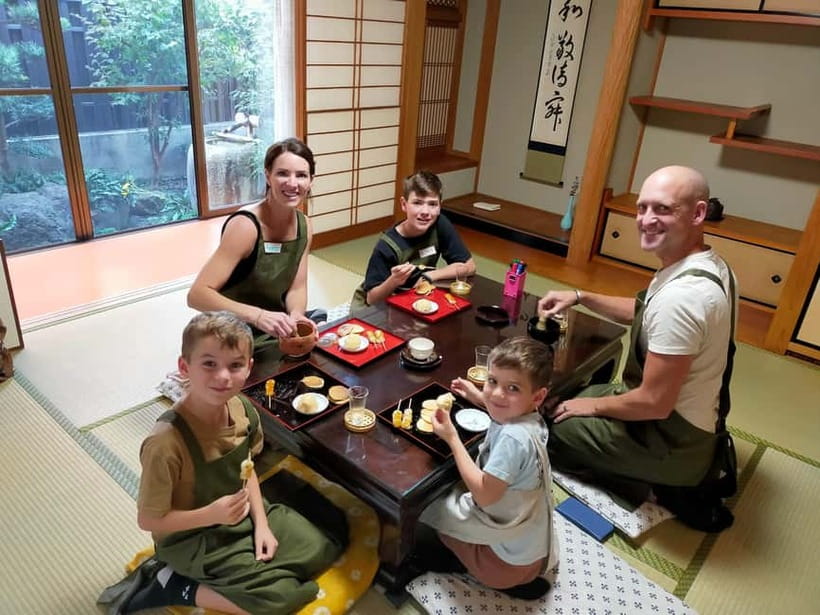
Book this class if you want more than a tasting and enjoy learning by doing. The best reasons are the chance to make several seasonal sweets yourself, the clear English-language instruction, and the quiet finish with tea in a traditional room. Miho’s warm, patient teaching is a particular draw if she is leading your session.
Skip it if you are mainly looking for a quick snack, a guaranteed menu, or an accessible activity for a wheelchair user. For everyone else, this is a thoughtful way to spend part of a Kyoto day: personal, practical, and sweet without being merely a dessert stop.
FAQ
How long is the wagashi class?
The activity lasts 150 minutes, or two and a half hours. It includes demonstrations, hands-on sweet making, and time to enjoy tea and your sweets.
How many sweets will I make?
You will prepare about three types of wagashi. The specific menu can differ depending on the season.
Is the class taught in English?
Yes. The class is conducted in English, and the instructors are English-speaking licensed guide interpreters.
What is included in the price?
Ingredients and seasonings, an English-speaking instructor, tea, fees, and taxes are included. Hotel pickup and drop-off are not included.
Can vegetarians and vegans take part?
Yes. Vegetarians are welcome, and the class is described as vegan-friendly. Tell the provider about food restrictions in advance.
Can children join the class?
Children aged 12 and under must participate with a guardian. Children under six are not suitable for the activity.
Is the class wheelchair accessible?
No. The activity is not suitable for wheelchair users.
Newly added in Kyoto
- Uji: Private immersion into Kyoto’s tea and reglious culture★ 5.0 · 17 reviews
- Whisk Your Own Matcha: A Zen Matcha Experience at Temple★ 3.6 · 7 reviews
- Kyoto tea town for matcha lovers★ 5.0 · 16 reviews
- Treasures of Kyoto: Gion & historical Walking Tour★ 5.0 · 6 reviews
- Kyoto Matcha Green Tea Tour★ 4.5 · 23 reviews
- Uji and Wazuka Matcha Farm Half Day Private Guided Tour★ 5.0 · 21 reviews
- Uji Tea Ceremony and UNESCO Heritage Walking Tour★ 5.0 · 20 reviews
- Utilising upcycled Matcha! Creating matcha incense (Uji, Kyoto)★ 5.0 · 6 reviews
Kyoto Cooking Classes, compared.

Ramen Cooking Class at Ramen Factory in Kyoto
Read our review →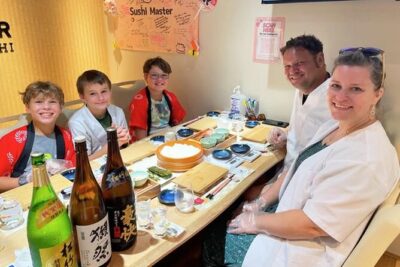
Sushi Making in Kyoto! Same-day bookings welcome!
Read our review →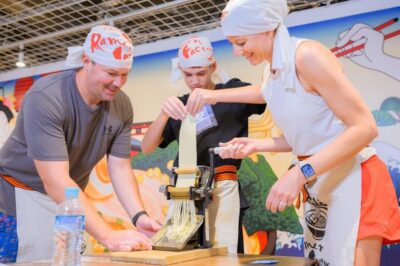
Ramen Cooking Class at a Ramen Factory with Souvenir
Read our review →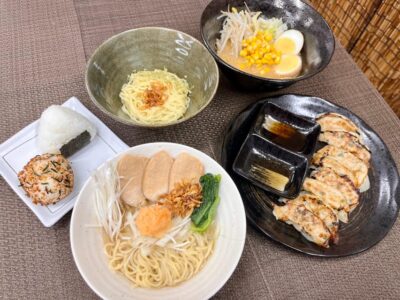
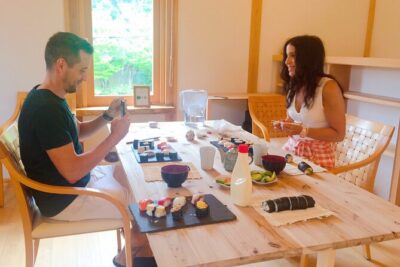
The Original Small-Group Sushi Making Class in Kyoto
Read our review →
Japanese Washoku Bento Small Group Cooking Class
Read our review →
Japanese Traditional Sweets Making and Tea Ceremony
Read our review →
Kyoto Ramen and Gyoza Cooking Class with Professional Chefs
Read our review →Browse the lists this tour appears in