Reviewed · KYOTO TOURS
Let’s make only one original onigawara in the world!!
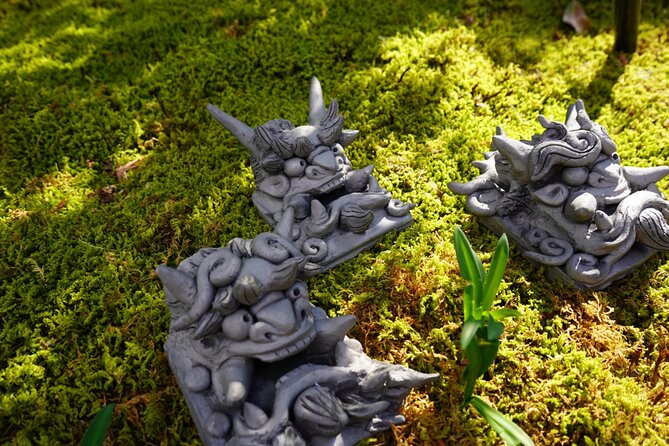
An Onigawara is a small demon-faced roof tile, made to guard the ends of traditional Japanese roofs from rainwater and evil. At Kawarakoubouyouya, you shape one by hand from clay, following a process developed so beginners can create a figure without needing sculpting skills. It is a hands-on way to make a personal piece of a tradition with roots stretching back about 1,400 years.
I like two things in particular: Yuya’s patient, step-by-step instruction makes the work approachable, and you get to learn why these fierce little faces belong on roofs before making one yourself. The group is limited to five, so there’s room to focus and ask questions.
The main catch is that you won’t take your finished tile home that day. It needs to dry and be fired, then shipped to you after about one to two months. Postage is an extra charge, so include that cost and wait in your plans.
What to know before you book
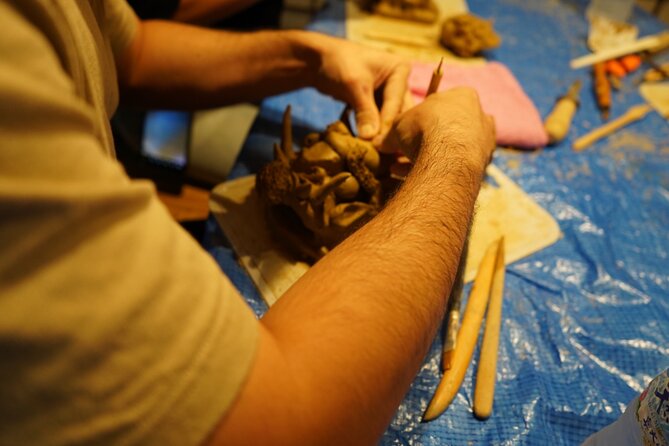
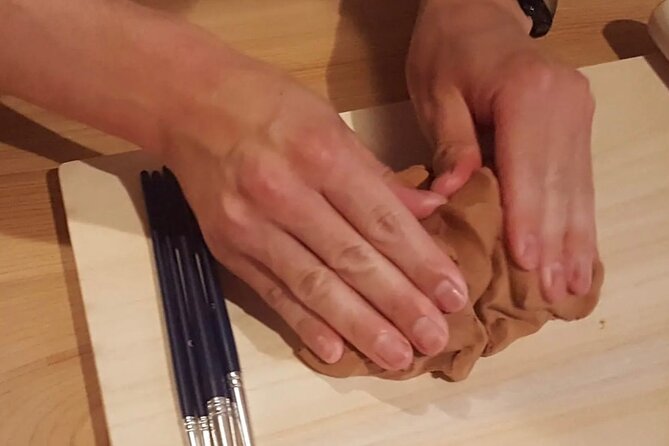
- You make the tile yourself: Shape and assemble a small, simple demon face from clay, with Yuya guiding each step.
- The finished piece arrives later: The tile is kiln-fired at the workshop, then shipped to your home after it has dried.
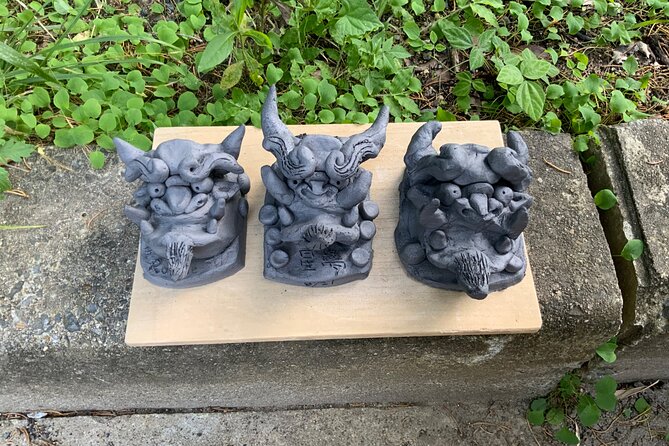
- Expect a wait of one to two months: The tile changes to its traditional silver color after firing.
- The class is small: A maximum of five participants keeps the workshop personal and gives the instructor time to help.
- Wear clothes that can get dirty: The work uses soil and clay, so this is not the time for your cleanest outfit.
- Shipping costs extra: The $90-per-person price does not include postage. Pay that separately on the day.
A roof guardian made from a lump of soil
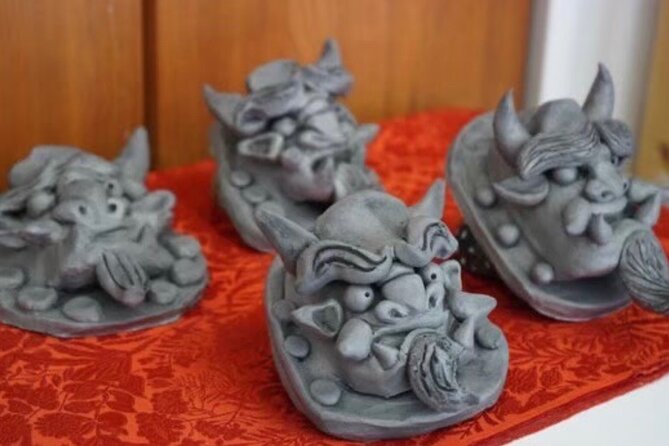
Onigawara are decorative roof tiles, often shaped with the faces of ogres or gargoyles. They sit at the ends of the main roof ridge, where they have traditionally helped protect buildings from rainwater and evil. The expression is fierce, but the object is also a piece of practical architecture and a link to a craft tradition that has lasted for centuries.
This workshop gives you a chance to make a small version of that guardian yourself. It isn’t a demonstration where you watch a craftsperson do all the work. You handle the clay, form the face and its pieces, and put them together under guidance.
That distinction matters. You leave with a better sense of the patience and handwork behind a roof tile, not just a souvenir bought from a shelf. Your own creation will be imperfect by definition, which is part of its appeal: it carries the marks of your choices and your hands.
More Kyoto tours in Kyoto:
- PERFECT KYOTO 1-Day Bus Tour
★ 5.0 · 13,518 reviews - Kyoto: Fushimi Inari, Kinkakuji, Bamboo Grove 1 Day Bus Tour
★ 4.8 · 4,316 reviews - Kyoto: Tea Ceremony in a Traditional Tea House in Kiyomizu
★ 4.9 · 3,519 reviews
Meeting Yuya at the workshop
The class meets at Kawarakoubouyouya, the host’s shop. Yuya sets up a clay station for participants and takes you through the process step by step. His teaching style is described as patient and gentle, and the method he developed is meant to help people of different ages and skill levels complete an Onigawara.
That beginner-friendly approach is useful because the finished face has several parts to shape and assemble. You don’t need to arrive with an art background or a steady sculptor’s hand. The instructor shows you how to manipulate the clay and make the different pieces, then helps you put them together.
The group size, capped at five, should suit anyone who prefers instruction that feels more like a workshop than a crowd activity. It also gives you space to concentrate. The pace is described as steady, with time to work through each stage rather than rush to a quick result.
The class is offered in English and Japanese. If you’re booking in English, you can still ask about the process and history as you work. Wheelchair accessibility is listed, though it’s sensible to check any access needs directly with the provider before booking.
From clay to a fierce little face
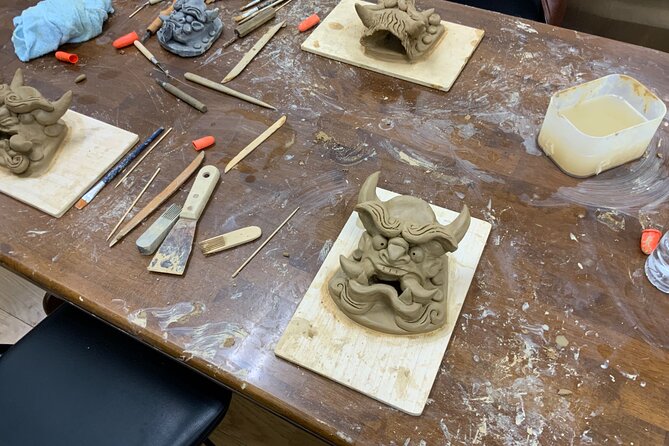
The workshop begins with a short introduction to the history and purpose of Kawara, Japan’s traditional roof tiles. The Onigawara’s face is more than decoration: it has a protective role in the story of Japanese buildings. That context makes the making feel less like a generic pottery class and more like a small encounter with a particular craft.
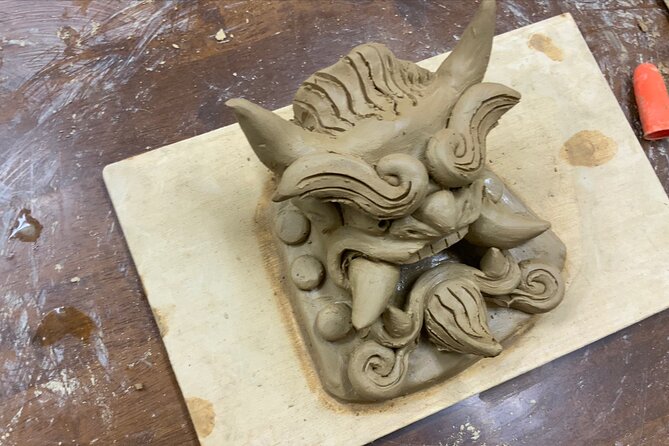
Then comes the hands-on part. Yuya guides you through forming the individual parts of the demon face and joining them. You can work at your own pace, adjusting the shapes as you go. The aim is a simple handmade tile, not a perfect replica of an elaborate historic roof ornament.
I like that the process is designed for ordinary hands. The host has developed a way to make the traditionally difficult object more manageable, including for children and people who don’t consider themselves crafty. Expect to focus, though. The satisfying part is building the face in stages, and you’ll want to pay attention to how the pieces fit together.
The finished object is not fired during the class. Afterward, the workshop dries and fires it in a kiln. This means you can’t judge the final color or collect the completed tile before leaving. The piece changes to the traditional silver color after firing, then is sent to your home.
Why the firing and wait matter
A two-hour class can produce a memorable object, but the craft doesn’t end when you wash your hands. Drying and firing take time, and the finished Onigawara is expected to arrive in one to two months. That delay is worth knowing before you book, especially if you’re hoping to pack the tile in your suitcase or give it as a near-term gift.
There is a practical upside: you don’t have to carry a fragile, unfinished clay figure through the rest of your trip. The workshop ships the fired tile to your home. The trade-off is that postage is not included in the $90 price, and the additional shipping fee is collected separately on the day. The exact amount is not specified, so ask the host if you need to budget precisely.
The wait also makes the activity feel different from a quick craft souvenir. You make the object in one sitting, then the kiln and time complete the transformation. If you enjoy the idea of receiving a reminder of your trip later, that delay can be part of the pleasure. If you need an item to take home immediately, this is not the right workshop.
Same city, a different side of it:
- Kyoto Geisha Walking Tour: Gion District & Hidden Gems
★ 4.7 · 3,273 reviews - Kyoto: Tea Ceremony Ju-An at Jotokuji Temple
★ 4.9 · 3,207 reviews - Kyoto: Gion Magical Night Walking Tour with Geisha Trivia
★ 4.9 · 2,393 reviews - Kyoto: 45-Minute Tea Ceremony Lesson Experience
★ 4.3 · 2,378 reviews
How the two-hour class fits a Kyoto visit
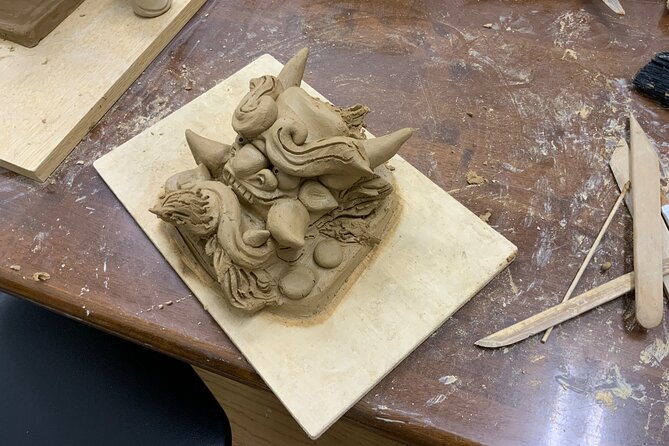
The activity is listed as two hours, making it a contained option for a day that already includes sightseeing. It offers a change of pace from temples, shops, and busy streets: you sit down, work with clay, and focus on one object. One participant found the class lasted closer to three hours, so keep some flexibility in your schedule rather than arranging a tight appointment immediately afterward.
The exact starting times depend on availability. The class is in Honshu, and the experience description places it in the context of a Kyoto visit, but the supplied meeting details identify the venue only as Kawarakoubouyouya. Search the shop name on Google Maps before setting out. One visitor found the map pin was about 40 metres off and advised walking east from the marked spot, so allow a little time to locate the entrance.
The workshop uses soil and clay. Wear clothes you don’t mind getting dirty, and consider bringing a layer you can roll up or remove if you prefer to keep your sleeves clean. No special tools or prior experience are specified as necessary.
Is $90 a fair price?
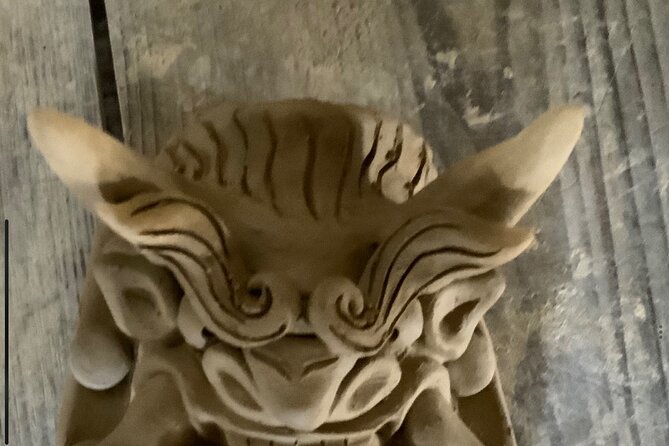
At $90 per person, this is not the cheapest way to fill two hours in Japan. But the price buys more than a short craft activity: you receive instruction, work through a traditional form yourself, and have your finished piece fired and shipped. Shipping is extra, so the true cost will be higher.
The value depends on what you want from your time. If you’re mainly looking for a low-cost activity or a souvenir you can carry away that afternoon, the price and delayed delivery may not suit you. If you want to understand a craft from the inside and make an object that is genuinely yours, the cost is easier to justify.
The class is especially good value for people who enjoy guided, hands-on learning. Yuya’s step-by-step method lets beginners take part without the pressure of producing a polished sculpture. The small group and the chance to talk with the instructor add to the experience, though the short class is still focused on one simple tile rather than a full course in roof-tile making.
Who will enjoy shaping an Onigawara
This workshop should appeal to curious makers, families with children, and anyone who likes learning through doing. The activity is designed to accommodate a range of abilities, and children have enjoyed the process. You don’t need to be an artist; patience and a willingness to work with clay are more useful.
It’s also a good choice if you want a quieter break from sightseeing. The work calls for concentration, but the atmosphere is friendly and social. You can chat as you shape the face, or simply give your attention to the clay. The small group makes it easier to find your own pace.
Think twice if you dislike getting your hands dirty, need a strict two-hour finish, or want a finished souvenir on the day. The scheduled duration is two hours, but one participant’s class ran for three. And because firing and shipping take one to two months, the finished tile is a future delivery, not a carry-on item.
Should you book this workshop?
Book it if you want a personal introduction to Japanese roof-tile culture and like the idea of making a small guardian with your own hands. Yuya’s patient guidance, the compact group, and the delayed transformation from clay to silver-colored tile make this more meaningful than a quick souvenir stop.
Skip it if your schedule is packed, you need to leave immediately afterward, or the extra postage and wait are deal-breakers. Before booking, confirm the meeting point and shipping charge with Kawarakoubouyouya, and leave room in your day in case the class runs long. If those details work for you, this is a thoughtful way to take home a small piece of a centuries-old craft.
FAQ
How long does the Onigawara workshop take?
The stated duration is two hours. Leave extra time afterward, since one participant found the class took closer to three hours.
How much does it cost?
The listed price is $90 per person. Shipping is not included and must be paid separately on the day.
Do I take the finished tile home after class?
No. The workshop dries and fires the tile after the class, then ships it to your home.
How long does delivery take?
The tile is expected to arrive after about one to two months.
What languages are available?
The host or greeter speaks English and Japanese.
How many people can join?
The workshop is limited to five participants.
Do I need sculpting experience?
No. The host’s process is designed to let beginners make a simple Onigawara, including children and people who feel clumsy with their hands.
What should I wear?
Wear clothes that may get dirty. The activity uses soil and clay.
Where does the class meet?
It meets at Kawarakoubouyouya, the host’s shop. Search for the shop on Google Maps, and allow time to find it: the map location may be about 40 metres off, east of the marked point.
Newly added in Kyoto
- Uji: Private immersion into Kyoto’s tea and reglious culture★ 5.0 · 17 reviews
- Whisk Your Own Matcha: A Zen Matcha Experience at Temple★ 3.6 · 7 reviews
- Kyoto tea town for matcha lovers★ 5.0 · 16 reviews
- Treasures of Kyoto: Gion & historical Walking Tour★ 5.0 · 6 reviews
- Kyoto Matcha Green Tea Tour★ 4.5 · 23 reviews
- Uji and Wazuka Matcha Farm Half Day Private Guided Tour★ 5.0 · 21 reviews
- Uji Tea Ceremony and UNESCO Heritage Walking Tour★ 5.0 · 20 reviews
- Utilising upcycled Matcha! Creating matcha incense (Uji, Kyoto)★ 5.0 · 6 reviews
Kyoto Tours, compared.


Fushimi Inari, Kinkakuji, Bamboo Grove 1 Day Bus Tour
Read our review →
Tea Ceremony in a Traditional Tea House in Kiyomizu
Read our review →
Kyoto Geisha Walking Tour: Gion District & Hidden Gems
Read our review →

Gion Magical Night Walking Tour with Geisha Trivia
Read our review →