
Reviewed · NARA TOURS
NARA: Budda gigante, Cervi liberi nel parco (Guida italiana)
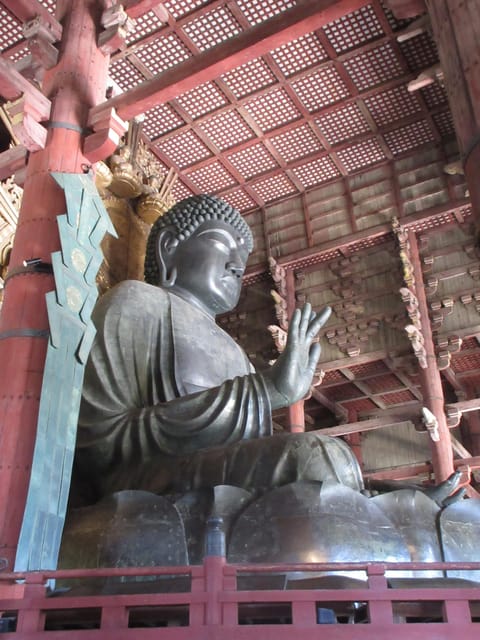
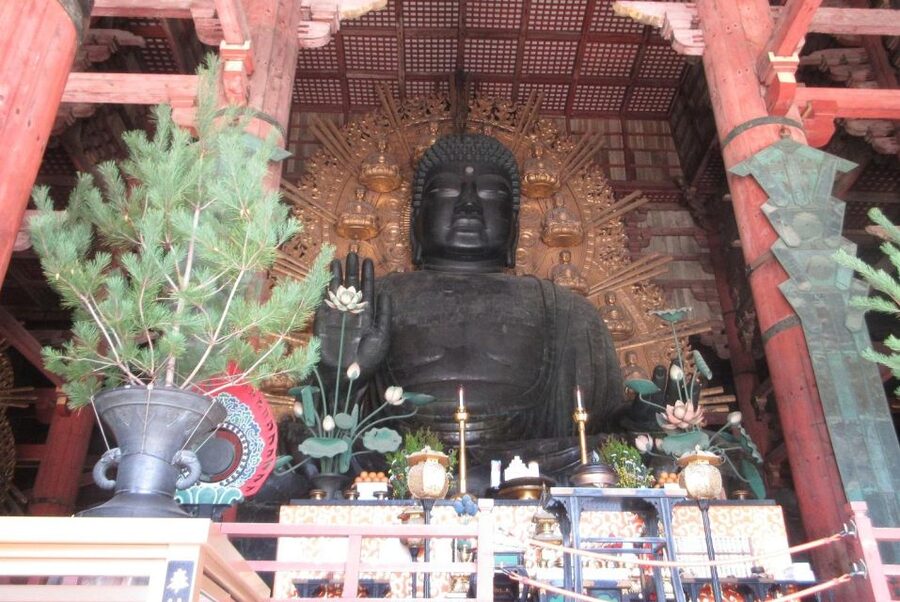
Nara’s great draw is a Buddha so large it changes the scale of the whole visit. At Tōdai-ji, you get 90 minutes with a guide to explore the temple and its celebrated statue, then a short walk brings you into Nara Park, where deer roam among people.
I like two things here: you get an Italian-speaking guide from Kyoto, with local context that goes beyond dates and monument names, and the price includes transport and entrance fees. The guide can also help make sense of Buddhist devotion and everyday Japanese life, topics that are easy to miss when you’re moving from one famous sight to the next.
The main consideration is the price: at $153 per person, this is a costly half-day if you mainly want a ride to Nara and a quick look at the Buddha. You’re paying for the guide, transport, and a structured visit, so it makes the most sense if that added context matters to you.
- The giant Buddha at Tōdai-ji: Allow 1.5 hours for the guided temple visit.
- Deer in Nara Park: Buy deer crackers at the designated stalls if you want to feed them.
- A Kyoto-raised guide: The tour is in Italian and offers a local perspective on Kyoto and Japanese culture.
- A short visit to Ukimido: The itinerary includes a 10-minute sightseeing stop at this pavilion in the park.
- Rail and bus travel included: The outing starts and ends at Kyoto Station and lasts about five hours.
- A small group: The group is limited to 15 people, with individual tours also offered.
From Kyoto Station to Nara
The meeting point is outside Kyoto Station’s north entrance, near the taxi terminal. Look for the space between the four escalators. Kyoto Tower should be visible ahead and to your upper left when you stand there. You’ll receive a message with more detailed meeting instructions by the day before the tour, so check it rather than relying on a rushed guess at the station.
Kyoto is the starting point, but Nara is the main event. It served as Japan’s imperial capital from 710 to 784, while Kyoto held that role from 794 to 1868. That change of setting gives the day a useful historical frame: you’re traveling from one former capital to another, not simply taking a side trip to see a famous statue.
The journey begins with a train ride of about 45 minutes, followed by a 15-minute bus ride to the Buddha temple. Having transport included takes some planning off your plate, particularly if you’re not comfortable navigating the rail and bus connections in Japan. It also means the tour can keep to a half-day schedule instead of asking you to piece together the route yourself.
The schedule is compact, but it isn’t a race from start to finish. The guided visit at Tōdai-ji is the longest stop, and you’ll also have time for a brief walk through the park to Ukimido. Expect the day to be structured around the group’s route and pace, rather than a free-form visit where you can linger as long as you like.
Tōdai-ji and the giant Buddha
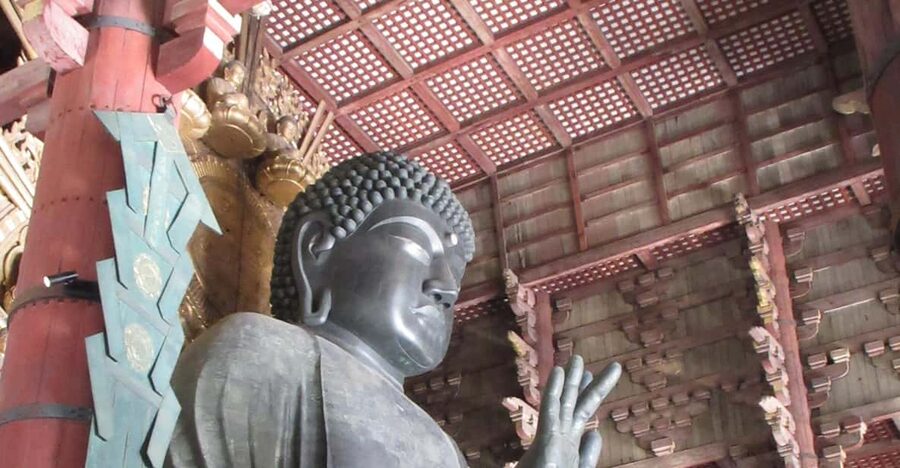
The centerpiece is Tōdai-ji, known for its enormous Buddha statue, one of the largest in Japan. The tour sets aside 1.5 hours for a guided visit, giving you time to take in the temple and its important monuments without reducing the stop to a quick photo.
Scale is part of the experience. The statue is not just another item to tick off; its size makes the temple’s religious importance easier to grasp. Your guide explains the monuments, including those designated as national treasures, and puts them in the context of Buddhist devotion in Japan.
That interpretation is where a guide can make a real difference. A temple visit can leave you with impressive architecture and a few names, but a guide can help connect the place to how people have practiced their faith and understood their history. This tour specifically focuses on popular Buddhist devotion and on aspects of Japanese history that are not always covered in standard guidebooks.
The guide’s background is another draw. The guide is a native of Kyoto, and Italian is the tour language. Italian-speaking visitors who want to ask questions in their own language may find that especially useful, whether they’re curious about the temple or want to talk about daily life in Japan. The guide is also described as punctual, welcoming, and happy to offer advice on other parts of a trip. That kind of help can be valuable when you’re still finding your footing in the country.
There is a practical trade-off: 90 minutes is a fixed window, and the temple is only one part of a five-hour excursion. If you want to spend a long time exploring the grounds at your own pace, this guided format may feel restrictive. If you prefer clear explanations and a visit with a defined shape, the allotted time should suit you better.
More Nara trips in Nara:
- World Heritage Kyoto & Nara Uji Authentic Matcha Experience
★ 5.0 · 1,573 reviews - Kyoto/Osaka: Nara, Fushimi Inari Taisha, Arashiyama Bus Tour
★ 4.7 · 1,275 reviews - Nara Half Day Trip Walking Tour (Private Option Available)
★ 5.0 · 937 reviews
Nara Park’s free-roaming deer
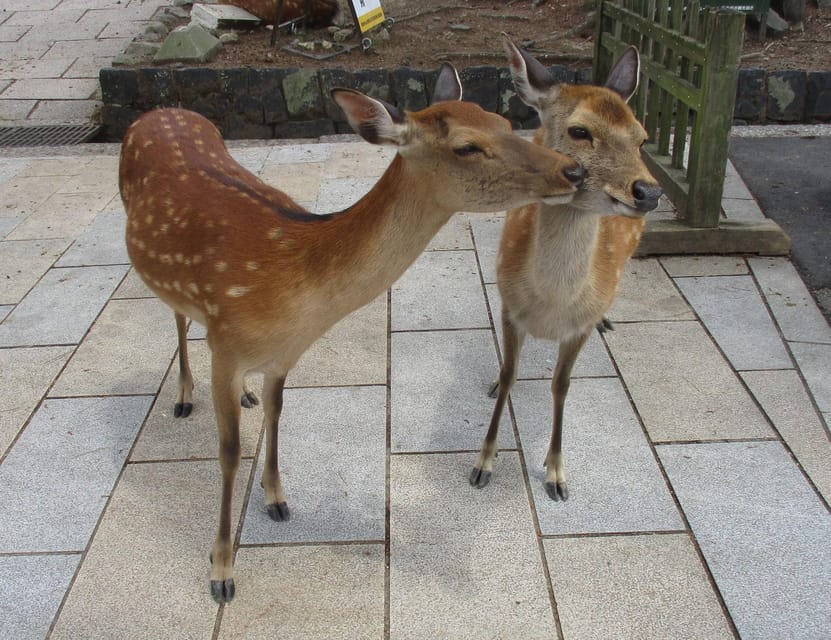
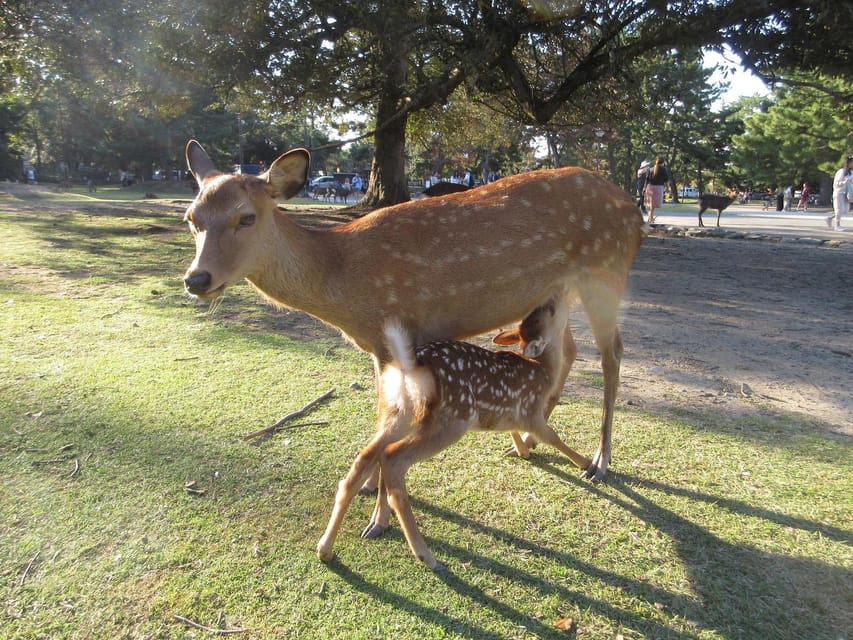
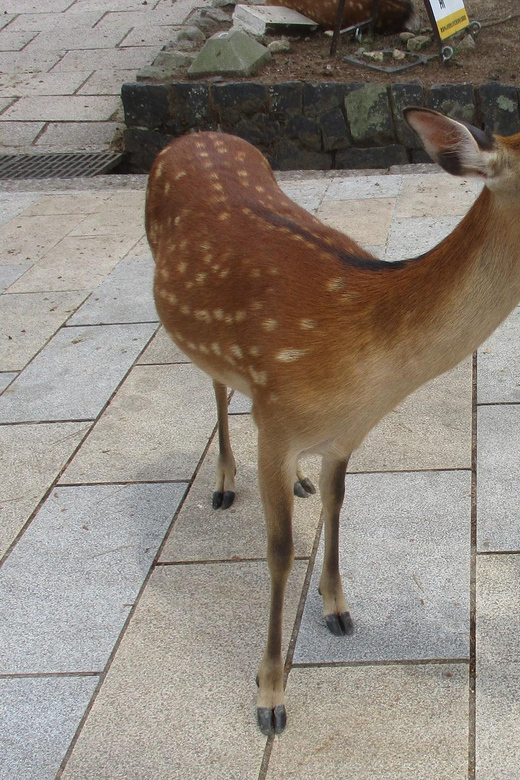
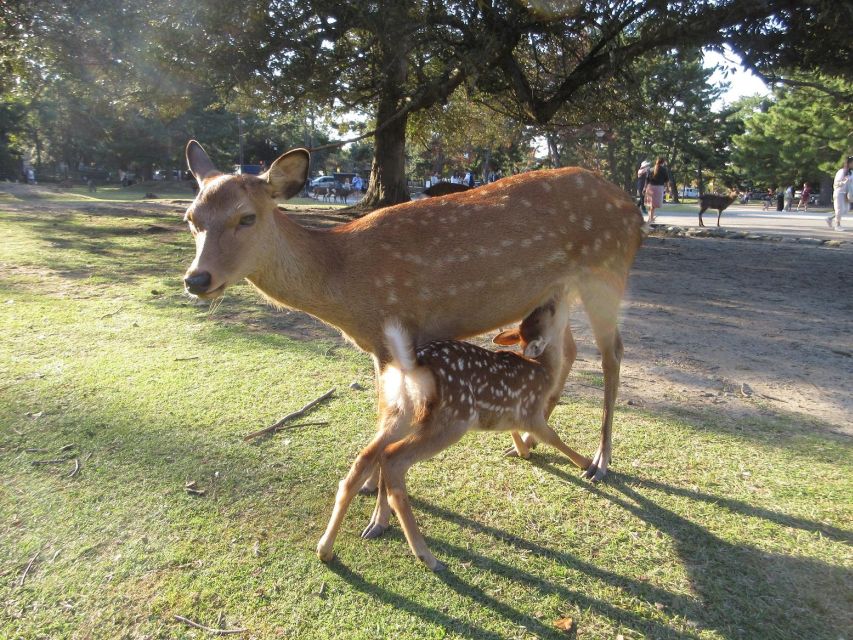
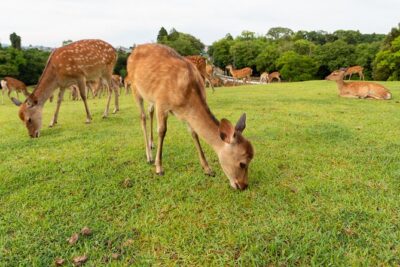
After the temple, the route continues on foot into the broad park around it. Nara’s deer have lived alongside local people since ancient times, and here they move freely through the public space. Seeing them in the same setting as the city’s major religious landmarks gives the visit a distinctive mix of everyday life and cultural history.
You can buy deer crackers at designated stalls and feed the animals. The crackers are not listed among the included costs, so bring a little extra if feeding them is part of your plan. Treat the deer as animals, not props: follow the guidance at the stalls and be mindful around them, especially if you’re carrying food.
The deer can be a highlight, but they also make the park less predictable than a temple interior. You may find yourself stopping to watch them, taking photos, or simply enjoying the contrast between a quiet walk and the movement around you. The itinerary keeps this portion short, so don’t expect a long, unstructured afternoon in the park.
The route includes a five-minute walk from Tōdai-ji and a further 10-minute walk before the train journey back. Those short intervals make the park feel like part of the visit rather than a separate excursion. They also mean that anyone hoping to wander farther through Nara should consider whether a guided half-day is enough for their plans.
A brief pause at Ukimido
Ukimido is a short sightseeing stop, scheduled for 10 minutes. It adds a change of pace after the temple and deer park, but it is not a long visit. Think of it as a concise look at another point of interest along the route, rather than a substantial stop with time to explore at leisure.
That distinction matters when you compare this tour with a self-guided day in Nara. A short itinerary lets you see the main sights and return to Kyoto in about five hours, which is useful if your schedule is tight. In exchange, you give up some freedom to spend longer at places that catch your interest.
After the stop, you travel back by train for about 45 minutes, arriving at Kyoto Station. The tour ends there, though you can leave the group partway through if that suits your plans. If you do, make sure you understand where you’re leaving and how you’ll continue your journey.
What the $153 price covers
At $153 per person, this is not the cheapest way to visit Nara. The price includes the train and bus transport during the itinerary, admission fees for the monuments visited, and an Italian-speaking guide. Those inclusions matter because they remove several separate costs and decisions from a day trip.
The value depends on what you want from Nara. If you’re comfortable arranging your own transport and mainly want to see Tōdai-ji, you may prefer to travel independently and spend the difference elsewhere. If you want an Italian-speaking guide to explain the temple and local culture, plus transport and entry bundled into one plan, the higher price is easier to justify.
The group limit of 15 keeps the outing on a smaller scale than a large coach tour. That can make it easier to hear the guide and ask questions, though it is still a group visit with a shared timetable. Individual tours are also offered, but the exact arrangements and price for that option are not specified here.
There is also some booking flexibility: you can reserve now and pay later, and cancellation up to 24 hours in advance qualifies for a full refund. Those terms can help if your plans are still taking shape. Starting times vary, so check availability for the date you have in mind.
More Kyoto tours in Nara:
- Osaka/Kyoto: Arashiyama, Nara & Fushimi Inari Shrine w/Lunch
★ 4.4 · 754 reviews - Nara Early Morning Tour (Kyoto or Osaka Departure Available)
★ 5.0 · 676 reviews - Kyoto and Nara Day Trip from Kyoto
★ 4.5 · 445 reviews - Full Day Guided Tour to Kyoto and Nara from Osaka by Van
★ 5.0 · 420 reviews
Who this Nara tour suits best
I’d consider this tour if you’re staying in Kyoto, want to see Nara’s central sights in half a day, and value having the story explained in Italian. It is particularly well suited to someone who likes asking questions rather than reading about a place after the fact. The guide’s local roots and the emphasis on Buddhist practice give the experience more purpose than a simple transfer to the statue.
It also works well if you want transport and admission handled in one package. The route has a clear beginning and end at Kyoto Station, and the five-hour duration leaves room in your day for other plans. That efficiency is a plus, as long as you’re comfortable following a set schedule.
You may want another approach if you prefer to move slowly, explore the park for hours, or decide on the day how long to spend at each sight. This tour gives you a useful introduction, not an open-ended day in Nara. The brief Ukimido stop and limited time around the deer are the clearest signs of that.
Should you book it?
Book this tour if a strong Italian-speaking guide is central to your visit and you want the key sights of Nara covered with transport and entrance fees included. The giant Buddha, free-roaming deer, and Kyoto-based local perspective make a thoughtful half-day outing.
Skip it if your priority is keeping costs low or setting your own pace. Nara is the kind of place where a short visit can be satisfying, but a guided schedule will not give you unlimited time to linger. At $153, the best reason to book is not convenience alone. It’s the combination of cultural explanation and a practical, all-in route.
FAQ
How long does the tour last?
The tour lasts about five hours, including the journey from Kyoto to Nara and back.
Where does the tour start and end?
It starts and ends at Kyoto Station. The meeting point is outside the north entrance, in the space between four escalators near the taxi terminal.
What language is the tour in?
The live guide speaks Italian. The guide is a native of Kyoto.
How many people can join the group?
The small group is limited to 15 participants. Individual tours are also offered.
What is included in the price?
Transportation during the itinerary and entrance fees to the monuments visited are included, along with the Italian-speaking guide.
How do you travel from Kyoto to Nara?
The itinerary includes a train ride of about 45 minutes, followed by a bus ride of about 15 minutes. The return train journey takes about 45 minutes.
Can you feed the deer?
Yes. Deer crackers are available for purchase at designated stalls in the park. Their cost is not stated as part of the tour price.
Can you cancel the tour?
You can cancel up to 24 hours in advance for a full refund. You can also reserve now and pay later.
Newly added in Nara
- Nara Private Day Trip – Enjoy Your First-Time Visit to Nara!★ 5.0 · 10 reviews
- Relax in Nara: Deer Park, Todai-ji Temple and Merchants’ Town★ 5.0 · 6 reviews
- Nara Todaiji Lazy Bird Walking Tour★ 5.0 · 11 reviews
- Nara: Authentic Onigiri Cooking Class & Meal in a Local Home★ 5.0 · 4 reviews
- Private Nara Tour and Sake Tasting (Departing from Kyoto/Nara)★ 5.0 · 40 reviews
- Nara World Heritage PRIVATE TOUR★ 4.5 · 15 reviews
- Private Journey in Nara’s Historical Wonder★ 5.0 · 3 reviews
- Nara Private Tour: Flexible Pickup from Kyoto, Osaka, or Nara★ 5.0 · 17 reviews
Nara Tours, compared.
World Heritage Kyoto & Nara Uji Authentic Matcha Experience
Read our review →
Nara, Fushimi Inari Taisha, Arashiyama Bus Tour
Read our review →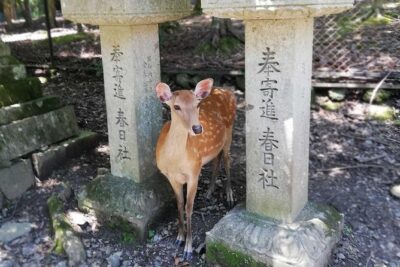
Nara Half Day Trip Walking Tour (Private Option Available)
Read our review →
Arashiyama, Nara & Fushimi Inari Shrine w/Lunch
Read our review →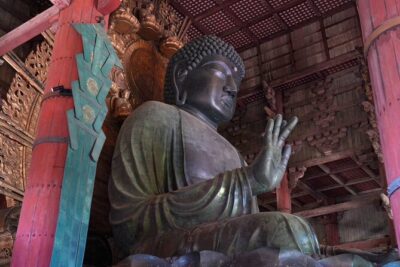
Nara Early Morning Tour (Kyoto or Osaka Departure Available)
Read our review →
Full Day Guided Tour to Kyoto and Nara from Osaka by Van
Read our review →
Browse the lists this tour appears in