
Reviewed · NISHIKI MARKET TOURS
Nishiki Market Food Tour with Cooking Class
Nishiki Market is easy to cross in 15 minutes and easy to misunderstand. With a local guide to explain the foods, shop customs and history, this private tour turns a quick walk into a useful introduction to Kyoto’s food culture, followed by a hands-on donburi cooking class.
I like two things in particular: you can ask questions as you go, and your meal uses ingredients bought at the market. You also get to choose from seafood, tempura or chicken-and-egg donburi, with the option to taste three types of sake.
One consideration: the market portion is about an hour, so this is an introduction, not a long shopping stop. If you want time to browse and buy things for yourself, plan to return after the tour.
At a glance
- A guide helps you read the market: Ask about unfamiliar foods, Kyoto specialties, shop traditions and etiquette.
- Pickles are part of the walk: Try free Japanese pickle samples as you explore.
- Your market visit leads to lunch: Ingredients are included, and you cook and eat your own donburi.
- Choose your bowl: Options are seafood kaisen-don, tempura ten-don, or chicken-and-egg oyako-don.
- It is a private group: The pace and questions can follow your interests.
- The price includes the transfer: A taxi from Nishiki Market to the cooking studio is covered.
First, get your bearings at Nishiki Market
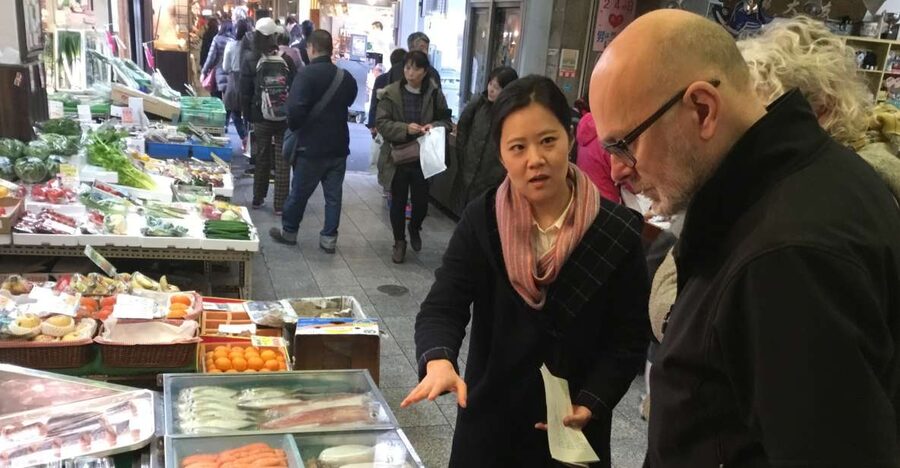
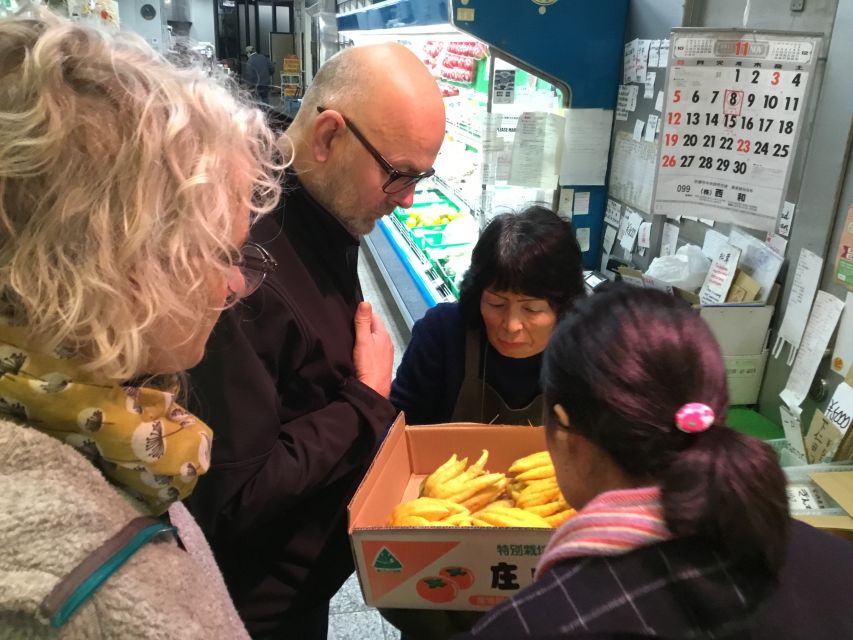
The tour begins at the western entrance of Nishiki Market, where your guide briefs you before the walk. This starting point matters: Nishiki is a long, narrow food market, and its many stalls can blur together if you simply follow the crowd. A guide gives the walk a purpose, pointing out foods and shops that might otherwise be easy to pass.
The market can be crossed quickly, but a short visit tells you little about what you are seeing. With about an hour here, you can ask about unfamiliar ingredients, learn what certain shops are known for and get help translating questions to shop staff. That makes the experience more useful than a self-guided stroll, especially if you are still learning how to approach Japanese food counters.
Expect a mix of traditional shops and more tourist-oriented stalls. One helpful part of the tour is learning which places have older roots and what each is known for. That context can help you decide where to return later, rather than spending your market time wandering without a plan.
More Nishiki Market tours in Kyoto:
- Nishiki Market Brunch Walking Tour (7 Tastings + Brunch)
★ 5.0 · 1,355 reviews - Kimono Tea Ceremony at Kyoto Maikoya, NISHIKI
★ 5.0 · 911 reviews - Kyoto Nishiki Market Food and Culture Walking Tour
★ 5.0 · 412 reviews
Pickles, samples and the small rules of eating
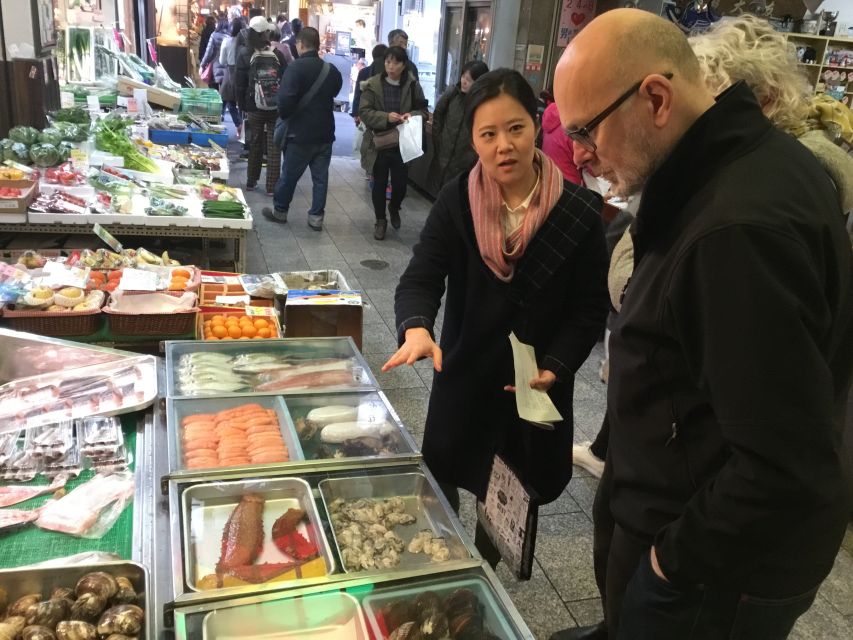
Food tasting is built into the market walk. Japanese pickles are offered free, giving you a chance to try a familiar part of Japanese meals in several forms. The tour also includes sample food tastings, though the specific items can vary.
There is an optional tasting of three types of sake. If you want to try it, ask your guide how it fits into the walk and whether there is an added cost, since the tour information does not specify the price. The tasting is a pleasant extra, but the market visit is still worthwhile if sake is not your thing.
Your guide can also explain the practical etiquette that makes a market visit smoother. For example, you will learn that eating while walking is not considered proper here. That is a small detail, but it helps you avoid an awkward moment and shows how local customs shape the way people use the market.
Ask freely, and let the walk follow your interests
This is a private tour, not a fixed group with a guide delivering a memorized speech. You can ask as many questions as you like, and the pace can adjust to your interests. If a spice, pickle or unfamiliar ingredient catches your eye, you can ask what it is and how it is used.
That flexibility is especially useful for food-minded visitors. Guides have helped explain sauces, cooking methods and brands, as well as the history behind particular shops. If you like to cook, these details can be more valuable than a simple list of market highlights. You come away with ideas for how to use ingredients, not just names to remember.
The guide may also help translate a question to a shop worker. That does not mean every stall becomes a private tasting or sales stop, but it can make brief conversations more accessible. If you have dietary preferences or a special request, raise it early. There has been flexibility around substitutions, such as changing chicken to tofu, but it is best to ask rather than assume every request can be met.
A short taxi ride takes you from market to kitchen
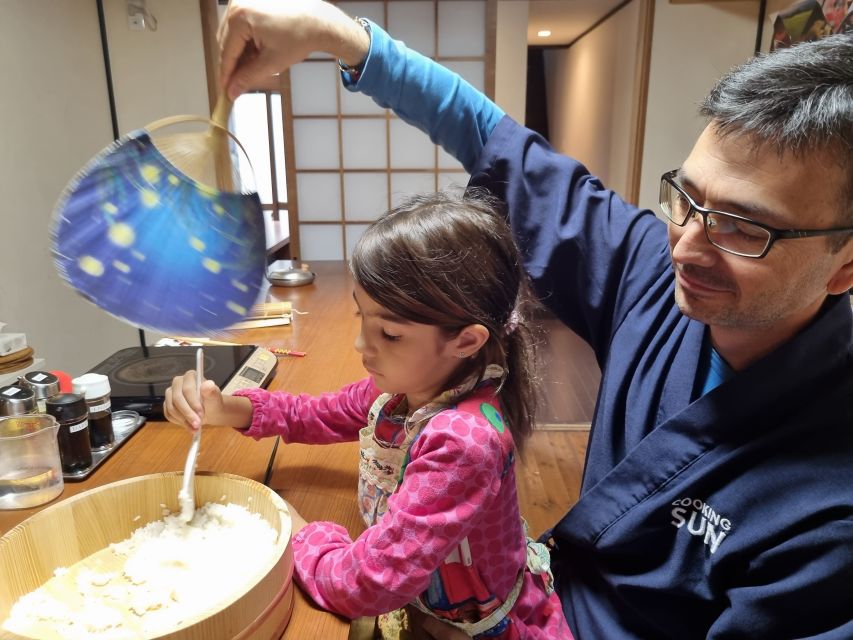
After the market tour, a taxi takes you to the cooking studio, with the fare included. The transfer saves you from having to find the class location on your own and gives the experience a clear transition: first learn about the ingredients, then put them to work.
The cooking class takes place in a kitchen set up for lessons. The setting has been described as clean, well-stocked and welcoming, with a cozy feel. Once there, you begin preparing the dishes rather than spending a long time waiting around.
The tour lasts 150 minutes overall. The usual outline is about an hour at Nishiki Market and about an hour cooking and eating, with the remaining time covering the briefing and transfer. That makes this a compact half-day activity, not a full culinary course. You get enough time to learn and cook a meal, but not to master every technique or browse the market at length.
More cooking classes in Kyoto:
- Ramen Cooking Class at Ramen Factory in Kyoto
★ 5.0 · 1,937 reviews - Sushi Making in Kyoto! Same-day bookings welcome!
★ 5.0 · 713 reviews - Kyoto: Ramen Cooking Class at a Ramen Factory with Souvenir
★ 4.9 · 532 reviews - Kyoto: Ramen, Gyoza, and Onigiri Cooking Class
★ 5.0 · 445 reviews
Make donburi with the ingredients you just explored
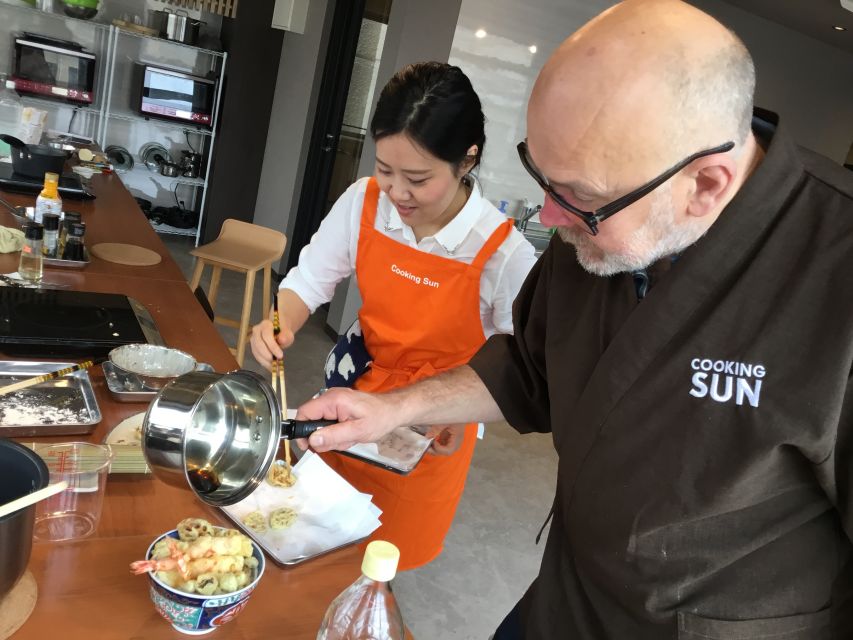
The centerpiece is your donburi, a rice bowl meal made with ingredients bought during the market visit. The ingredients are included in the tour price, as are the recipe and samples along the way. You choose among three options: kaisen-don with seafood, ten-don with tempura, or oyako-don with chicken and egg.
In a private group, different people may be able to choose different dishes. That makes the class more interesting if your group wants to compare bowls, and it gives you a chance to see more than one preparation. Still, check your preferred choice when arranging the experience, especially if you are joining with dietary needs.
The class is practical, not just a demonstration. Your instructor guides you through the steps, explaining how to prepare the food and how to make the finished bowl look appealing. You may also get guidance on sauces and their uses. That attention to presentation is a useful bonus: donburi is straightforward home cooking, but small choices in arrangement can make a meal feel special.
The market-to-kitchen link is what gives this class its value. You have just heard about ingredients and seen how they are sold, then you use them in a dish. For many people, that sequence makes the cooking lesson easier to remember and repeat at home. The recipe helps too, particularly if you want to try making dashi or one of the dishes again after your trip.
What the $109 price covers
At $109 per person, this costs more than a market walk alone, but it includes several distinct parts: a private English-language guide, market tastings, donburi ingredients, the cooking lesson, a recipe and the taxi from the market to the studio. You are paying for both the market explanation and a meal you make yourself, rather than just a guided stroll.
The private format is a meaningful part of the value. You can ask questions without holding back a larger group, and your pace can respond to what interests you. For a couple, family or small group with different levels of food curiosity, that can make the experience feel more personal than a standard class.
It is not an all-you-can-eat market tour. Any additional food you want to buy or eat on your own is not included. The free pickle samples and other included tasting are a taste, not a substitute for shopping or a full market lunch. Keep that distinction in mind when comparing the price with tours that include more food.
The optional sake tasting is another point to clarify before booking if it matters to you. The experience offers three types to taste, but the available details do not say whether it costs extra. Treat it as an optional feature and confirm the terms directly.
Guides make the difference
Guides and instructors named during the experience include Chie, Momo and Mio. Names and staff may vary on your date, but the role is consistent: lead the market walk in English, answer questions and teach the cooking steps.
The strongest part of the guide-led format is the mix of food knowledge and practical help. You can learn what Kyoto is known for, hear why particular shops have their reputations, and get tips on how to cook with sauces and ingredients. For a first visit to Nishiki, this guidance helps you focus your time and gives you a better idea of what to seek out if you return on your own.
Families can also find the format engaging. Children have been included in cooking sessions, and the hands-on steps give them a job to do instead of asking them to stand quietly through a long talk. It is still a food-focused activity, so it will suit children best if they enjoy trying new things and taking part in meal preparation.
Who will get the most from this tour
I would choose this experience if you want more than a quick look at Nishiki Market and like the idea of turning the visit into lunch. It is particularly suited to people who enjoy cooking, want to learn about Japanese ingredients, or prefer a private guide who can answer questions at their own pace.
It also works well early in a Kyoto stay. The guide can point out stalls and foods to look for later, so the walk becomes a practical orientation as well as a meal. If you are already familiar with Japanese food, you may still appreciate the cooking tips and shop context, but the market explanations will be most useful to newcomers.
This is less ideal if you mainly want unhurried personal shopping. The market portion is about an hour, and the schedule moves on to the studio. You can return after the tour, but the class does not appear to build in a separate shopping period. If browsing is your priority, set aside extra time on another visit.
Should you book it?
Book this tour if you want a guided introduction to Nishiki Market paired with a real cooking lesson, and if a private, question-friendly format matters to you. The included ingredients, recipe and taxi transfer make the $109 price easier to justify than a market walk on its own.
Skip it if you want a long, open-ended market visit or a meal centered on eating your way through many stalls. The tour is best understood as a focused food lesson: learn what you are seeing, taste a few things, then cook a donburi with a guide’s help. For curious eaters and home cooks, that is a worthwhile way to spend two and a half hours in Kyoto.
FAQ
Where does the tour start?
Meet at the western entrance of Nishiki Market.
How long does the experience last?
The tour lasts 150 minutes. Typically, about an hour is spent at the market and about an hour cooking and eating, with time for the briefing and transfer.
What donburi dishes can I choose?
The options are kaisen-don with seafood, ten-don with tempura, and oyako-don with chicken and egg.
Are the cooking ingredients included?
Yes. The ingredients for the donburi are included, along with the recipe.
Is the tour private?
Yes. It is offered as a private group, and you can ask questions and move at your group’s pace.
Is the tour in English?
Yes. The guide and instructor language is English.
Is transportation to the cooking studio included?
Yes. The taxi cost from Nishiki Market to the studio is included.
More food tours in Kyoto
- Kyoto Night Foodie Tour in Gion (9+ dishes + 6 Sake tastings)
★ 5.0 · 1,762 reviews - Kyoto: Izakaya Bars Guided Walking Tour
★ 4.9 · 815 reviews - Kyoto: Insider Sake Brewery Tour with Sake and Food Pairing
★ 5.0 · 704 reviews - The Original Small-Group Sushi Making Class in Kyoto
★ 5.0 · 436 reviews
Newly added in Kyoto
- Uji: Private immersion into Kyoto’s tea and reglious culture★ 5.0 · 17 reviews
- Whisk Your Own Matcha: A Zen Matcha Experience at Temple★ 3.6 · 7 reviews
- Kyoto tea town for matcha lovers★ 5.0 · 16 reviews
- Treasures of Kyoto: Gion & historical Walking Tour★ 5.0 · 6 reviews
- Kyoto Matcha Green Tea Tour★ 4.5 · 23 reviews
- Uji and Wazuka Matcha Farm Half Day Private Guided Tour★ 5.0 · 21 reviews
- Uji Tea Ceremony and UNESCO Heritage Walking Tour★ 5.0 · 20 reviews
- Utilising upcycled Matcha! Creating matcha incense (Uji, Kyoto)★ 5.0 · 6 reviews
Nishiki Market Tours, compared.
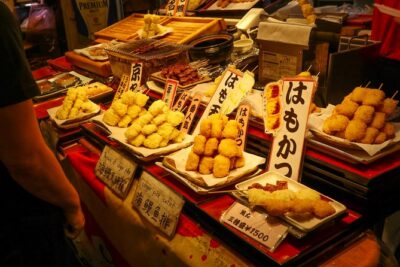
Nishiki Market Brunch Walking Tour (7 Tastings + Brunch)
Read our review →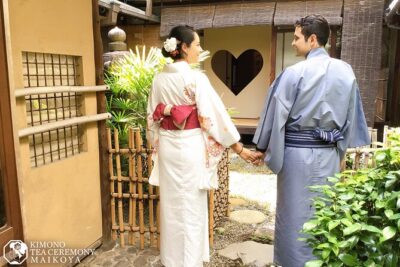
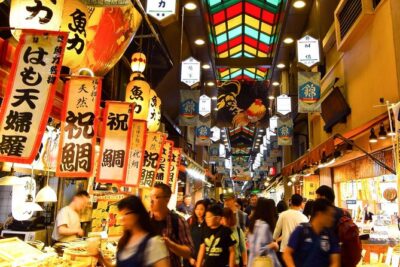
Kyoto Nishiki Market Food and Culture Walking Tour
Read our review →
Nishiki Market Tea Ceremony with Koto Performance
Read our review →
Kimono Tea Ceremony Experience at Kyoto Oritzuruya, Nishiki
Read our review →
Nishiki Market and Depachika Food Tour with a Local
Read our review →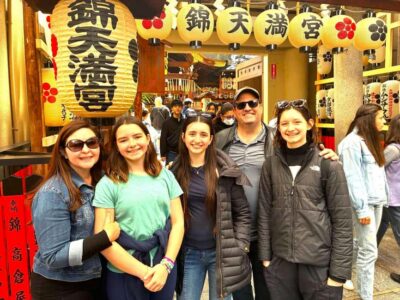
Nishiki Market Tour with a Local Foodie & Tastings
Read our review →Browse the lists this tour appears in