
Reviewed · KINKAKU-JI TOURS
Osaka/Kyoto: Katsuoji, Kinkakuji, Arashiyama 1-Day Bus Tour
A day that takes you from Daruma-filled Katsuoji to the bamboo paths of Arashiyama and the gold of Kinkakuji gives you three very different faces of the Kyoto-Osaka region. I like the contrast between Katsuoji’s wish-making ritual and Arashiyama’s riverside scenery, and I like that round-trip bus transport connects the stops without asking you to plan each leg yourself.
The trade-off is time: this is a full 9 to 10 hours, and the schedule gives only about an hour at Katsuoji and 40 minutes at Kinkakuji. If you like to linger at temples, face queues, or explore every corner, you may feel hurried. Think of it as a sampler with useful free time, not a slow, in-depth visit to each site.
At a glance
- Katsuoji’s Daruma dolls turn a temple visit into a personal good-luck ritual. The stop is scheduled for about one hour.
- Arashiyama gets the most time, with 2.5 hours for the bamboo grove, Togetsukyo Bridge, Kimono Forest and Nonomiya Shrine.
- Kinkakuji’s golden pavilion is the final listed sightseeing stop, with about 40 minutes to see the temple grounds.
- A guide handles the transport and timing, with English and Chinese offered. Recent guides include Willa, Theodore, Steven and Amanda, though assignments vary.
- The $56 fare covers transport costs, not temple admissions or meals. Bring money for entrance fees, drinks and food.
Three very different stops in one day
This tour is built around contrast. At Katsuoji, the focus is prayer and Daruma figures. In Arashiyama, it shifts to the river, bamboo and traditional-looking sights. Kinkakuji closes the day with a famous gold-covered temple pavilion reflected in a pond.
That mix is the tour’s main strength. You get a memorable overview of several well-known places without having to organize transport between them yourself. The cost of that convenience is a brisk pace, with limited time at the first and last stops.
The experience lasts 9 to 10 hours, starting and ending at one of two pickup locations: Harimaya Nippombashi 1-chome or the sunken garden at Kyoto Station’s Hachijo entrance. The option you book determines your meeting point, so check it carefully. Round-trip transfers, fuel, tolls and parking are included.
More Golden Pavilion tours in Kyoto:
- Kyoto: Fushimi Inari, Kinkakuji, Bamboo Grove 1 Day Bus Tour
★ 4.8 · 4,316 reviews - Osaka/Kyoto:Kinkakuji,Arashiyama,FushimiInariShrine,NaraPark
★ 4.1 · 1,596 reviews - Kyoto: Nijo, Kinkaku-ji, Arashiyama, Kiyomizu & Fushimi Inari
★ 5.0 · 699 reviews
Katsuoji: Daruma and a wish for good luck
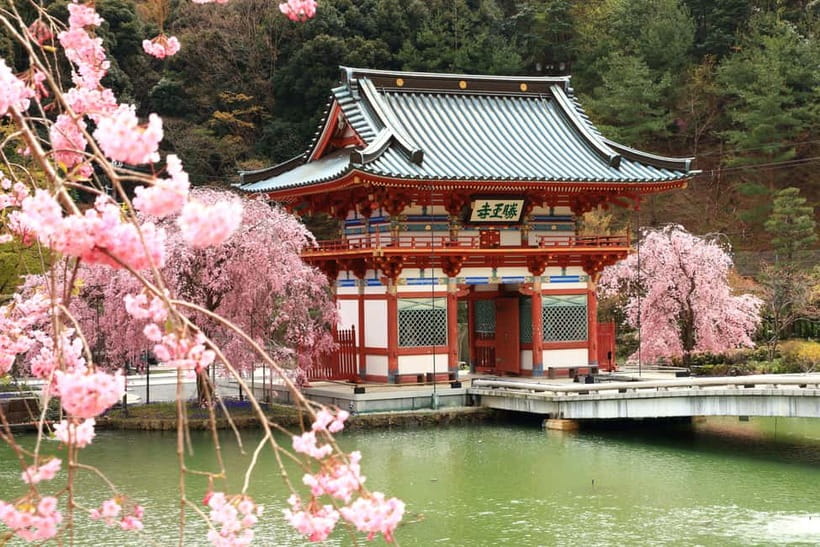
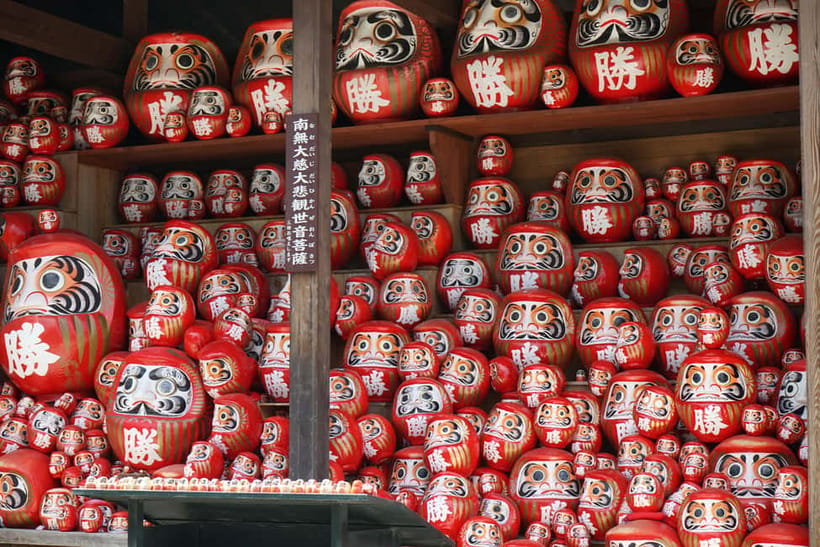
The first listed sightseeing stop is Katsuoji, a temple with more than 1,300 years of history, known as the Temple of Victory. Daruma figures appear throughout the grounds, making the visit feel distinct from a standard temple stop. You can pray for good luck and success, and the Daruma ritual gives that wish a physical form.
The custom described for the visit is to draw the left eye while making a wish, then fill in the right eye when the wish comes true. It is a simple gesture, but one that can make the stop more personal than a quick look at temple buildings. If you take part, treat it as a symbolic promise to yourself as well as a prayer.
You have about an hour here, and that may feel tight. The grounds are described as large, and queues for some areas can eat into your time. I’d keep your priorities clear: see the Daruma, take in the temple setting, and leave enough time to return to the bus. Admission is not included, so budget for it separately.
Arashiyama: the day’s longest pause
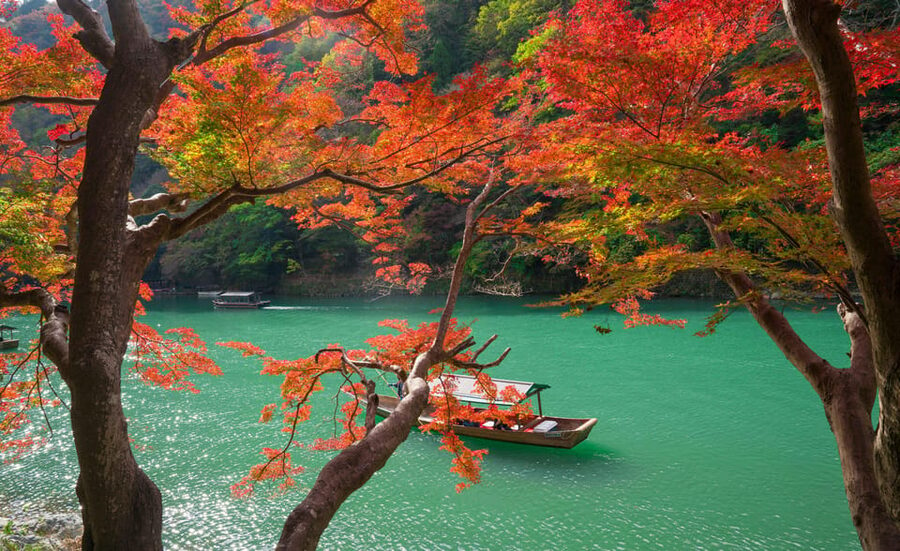
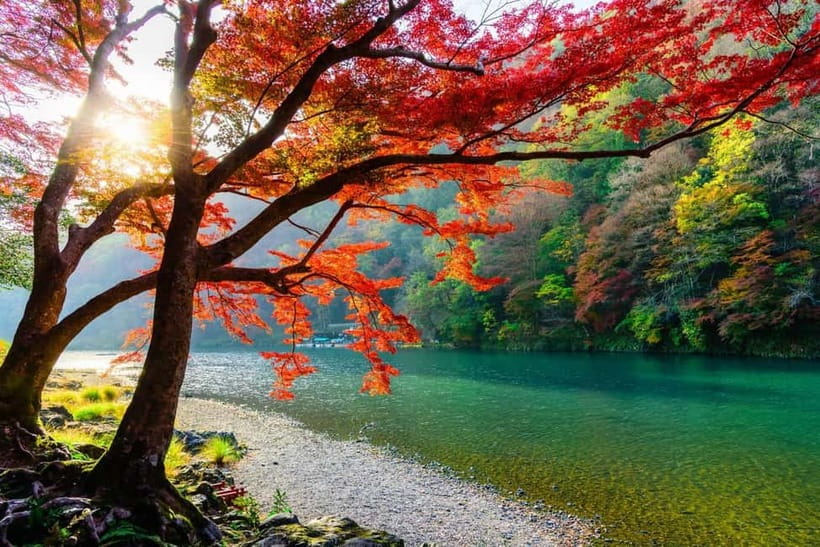
Arashiyama gets about 2.5 hours, the most time of any stop. That sounds generous, but the area includes several attractions: the Bamboo Grove, Togetsukyo Bridge, Kimono Forest and Nonomiya Shrine. You’ll need to choose how to divide your time rather than expect a leisurely visit to every corner.
The tour format allows free time to explore, while the guide can offer directions and tips. That balance is useful in a busy area: you get help finding the main sights, but you are not required to follow a group at every step. Guides such as Willa have been praised for clear instructions and practical advice on making the most of each stop. Your guide may be someone else.
The Bamboo Grove
The bamboo path is the image many people associate with Arashiyama. Tall bamboo rises on either side, and light filters through the leaves. The effect is calm and unusual, though the short, popular path can be busy. Go for the atmosphere and the sight of the bamboo, but don’t expect a long, secluded walk.
The grove rewards a slower pace when conditions allow. Stop to notice the rustling leaves and shifts in light, then move on when the path is crowded. With several sights to fit into your allotted time, a brief, attentive visit may be more satisfying than waiting for a perfect empty photograph.
More Arashiyama tours in Kyoto:
- Kyoto/Osaka: Nara, Fushimi Inari Taisha, Arashiyama Bus Tour
★ 4.7 · 1,275 reviews - Kyoto Arashiyama Walking Tour: Bamboo, Monkeys, Gardens & Secrets
★ 5.0 · 1,216 reviews - Arashiyama Bamboo, Temple, Monkeys, or Secret Sake Brewery
★ 4.8 · 886 reviews - Kyoto: Arashiyama Bamboo Forest, Monkeys, Matcha & Temple Tour
★ 5.0 · 759 reviews
Togetsukyo Bridge
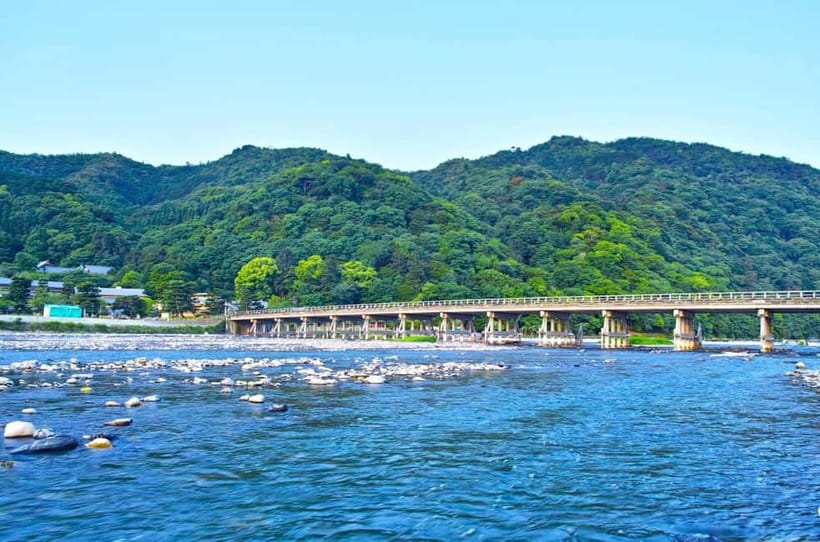
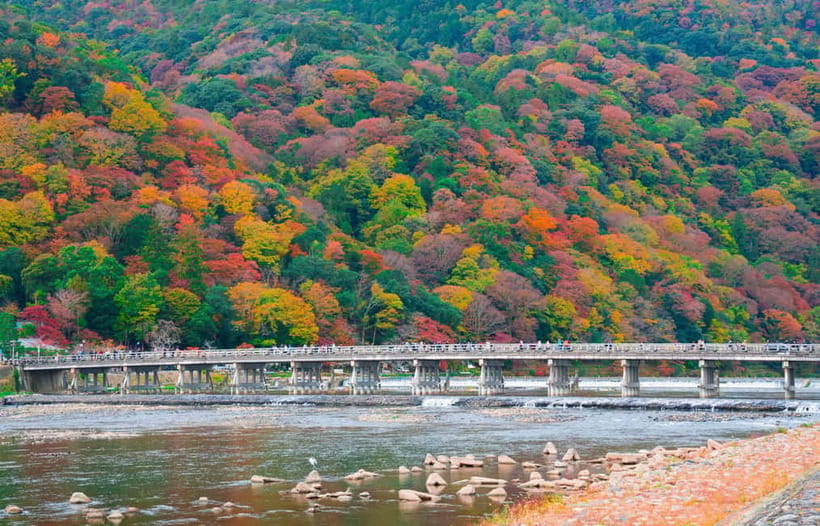
Togetsukyo Bridge crosses the Oi River, with mountains in the distance. It is a scenic landmark and an easy place to pause for a view of water and hills. The bridge gives the Arashiyama visit a different feel from the enclosed bamboo path: here, the setting opens up.
The bridge is a good spot for photographs, but it is also a working crossing, not a quiet viewpoint set apart from the area. Take your pictures without letting them consume all your Arashiyama time. The value is in seeing the river and mountain backdrop together, then continuing to the other stops.
Kimono Forest and Nonomiya Shrine
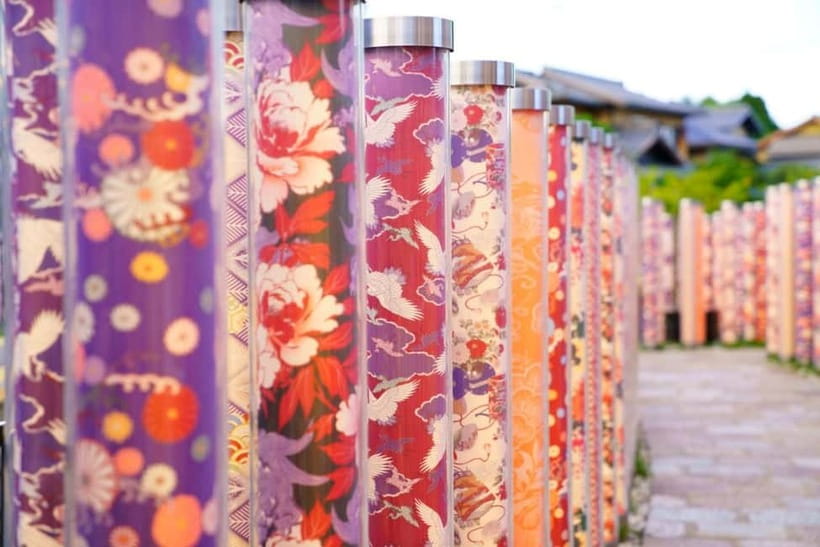
Kimono Forest is a collection of transparent columns displaying colorful kimono patterns. The rows create a visual display of traditional designs, with light and shadow changing the way the colors appear. It is a quick, accessible contrast to the natural scenery, and you can take it in as you walk through.
Nonomiya Shrine is associated with prayers for love, health and happiness. You can write a wish on a painted wooden plaque, known as an ema. If that sort of small ritual appeals to you, it gives the visit a personal touch; if not, the shrine remains a brief cultural stop within a packed itinerary.
Kinkakuji: a short visit to the golden pavilion
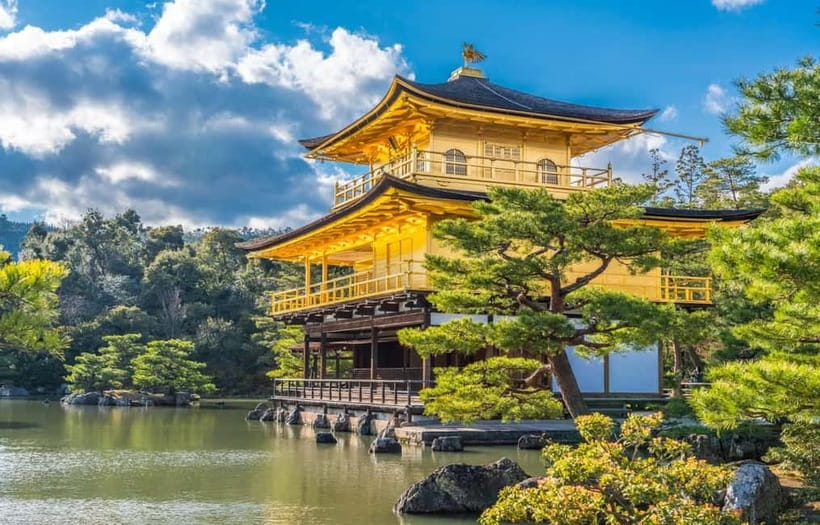
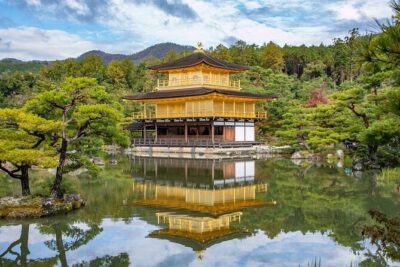
Kinkakuji is the final listed sightseeing stop, with about 40 minutes on site. Its gold-covered exterior reflects in the pond, creating the image that makes the temple so recognizable. The visit is less about covering a large area than seeing the pavilion and its setting in person.
The time limit is the main consideration. Forty minutes can provide a clear look, but it leaves little room to linger if the grounds are busy or you want to take your time with photographs. Admission is not included, so plan for an additional entrance fee.
Kinkakuji is a fitting finale after the more varied Arashiyama stop: it offers a concentrated visual highlight. Still, if you want a long temple visit, this schedule may not suit you. The tour aims to show you several headline sights in one day, not to give each one a deep, unhurried exploration.
What the guide and bus add
The tour’s practical value lies in connecting the stops. You get round-trip transport, with tolls, fuel and parking included, plus an English- or Chinese-speaking guide. That removes much of the work of arranging separate journeys and keeping track of the day’s connections.
The guide’s role appears to combine brief explanations with on-the-ground help and schedule management. Names associated with recent departures include Willa, Theodore (also identified as Chan San), Steven, Amanda, Eve and Lee. The guide changes by departure, so treat those names as examples rather than a promise. Reports of clear communication, useful directions and a well-kept schedule point to the kind of support that matters most on a day with several stops.
The transport has also been described as clean and comfortable, with polite drivers. One account noted that a bus felt old in details such as seats and seatbelts, so don’t expect luxury transport. The more important benefit is having a driver and a fixed route to take you between distant sights.
Traffic can affect the schedule. The operator says it covers overtime costs if traffic requires the driver and guide to work longer, but delays can still affect your day. Keep plans after the tour flexible rather than arranging an important appointment close to the expected return.
Is $56 good value?
At $56 per person, the price is attractive if you want to visit several major sights without arranging transport yourself. The fare includes the bus, fuel, tolls, parking and a guide, which makes it easier to understand what you are paying for. It does not include admission to Katsuoji or Kinkakuji, meals, drinks, personal expenses or insurance.
That means the headline price is not the whole day’s cost. Add temple admissions and food when you set your budget. The information provided does not give entrance prices, so check those separately before departure if you are keeping a close eye on spending.
For value, compare this with the time and effort of planning all the transfers on your own. If you mainly want to see these places and appreciate having transport and schedule support, the fare makes sense. If you prefer to spend half a day at one temple, the same money may be better used for a slower, independently planned visit.
The overall score is 4.6 from 33 ratings. The strongest themes are helpful guides, clear directions, a good balance of guided support and independent exploring, and transport that keeps the day moving. The practical caveats are also clear: some stops are short, Katsuoji can involve queues, and bus comfort may vary.
Prepare for a long day on foot
Wear comfortable shoes. You’ll be getting on and off the bus and walking around temple and sightseeing areas, and the tour is not suitable for people with mobility impairments or wheelchair users. Bring water, sunscreen and a camera, as recommended.
Meals and beverages are not included. Japanese law prohibits eating on the bus, so plan to eat during your time off the vehicle rather than carrying food aboard. Smoking is not allowed on the tour.
If you have luggage or a child under three, add a note when placing your order. The guide and vehicle details are sent by email before 21:00 the evening before the tour, so check your inbox for the next day’s instructions. Pickup and drop-off points vary by the option booked.
Who should book this tour?
This is a good fit if you have one day to see Katsuoji, Arashiyama and Kinkakuji, and you value transport that takes the planning burden off your shoulders. It also suits you if you enjoy a guided overview but want free time to explore on your own. The stops offer a satisfying mix of prayer, nature, local sights and a famous temple view.
It is less suitable if you need step-free access, use a wheelchair, or want long, quiet visits at each site. The schedule is a sampler, and the day may feel especially compressed if queues slow you down. If you book, decide in advance what matters most at Arashiyama and keep an eye on the return time at every stop.
FAQ
How long does the tour last?
The tour lasts about 9 to 10 hours. The exact starting time depends on availability for the option you book.
Where can I meet the tour?
The two listed meeting points are Harimaya Nippombashi 1-chome and the sunken garden at Kyoto Station’s Hachijo entrance. Your meeting point depends on the option booked.
Which places does the tour visit?
The listed stops are Katsuoji, Arashiyama, Kimono Forest, Togetsukyo Bridge, the Arashiyama Bamboo Grove, Nonomiya Shrine and Kinkakuji.
How much time is scheduled at each main stop?
Katsuoji is scheduled for about one hour, Arashiyama for 2.5 hours and Kinkakuji for about 40 minutes. The individual Arashiyama sights do not have separate durations listed.
What languages does the guide speak?
Guides are available in English and Chinese. The guide assigned to your departure may vary.
Are temple admission fees included?
No. Admission to Katsuoji and Kinkakuji is not included in the tour price.
Are meals and drinks included?
No. Meals and beverages are not included. Eating on the bus is not allowed under Japanese law.
What should I bring?
Bring comfortable shoes, a camera, sunscreen and water.
Can I bring luggage or a child under three?
The tour information asks you to note luggage or children under three when placing your order.
Is the tour suitable for wheelchair users?
No. The tour is listed as unsuitable for wheelchair users and people with mobility impairments.
More Osaka trips in Kyoto
- One-Day Tour of Kyoto’s Highlights from Osaka/Kyoto
★ 4.5 · 1,092 reviews - Osaka/Kyoto: Arashiyama, Nara & Fushimi Inari Shrine w/Lunch
★ 4.4 · 754 reviews - Nara Early Morning Tour (Kyoto or Osaka Departure Available)
★ 5.0 · 676 reviews - Full Day Guided Tour to Kyoto and Nara from Osaka by Van
★ 5.0 · 420 reviews
More bus tours in Kyoto
- PERFECT KYOTO 1-Day Bus Tour
★ 5.0 · 13,518 reviews - Kyoto: Hop-on Hop-off Sightseeing Bus Ticket
★ 3.9 · 2,034 reviews - Kyoto: Nara & Traditional Matcha Experience Bus Tour
★ 4.9 · 185 reviews - From Kyoto: Nara History Guided Half Day Bus Tour with Lunch
★ 4.8 · 114 reviews
Newly added in Kyoto
- Uji: Private immersion into Kyoto’s tea and reglious culture★ 5.0 · 17 reviews
- Whisk Your Own Matcha: A Zen Matcha Experience at Temple★ 3.6 · 7 reviews
- Kyoto tea town for matcha lovers★ 5.0 · 16 reviews
- Treasures of Kyoto: Gion & historical Walking Tour★ 5.0 · 6 reviews
- Kyoto Matcha Green Tea Tour★ 4.5 · 23 reviews
- Uji and Wazuka Matcha Farm Half Day Private Guided Tour★ 5.0 · 21 reviews
- Uji Tea Ceremony and UNESCO Heritage Walking Tour★ 5.0 · 20 reviews
- Utilising upcycled Matcha! Creating matcha incense (Uji, Kyoto)★ 5.0 · 6 reviews
Kinkaku-ji Tours, compared.
Fushimi Inari, Kinkakuji, Bamboo Grove 1 Day Bus Tour
Read our review →
Kinkakuji,Arashiyama,FushimiInariShrine,NaraPark
Read our review →
Nijo, Kinkaku-ji, Arashiyama, Kiyomizu & Fushimi Inari
Read our review →
Kyoto top must-see Golden pavilion and Bamboo forest half-day Private tour
Read our review →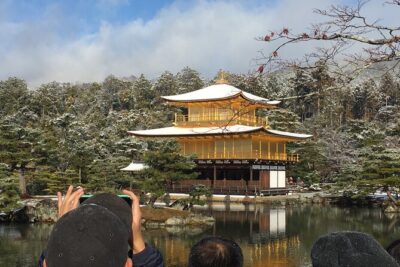
Kyoto Bamboo Forest & Golden Pavilion E-Bike Tour
Read our review →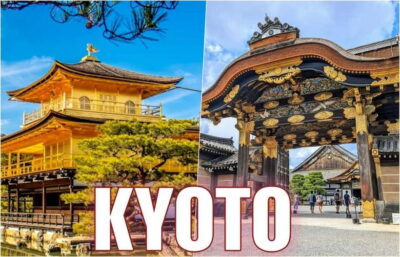
Golden Pavilion, Nijo Castle, & Nishiki Market Half day tour
Read our review →Browse the lists this tour appears in