

Reviewed · KYOTO KIMONO RENTALS
Kyoto 6hr Private Guided Tour & Kimono Experience
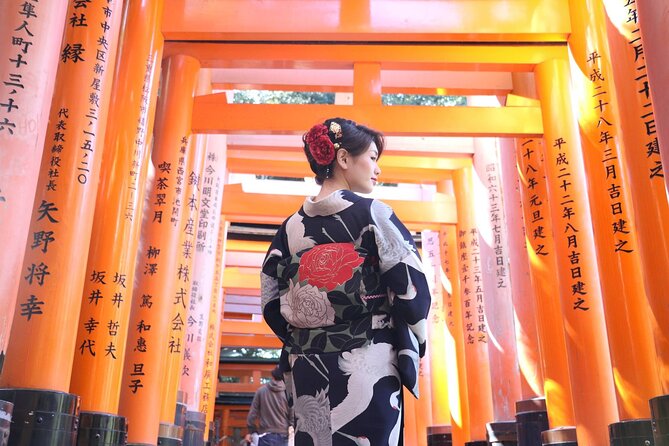
Fushimi Inari is more than a photo stop. With a guide, you can look beyond the red torii gates to the shrine’s origins, symbols and place in local culture, then use the rest of your six hours to explore two other Kyoto sights in a kimono.
I like two things here: you help choose the route, rather than being marched through a fixed checklist, and an English-speaking local guide can explain details you might miss on your own. The kimono rental adds a memorable cultural element, while the reported help of guide Yasuko moving smoothly through Fushimi Inari’s crowds points to the practical value of a guide there.
The main catch is that the long list of sights is a menu, not a promise to visit them all. You choose just two or three, and transportation, admission fees and lunch cost extra, so plan the route and budget before you set out.
Key points before you book
- Pick two or three sights: The many temples, shrines and districts listed are options for a custom route, not stops on one six-hour circuit.
- Allow about an hour for the kimono: The standard rental plan is included, but the start time can vary.
- Fushimi Inari benefits from a guide: Your guide can explain the shrine’s stories and symbols, and help you make sense of the crowded approach.
- You pay your way between sites: The tour is on foot, with no private vehicle; transport, admission and lunch are extra.
- It is private, with one point to confirm: The activity is described as private, though the tour information also gives a maximum group size of 15. Check the limit for your booking.
- Book with your route in mind: The average booking lead time is 123 days, a useful signal to plan ahead if you have specific dates.
A kimono start, then your Kyoto priorities
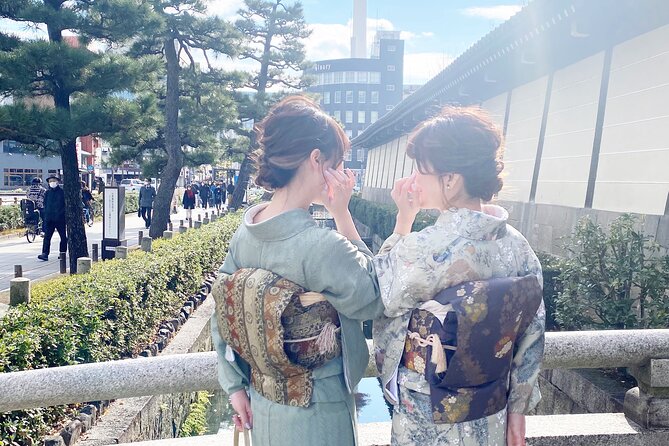
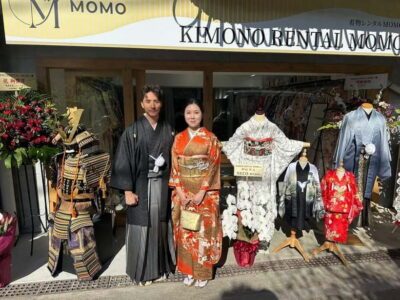
The experience begins with the standard kimono plan at Wargo’s Kyoto Gion store. It is presented as a budget-friendly introduction, with simple designs that mix cute and elegant styles. The rental portion is estimated at about an hour, and the kimono is included in the tour price.
Sizing is specified for women from 150 to 170 centimeters and men from 165 to 200 centimeters. If the fit is not exact, staff will dress you in the closest available option. If you are near the edge of those ranges, contact the provider before booking rather than assuming a perfect fit.
Afterward, you meet your licensed English-speaking guide in Kyoto and choose two or three places from the long list of possibilities. That choice is important. A six-hour tour with a kimono appointment does not leave room for a grand sweep of Kyoto, especially when the sights are spread across the city and you are covering transport costs yourself.
I would settle on a theme before meeting the guide. For temples and gardens, choose a cluster that makes sense together. For a first visit, pair a major landmark with a quieter stop. If Fushimi Inari is your priority, ask what other nearby choice will make the best use of your time. The tour is a chance to go deeper in a few places, not to collect a dozen quick photographs.
The tour is described as private, so your party does not combine with another booking. One part of the tour information also gives a maximum of 15 people, so confirm the exact group limit if you are booking for a larger party.
More kimono rentals and experiences in Kyoto:
- Kimono Tea Ceremony at Kyoto Maikoya, NISHIKI
★ 5.0 · 911 reviews - Kyoto: Kimono Rental with Hairstyling and Accessories
★ 4.8 · 653 reviews - Kyoto: Kimono Tea Ceremony at Orizuruya Gion
★ 4.9 · 618 reviews
Fushimi Inari beyond the red gates
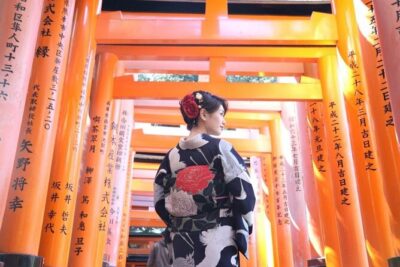
Fushimi Inari-taisha is the clearest match for the tour’s promise of interpretation. The shrine is famous for its long corridors of vermillion torii, but the visit is intended to cover more than the familiar view. Your guide can explain the shrine’s background, its connection to local culture and symbols that are easy to overlook when the main goal is a quick photo.
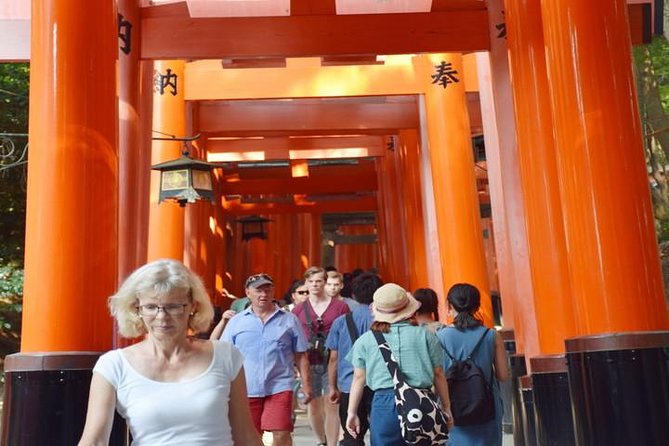
The allotted hour gives you time to pause and listen, though it is not a full-day exploration of the shrine grounds. Crowds can build by midday, making an early visit useful if you want a calmer pace and better chances for photographs. A guide may also help you pass through busy areas without losing time figuring out where to go.
One guide named Yasuko has been praised for clear explanations and helping a party move through the crowds smoothly. You cannot assume she will be assigned to your tour, but the detail captures the kind of practical help that can matter at a popular site: good interpretation is valuable, and so is keeping your visit from becoming a slow shuffle.
Fushimi Inari is listed as one of the possible sites, not an automatic stop. Make sure it is among your chosen two or three if this is the experience you most want.
Choosing temples, gardens and the city’s other sights
Kyoto’s options are unusually broad. That is a strength if you know what you want, but it can make planning feel like choosing from a very long menu. Here is what each kind of stop offers, and what to keep in mind.
Kinkakuji, the Golden Pavilion, is the famous Zen temple whose top two floors are covered in gold leaf. It was built as a retirement villa for shogun Ashikaga Yoshimitsu. The tour allows 15 minutes, so treat it as a focused look rather than a leisurely temple visit. Admission is not included.
Ginkakuji, the Silver Pavilion, sits along Kyoto’s eastern mountains. Shogun Ashikaga Yoshimasa built it as a retirement villa, modeling it after Kinkakuji. Despite its name, it is not covered in silver. The 15-minute visit is brief, and admission costs extra.
Honen-in is a quieter-feeling choice, known for its scenic approach and moss-covered gate. Inside, two sand mounds are said to represent purification. If you want a change of pace from Kyoto’s best-known sights, this stop may appeal, though the listed visit is only 15 minutes.
Nanzenji has spacious grounds at the base of the Higashiyama mountains and is one of Japan’s important Zen temples. Its scale makes it a good candidate if you want room to walk, but the tour’s 15-minute estimate means you will only see a small part of the complex.
Tofukuji is a large Zen temple founded in 1236 and especially known for autumn colors. It is a strong seasonal choice, but the short scheduled stop is not enough to explore all its grounds. Admission is extra.
Taizo-in, a subtemple of Myoshin-ji, is known for its garden, recommended in every season. Garden visits reward a slower pace, so consider whether 15 minutes will be enough for the kind of visit you want.
Shugakuin Imperial Villa was built in the 17th century for Emperor Gomizuno and is now managed by the Imperial Household Agency. It consists of upper, middle and lower villas. The tour gives it 15 minutes, so check in advance what can be seen during that time; admission is not included.
Ryoanji is home to Japan’s best-known rock garden, a site that draws a steady crowd. The simple composition invites you to stop and look, rather than rush through. It appears twice in the tour’s list, but that does not mean you visit it twice. Admission is extra.
Daitokuji is a temple complex made up of temples within temples, with meditative gardens and a history tied to Zen practice. It can suit a traveler who wants to explore a more specific side of Kyoto’s religious life. The listed visit is brief, and admission fees may apply.
Kokedera, or Saihoji, is a UNESCO World Heritage Site known as the Moss Temple. The supplied schedule gives it 15 minutes and says admission is not included. Since the time and entry conditions may affect how useful a stop is, confirm the details with your guide before making it one of your selections.
Kiyomizudera is one of Kyoto’s most popular temples, and a guided visit can help give context to the grounds and Japanese culture. The schedule lists only 10 minutes, however, far less than the one-hour guided visit mentioned in the description. Ask what your chosen visit will include before committing to it.
Kyoto Imperial Palace served as the Imperial Family’s residence until the capital moved to Tokyo in 1868. It sits within the spacious Kyoto Imperial Park. Admission is listed as extra, and the estimated stop is 15 minutes.
Nijo Castle, a UNESCO World Heritage site, was built in 1603 as the Kyoto residence of Tokugawa Ieyasu, the first shogun of the Edo period. The schedule allows 10 minutes, so it is worth checking whether that short window suits your plans. Entry is not included.
Byodoin, in Uji city within Kyoto Prefecture, is known for Phoenix Hall, a National Treasure and UNESCO World Heritage site. Extra travel time is expected because it lies outside central Kyoto. With just five minutes listed at the site, this is a choice to discuss carefully with your guide.
Markets, Gion and the Arashiyama option
Not every stop is a temple. Nishiki Market, known as Kyoto’s Kitchen, is a narrow, five-block shopping street with more than 100 shops and restaurants focused on food. The listed visit is 10 minutes, enough to get a first impression but not a relaxed browse or meal. Lunch is not included, so if you want to eat here, make sure the route allows more time.
Pontocho is a narrow dining alley between Shijo-dori and Sanjo-dori, one block west of the Kamogawa River. Restaurants line the lane, making it a natural choice if you want a sense of Kyoto’s evening dining scene. No visit length is given, so agree on timing with your guide.
Gion can be confusing to navigate for a first-time visitor, especially in its narrow lanes. A guide can help you find your way and point out places that might otherwise pass unnoticed. The tour description does not promise a particular encounter or performance, so think of this as an orientation walk, not a staged cultural show.
Arashiyama offers two recognizable sights: Togetsukyo Bridge and the bamboo groves. The bridge dates to the Heian period, though its current structure was rebuilt in the 1930s. The paths through the bamboo make for a pleasant walk, particularly when a light wind moves the tall stalks. Both are outside a compact central Kyoto route, so factor in travel time before selecting them.
More private tours in Kyoto:
- Fushimi Inari Hidden Hiking Tour (Private Option Available)
★ 5.0 · 1,750 reviews - Private Kyoto Tour with a Local, Highlights & Hidden Gems, Personalised
★ 5.0 · 1,543 reviews - Kyoto 6hr Private Tour with Government-Licensed Guide
★ 5.0 · 1,369 reviews - 10 Must-see Spots in Kyoto One Day Private Tour (up to 7 people)
★ 5.0 · 1,108 reviews
What six hours and $162.52 per person buy
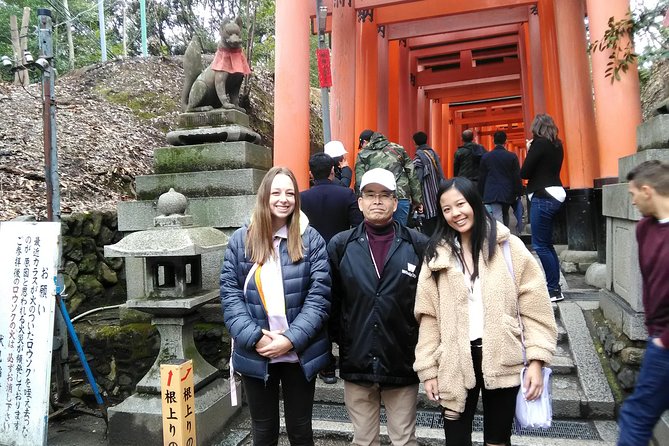
At $162.52 per person, the price covers a licensed local English-speaking guide, the standard kimono experience and a private, customized visit to two or three sights. The value rests on whether you want those elements together. If you are happy to explore independently and only want to rent a kimono, you may not need a six-hour guided experience. If you want explanations, route help and a more focused visit to major sites, the guide can make the day more useful.
The price does not cover local transportation, admission, lunch or personal expenses. There is no private vehicle, and the tour is described as meeting your guide in Kyoto on foot. Add transport and entry fees to your budget, especially if you choose sites in different parts of the city or Byodoin in Uji.
The stop times also deserve a close look. Most temples are assigned 15 minutes or less, and some destinations are far apart. That does not mean your actual schedule is fixed to every listed duration, since you select only two or three sights, but it does mean you should discuss realistic travel time and priorities with your guide.
Bookings average 123 days in advance. Confirmation is subject to availability, and the stated confirmation window is within 48 hours. Free cancellation is available until 24 hours before the start; changes or cancellations inside that window are not accepted for a refund.
Who should choose this Kyoto tour
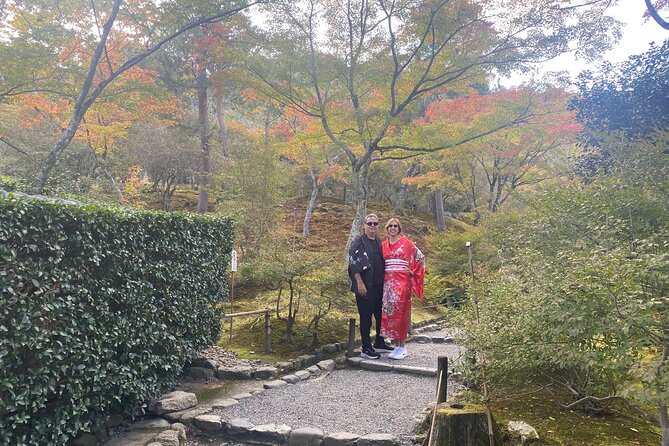
I would consider this tour if you want a guide to interpret Kyoto’s shrines and temples, value the chance to wear a kimono, and prefer to shape a small itinerary around your interests. It is especially appealing if Fushimi Inari is a priority and you want more than a quick look at the gates.
It is less suited to a traveler who expects to see every stop in the long list, wants transport and admission bundled into one price, or would rather spend a whole day at one major temple. The best approach is to pick two or three sites with a sensible route, ask about the short stop estimates and confirm the party-size limit. If those details fit your plans, this offers a personal way to put context around a few meaningful Kyoto visits.
FAQ
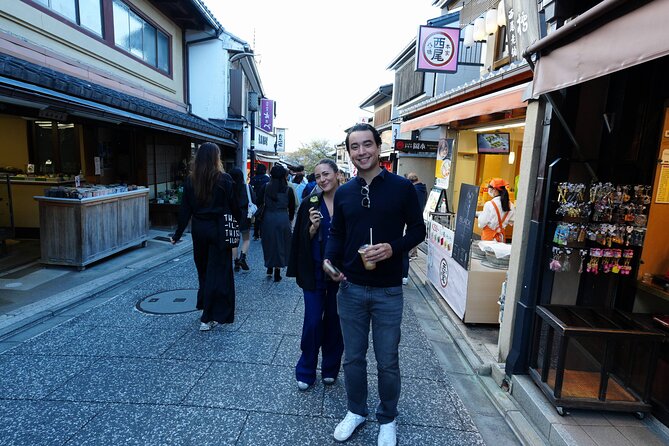
How long is the tour?
The tour lasts about six hours. The kimono experience is estimated to take about one hour, and the start time may vary.
How many sights can I visit?
You choose two or three sights with your guide from the listed options. The full list is not a single fixed route.
Is the kimono rental included?
Yes. The standard kimono plan at Wargo’s Kyoto Gion store is included. Other personal expenses are not.
Are transportation and temple admission included?
No. Transportation fees and entrance fees are not included, and the tour does not provide a private vehicle.
Is the tour private?
The activity is described as private, with only your group participating. The tour information also gives a maximum group size of 15, so confirm the limit for your booking.
What are the kimono size ranges?
The stated ranges are 150 to 170 centimeters for women and 165 to 200 centimeters for men. If an exact fit is not available, staff will dress you in the closest available kimono.
Newly added in Kyoto
- Uji: Private immersion into Kyoto’s tea and reglious culture★ 5.0 · 17 reviews
- Whisk Your Own Matcha: A Zen Matcha Experience at Temple★ 3.6 · 7 reviews
- Kyoto tea town for matcha lovers★ 5.0 · 16 reviews
- Treasures of Kyoto: Gion & historical Walking Tour★ 5.0 · 6 reviews
- Kyoto Matcha Green Tea Tour★ 4.5 · 23 reviews
- Uji and Wazuka Matcha Farm Half Day Private Guided Tour★ 5.0 · 21 reviews
- Uji Tea Ceremony and UNESCO Heritage Walking Tour★ 5.0 · 20 reviews
- Utilising upcycled Matcha! Creating matcha incense (Uji, Kyoto)★ 5.0 · 6 reviews
Kyoto Kimono Rentals, compared.

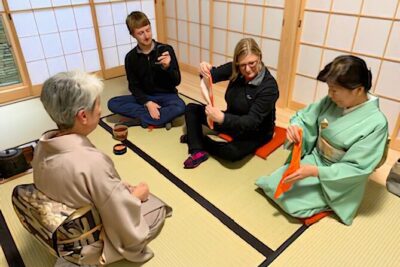
KYOTO Tea Ceremony with kimono near by Imamiya Jinjya Shrine
Read our review →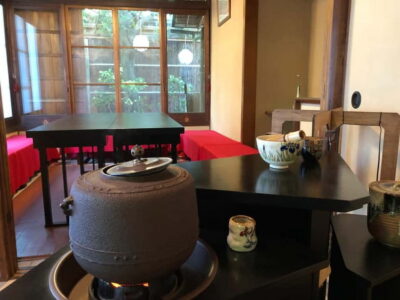
Kimono and Tea Ceremony Experience at Cultural Asset
Read our review →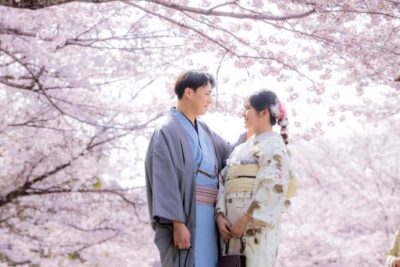
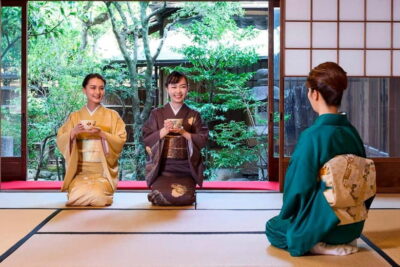
Family-Friendly Kimono & Yukata Experience at WARGO
Read our review →Browse the lists this tour appears in