
Reviewed · KYOTO SAMURAI & NINJA EXPERIENCES
Kyoto 2 Hours Genuine Kendo / Samurai Experience In Japan
Kyoto’s kendo lesson takes you from the first bow to a practice match in about two hours. I like that you learn the manners and meaning behind the movements, not just how to swing a bamboo sword, and that the instructor meets you at Hanazono Station before walking you to the dojo.
Two details make this a practical introduction: all kendo equipment is included, and instruction is designed to make the basics clear in English. The workout can get hot beneath the uniform and armor, so bring an extra towel if you tend to sweat.
Key points to know
- Meet at Hanazono Station: The instructor meets you at the station, then walks with you to the dojo, less than five minutes away.
- Learn more than sword swings: Expect etiquette, rules, terminology, footwork and a look at kendo’s cultural and spiritual ideas.
- Try the armor and equipment: Kendo gear is included, so you can focus on the lesson rather than arranging a rental.
- Work toward a practice match: The lesson can progress from basic movement to sword techniques on a dummy and a match with a partner.
- Allow two hours for a physical class: You should have a moderate fitness level. A towel and bottled water are provided, but another towel can be useful.
- Budget $118.89 per person: The fee covers instruction and equipment, making it most worthwhile if you want hands-on practice rather than a demonstration.
From Hanazono Station to the dojo
The meeting point is Hanazono Station in Kyoto’s Ukyo Ward, on the San-In line. Your instructor meets you there and walks with you to the dojo, which is less than five minutes away. That small bit of hand-holding is welcome if you are unfamiliar with the neighborhood or simply do not want to start a short activity by hunting for the entrance.
The class starts at 10:00 am and lasts about two hours. Plan to arrive with enough time to find the station meeting point and get ready. The activity ends back there, so you do not need to arrange a separate return transfer. Hotel pickup and drop-off are not included, and food is not provided.
The station meeting also helps set the tone. You are not being collected for a sightseeing loop; you are heading to a place where kendo is taught and practiced. The dojo is the focus, and the brief walk gives you a simple transition from city transport to the class.
More samurai and ninja experiences in Kyoto:
- Kyoto Samurai Experience
★ 5.0 · 1,294 reviews - Kyoto: Kendo and Samurai Experience with Uniform and Gear
★ 4.9 · 815 reviews - Kyoto: Samurai Sword Class by Experts in Traditional Arts
★ 4.9 · 657 reviews
Starting with manners, not the sword
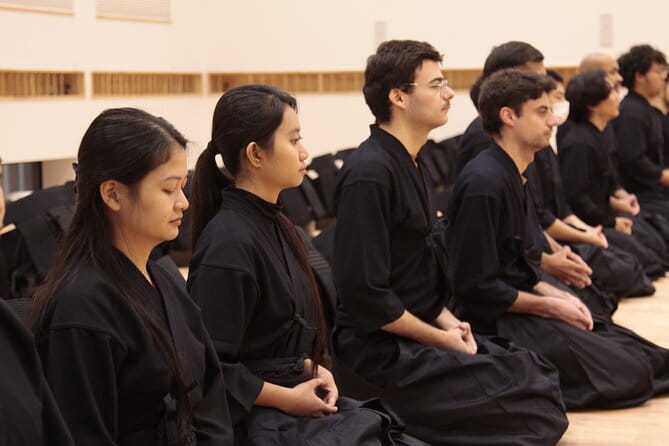
Kendo is often introduced as a martial art built around bamboo swords and armor. Here, the lesson also makes room for the conduct that goes with the practice. You can expect to learn how to bow, hear some terminology and get an introduction to the rules and history of kendo.
That context matters. Without it, a first lesson could feel like a quick turn at hitting a target. The etiquette gives the movements a framework and helps explain why respect, discipline and control are part of training. The class also presents kendo in terms of unifying the spirit and developing mind, skill and body.
The instructor is experienced in teaching English-speaking beginners, which is useful when a movement or rule needs explaining before you try it. Takahiro Hayashi is one of the named instructors associated with the class. The experience is also led by a 7th Dan master, a senior rank, alongside experienced teachers.
Expect an introduction rather than a full course in kendo. Two hours is enough to understand the shape of a practice session and try some core techniques, but not to master them. That is a sensible bargain for a short cultural activity: you get a real physical taste of the discipline without needing prior martial arts experience.
Learning footwork and basic strikes
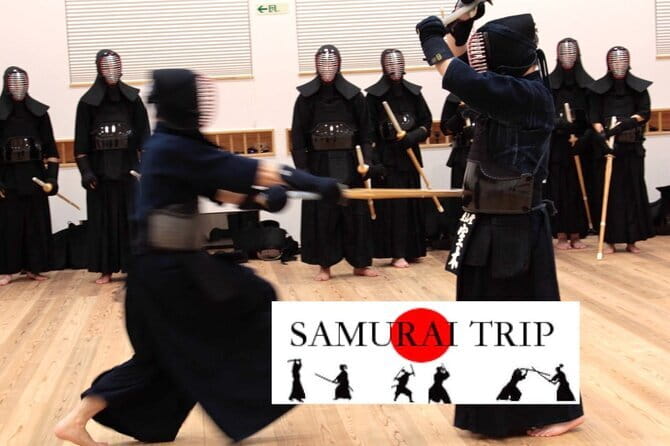
After the introduction, the lesson moves into the physical basics. A warm-up may come first, followed by footwork and simple techniques. You then get a chance to handle the practice sword and work on how to strike. Some instruction uses a dummy, which lets you concentrate on your movement and aim before facing another person.
This step-by-step progression is one of the class’s strengths. Kendo can look fast and forceful from the outside, but a beginner needs to learn where to stand and how to move before worrying about speed. Breaking the lesson into small pieces makes it easier to follow and gives you time to get comfortable with the equipment.
The class is a workout, not just a talk. The uniform and armor can feel warm, and moving around in them adds effort even when you are learning basic skills. The activity asks for a moderate fitness level, so you should be comfortable standing and taking part in physical instruction. If you are unsure about your fitness, consider that the lesson involves movement and practice, rather than watching from the side.
The mood is meant to be safe and fun, with teachers guiding you through the session. You are learning a contact martial art, so listen closely to instructions and follow the instructor’s pace. The goal is to experience how kendo works, not to prove yourself in a contest.
Putting on armor and trying a match
Using the armor is a key part of the experience. Equipment rental is included, removing the need to bring or hire your own kendo kit. The gear helps you understand how the sport is practiced, rather than leaving you with only a sword-handling demonstration.
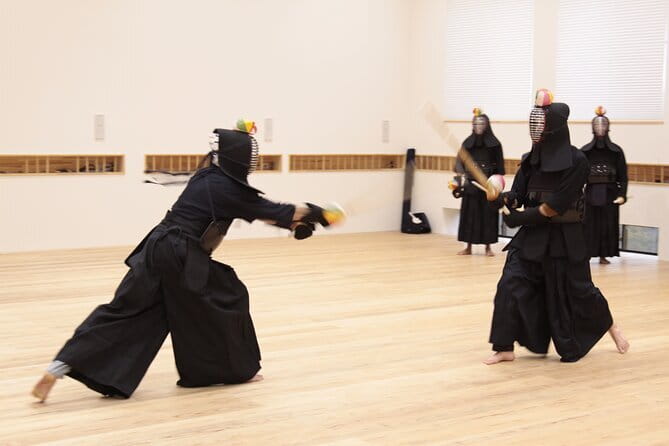
Once you have learned some basics, the class may build toward a short match against another participant. The progression from footwork, to techniques on a dummy, to a partner match makes the activity more engaging and gives you a clear sense of how the individual skills fit together. This is often the moment when the lesson feels less like an exercise and more like a sport.
A match is also a good reason to keep expectations realistic. You are not being trained for a tournament in one morning. You are trying the fundamentals under an instructor’s guidance, with the novelty of wearing armor and responding to another person. If you are nervous about sparring, remember that the class is for beginners and the teacher leads the session.
Some participants have also had the chance to practice against the instructor. That is not something to count on as a guaranteed part of every class, but it points to the personal nature of a small group lesson when numbers are low. The stated maximum is 30 people, so the class may be larger than a private session. If hands-on attention is your top priority, keep that cap in mind when deciding.
A few more Kyoto experiences worth booking
- Kyoto Gion: 2-Hour Geisha Culture & History Walking Tour
★ 5.0 · 1,186 reviews - Ninja 2-hour Hands-on Lesson by Japanese master in Kyoto -Medium
★ 5.0 · 218 reviews - Kyoto: 2-Hour Maiko Makeover and Photo Studio Shoot
★ 4.7 · 122 reviews - 2 Hour Night Walking Tour Throughout Gion with snack
★ 4.0 · 13 reviews
Why this lesson feels more than a costume activity
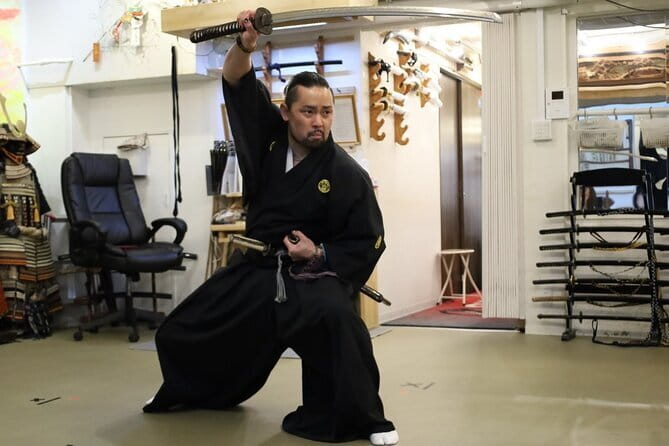
Kyoto offers plenty of ways to encounter Japanese culture, but kendo asks you to take part rather than simply look. You learn the rules, etiquette and physical habits of the practice, then try them with a teacher present. That makes the experience more substantial than dressing up for a photo, while still keeping it accessible to a first-timer.
The cultural angle is also practical. Bowing, controlled movement and the way a lesson is conducted are part of what you are learning. You come away with a better sense of how kendo brings together technique and conduct, even if you have only tried a handful of movements.
The school’s kendo history is described as more than 40 years, and instruction is led by a 7th Dan master and experienced teachers. Those details add credibility to a short lesson, though the main value for you is not a lecture on credentials. It is having someone able to guide you through the basics and explain what you are doing in English.
Photos and videos can be part of the fun. Instructor Hayashi has helped participants capture the experience, but do not let the camera take over the class. The best souvenir is understanding a little of what the movements mean, and having a few pictures to remember the armor and practice.
Is $118.89 a fair price?
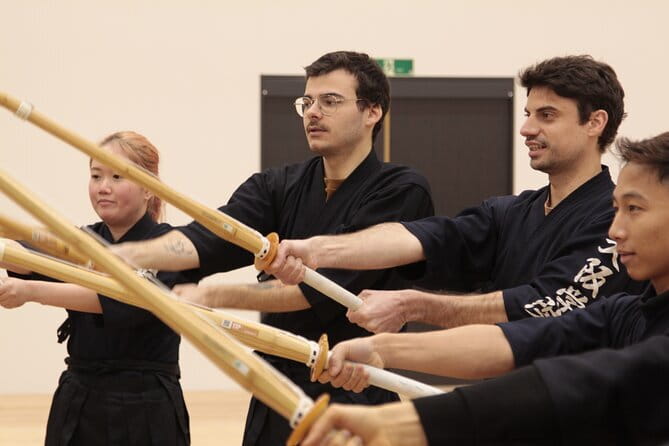
At $118.89 per person, this is not the cheapest way to fill two hours in Kyoto. The value depends on what you want. If you are looking for a brief, hands-on introduction to a Japanese martial art, the price includes instruction, all kendo equipment, a towel and bottled water. You also avoid the hassle of arranging gear yourself.
You are paying for a specialist activity with a teacher, not transport around the city or a full-day itinerary. The meeting and end point are the same, and the dojo is close to the station. That keeps the logistics straightforward, but food and hotel transport remain your responsibility.
I would judge the price against the level of participation you want. If you are content to watch a martial arts demonstration, this may be more than you need. If you want to learn basic movement, put on armor and try a practice match, the included equipment and instruction make the fee easier to justify. It is also a distinctive choice for a family or pair who want to do something together, provided everyone is comfortable with a physical lesson.
The experience is booked an average of 44 days ahead, so it is worth planning early if this is a priority on your Kyoto itinerary. You can cancel for a full refund up to 24 hours before the start time. Changes and cancellations inside that 24-hour window are not accepted for a refund.
Who should book this class
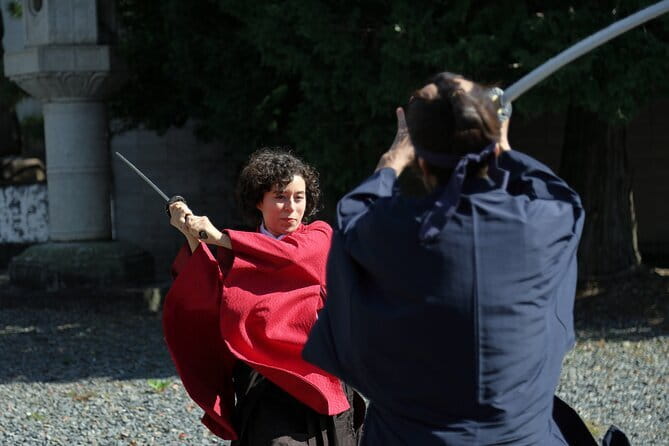
This lesson suits curious first-timers, martial arts fans and families with older children or adults who can manage a moderate workout. It is especially appealing if you want a guided activity with cultural context, rather than a passive presentation. The English instruction helps if you want to understand the details as you learn.
It may be less suitable if you have limited mobility, do not want to exercise or would rather spend your time on a broad sightseeing tour. The class lasts two hours and focuses on kendo, so there is no food stop or hotel pickup. Bring comfortable expectations: you will get an introduction and a chance to practice, not an advanced course.
Pack a spare towel if you know you sweat easily. A towel and water are provided, but the warm uniform and armor can make the lesson hot. Arrive ready to listen, move and try the basics. You do not need prior kendo experience.
Should you book it?
Book this if you want a genuine, active introduction to kendo and like the idea of learning its etiquette alongside its techniques. The station meeting, included equipment and English-friendly teaching make it approachable, while the progression toward a partner match gives the class a satisfying finish.
Skip it if you are after a low-effort cultural stop or want a tour that includes transport and meals. At $118.89, the best value comes from taking part fully, asking questions and treating the two hours as a lesson, not just a photo opportunity.
FAQ
Where does the kendo experience start?
It starts at Hanazono Station in Kyoto’s Ukyo Ward. The instructor meets you there and walks with you to the dojo, which is less than five minutes away.
What time does the class begin?
The listed start time is 10:00 am.
How long does the activity last?
The experience lasts about two hours and ends back at the meeting point.
Is kendo equipment included?
Yes. All kendo equipment is included. A free kendo towel and bottled water are also provided.
Do I need experience with kendo?
No prior experience is specified as a requirement. The class teaches basic rules and techniques, and is intended as an introduction.
How physically demanding is the class?
A moderate fitness level is recommended. The activity includes physical practice, and the uniform and armor can become hot.
What is included in the price, and what is not?
The price is $118.89 per person and includes kendo equipment, a towel and bottled water. Hotel pickup and drop-off, and food, are not included.
Newly added in Kyoto
- Uji: Private immersion into Kyoto’s tea and reglious culture★ 5.0 · 17 reviews
- Whisk Your Own Matcha: A Zen Matcha Experience at Temple★ 3.6 · 7 reviews
- Kyoto tea town for matcha lovers★ 5.0 · 16 reviews
- Treasures of Kyoto: Gion & historical Walking Tour★ 5.0 · 6 reviews
- Kyoto Matcha Green Tea Tour★ 4.5 · 23 reviews
- Uji and Wazuka Matcha Farm Half Day Private Guided Tour★ 5.0 · 21 reviews
- Uji Tea Ceremony and UNESCO Heritage Walking Tour★ 5.0 · 20 reviews
- Utilising upcycled Matcha! Creating matcha incense (Uji, Kyoto)★ 5.0 · 6 reviews
Kyoto Samurai & Ninja Experiences, compared.
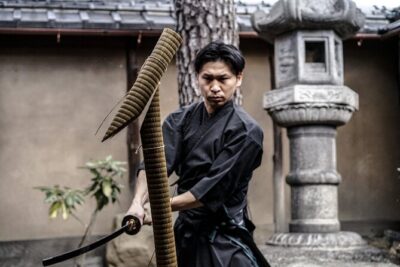
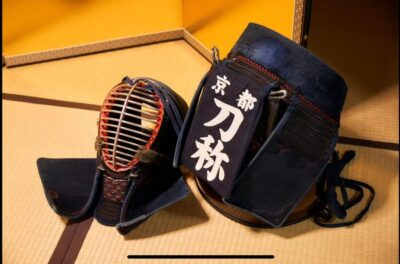
Kendo and Samurai Experience with Uniform and Gear
Read our review →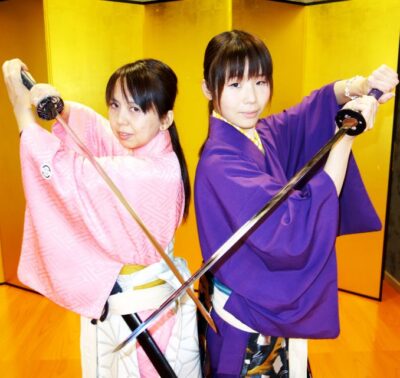
Samurai Sword Class by Experts in Traditional Arts
Read our review →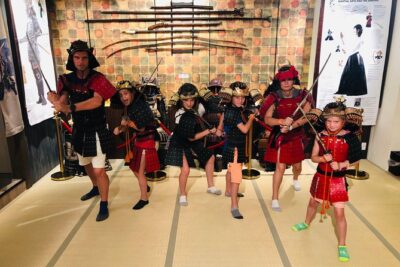
Skip the lines Basic Ticket at SAMURAI NINJA MUSEUM KYOTO
Read our review →
Ninja 1-hour Hands-on Lesson by Japanese master in Kyoto -Entry
Read our review →
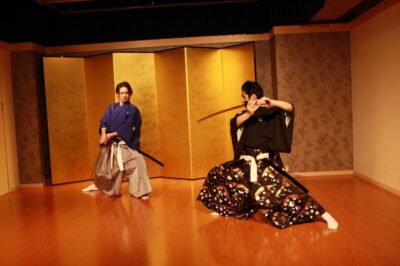
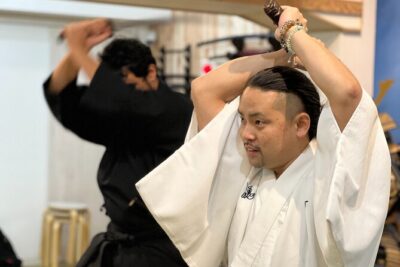
Samurai Training with Modern day Musashi in Kyoto
Read our review →Browse the lists this tour appears in