
Reviewed · KYOTO COOKING CLASSES
Gyoza Cooking Class in Kyoto: Traditional Japanese Dumplings
Kyoto’s gyoza class turns a familiar restaurant dish into something you make with your own hands. In 90 minutes, you’ll work with fillings, practice wrapping, cook your dumplings, and eat them fresh from the pan. It’s a practical way to spend an evening, especially if you want more from a meal than simply choosing something from a menu.
I like two things in particular: you get to make and eat your own gyoza, and you leave with the recipe, so the lesson can follow you home. The class also welcomes beginners, with an English-speaking instructor to guide each step.
One thing to weigh is the price: $127 per person is a sizeable spend for a 90-minute activity, particularly since transportation is extra. It makes most sense if you value the hands-on lesson and cultural context, not just the meal.
What makes this Kyoto gyoza class worth considering
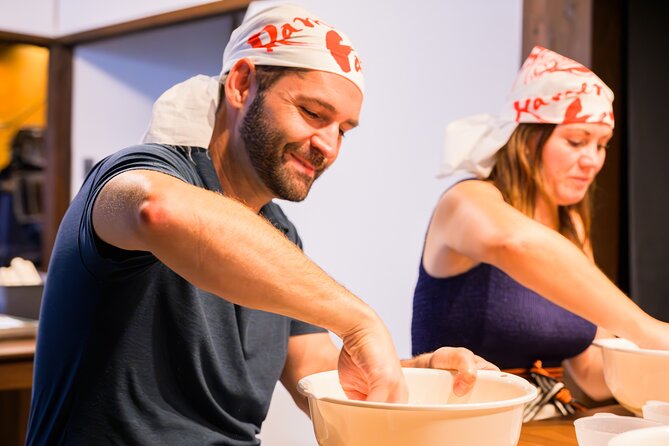
- You make the dumplings yourself: Choose from meat and vegetable fillings, shape the gyoza, and cook what you’ve prepared.
- The class is designed for beginners, too: The instructors explain the process and guide you through the wrapping technique.
- You eat the results fresh from the pan: The dumplings you make are included, along with one free drink.
- You get a recipe to take home: That gives the class lasting value if you want to try the dish again after your trip.
- There’s a Samurai photo opportunity: It adds a playful Kyoto-style memory to a food-focused activity.
- The location is easy to reach by subway: The meeting point is a five-minute walk from Exit 2 of Karasuma Oike Station.
From filling to folded dumpling
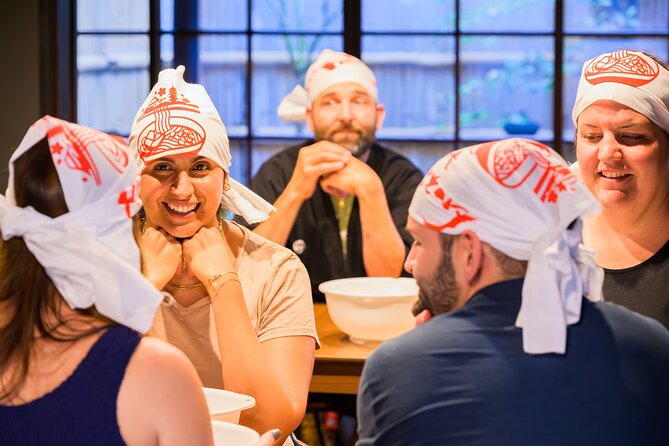
The central appeal is the hands-on work. You’ll learn to prepare traditional gyoza fillings, with meat and vegetable choices available, and adjust flavors to suit your taste. The class description doesn’t specify a fixed menu or exact filling options, so tell the instructor in advance about allergies or dietary restrictions and ask what can be accommodated.
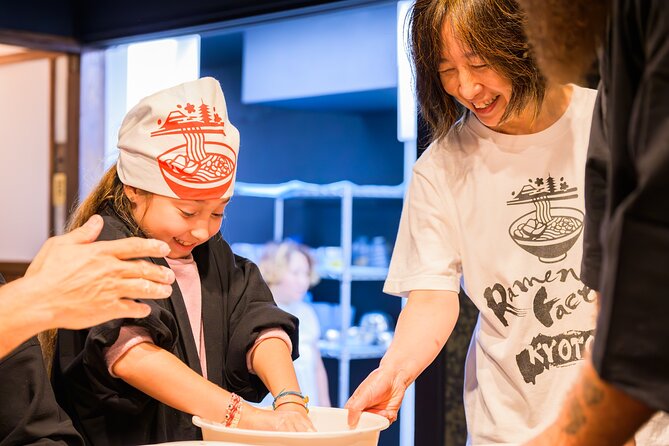
Next comes the wrapping. Gyoza look simple when they arrive at a restaurant table, but shaping them neatly takes practice. The instructor demonstrates authentic wrapping techniques and helps you work through them. You don’t need prior cooking experience: the class is intended for beginners as well as more confident cooks.
The most useful part may be that you’re not just watching a demonstration. You handle the ingredients and make the dumplings yourself, with guidance along the way. That makes the lesson easier to remember than a list of instructions, and it gives you a skill you can attempt again at home.
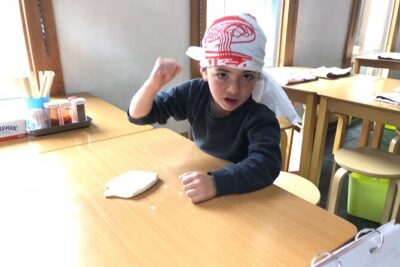
One participant described making the dough as part of the class. That suggests the lesson can include more than filling and folding, but the standard class details don’t promise that dough-making is always part of the session. If learning that step matters to you, ask ahead rather than assuming it’s included every time.
More cooking classes in Kyoto:
- Ramen Cooking Class at Ramen Factory in Kyoto
★ 5.0 · 1,937 reviews - Sushi Making in Kyoto! Same-day bookings welcome!
★ 5.0 · 713 reviews - Kyoto: Ramen Cooking Class at a Ramen Factory with Souvenir
★ 4.9 · 532 reviews
The cooking and the meal
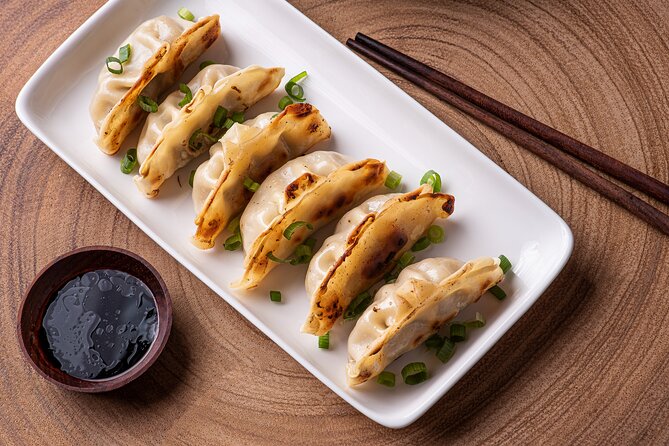
After shaping your dumplings, you cook them and eat them fresh from the pan. The appeal is immediate: you see the result of your own work, and you can taste how the filling and cooking method come together. A participant described the finished gyoza as crisp outside and juicy inside, which is a useful target for the technique you’ll be learning.
The gyoza you make are included in the price, along with one free drink. The information provided doesn’t say how many dumplings you’ll prepare, whether extra food is available, or whether the class is intended as a full dinner. If you’re counting on it as your only evening meal, check those details before booking.
For children and families, there’s a positive sign: an 11-year-old joined a group class with a sibling and adults, and the activity worked well for them. That isn’t a stated age policy, so check with the provider if you’re planning to bring younger children. The experience is interactive, which may suit kids who like making things, but it does require handling ingredients and kitchen tools.
A taste of Japanese food culture, with a Samurai photo
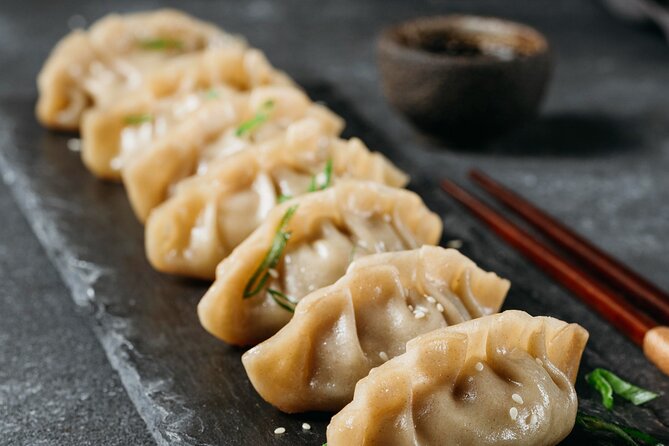
Gyoza are a popular Japanese dumpling, and the class adds cultural context alongside the cooking. You’ll hear stories about the dish and learn why its preparation matters, though the precise topics covered aren’t specified. Think of this as a short, food-centered introduction, not a broad survey of Japanese cuisine.
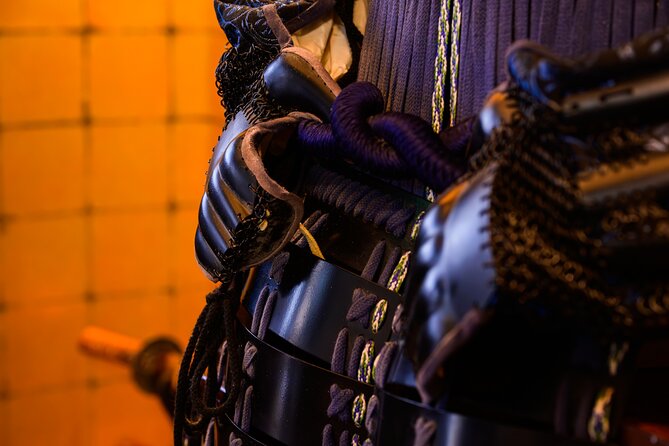
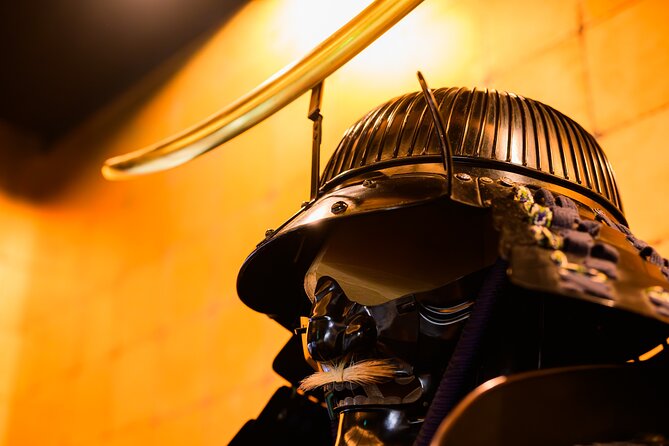
The Samurai photo is a separate little flourish among the highlights. It offers a lighthearted keepsake, but it isn’t the main reason to book. The real value is in learning the preparation and cooking process, then taking home a recipe you can use again.
That combination makes the class a good fit if you want an activity that feels distinctly connected to Japanese food, but doesn’t require a whole day or advanced skills. It’s also a change of pace from Kyoto’s temples and streets: you spend the session making something, rather than viewing another landmark.
What the instructors bring to the class
The instructors teach in English and Japanese. English instruction matters here because the steps are practical: choosing and preparing ingredients, shaping dumplings, and cooking them. Clear guidance can make the difference between a relaxed first attempt and a table full of uncertain folds.
Hama is named as a friendly, patient teacher by someone who took the class. The class may be led by other instructors, too, so don’t book on the assumption that Hama will be teaching your session. The consistent point is that the experience is instructor-led and that the process is explained for people without much kitchen experience.
The small amount of feedback available repeatedly praises friendly, patient teaching and an easygoing atmosphere. That’s especially reassuring if you’re nervous about keeping up or feel you’re not naturally handy in the kitchen. One class included eight people, among them two 11-year-old children, but there’s no published standard group size. You can ask the provider if the size of your session is important.
More Kyoto tours in Kyoto:
- PERFECT KYOTO 1-Day Bus Tour
★ 5.0 · 13,518 reviews - Kyoto: Fushimi Inari, Kinkakuji, Bamboo Grove 1 Day Bus Tour
★ 4.8 · 4,316 reviews - Kyoto: Tea Ceremony in a Traditional Tea House in Kiyomizu
★ 4.9 · 3,519 reviews - Kyoto Geisha Walking Tour: Gion District & Hidden Gems
★ 4.7 · 3,273 reviews
Is $127 a fair price for 90 minutes?
At $127 per person, this is not a bargain meal. You’re paying for instruction, ingredients, use of cooking tools, the gyoza you make, one drink, and the experience of learning a recipe in a Kyoto cooking class. You also get a take-home recipe, so there’s at least some value beyond the time spent at the table.
The price is easier to justify if you’re genuinely interested in cooking and want an activity you can repeat at home. It’s harder to justify if you mainly want a quick dinner or are comparing it with a casual restaurant meal. Transportation isn’t included, and the class lasts 90 minutes, so include the subway fare and the time needed to reach the meeting point in your plans.
I’d treat it as a food activity rather than a meal deal. The class is short enough to fit into an evening, and one participant found it worked well as dinner after arriving by train. Still, the amount of food isn’t stated. If you have a big appetite or need a guaranteed full meal, plan accordingly.
Getting to Karasuma Oike and planning your visit
The meeting point is 362 meters from Karasuma Oike Station, about a five-minute walk from Exit 2. The station serves both the Karasuma and Tozai subway lines, making this a straightforward meeting point if you’re already traveling around central Kyoto by subway. Transportation expenses are your responsibility.
The activity lasts 90 minutes, and you’ll need to check the available start times for your chosen date. It’s worth allowing a little extra time to find the meeting point, especially if you’re unfamiliar with the station. The provider is Factory Alliance.
If you have an allergy or dietary restriction, contact the provider in advance. Meat and vegetable filling choices are available, but the details don’t confirm that every restriction can be accommodated or that separate preparation is possible. Ask before booking rather than expecting the class to improvise on the day.
The activity isn’t suitable for wheelchair users. That’s a significant practical limitation, so check the venue directly if you have mobility needs or questions about access.
Who should book this gyoza lesson?
Book it if you like hands-on food activities, want to learn a recipe rather than just eat a meal, or need an easy evening plan near central Kyoto. It’s particularly appealing for beginners: you don’t need cooking experience, and the instructor guides the process. The recipe gives you a way to carry the lesson into your own kitchen.
It can also work for families with older children who enjoy cooking, although the provider’s age rules aren’t stated. Ask in advance if you’re bringing children, and mention allergies or dietary needs before you arrive.
Skip it if you’re looking for the least expensive dinner, need a long or elaborate cooking course, or require wheelchair access. And if you want a guaranteed full meal, confirm the portion details first. For the right person, though, this is a compact, memorable way to get beyond eating gyoza and learn how to make them.
FAQ
How long does the gyoza cooking class last?
The class lasts 90 minutes. Check availability for the start times offered on your date.
Where is the meeting point?
It is a five-minute walk from Exit 2 of Karasuma Oike Station, which serves the Kyoto City Subway Karasuma and Tozai lines.
Is the class taught in English?
Yes. Instruction is available in English and Japanese, and an English-speaking instructor is included.
Are ingredients and cooking tools included?
Cooking tools are provided, and the gyoza you make are included. The class also includes one free drink.
Can I choose a vegetarian filling or report an allergy?
Meat and vegetable fillings are available. You should tell the provider about allergies or dietary restrictions in advance; the details don’t specify which restrictions can be accommodated.
Can wheelchair users take this class?
No. The activity is listed as not suitable for wheelchair users.
Newly added in Kyoto
- Uji: Private immersion into Kyoto’s tea and reglious culture★ 5.0 · 17 reviews
- Whisk Your Own Matcha: A Zen Matcha Experience at Temple★ 3.6 · 7 reviews
- Kyoto tea town for matcha lovers★ 5.0 · 16 reviews
- Treasures of Kyoto: Gion & historical Walking Tour★ 5.0 · 6 reviews
- Kyoto Matcha Green Tea Tour★ 4.5 · 23 reviews
- Uji and Wazuka Matcha Farm Half Day Private Guided Tour★ 5.0 · 21 reviews
- Uji Tea Ceremony and UNESCO Heritage Walking Tour★ 5.0 · 20 reviews
- Utilising upcycled Matcha! Creating matcha incense (Uji, Kyoto)★ 5.0 · 6 reviews
Kyoto Cooking Classes, compared.
Ramen Cooking Class at Ramen Factory in Kyoto
Read our review →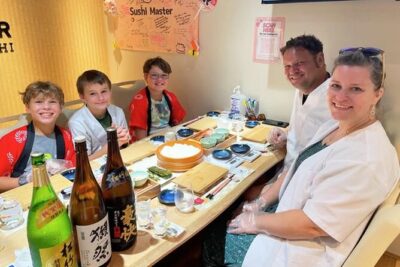
Sushi Making in Kyoto! Same-day bookings welcome!
Read our review →
Ramen Cooking Class at a Ramen Factory with Souvenir
Read our review →
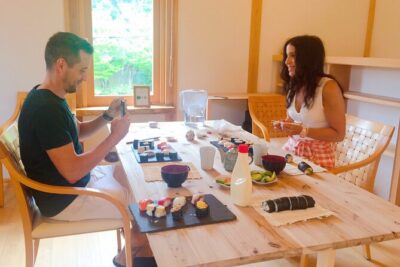
The Original Small-Group Sushi Making Class in Kyoto
Read our review →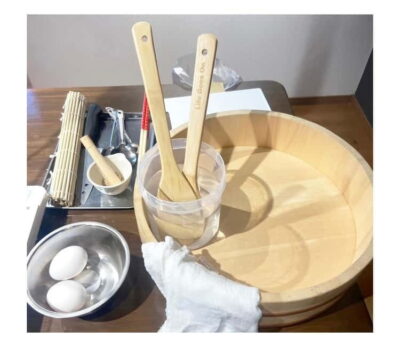
Japanese Washoku Bento Small Group Cooking Class
Read our review →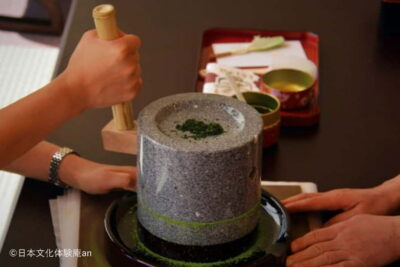
Japanese Traditional Sweets Making and Tea Ceremony
Read our review →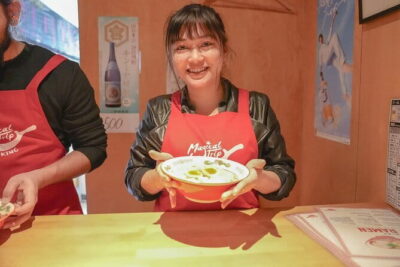
Kyoto Ramen and Gyoza Cooking Class with Professional Chefs
Read our review →Browse the lists this tour appears in