
Reviewed · KYOTO COOKING CLASSES
Bento Box Cooking Class
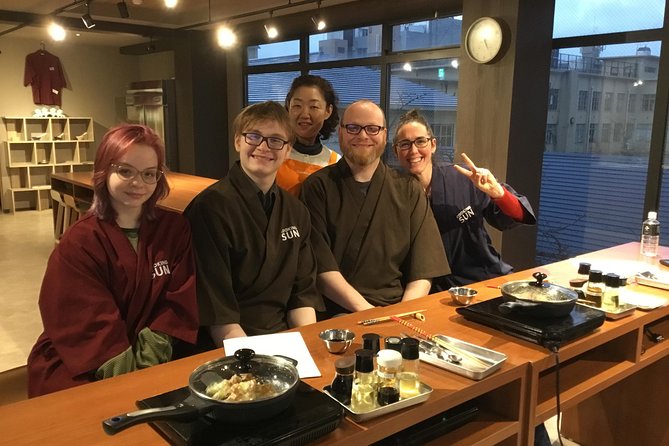
Kyoto’s bento class turns a familiar Japanese lunch into a hands-on cooking lesson. In about three hours, you learn why a bento is more than food packed in a box, make several dishes with guidance from English-speaking instructors, then sit down to eat your own work.
I like two things in particular: you prepare a range of dishes, not just one signature recipe, and the class sends you home with recipes you can use again. It also fits neatly into a Kyoto morning, with a 9:30 start and lunch included.
One consideration: this is a cooking class, not a ready-made meal with a short demonstration. You’ll be working through several recipes, and the food comes at the end, so have a small breakfast first if you tend to get hungry.
At a glance
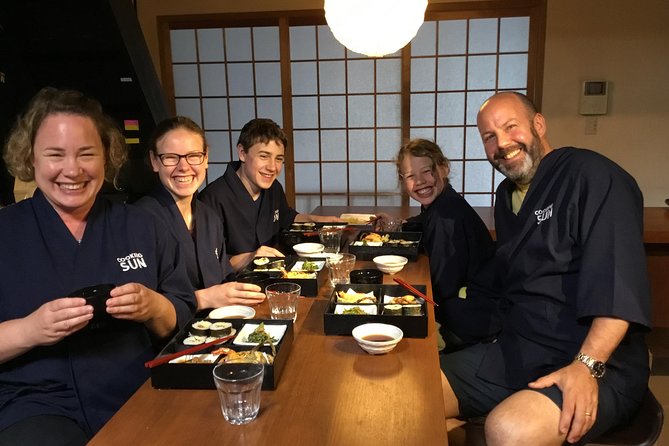
- A full bento menu: You may prepare dishes such as miso soup, tempura vegetables, rolled egg, teriyaki chicken and sushi, but the menu changes with the seasons.
- Hands-on instruction: Chefs demonstrate techniques, then guide you as you cook. Some detailed steps may be demonstrated for you.
- A meal at the finish: Lunch is included, and it is the food you have just prepared.
- Recipes to take home: You receive copies of the recipes so you can try the dishes again.
- Small-group setting: The stated maximum is eight participants, with English-speaking instruction.
- Practical booking details: The class starts at 9:30 am at Cooking Sun, 679 Funayachō, Shimogyo Ward. It lasts about three hours, sometimes up to three and a half.
Bento is a meal and a way of thinking
The class starts with context for the food you are about to make. Bento is often described as a convenient meal, but its appeal is also in the way a number of small dishes come together as one satisfying lunch. You get a little background on its history and place in Japanese food culture before turning to the cooking.
The course traces bento’s history to the 13th century and discusses an early use of the word associated with convenience. That bit of context helps explain why bento is not one fixed recipe. It is a format for a meal, with different ingredients and dishes arranged to make lunch practical and enjoyable.
That makes this class a good fit if you want more than a recipe to copy. You can ask why certain ingredients or techniques are used, and the instructors explain Japanese cooking as you go. The class is aimed at learners, so you do not need to arrive with expert knife skills or a deep knowledge of Japanese food.
More cooking classes in Kyoto:
- Ramen Cooking Class at Ramen Factory in Kyoto
★ 5.0 · 1,937 reviews - Sushi Making in Kyoto! Same-day bookings welcome!
★ 5.0 · 713 reviews - Kyoto: Ramen Cooking Class at a Ramen Factory with Souvenir
★ 4.9 · 532 reviews
A morning at Cooking Sun Kyoto
The meeting point is Cooking Sun, at 679 Funayachō in Kyoto’s Shimogyo Ward. The class begins at 9:30 am and ends back at the same place. It is near public transportation, but hotel pickup and drop-off are not included, so plan to make your own way there.
The experience lasts roughly three hours, with some sessions taking up to three and a half. That is enough time to hear an introduction, watch demonstrations, prepare several dishes and eat lunch without giving up an entire day of sightseeing.
The stated group limit is eight participants, which should make it easier to follow a demonstration and get help as you cook. The instructors speak English, and the class includes an apron and all cooking ingredients. A class account describes a group of 12 with three instructors, so if the exact group size matters to you, check the current arrangement when booking.
Demonstrations, then your turn at the counter
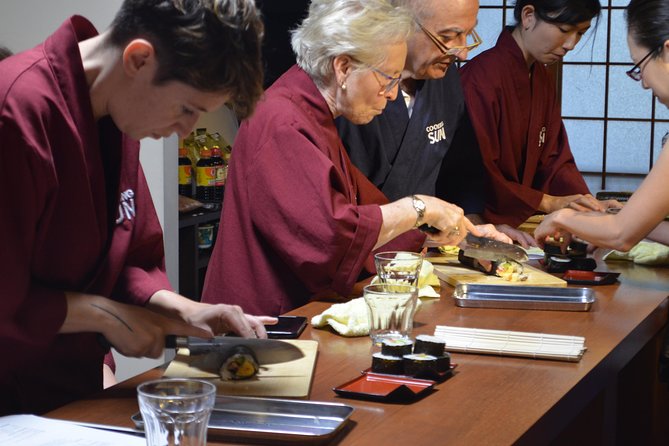
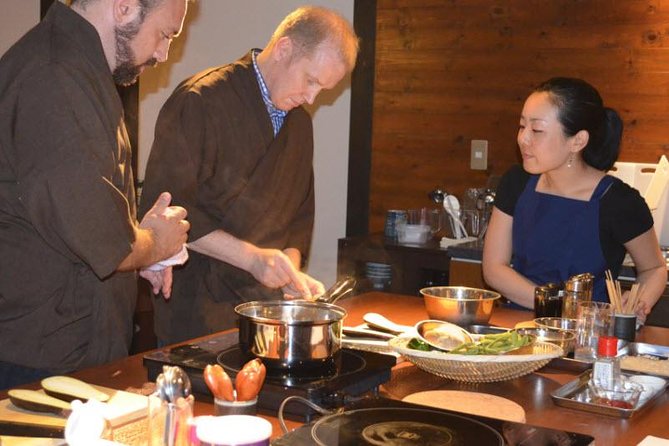
The instructor demonstrates techniques used in familiar bento dishes, then you try them yourself with hands-on guidance. This balance matters: a cooking lesson can feel like a show if the chef does everything, or become frustrating if you are left to work out unfamiliar techniques alone. Here, the teaching is designed to give you both a clear example and a chance to practice.
The menu can include miso soup, tempura vegetables and egg rolls, a popular lunchbox staple for Japanese schoolchildren. The specific dishes vary, because the menu changes every three months to make use of seasonal ingredients. You might also work on teriyaki chicken, a spinach and sesame salad, tempura shrimp or vegetables, and a sushi roll.
A few technical jobs may be demonstrated rather than left entirely to beginners. For example, instructors have shown how to make the layered egg roll and roll maki sushi. That is useful if a technique feels fiddly at first, but it also means you should not assume you will personally handle every step of every dish.
Some ingredients may be prepared in advance. One class account notes that vegetables were chopped before the lesson, while the group still made a wide range of food. That is a sensible trade-off in a compact class: less time spent on repetitive prep, more time learning cooking methods and assembling the meal.
Several dishes make the lesson more useful
The strength of a multi-dish class is variety. You can compare how different techniques work, from rolling an omelet to frying tempura and seasoning a salad. Rather than spending the whole session on one recipe, you leave with a broader sense of what goes into an everyday Japanese meal.
You may also pick up small details that are easy to miss in a cookbook. Past class participants have learned about making dashi, choosing different kinds of soy sauce, and getting teriyaki chicken right. Those are practical takeaways: they can help you adapt a recipe at home instead of following a list of ingredients without understanding what each one does.
The instructors are described as patient and clear, and their demonstrations are broken into steps that are easy for beginners to follow. If you already cook Asian food, you may still learn a new method or get a better explanation of why a familiar ingredient is used in a certain way. If you are new to Japanese cooking, the class gives you several approachable starting points.
More Kyoto tours in Kyoto:
- PERFECT KYOTO 1-Day Bus Tour
★ 5.0 · 13,518 reviews - Kyoto: Fushimi Inari, Kinkakuji, Bamboo Grove 1 Day Bus Tour
★ 4.8 · 4,316 reviews - Kyoto: Tea Ceremony in a Traditional Tea House in Kiyomizu
★ 4.9 · 3,519 reviews - Kyoto Geisha Walking Tour: Gion District & Hidden Gems
★ 4.7 · 3,273 reviews
The bento lunch is the reward
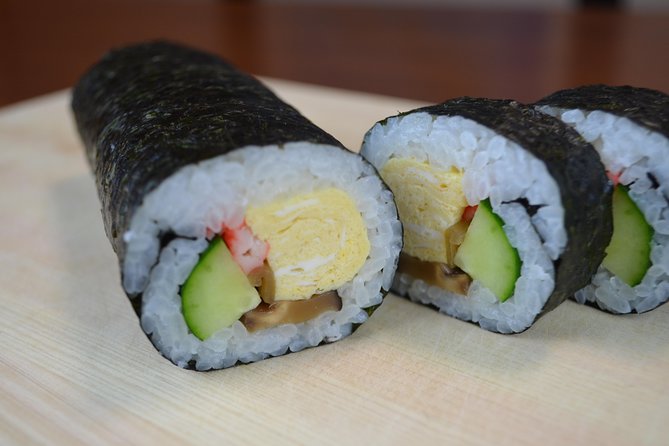
At the end, you sit down with the other participants and eat the meal you made. It is a satisfying finish, and it gives you a chance to see how the separate dishes work together as a bento rather than as isolated recipes. The lunch is included in the price, along with ingredients, instruction and an apron.
Plan your appetite accordingly. Cooking takes time, and you generally wait until the end to eat what you have made. A light breakfast is a sensible idea, especially for a 9:30 am start. On the other hand, the finished meal can be substantial, so avoid arriving after a large breakfast if you want to enjoy lunch.
The experience is social without requiring you to be an outgoing cook. You share the work and the final meal, but the main focus stays on learning and making food. It can suit couples, friends or families with teenagers who are happy to take part in a kitchen activity.
What the $71.35 price covers
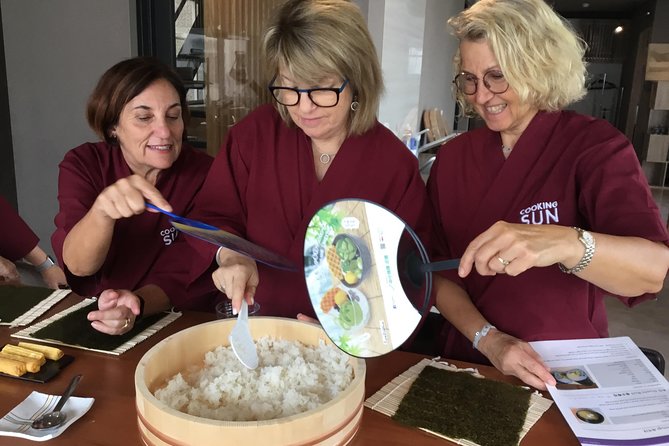
At $71.35 per person, this is not simply a cooking demo or a lunch reservation. The price includes the ingredients, an English-speaking instructor, an apron and the meal you prepare. You also leave with recipe copies, which add value if you expect to cook the dishes again.
The best comparison is with what you want from a Kyoto food experience. If you are looking for a quick taste of a single local dish, this is likely more time and money than you need. If you like cooking and want a structured introduction to several Japanese home-style techniques, three hours of instruction plus lunch makes the price easier to justify.
The value also depends on how much you take part. Ask questions, watch how the chef handles the trickier steps, and note the explanations about ingredients. A class like this is most useful when you treat it as a lesson rather than only as a convenient lunch.
Group discounts are available, though the discount amount is not specified. Specific dietary requirements should be shared when booking. Food and drinks beyond the included lunch are not included, so do not assume extra refreshments are part of the class.
Who should book this class
I would recommend it to anyone who enjoys cooking, wants a relaxed indoor activity in Kyoto, or would like to bring home more than a few food photos. It is also a good choice for a couple or a parent and teenager who want to share an activity and come away with practical skills.
You do not need to be an experienced cook. The instruction is aimed at helping participants follow unfamiliar steps, and the instructors demonstrate more technical tasks. Still, you should enjoy being active in a kitchen. If you prefer to sit back and sample food, a cooking class may feel like work rather than a treat.
The menu changes seasonally, so do not book expecting a guaranteed list of exact dishes. If a particular ingredient or dietary need is important, contact the provider before the class. Service animals are allowed, and the meeting point is near public transportation.
Should you book?
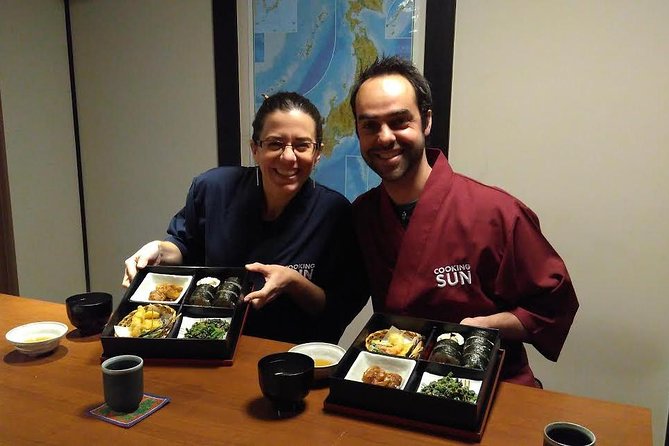
Book this class if you want to learn several Japanese cooking techniques, enjoy a filling lunch you have made yourself, and have a few recipes to take home. The small-group format and English instruction make it approachable, while the seasonal menu keeps the lesson tied to what is available.
Skip it if your Kyoto schedule is too tight for a three-hour morning, you want a meal without cooking, or you need a guaranteed menu that does not change. For food lovers with time to spare, it is a practical, hands-on way to understand the care behind an everyday bento.
FAQ
How long does the bento class last?
The class lasts about three hours, though the course may take up to three and a half hours.
What time does the class start?
The stated start time is 9:30 am.
Where does the class meet?
It starts at Cooking Sun, 679 Funayachō, Shimogyo Ward, Kyoto, 600-8466, Japan. The activity ends back at the meeting point.
Is lunch included?
Yes. You eat the bento meal you prepare during the class.
What is included in the price?
The price includes cooking ingredients, an English-speaking instructor, an apron and lunch.
What dishes will I make?
The menu changes every three months. Possible dishes include miso soup, tempura vegetables, egg rolls, teriyaki chicken, spinach and sesame salad, tempura shrimp and sushi.
Are dietary requirements accommodated?
You should advise the provider of specific dietary requirements when booking. The available information does not specify which requests can be accommodated.
How many participants can join?
The stated maximum is eight participants. The precise group arrangement may vary, so check with the provider if group size is important to you.
Can I cancel for a refund?
You can cancel at least 24 hours before the experience starts for a full refund. Cancellations or changes made less than 24 hours before the start are not accepted for a refund.
Newly added in Kyoto
- Uji: Private immersion into Kyoto’s tea and reglious culture★ 5.0 · 17 reviews
- Whisk Your Own Matcha: A Zen Matcha Experience at Temple★ 3.6 · 7 reviews
- Kyoto tea town for matcha lovers★ 5.0 · 16 reviews
- Treasures of Kyoto: Gion & historical Walking Tour★ 5.0 · 6 reviews
- Uji and Wazuka Matcha Farm Half Day Private Guided Tour★ 5.0 · 21 reviews
- Kyoto Matcha Green Tea Tour★ 4.5 · 23 reviews
- Uji Tea Ceremony and UNESCO Heritage Walking Tour★ 5.0 · 20 reviews
- Utilising upcycled Matcha! Creating matcha incense (Uji, Kyoto)★ 5.0 · 6 reviews
Kyoto Cooking Classes, compared.

Ramen Cooking Class at Ramen Factory in Kyoto
Read our review →
Sushi Making in Kyoto! Same-day bookings welcome!
Read our review →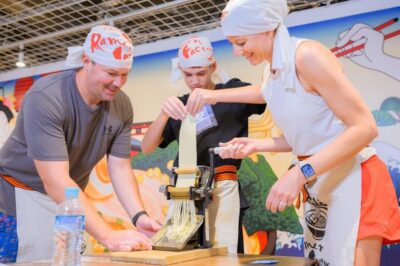
Ramen Cooking Class at a Ramen Factory with Souvenir
Read our review →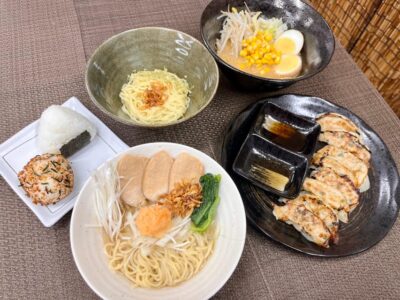
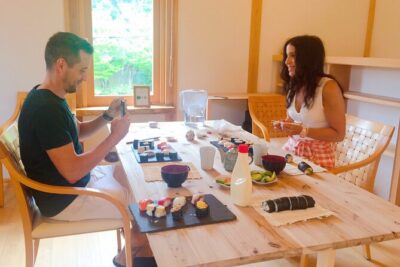
The Original Small-Group Sushi Making Class in Kyoto
Read our review →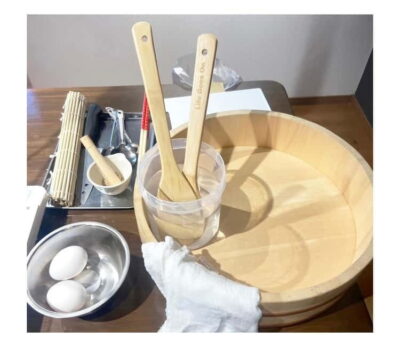
Japanese Washoku Bento Small Group Cooking Class
Read our review →
Japanese Traditional Sweets Making and Tea Ceremony
Read our review →
Kyoto Ramen and Gyoza Cooking Class with Professional Chefs
Read our review →Browse the lists this tour appears in