Reviewed · KYOTO TOURS
Explore Hidden Alleyway with a Local Expert (Afternoon Tour)
Kyoto’s quieter side is often just a turn away from a street full of traffic and tour groups. This three-hour ride follows narrow lanes, traditional wooden houses and riverside paths, linking well-known districts with everyday corners that are easy to miss on foot.
I like the contrast between the intimate lanes of Miyagawacho and Gion and the open paths near the Imperial Palace and Kamo River. I also like the small private group, capped at six people per guide, and the guide’s training in cycling safety and local etiquette.
The main consideration is that this is a road-cycling tour, not a leisurely walk. You need to ride safely without help, and the information about cancellation terms is inconsistent, so check the exact conditions before paying.
What to know before you ride
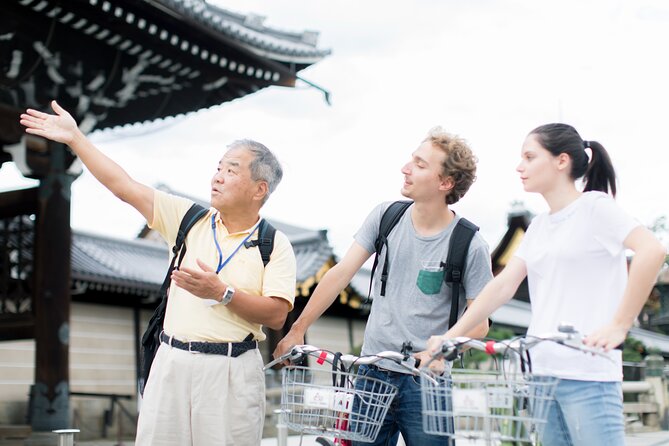
- Quiet lanes meet famous Kyoto: The route moves between traditional districts, the Imperial Palace grounds and the Kamo River.
- A private group keeps the ride personal: Two to six people can join each guide. A single participant cannot book alone.
- The afternoon start is fixed: Meet at 2 pm for a tour of about three hours, ending back at the starting point.
- Rain does not automatically cancel the ride: You can continue by bike with a free poncho or switch to a walking tour using public transport.
- Ask what kind of bike is provided: One rider praised the e-bike experience, but the tour details do not promise that every booking includes an e-bike.
- Check the cancellation rules carefully: One set of terms describes a refund for cancellations made at least three days ahead; another says the experience is non-refundable.
A Kyoto ride that changes pace by the block
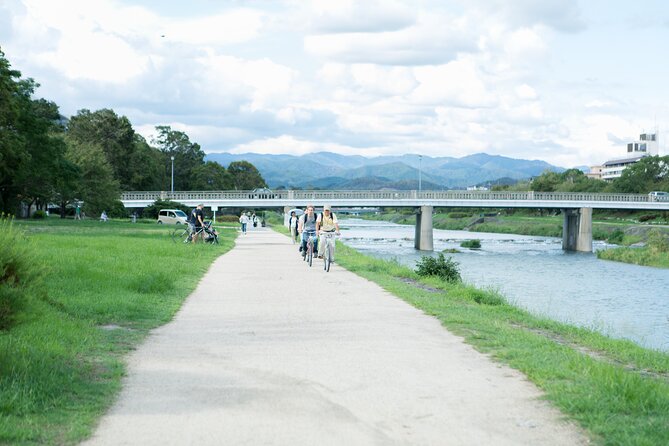
This tour is built around a simple idea: Kyoto feels different when you leave the broad streets and ride through its smaller lanes. The route is not just a checklist of sights. It moves from wooden townhouses to a historic entertainment district, then to a streamside path, the former Imperial residence and the Kamo River.
That change of pace is the appeal. You get familiar Kyoto landmarks, but the ride also gives you a look at residential streets and quieter paths where the city feels less arranged for sightseeing. A guide adds context and helps the group move safely through local traffic.
The tour lasts about three hours and starts at 2 pm. It is a private activity, but the group still has a minimum size: at least two people per guide, with a maximum of six. If you are a solo visitor, you will need another person to book with you. Groups of seven to twelve can be accommodated with an additional guide.
The tour costs $102.47 per person. That is a meaningful outlay for a three-hour activity, but the value depends on what you want from your time in Kyoto. If you are short on time, the bike covers several districts and sights in one outing. If you prefer to explore slowly, stop often or spend a long stretch inside one temple or museum, this format may feel too brisk.
More Kyoto tours in Kyoto:
- PERFECT KYOTO 1-Day Bus Tour
★ 5.0 · 13,518 reviews - Kyoto: Fushimi Inari, Kinkakuji, Bamboo Grove 1 Day Bus Tour
★ 4.8 · 4,316 reviews - Kyoto: Tea Ceremony in a Traditional Tea House in Kiyomizu
★ 4.9 · 3,519 reviews
Miyagawacho: wooden lanes and a quieter mood
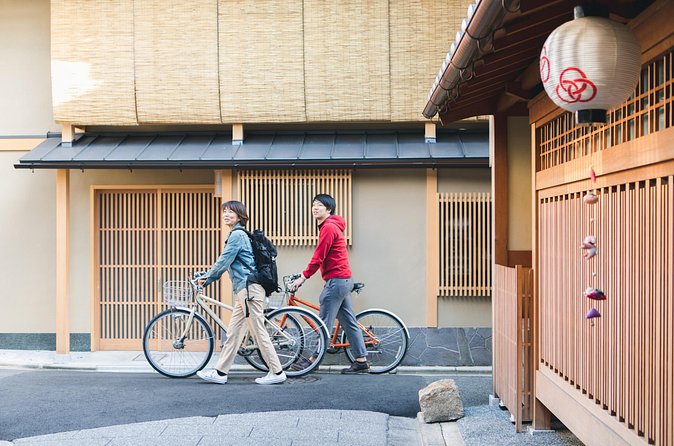
The first listed stop is Miyagawacho Kaburenjo, in one of Kyoto’s five geisha districts. The route takes you along an alley lined with traditional wooden houses, a strong opening for a tour focused on the city’s older street patterns and residential character.
The stop lasts about 15 minutes. That is enough to pause, look closely at the buildings and hear some context from your guide, but not enough for a long visit or an in-depth tour of the district. Think of this as an introduction to the atmosphere of the area rather than a full exploration.
The value here lies in seeing the district at street level. From a car or a main road, the narrow lanes and wooden façades can blur into a passing scene. At bike speed, you have time to notice the scale of the houses and the shift from a busy city street into a calmer alley.
Gion: a famous district seen from the saddle
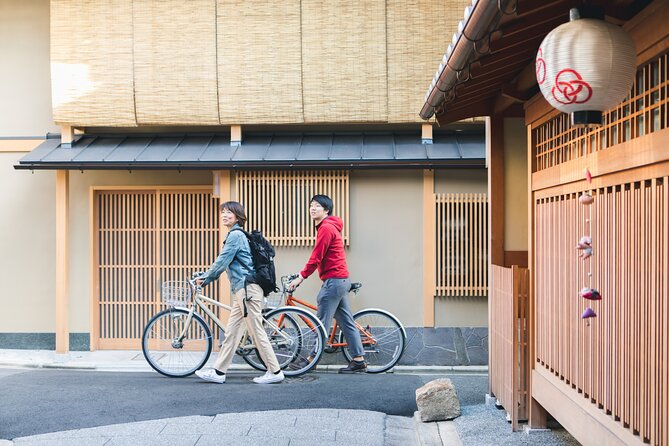
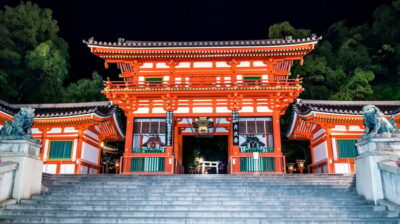
The ride continues to Gion, a district associated with maiko and geiko and with Kyoto’s refined old-town image. It is one of the city’s best-known areas, so it will not feel undiscovered. The advantage is that your guide can help place the district in context while you pass through it, rather than leaving you to interpret the streets on your own.
The planned stop is about 15 minutes. That short pause suits a cycling route, but it is not a substitute for a longer walk through Gion. If you want to explore its lanes at your own pace, take photographs or visit a particular site, plan another visit outside the tour.
Cycling also changes how you experience a famous neighborhood. You cover ground quickly, but you need to pay attention to other road users and follow your guide’s directions. The guide training includes traffic safety, group cycling and local etiquette, which matters in a district where narrow streets and everyday activity share limited space.
Tatsumi Bridge: a pause beside the stream
Tatsumi Bridge offers a change from the street network. The route follows a stream, with willow trees moving in the breeze, and the stop lasts about 15 minutes. It is a chance to pause and take in a softer, more scenic side of central Kyoto.
This is a brief stop, not a long riverside break. The appeal is the contrast: after riding through busy urban streets and historic districts, the streamside path brings a quieter moment without taking the group far from the city. If you enjoy small details such as the sound of water and the shape of an old lane, this may be one of the more memorable parts of the ride.
The route’s mix of narrow streets and open edges is one of its practical strengths. You get a sense of how quickly Kyoto’s mood can change, though the tour does not promise a particular pace or amount of time for photography at each stop.
Same city, a different side of it:
- Kyoto Geisha Walking Tour: Gion District & Hidden Gems
★ 4.7 · 3,273 reviews - Kyoto: Tea Ceremony Ju-An at Jotokuji Temple
★ 4.9 · 3,207 reviews - Kyoto: Gion Magical Night Walking Tour with Geisha Trivia
★ 4.9 · 2,393 reviews - Kyoto: 45-Minute Tea Ceremony Lesson Experience
★ 4.3 · 2,378 reviews
Imperial Palace grounds: open paths and seasonal flowers
At Kyoto Imperial Palace, the group cycles along gravel paths through the grounds, now open to the public as a national garden. The palace was once the residence of Japan’s Imperial Family, and the grounds offer a broader, more open setting after the close-packed streets of Gion.
The scheduled stop is about 20 minutes. You can expect a short ride through the garden paths and time to notice the setting, including seasonal flowers. It is not described as an interior visit, so do not book expecting access to palace rooms or a detailed palace tour.
Gravel is worth keeping in mind. If you are confident riding on a bicycle, the surface should be part of the normal route, but it may feel less smooth than pavement. Follow the guide’s pace and instructions, especially if you are riding in a group.
Kamo River: a local pause before the return
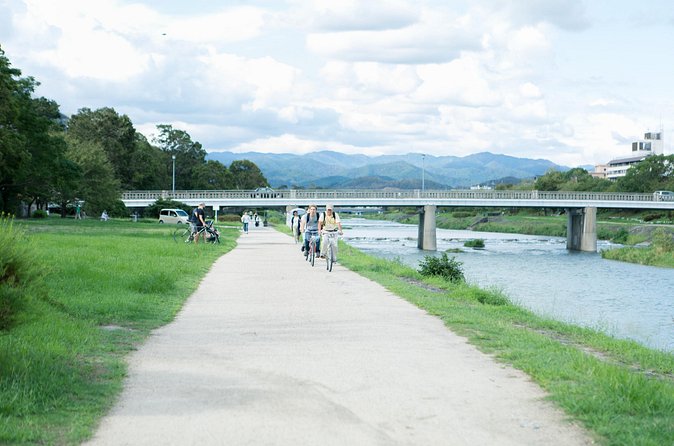
The final listed stop is in Kashiwayacho, by the Kamo River, a place described as popular with local residents. The stop lasts about 20 minutes and is included in the tour fee.
After the more formal character of the Imperial Palace grounds, the river offers a relaxed ending. You get time near the water before cycling back to the meeting point. The route does not specify a café stop or other activity here, so consider it a pause by the river rather than a meal break.
The tour ends where it begins. That makes the finish straightforward, though you should allow for the full three hours when planning the rest of your afternoon. The stop times add up to about 85 minutes, with the remaining time used for riding between locations and moving through the route.
The guide and the bike shape the day
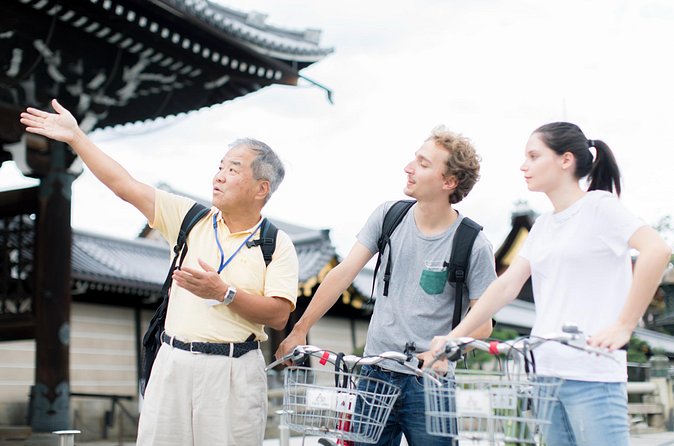
A good guide matters on a city cycling tour. The guides are professionally trained in Kyoto culture, road safety, group riding and local etiquette. That combination is useful: you need more than a list of historic facts when you are navigating narrow streets with a group.
Yuichi has been especially praised for being personable, informative and funny. That is a good sign of the kind of guide who can keep a ride engaging while helping you understand what you are seeing. However, you should not assume Yuichi will lead your particular departure; the guide’s name is not guaranteed.
The bike type deserves a question before booking. One account specifically praises the e-bikes, but the activity details describe a bike tour without confirming that e-bikes are included for every group. If an electric assist is important to you, ask KCTP directly rather than relying on that single detail.
This is not a ride for someone who cannot cycle confidently in the road environment. Children must be at least 10 years old, at least 145 cm tall, and able to ride safely on the road without assistance. The tour is not described as suitable for children below those thresholds.
Price, group size and weather
At $102.47 per person, the tour is best judged as a guided way to link several parts of Kyoto in one afternoon. You are paying for a private group experience, a trained guide and the chance to cover more distance than you would comfortably cover on foot in the same time. The price may make less sense if you already know the city well or would rather spend three hours in one district.
The group limit is appealing for people who want room to ask questions and keep a manageable cycling formation. Each guide accepts two to six people. If your party has seven to twelve, an extra guide can be arranged; a single participant is not accepted.
The tour operates in rain, with two stated options: continue cycling with a free rain poncho or switch to a walking tour using public transport, with bus or metro costs included in the tour fee. If the forecast looks poor, decide which option sounds comfortable before you set out.
There is a notable mismatch in the cancellation information. One set of details says you can receive a refund if you cancel at least three days before the tour, by 6 pm Japan time. Another says the experience is non-refundable and cannot be changed. Confirm the applicable terms with the operator before booking, and do not assume you can change plans later.
Who should book this Kyoto bike tour?
This is a strong fit if you want an efficient introduction to Kyoto’s neighborhoods and are comfortable riding a bike on city streets. It suits couples, families with children who meet the age and height requirements, and small groups who like a guide-led outing with a mix of history, local streets and outdoor scenery.
It can also work well when your Kyoto schedule is tight. One rider found it a useful way to get around and see several places in limited time, including with family. The route combines well-known areas with quieter lanes, so you can get a broad sense of the city without spending the whole afternoon on foot.
You may want a different activity if you dislike cycling in traffic, need a slower pace, or want extended time at each stop. The tour gives you a sampler of several places, not a deep visit to each one. And if an e-bike is essential, confirm availability before paying.
Should you book it?
Book this tour if you are a confident cyclist and want a guided, small-group way to connect Kyoto’s old districts, palace grounds and river paths in one afternoon. Its best quality is the variety: traditional lanes, Gion, a streamside route and the Kamo River all appear in a single three-hour outing.
Before you commit, check the bike type and get the cancellation terms in writing. If those details suit you, the tour offers a practical way to see more of Kyoto while still leaving room for the city’s quieter corners.
FAQ
What time does the tour start, and how long does it last?
It starts at 2 pm and lasts about three hours. The activity ends back at the meeting point.
Where does the tour begin?
The meeting point is 552-13 Higashiaburanokōjichō, Shimogyo Ward, Kyoto, 600-8235, Japan.
Is this a private tour?
Yes. Only your group participates, with two to six people accepted per guide. A solo participant cannot book alone.
Can children join the tour?
Children must be at least 10 years old, at least 145 cm tall, and able to ride a bicycle safely on the road without assistance.
What happens if it rains?
The tour operates in rain. You can ride with a free rain poncho or switch to a walking tour using public transport, with bus or metro included in the tour fee.
Is the tour refundable if I cancel?
The cancellation details conflict. One set says cancellations made at least three days ahead, by 6 pm Japan time, can be refunded; another says the experience is non-refundable. Confirm the terms with the operator before booking.
Newly added in Kyoto
- Uji: Private immersion into Kyoto’s tea and reglious culture★ 5.0 · 17 reviews
- Whisk Your Own Matcha: A Zen Matcha Experience at Temple★ 3.6 · 7 reviews
- Kyoto tea town for matcha lovers★ 5.0 · 16 reviews
- Treasures of Kyoto: Gion & historical Walking Tour★ 5.0 · 6 reviews
- Kyoto Matcha Green Tea Tour★ 4.5 · 23 reviews
- Uji and Wazuka Matcha Farm Half Day Private Guided Tour★ 5.0 · 21 reviews
- Uji Tea Ceremony and UNESCO Heritage Walking Tour★ 5.0 · 20 reviews
- Utilising upcycled Matcha! Creating matcha incense (Uji, Kyoto)★ 5.0 · 6 reviews
Kyoto Tours, compared.
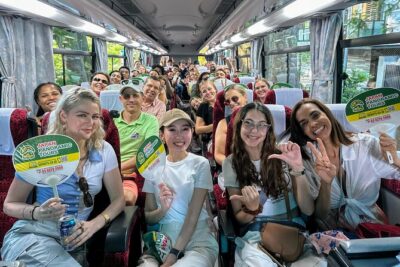
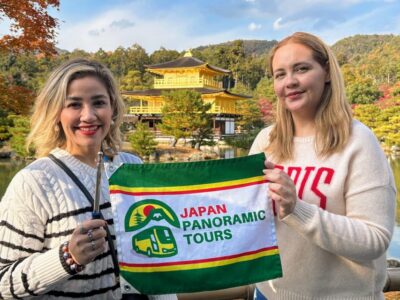
Fushimi Inari, Kinkakuji, Bamboo Grove 1 Day Bus Tour
Read our review →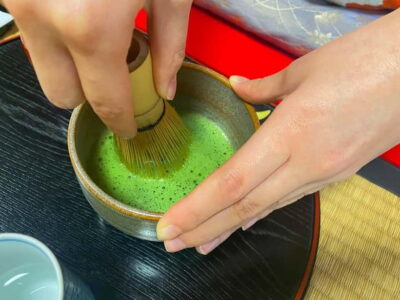
Tea Ceremony in a Traditional Tea House in Kiyomizu
Read our review →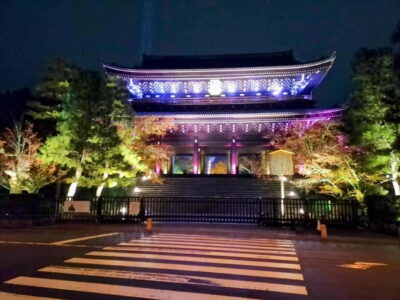
Kyoto Geisha Walking Tour: Gion District & Hidden Gems
Read our review →
Gion Magical Night Walking Tour with Geisha Trivia
Read our review →