Reviewed · KYOTO TOURS
Fish cutting class
A fish goes from whole and raw to lunch in your own hands. At Kimura, a fish shop with a 400-year history in Kyoto’s Nishiki Market, you learn to fillet it, prepare sashimi and carpaccio, and taste what you have made. It is a more useful lesson than simply watching a chef work.
I like two things in particular: you learn the preparation, not just the presentation, and the meal gives you an immediate reason to pay attention to each knife stroke. The small group, capped at eight, also leaves room for individual guidance from English-speaking instructor Masashi.
The main consideration is that this is hands-on work with raw fish and knives, not a quick demonstration. Wear clothes that can get dirty, and remember that children under 10 cannot join. At $77, it is best value for people who want to learn a practical skill as well as eat lunch.
- The setting is a working fish shop: Kimura in Nishiki Market has been in business for 400 years.
- You handle the fish yourself: Masashi demonstrates first, then guides participants through filleting.
- Lunch is part of the lesson: You make sashimi and carpaccio from the fish, then eat it with rice.
- The class is small and in English: No more than eight participants take part.
- Useful items are supplied: Fish, knife, apron, gloves, rice, soy sauce, and carpaccio sauce are included.
From Nishiki Market into Kimura’s fish shop
The class meets at Kimura, inside Nishiki Market, a food market in Kyoto. This setting matters. Instead of learning fish preparation in a generic teaching kitchen, you work in a fishmonger’s shop with centuries of trade behind it. The age of the business adds context, but the real value is practical: fish handling is taught where fish are the daily business.
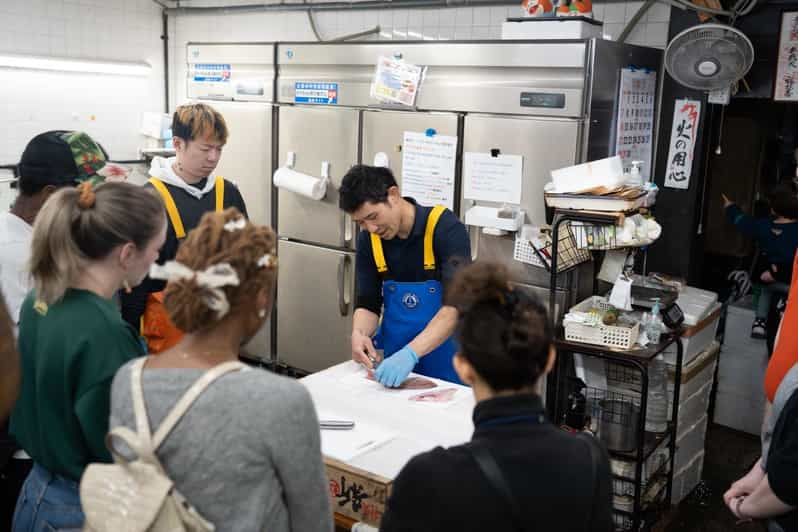
Look for the blue and orange aprons worn by the class. The meeting details are simple, but it is worth allowing yourself enough time to find the shop in the market. The experience lasts 150 minutes, so it takes a good part of a morning or afternoon rather than fitting into a quick stop between sights.
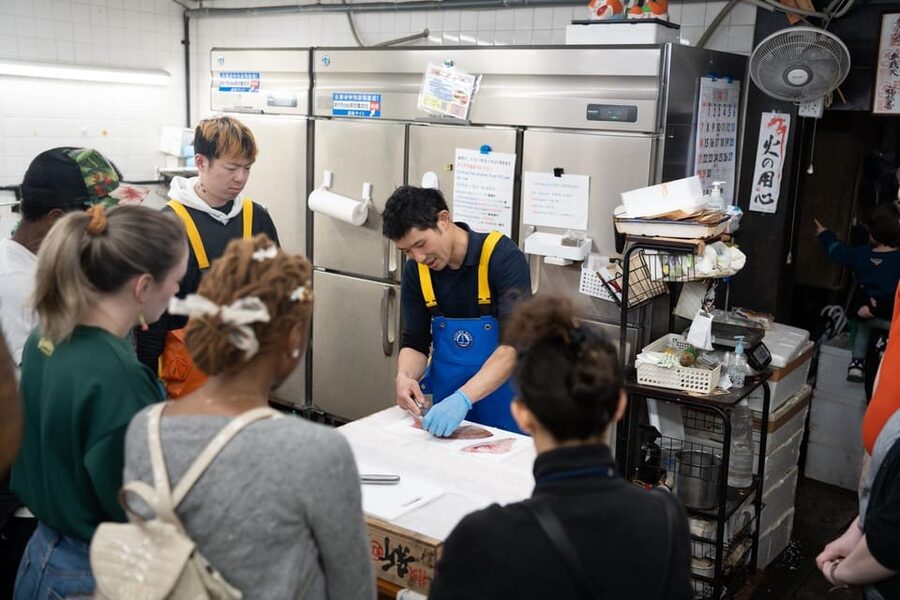
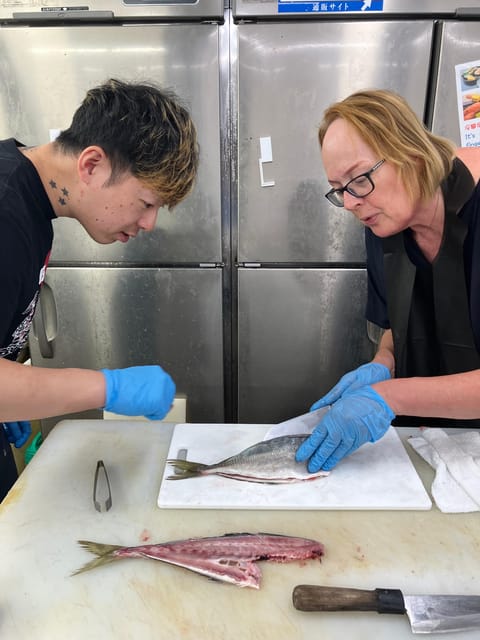
The group is limited to eight, which is a sensible size for a knife lesson. You are not left to copy a demonstration from across a crowded room. Masashi gives detailed guidance, corrects mistakes as they happen, and keeps the instruction relaxed. That matters when the work involves a slippery ingredient and a sharp blade.
First, watch the fish being filleted
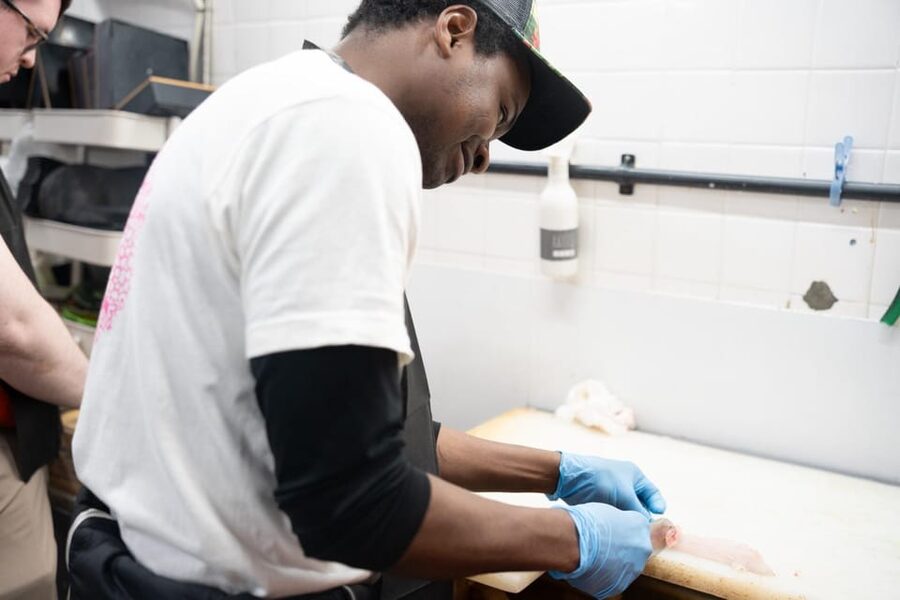
The session begins with an introduction from the instructor. Then Masashi demonstrates how to fillet the fish while participants watch. This first stage gives you a chance to see the sequence before trying it yourself, and to notice how careful knife handling differs from the quick, finished cuts you usually see at a sushi counter.
This is not a class where the instructor does all the work while you decorate a plate. You move from watching to handling the fish yourself, with guidance through the process. Beginners are welcome, and the emphasis is on learning the basic skills rather than arriving with professional knife experience.
The pace is part of the appeal. Fish preparation has a practical logic, and watching the demonstration first helps make each step easier to follow. Masashi’s close corrections are useful if you are unsure about your technique. One participant described him correcting errors on the spot, which is just the kind of help a first-timer needs.
More Kyoto tours in Kyoto:
- PERFECT KYOTO 1-Day Bus Tour
★ 5.0 · 13,518 reviews - Kyoto: Fushimi Inari, Kinkakuji, Bamboo Grove 1 Day Bus Tour
★ 4.8 · 4,316 reviews - Kyoto: Tea Ceremony in a Traditional Tea House in Kiyomizu
★ 4.9 · 3,519 reviews
Your turn with the knife
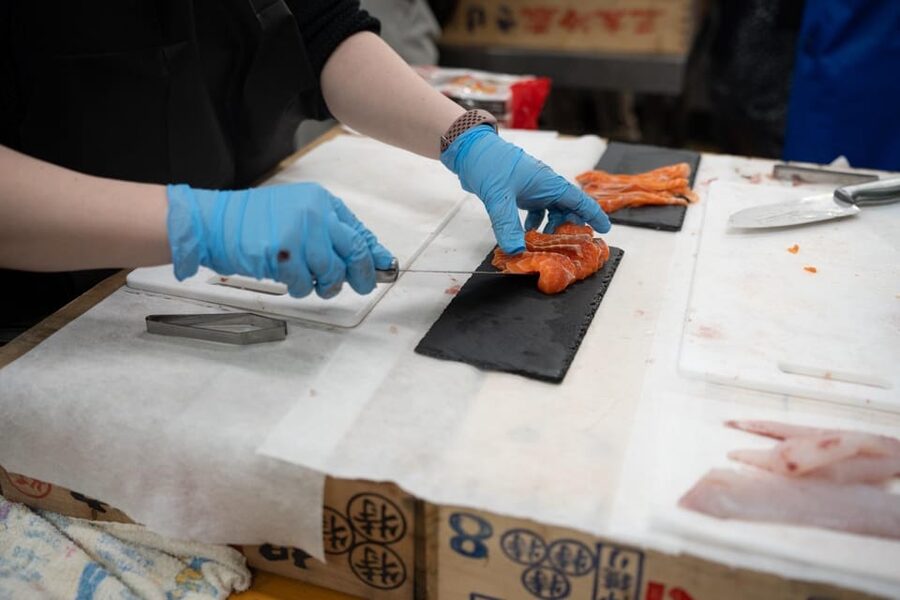
Once the demonstration is over, you fillet fish yourself. You are given the fish, knife, apron, and rubber gloves, so you do not need to bring equipment. The class asks you to bring clothes that can get dirty. That is sound advice for any session involving raw fish and hands-on preparation.
The fish is not just an ingredient that appears ready for slicing. You take part in processing it from the beginning, which makes this class notably different from a standard sushi-making workshop. Many cooking classes start with prepared ingredients; here, you learn the work that comes before the finished sashimi.
That difference is also why the lesson may suit a particular kind of food lover. If you want to understand how fish becomes sashimi, and to build skills you can try at home, there is real substance here. If you would rather keep your hands clean and focus on a broad menu of Japanese dishes, this may feel more technical than you want.
The setting and tools are practical, but the task still requires care. You should expect to concentrate, listen closely, and accept correction as part of the lesson. The goal is not to race through the work. It is to learn how to handle the fish properly and make something worth eating.
Turning the fillets into sashimi and carpaccio
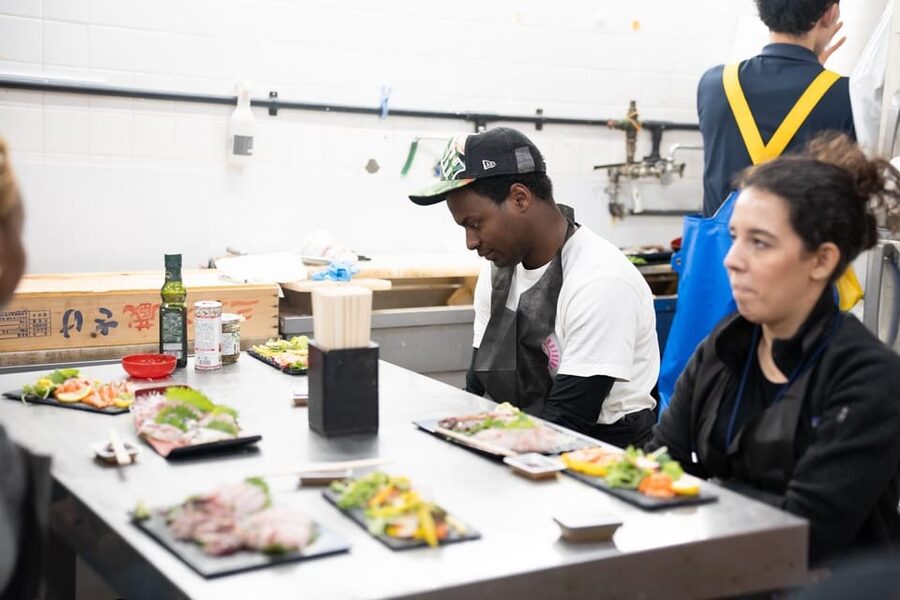
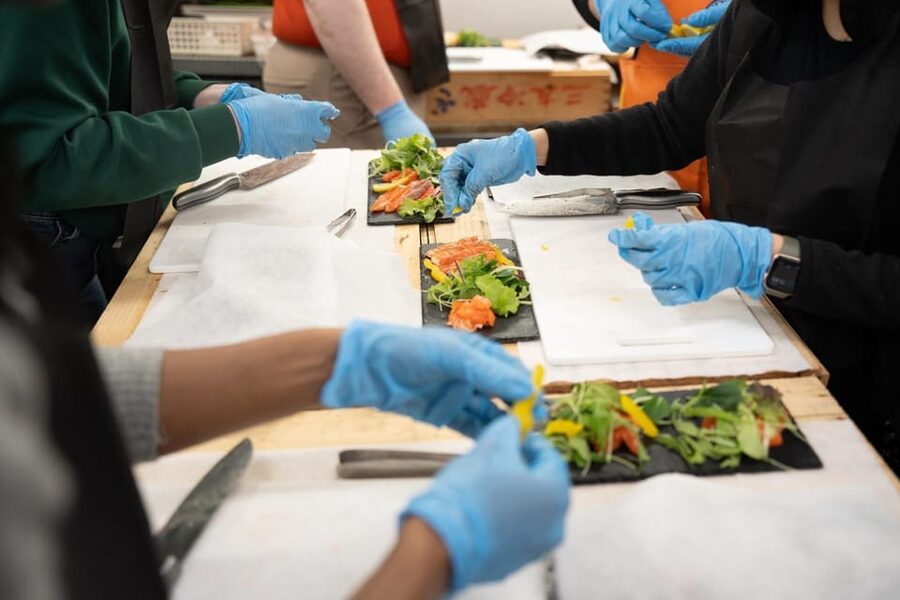
After the fish is filleted, you use it to make sashimi and carpaccio. These preparations let you see the result of the earlier work in two different forms. The class supplies soy sauce and carpaccio sauce, along with rice for the meal.
The sashimi is the centrepiece: fish you have handled and cut yourself, served for lunch. The pleasure is not only that it is fresh. You have followed the process from the raw fish to the plate, so each bite carries a little more meaning than a dish simply set in front of you.
The class is built around sashimi and carpaccio, though the meal can include other preparations. One class has included miso soup and tempura, making the lunch a broader cooking experience. Menus may vary, so treat those dishes as a possibility rather than a guaranteed part of every session.
There is also a commemorative photo opportunity with the fish. It is a small extra, but it can make a good record of a hands-on experience that is more unusual than another restaurant meal. The real keepsake, of course, is the new respect you may gain for the work behind sashimi.
Eating what you prepared
The meal comes at the end of the work. You sit down to eat the fish you filleted and prepared, with rice included. That simple sequence is the class’s strongest idea: learn the technique, put it to use, then taste the result while the steps are still fresh in your mind.
Participants have described the sashimi as a highlight, and it is easy to see why the format works. The food is not separated from the lesson. You have handled the fish, worked through the cuts, and made the dishes yourself. That can make lunch feel more rewarding than a meal ordered off a menu, even if you are already familiar with sashimi.
The experience also gives you a closer view of Japanese food culture through preparation, not just eating. The class does not claim to teach every part of Japanese cooking, and it is not a full survey of sushi or seafood cuisine. It does give you a focused look at one essential skill: how to turn raw fish into food you can serve.
Same city, a different side of it:
- Kyoto Geisha Walking Tour: Gion District & Hidden Gems
★ 4.7 · 3,273 reviews - Kyoto: Tea Ceremony Ju-An at Jotokuji Temple
★ 4.9 · 3,207 reviews - Kyoto: Gion Magical Night Walking Tour with Geisha Trivia
★ 4.9 · 2,393 reviews - Kyoto: 45-Minute Tea Ceremony Lesson Experience
★ 4.3 · 2,378 reviews
What $77 gets you
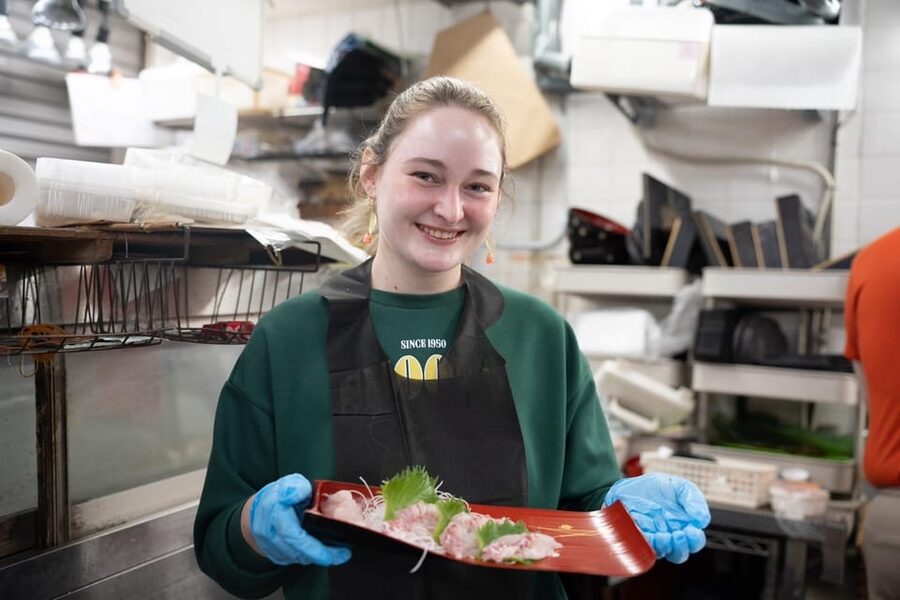
At $77 per person, the price covers a 150-minute English-language class, the fish you handle, rice, a knife, an apron, gloves, soy sauce, and carpaccio sauce. You are paying for instruction and a meal, not just for a short cooking demonstration. The limit of eight participants adds value because it makes personal help more feasible.
For someone who mainly wants a filling lunch, there are cheaper ways to eat in Kyoto. The price makes more sense if you value the fish-handling lesson, the historic shop setting, and the chance to prepare your own meal. It is a focused experience rather than a bargain meal or a broad cooking course.
Beer and other alcohol are not included. Pickup and drop-off are also not provided, so plan to reach the meeting point at Kimura yourself. If you have dietary needs, the class has both gluten-free soy sauce and halal soy sauce; contact the provider to ask about what you need.
Who should book this class?
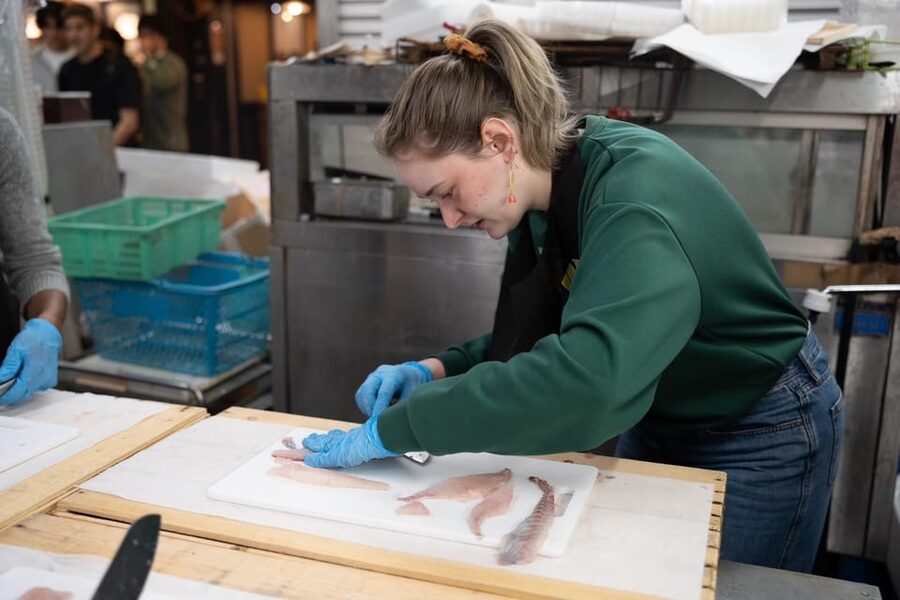
I would put this class high on the list for sashimi fans, curious cooks, and anyone who wants a food experience with a skill to take home. It is especially suited to people who enjoy learning by doing. You do not need prior experience, but you should be willing to work with raw fish and a knife.
It can also suit a food-focused couple or small group looking for an activity beyond tasting dishes. With only eight places, the class has a more personal feel than a large demonstration. The instructor’s step-by-step corrections are a practical bonus, particularly if this is your first time filleting fish.
It is less suitable if you are travelling with children under 10, want a passive demonstration, or do not want to handle raw ingredients. The class asks you to wear clothes that can get dirty, and the activity is centered on fish preparation rather than a menu of unrelated dishes. Those are not flaws, but they are worth knowing before you book.
The class offers free cancellation up to 24 hours in advance, and you can reserve now and pay later. Check the available start times when planning your day, since the session itself runs for two and a half hours.
Should you book?
Book it if you want to learn how sashimi begins, not just how it arrives at the table. Kimura’s old fish-shop setting, Masashi’s close instruction, and the chance to eat your own work make this a strong choice for food-minded visitors to Kyoto. Skip it if you prefer a relaxed meal without knife work, or if your group includes a child under 10.
FAQ
Where does the fish cutting class meet?
It meets at Kimura, a fish shop in Nishiki Market in Kyoto. The class wears blue and orange aprons.
How long is the class?
The class lasts 150 minutes. Check availability for the starting times.
Is the class suitable for beginners?
Yes. Beginners are welcome, and the instructor demonstrates the fish-filleting process before participants try it themselves.
What is included in the $77 price?
The price includes the fish you handle, rice, the knife, apron, rubber gloves, soy sauce, and carpaccio sauce.
Can the class accommodate gluten-free or halal soy sauce?
Gluten-free soy sauce and halal soy sauce are available. Contact the provider with your needs.
Can children join the class?
Children under 10 are not suitable for this activity.
Newly added in Kyoto
- Uji: Private immersion into Kyoto’s tea and reglious culture★ 5.0 · 17 reviews
- Whisk Your Own Matcha: A Zen Matcha Experience at Temple★ 3.6 · 7 reviews
- Kyoto tea town for matcha lovers★ 5.0 · 16 reviews
- Treasures of Kyoto: Gion & historical Walking Tour★ 5.0 · 6 reviews
- Kyoto Matcha Green Tea Tour★ 4.5 · 23 reviews
- Uji and Wazuka Matcha Farm Half Day Private Guided Tour★ 5.0 · 21 reviews
- Uji Tea Ceremony and UNESCO Heritage Walking Tour★ 5.0 · 20 reviews
- Utilising upcycled Matcha! Creating matcha incense (Uji, Kyoto)★ 5.0 · 6 reviews
Kyoto Tours, compared.
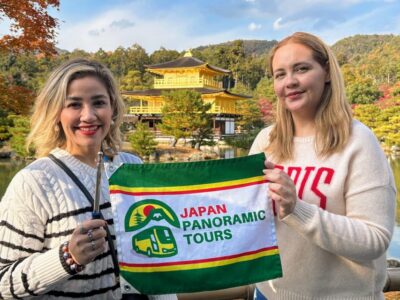
Fushimi Inari, Kinkakuji, Bamboo Grove 1 Day Bus Tour
Read our review →
Tea Ceremony in a Traditional Tea House in Kiyomizu
Read our review →
Kyoto Geisha Walking Tour: Gion District & Hidden Gems
Read our review →
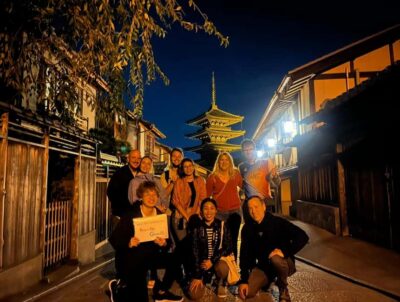
Gion Magical Night Walking Tour with Geisha Trivia
Read our review →