
Reviewed · KYOTO FOOD TOURS
Home style Ramen and Homemade Gyoza in Kyoto
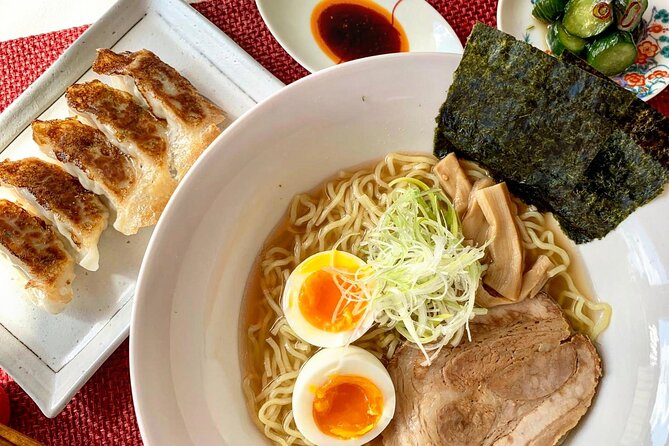
The best part of this Kyoto cooking class is that the meal is also the lesson: you make ramen soup from a family recipe, roll gyoza wrappers by hand, prepare cucumber pickles, and then eat the results in Nariko’s home. You won’t make ramen noodles, but you will learn techniques you can use again in your own kitchen.
I like two things in particular: the small class size, capped at eight, gives you room to take part rather than watch from the edge; and the recipes are practical enough to try again at home. Nariko is also praised for clear, patient instruction and for making the class feel relaxed and social.
The main consideration is dietary: the ramen broth uses dried fish, so this class cannot be made vegetarian. It also involves knife work, and participants must be older than 10 and able to use a knife.
What makes this class worth considering
- A family ramen recipe: Nariko uses her mother’s recipe for the soup, with dried fish in the broth.
- Gyoza wrappers made by hand: You make the dumpling skins from scratch, not just the filling.
- A meal you prepare yourself: The class includes ramen, gyoza, and cucumber pickles, followed by time to eat.
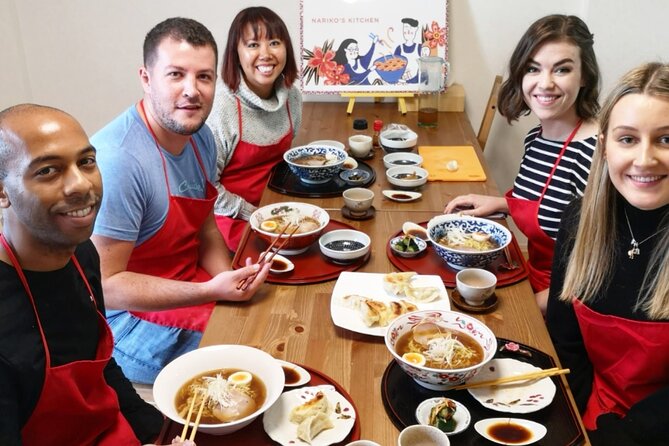
- A home kitchen, not a demonstration hall: You cook in Nariko’s home, with a group of no more than eight.
- Useful skills to take home: The class focuses on accessible methods and shares recipes for recreating the dishes.
- A clear dietary limit: The broth contains dried fish, so vegetarian ramen is not available.
A home kitchen sets the tone
The class begins at 10:00 am at 5-6 Matsugasaki Rokunotsubochō in Kyoto’s Sakyo Ward. The meeting point is near public transportation, and the activity ends back there. Nariko has met participants at a train station before walking with them to her home, but the exact meeting arrangement should be confirmed with her after booking rather than assumed.
The home setting is a big part of the appeal. This is a working cooking lesson, not a staged food demonstration. You’ll have a chance to handle ingredients, follow Nariko’s steps, and ask questions as you go. The kitchen is described as clean and arranged for teaching, which matters when several people are working with dough, knives, and hot food.
With a maximum of eight participants, the class is small enough for everyone to have a role. Group sizes have varied, with reports of classes of four, six, and seven. That can make the experience pleasantly social, with a chance to meet people from elsewhere, while still leaving room for individual instruction.
Plan on about three and a half hours. That gives you time to cook at a steady pace and sit down to eat without squeezing the whole experience into a quick demonstration. If your Kyoto schedule is tight, remember that this is a half-day activity, not a brief stop between sightseeing visits.
More food tours in Kyoto:
- Ramen Cooking Class at Ramen Factory in Kyoto
★ 5.0 · 1,937 reviews - Kyoto Night Foodie Tour in Gion (9+ dishes + 6 Sake tastings)
★ 5.0 · 1,762 reviews - Kyoto: Izakaya Bars Guided Walking Tour
★ 4.9 · 815 reviews
Start with ramen broth, not noodles
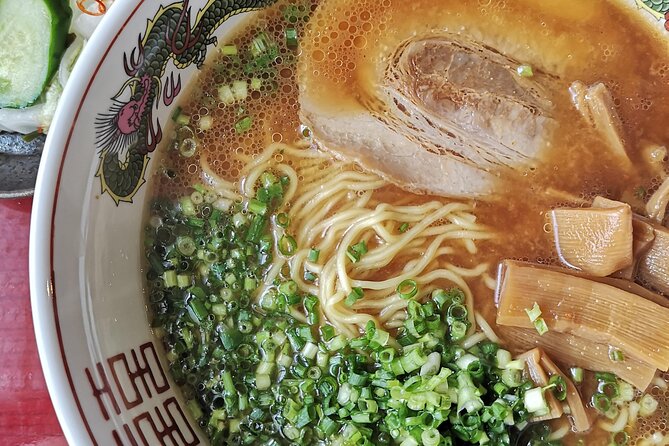
Ramen is the headline dish, but it helps to know exactly what you’ll make. Nariko teaches her mother’s recipe for ramen soup, using dried fish in the broth. The class does not include making ramen noodles, so this is a lesson in preparing the soup and assembling a ramen meal, not a full noodle-making workshop.
That distinction is useful when you compare cooking classes. Homemade noodles can be a fascinating project, but they also take time and require different skills. Here, the focus is on a broth recipe you can apply at home, along with the other parts of the meal. The emphasis is on learning how a home-style Japanese dish comes together, rather than mastering every component from scratch.
You’ll work with the ingredients and follow Nariko’s demonstrations as the soup is prepared. The recipe is based on her mother’s cooking, giving the lesson a personal connection that a generic restaurant-style recipe might lack. You can ask about methods as you go, and the step-by-step pace should help even if ramen is new territory for you.
The dried fish is not a minor detail. It is a standard part of the ramen broth used in this class, and Nariko cannot prepare the soup without it. If you avoid fish, have other dietary restrictions, or need a particular accommodation, contact her before booking. She may or may not be able to help, so don’t count on a substitution.
Gyoza dough is the hands-on highlight
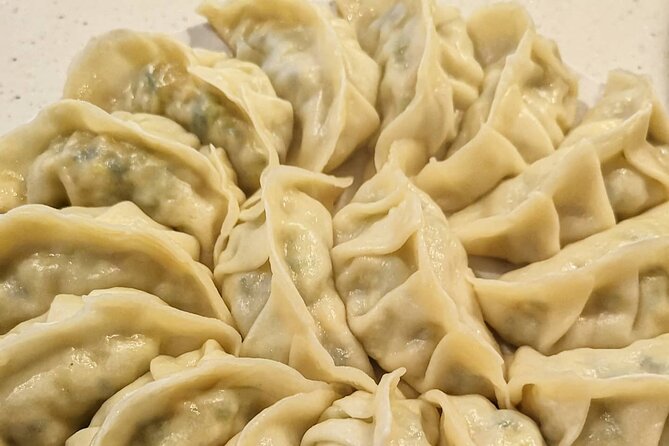
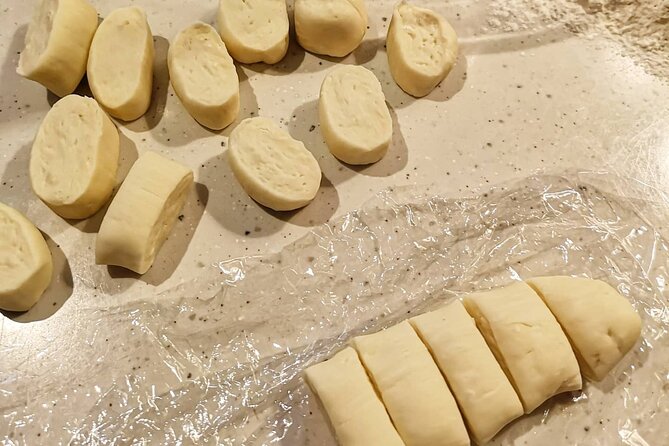
The class also teaches you to make gyoza wrappers from scratch. This is one of the most distinctive parts of the experience. You aren’t simply placing store-bought dumpling skins on a plate and filling them; you get to work with the dough and shape the wrappers yourself.
Making the skins adds a useful bit of technique to take home. It also asks for patience. Getting a neat, even wrapper takes practice, and your first few may not look like the tidy dumplings in a cookbook. That’s part of the fun, and Nariko’s clear demonstrations help take the pressure off.
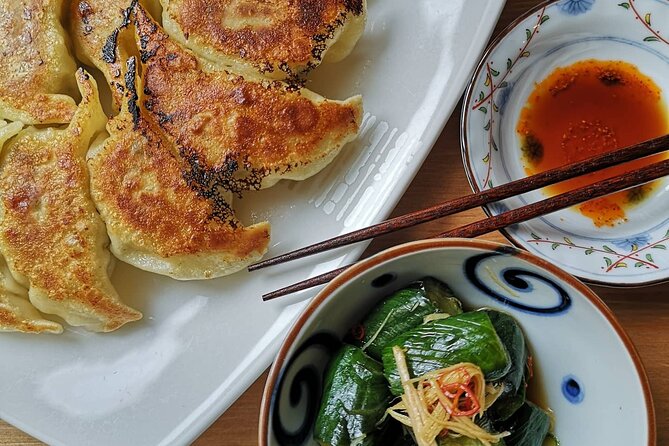
You’ll prepare the gyoza and learn how to cook them. The dumplings are fried rather than boiled, which gives the meal a different texture from soup dumplings or boiled versions. The class is designed for participation, so expect to roll up your sleeves rather than stand back and watch Nariko do all the work.
Knife work is part of the cooking, too. The stated minimum age is over 10, and children must be able to use a knife. This is a practical rule, not a formality: the class involves real food preparation in a home kitchen. If you’re planning a family outing, check that every child who attends meets that requirement.
Cucumber pickles round out the meal
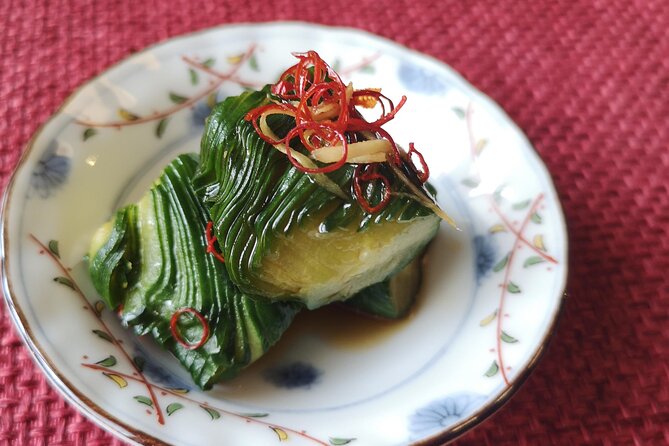
Alongside the ramen and dumplings, you’ll make cucumber pickles. They add a simple side dish to the menu and give you another small technique to carry home. It’s an easy detail to overlook when comparing cooking classes, but it helps turn the lesson into a more complete meal rather than a single-recipe workshop.
The menu has a sensible rhythm: soup, dumplings, and a fresh pickle. You’ll prepare the dishes, then sit down to taste what you’ve made. The meal is part of the experience, not an afterthought, and the reported portions are ample enough to feel like lunch rather than a token sample.
I’d come hungry, but not expecting a formal restaurant service. The point is to enjoy the food you prepared and see how the elements work together. The class takes place in a home, which adds warmth and informality, but it also means space is limited. Only people taking part may attend; there are no places for spectators.
More Kyoto tours in Kyoto:
- PERFECT KYOTO 1-Day Bus Tour
★ 5.0 · 13,518 reviews - Kyoto: Fushimi Inari, Kinkakuji, Bamboo Grove 1 Day Bus Tour
★ 4.8 · 4,316 reviews - Kyoto: Tea Ceremony in a Traditional Tea House in Kiyomizu
★ 4.9 · 3,519 reviews - Kyoto Geisha Walking Tour: Gion District & Hidden Gems
★ 4.7 · 3,273 reviews
Nariko’s teaching style makes the difference
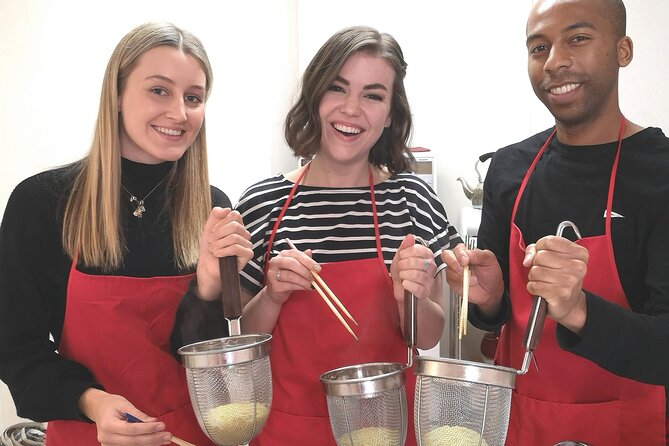
A cooking class can succeed or fail on the host’s ability to explain each step. Nariko is consistently described as friendly, patient, and easy to follow. She demonstrates techniques, keeps the group moving, and makes sure participants can join in at each stage instead of leaving the work to the most confident cook.
That matters if you’re a beginner. You don’t need to arrive with dumpling-making experience, and there’s no need to worry about producing perfect shapes. The class is structured around small steps, and the goal is to learn how to prepare the food, not pass a kitchen exam.
It also suits experienced home cooks who want more than a recipe card. You can watch how a Japanese home cook handles the ingredients and ask questions about the process. The personal connection to Nariko’s family ramen recipe gives the lesson a character that you won’t get from simply ordering a bowl at a restaurant.
Conversation is part of the appeal, too. The group may include people from different countries, and the small size makes it easier to get to know one another while cooking. Nariko has also helped participants with Kyoto dinner reservations, though that should be seen as a kind gesture rather than a service to count on.
Is $118.92 good value?
At $118.92 per person, this is not a cheap meal. But you’re paying for roughly three and a half hours of instruction, access to a small home class, several dishes, and practical skills you can use after your trip. The value is strongest if you enjoy cooking and want an activity that feels different from eating your way through Kyoto’s restaurants.
The price is harder to justify if you only want to taste ramen. A restaurant meal will cost less, and this class is not a shortcut to sampling a wide range of dishes. You’re there to take part, learn, and spend time in a home kitchen. If that sounds like your kind of travel experience, the hands-on format makes the price more understandable.
You’ll receive a mobile ticket, and confirmation is expected within 48 hours of booking, subject to availability. The experience is often booked about 24 days ahead, so plan early if you have a fixed date. The class is non-refundable and cannot be changed for any reason. If the minimum number of participants is not met and the activity is cancelled, you’ll be offered another date or experience, or a full refund.
Who will enjoy cooking with Nariko?
This class is a strong fit for couples, families with children over 10 who can use a knife, and solo visitors who like meeting people through food. It also works well for anyone who wants to take home a useful Japanese recipe rather than just a few holiday photos.
You don’t need to be an accomplished cook. The step-by-step approach and small group size make the class approachable, and the recipes are intended to be practical enough to recreate at home. If you cook regularly, you may especially enjoy learning to make gyoza wrappers and seeing how the ramen broth is prepared.
It’s a poor match if you need a vegetarian meal, since the soup depends on dried fish. It also won’t suit someone who wants to make ramen noodles from scratch or attend only as a spectator. The focus is participation, and every person in the room must be part of the class.
Should you book this Kyoto cooking class?
Book it if you want a relaxed, hands-on morning in a Japanese home and value learning as much as eating. The combination of family-recipe ramen broth, homemade gyoza skins, cucumber pickles, and a shared meal gives you a useful look at home cooking, with recipes you can try again.
Skip it if you need a vegetarian menu, want a noodle-making class, or prefer a quick activity with no kitchen work. For everyone else, Nariko’s small-group format and patient teaching make this a memorable way to spend part of a Kyoto visit. Check the dietary details before booking, allow three and a half hours, and reserve ahead if your dates are fixed.
FAQ
How long does the class last?
The class lasts about three hours and 30 minutes.
What time does it start?
It starts at 10:00 am.
Where does the class meet?
The meeting point is 5-6 Matsugasaki Rokunotsubochō, Sakyo Ward, Kyoto, 606-0915, Japan. The activity ends back at the meeting point.
What will I cook?
You’ll make ramen soup using Nariko’s mother’s recipe, gyoza with homemade wrappers, and cucumber pickles. You’ll also taste the food you prepare.
Do you make ramen noodles?
No. The class covers the ramen soup, but not the ramen noodles. You do make the gyoza wrappers from scratch.
Can the class accommodate vegetarians?
No. The ramen broth uses dried fish, and Nariko cannot make it without the fish. You should tell her about other dietary restrictions before booking, although she may not be able to accommodate them.
Can children take part, and may spectators attend?
Participants must be older than 10 and able to use a knife. Only people taking part in the class may attend, so spectators are not allowed.
Newly added in Kyoto
- Uji: Private immersion into Kyoto’s tea and reglious culture★ 5.0 · 17 reviews
- Whisk Your Own Matcha: A Zen Matcha Experience at Temple★ 3.6 · 7 reviews
- Kyoto tea town for matcha lovers★ 5.0 · 16 reviews
- Treasures of Kyoto: Gion & historical Walking Tour★ 5.0 · 6 reviews
- Kyoto Matcha Green Tea Tour★ 4.5 · 23 reviews
- Uji and Wazuka Matcha Farm Half Day Private Guided Tour★ 5.0 · 21 reviews
- Uji Tea Ceremony and UNESCO Heritage Walking Tour★ 5.0 · 20 reviews
- Utilising upcycled Matcha! Creating matcha incense (Uji, Kyoto)★ 5.0 · 6 reviews
Kyoto Food Tours, compared.

Ramen Cooking Class at Ramen Factory in Kyoto
Read our review →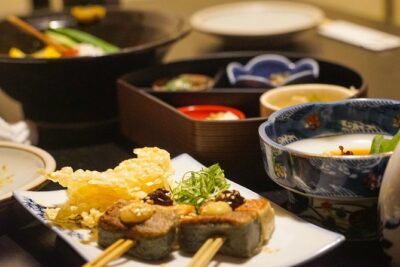
Kyoto Night Foodie Tour in Gion (9+ dishes + 6 Sake tastings)
Read our review →
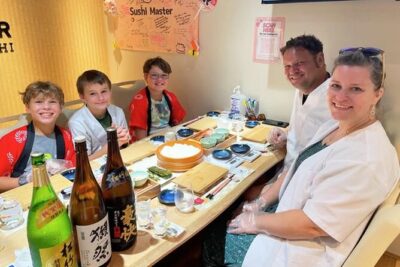
Sushi Making in Kyoto! Same-day bookings welcome!
Read our review →
Insider Sake Brewery Tour with Sake and Food Pairing
Read our review →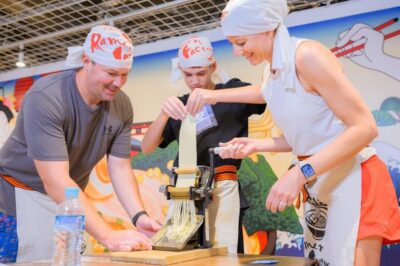
Ramen Cooking Class at a Ramen Factory with Souvenir
Read our review →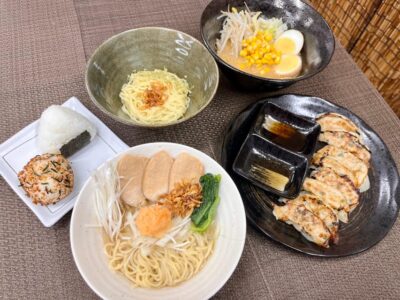
The Original Small-Group Sushi Making Class in Kyoto
Read our review →Browse the lists this tour appears in