
Reviewed · FUSHIMI INARI TOURS
Inside of Fushimi Inari – exploring and lunch with locals
Fushimi Inari is famous for its long tunnels of red gates, but the quieter paths beyond the main shrine are where this four-hour walk gets more personal. I like the mix of Shinto history and tucked-away sacred spots, and I like that the route also makes room for a tea break with a Kyoto panorama and a soba lunch.
The main consideration is the walking: expect stairs and an easy-to-moderate hike, not a flat shrine visit. You can take the route at a relaxed pace, but comfortable shoes and a hands-free bag will make the day much easier.
The best parts of this Fushimi Inari tour
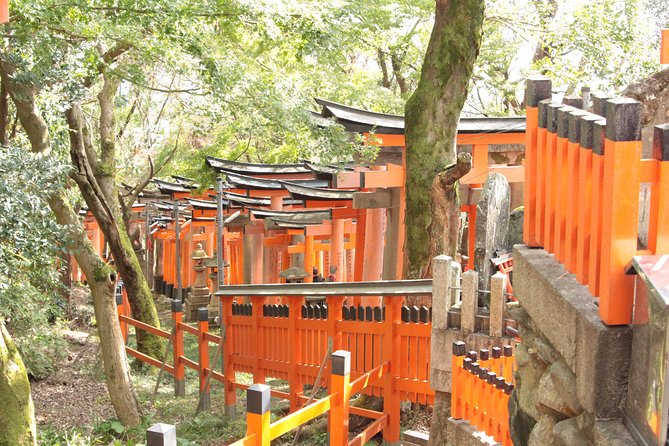
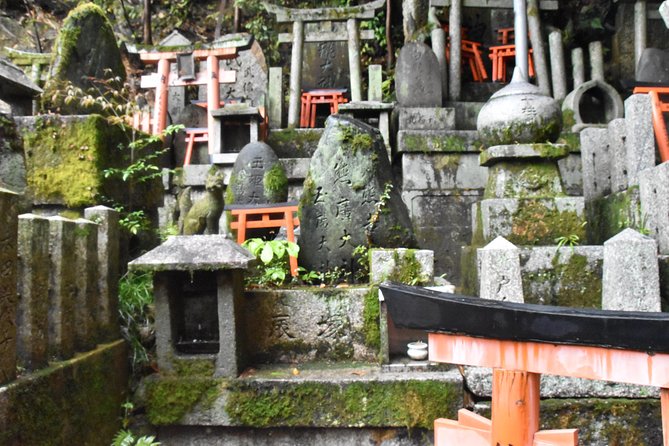
- You get beyond the main torii gates: The route includes quieter forest paths, holy spots, bamboo, cedar trees and a waterfall.
- The summit is part of the outing: Walk to the summit shrine, listed at 233 metres, with the uphill section described as about 20 minutes.
- Your guide adds cultural context: Guides explain the gates, the shrine and Shinto traditions, rather than leaving you to guess what you are seeing.
- There is time for a proper pause: Tea and a boiled egg at a mountain hut offer a welcome rest and a view over Kyoto.
- Lunch is local and filling: Soba noodles and inari sushi are included, with vegan options available if you arrange them in advance.
- The group stays small: With a limit of 10, you have a better chance to ask questions and keep a comfortable walking pace.
From the great torii gate into the shrine
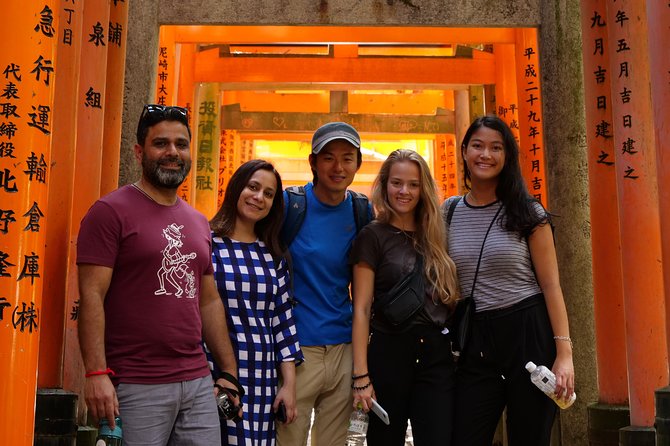
Meet at the stone pillar beside the Great Torii Gate, across from the JR Inari Station exit. If you arrive by the Keihan line, the meeting point is about a 10-minute walk from Fushimi-Inari Station. The group returns to the same spot, which makes it easy to plan the rest of your day.
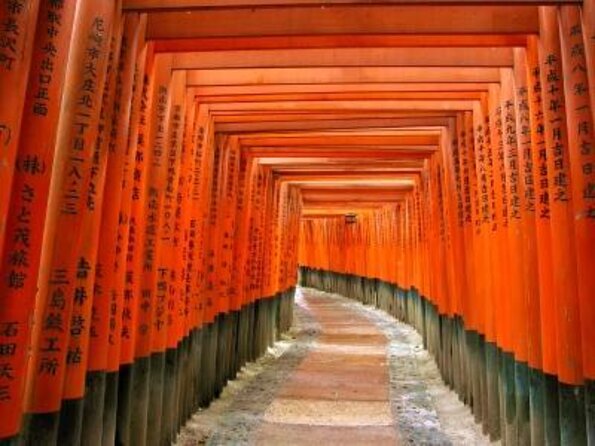
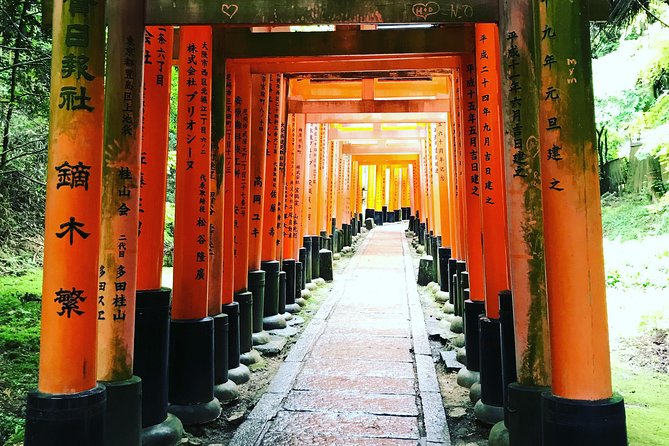
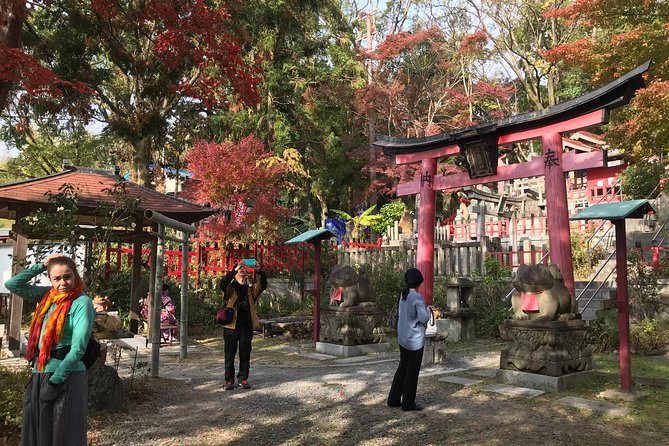
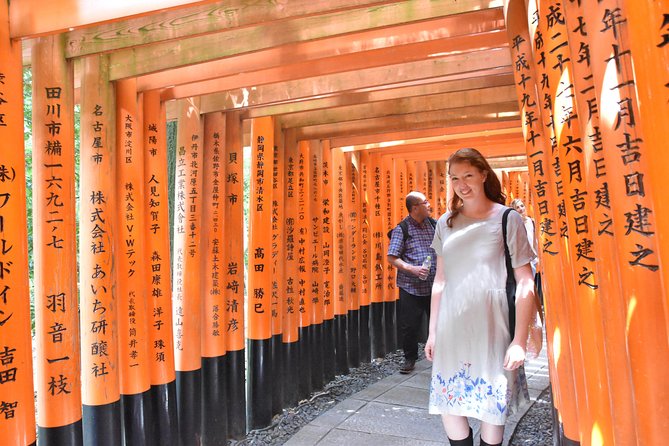
At first, you’ll see the part of Fushimi Inari Taisha that has made it famous: the main shrine buildings and rows of red torii gates. Your guide explains the gates’ history and cultural background, helping you notice more than the striking colour and repeated shapes. That context matters here. The site can be visually overwhelming, especially when you’re trying to keep your bearings and take photos at the same time.
The main approach is also the likeliest place to encounter crowds. This tour’s value is not that it makes the popular entrance disappear, but that it takes you onward to quieter paths. If you want only a quick photo under the gates, you can visit on your own. If you want to understand the shrine and see more than its busiest stretch, a guide earns their keep.
The tour is in English, and past guides have included Ko, Go, Kenji, Taishi and Yuya. Their role is more than navigation: you can ask about the shrine, its practices and Shinto more broadly as you walk. The small-group limit of 10 should help keep those conversations possible without turning the outing into a lecture.
More Fushimi Inari tours in Kyoto:
- Kyoto: Fushimi Inari, Kinkakuji, Bamboo Grove 1 Day Bus Tour
★ 4.8 · 4,316 reviews - Fushimi Inari Hidden Hiking Tour (Private Option Available)
★ 5.0 · 1,750 reviews - Kyoto/Osaka: Nara, Fushimi Inari Taisha, Arashiyama Bus Tour
★ 4.7 · 1,275 reviews
Quieter paths through bamboo and cedar
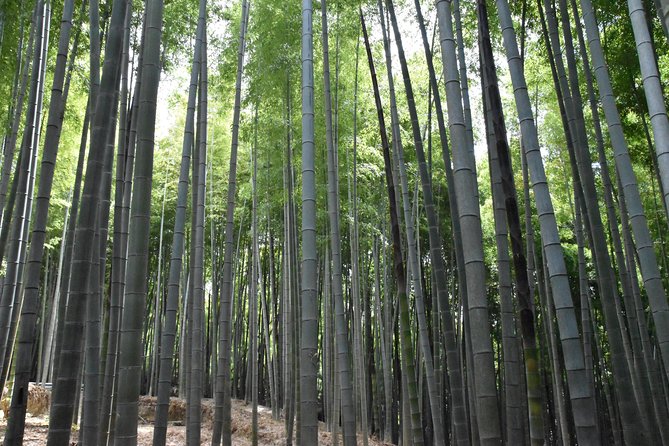
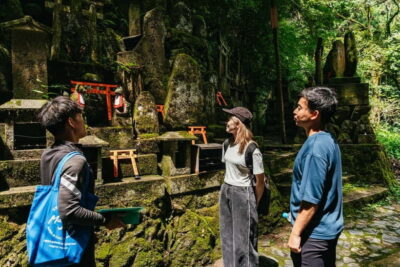
After the main shrine, the walk leads into a calmer mix of forest paths, bamboo and cedar. You’ll visit sacred spots that can include worship stones and a waterfall, as well as a factory along the route. This shift from crowded gate tunnel to woodland is one of the tour’s strongest reasons to book. It shows a side of Fushimi Inari that is easy to miss if you turn around once you’ve seen the famous gates.
The forest portion is described as easy walking, but the overall outing includes stairs and uphill sections. Think easy-to-moderate rather than effortless. The tour takes about four hours in total, with roughly three hours set aside for the hike; your guide may adjust the pace and timing to suit the group.
A particularly unusual detail is the chance to see torii being made. The route includes a factory, and the walk has sometimes involved meeting a person who carves the columns. That is a memorable counterpoint to the finished gates: you get a glimpse of the skilled work behind the symbols that line the mountain paths. It is worth treating this as a possible bonus, not a guaranteed private demonstration.
Guides also take you to less crowded spots for photos on the way down. That can make a real difference at a place where the best-known views are often shared with plenty of other people. Bring your camera, but keep it stowed while you’re on stairs or uneven stretches. A hands-free backpack is useful for the same reason.
The summit shrine and the Kyoto view
The route climbs through forest to the summit shrine, at a listed elevation of 233 metres. The uphill section to the summit is described as about 20 minutes, though the full shrine walk takes much longer once you include the other stops, photo pauses and descent. Your guide shows you around the shrine when you reach it.
This isn’t a strenuous mountain expedition, but it is still a hike. You’ll go up and down stairs, and your walking speed affects the schedule. If you have limited mobility or are unsure about the climb, bear in mind that the tour’s route is not simply a level stroll through the grounds.
The summit and surrounding paths give the outing a different rhythm from the entrance. Instead of moving quickly through the gates, you have time to stop, look around and ask questions. On the way down, the guide points out photogenic spots that are usually less crowded, so you can take pictures without spending the whole visit waiting for a clear frame.
A tea stop at a mountain hut offers a good reset. Tea and a boiled egg with salt are included, and the viewpoint gives you a panorama of Kyoto. The pause is practical as well as pleasant: after a few hours on foot, a drink, a snack and a place to sit are welcome. Vegan options are available, but tell the tour in advance if you need them.
Soba, inari sushi and a local lunch
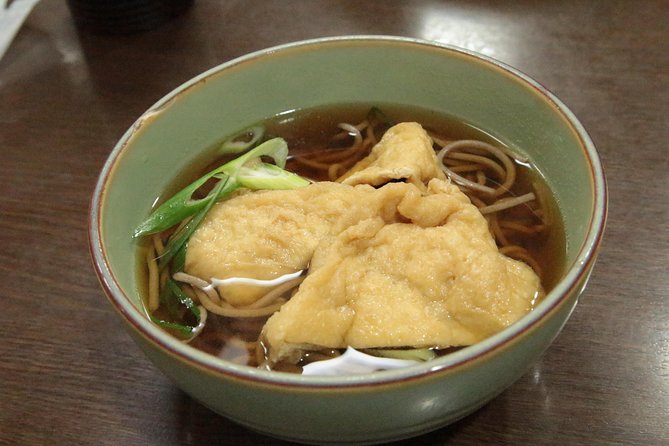
Lunch pairs Japanese soba noodles with fried sweet inari sushi. The meal is one of the tour’s most appealing pieces of local life, particularly after the walk. It gives you a chance to sit down, eat something more substantial than a quick snack and finish the outing at a traditional restaurant.
The listed lunch allowance is 30 minutes, so expect a straightforward meal rather than a long restaurant visit. Lunch is included in the $67 price, while drinks at the lunch restaurant are not. Tea at the mountain hut is included separately, so remember that a drink with your meal may add a little extra.
Vegan options and meals for allergies or dietary restrictions are available, but you need to tell the provider in advance. That advance notice is important. Don’t assume a restaurant can make a last-minute change simply because the tour offers alternatives.
More tours with lunch in Kyoto:
- Bike Tour Exploring North Kyoto plus Lunch
★ 5.0 · 1,087 reviews - Osaka/Kyoto: Arashiyama, Nara & Fushimi Inari Shrine w/Lunch
★ 4.4 · 754 reviews - Kyoto Zen Meditation & Garden Tour at a Zen Temple with Lunch
★ 5.0 · 441 reviews - 4.5-Hour Kyoto Bike Tour with Lunch and UNESCO Zen Temples
★ 5.0 · 122 reviews
What $67 buys you
At $67 per person, this tour bundles an English-speaking guide, a small group, the shrine walk, tea and a boiled egg, and lunch with soba and inari sushi. You’re also paying for a route that reaches quieter paths and for someone to explain the place as you go. If you would otherwise visit only the main gates, the added context and mountain route are the main value.
It’s less compelling if you want to move through Fushimi Inari quickly or set your own pace without a group. You can visit the shrine independently, but you would miss the guided explanations and the planned stops. The price also doesn’t cover drinks at lunch, and the exact timing can shift with the group’s walking speed.
The small group cap is a useful feature, not just a number on the booking page. A group of up to 10 is better suited to questions and photo pauses than a large procession. Still, you should expect a shared outing: the guide sets the route, and the group moves together.
Who should book this walk
Book it if you want more than the famous gate tunnel and are interested in the shrine’s customs, quieter paths and woodland setting. It suits curious first-time visitors, photographers who would like help finding calmer viewpoints, and anyone who appreciates having a local guide put the visit in context. It also works well if you want a planned lunch and a substantial walk in one half-day.
It may not suit you if you dislike stairs, are looking for a very short visit, or prefer to explore without a group. The route is described as easy to moderate, but it includes hiking and a summit visit. Wear comfortable walking shoes and clothes, and bring a hands-free backpack. Your pace and the group’s pace can affect the schedule.
Practical details before you go
The tour lasts four hours and is conducted in English. It is limited to 10 participants, starts at the Great Torii Gate’s stone pillar across from JR Inari Station, and ends there. Check the available starting times when booking.
You can cancel up to 24 hours in advance for a full refund, and the booking option allows you to reserve now and pay later. If you have dietary needs, contact the provider ahead of time. For the hike, choose shoes you’re comfortable using on stairs and bring a bag that leaves your hands free.
FAQ
How long is the Fushimi Inari tour?
The tour lasts about four hours, including a hike that takes roughly three hours. The schedule may change depending on the group’s walking speed.
Where is the meeting point?
Meet at the stone pillar at the Great Torii Gate, across from the JR Inari Station exit. From Fushimi-Inari Station on the Keihan line, it is about a 10-minute walk.
Is lunch included?
Yes. Lunch includes soba noodles and inari sushi. Drinks at the lunch restaurant are not included.
Are vegan meals available?
Yes. Vegan options are available, but you should tell the provider in advance. Options for allergies and other dietary restrictions are also available.
What should I wear or bring?
Wear comfortable clothes and shoes suitable for walking and stairs. A hands-free backpack is recommended for the hike.
Is the tour offered in English, and how large is the group?
Yes. The live tour guide speaks English, and the group is limited to 10 participants.
Newly added in Kyoto
- Uji: Private immersion into Kyoto’s tea and reglious culture★ 5.0 · 17 reviews
- Whisk Your Own Matcha: A Zen Matcha Experience at Temple★ 3.6 · 7 reviews
- Kyoto tea town for matcha lovers★ 5.0 · 16 reviews
- Treasures of Kyoto: Gion & historical Walking Tour★ 5.0 · 6 reviews
- Kyoto Matcha Green Tea Tour★ 4.5 · 23 reviews
- Uji and Wazuka Matcha Farm Half Day Private Guided Tour★ 5.0 · 21 reviews
- Slow Cycling Tour at Uji’s Matcha Green Tea Fields and Heritage★ 5.0 · 25 reviews
- Uji Tea Ceremony and UNESCO Heritage Walking Tour★ 5.0 · 20 reviews
Fushimi Inari Tours, compared.

Fushimi Inari, Kinkakuji, Bamboo Grove 1 Day Bus Tour
Read our review →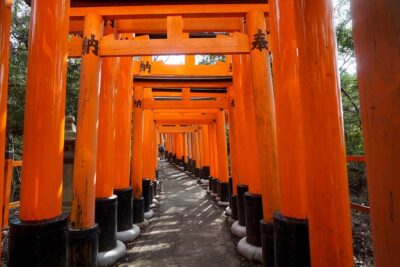
Fushimi Inari Hidden Hiking Tour (Private Option Available)
Read our review →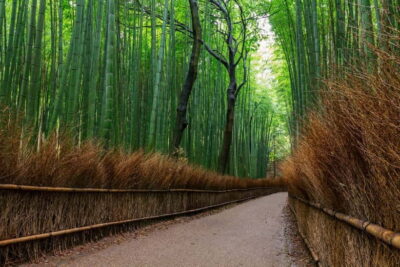
Nara, Fushimi Inari Taisha, Arashiyama Bus Tour
Read our review →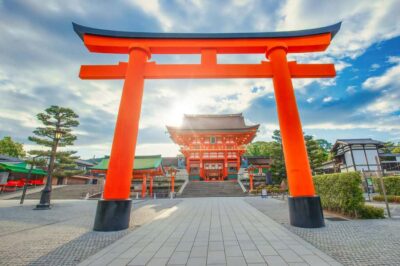
Arashiyama, Nara & Fushimi Inari Shrine w/Lunch
Read our review →
Nijo Castle, Kiyomizu & Fushimi Inari Guided Tour
Read our review →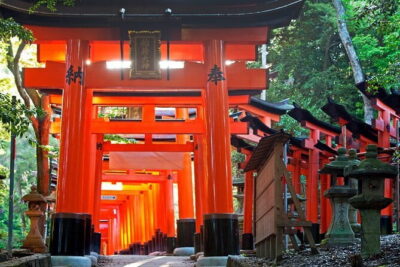
Nijo, Kinkaku-ji, Arashiyama, Kiyomizu & Fushimi Inari
Read our review →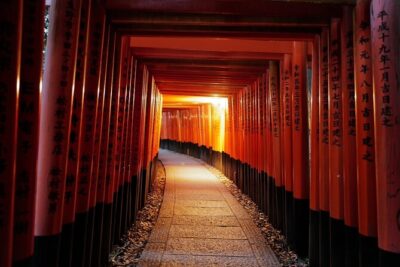
Browse the lists this tour appears in