
Reviewed · KYOTO COOKING CLASSES
Japanese Traditional Sweets ”Nerikiri” making
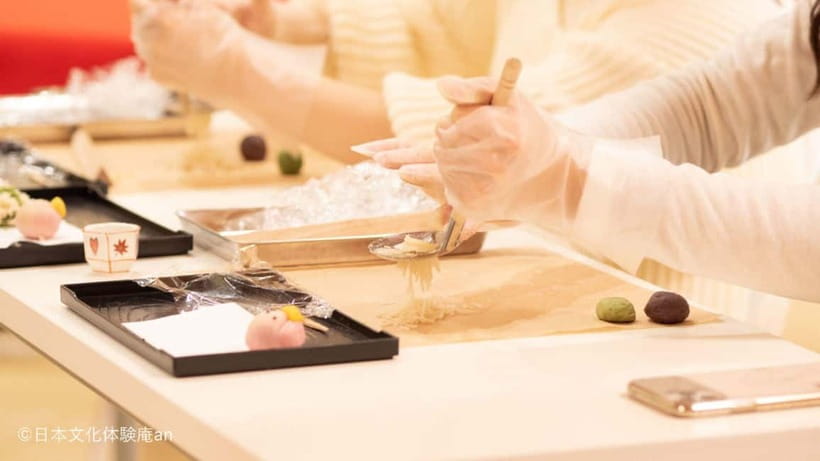
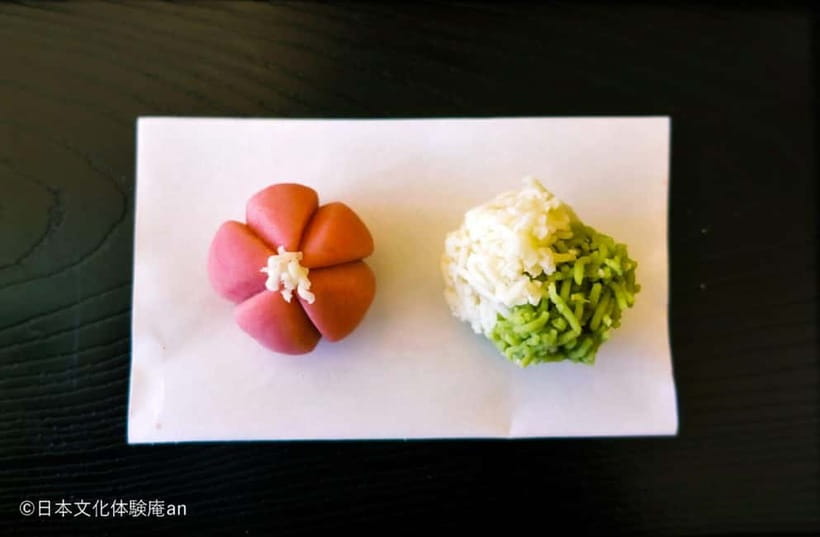
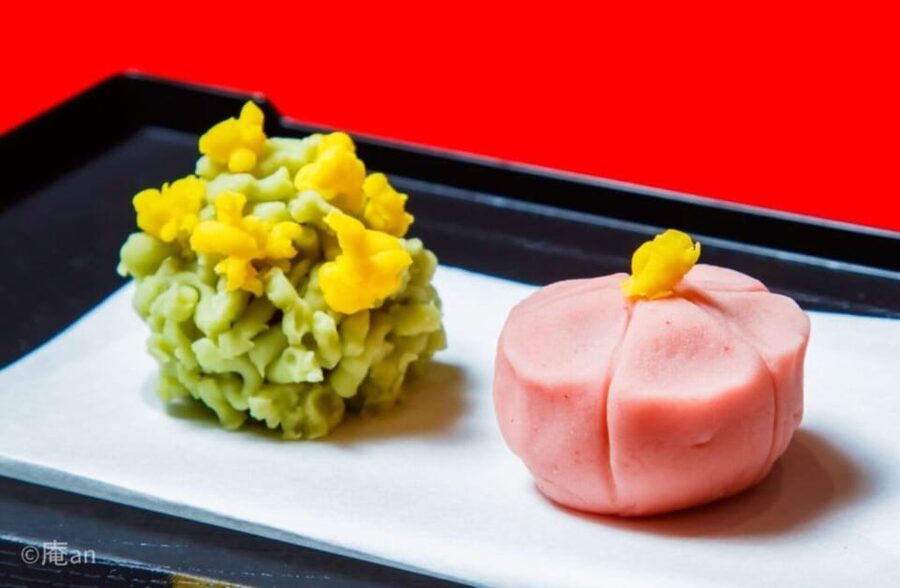
Making nerikiri turns a few familiar ingredients into small edible works of art. In this 65-minute Kyoto workshop, you shape two seasonal sweets, one flower and one kinton, with white and red bean paste from long-established local shops. Then you get to eat what you made.
I like two things in particular: the ingredients come from Kyoto shops with a long tradition, and the class is short enough to fit between sightseeing stops. You also get to make two different styles, so the hour is not just one repeated exercise.
One thing to consider: instruction is in Japanese, with English translation offered as much as possible. A participant has found that explanations can be hard to follow if you need close-up demonstrations, so contact the provider ahead of time if detailed English instruction matters to you.
At a glance
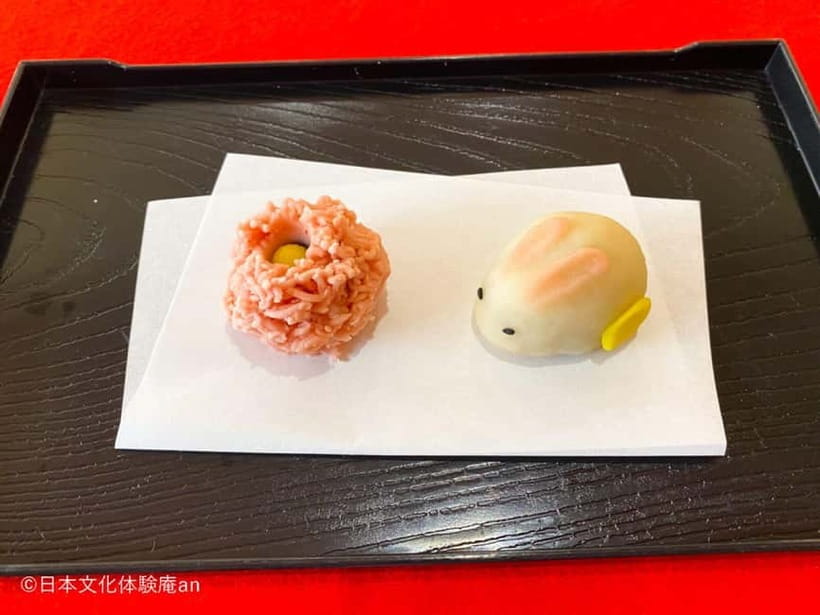
- Two seasonal sweets: Make a flower-shaped nerikiri and a kinton nerikiri.
- Kyoto-made bean paste: The workshop uses white and red bean paste from long-established Kyoto shops.
- Eat your work: There is time to enjoy your sweets at the venue after making and photographing them.
- A compact class: The activity runs for 65 minutes, with the making portion ending at about 55 minutes.
- Gojo Station is close: The meeting point is a one-minute walk from Exit 1 of the Karasuma subway line.
- A language caveat: The instructor speaks Japanese; English translation is provided as much as possible.
Two sweets, two ways to shape nerikiri
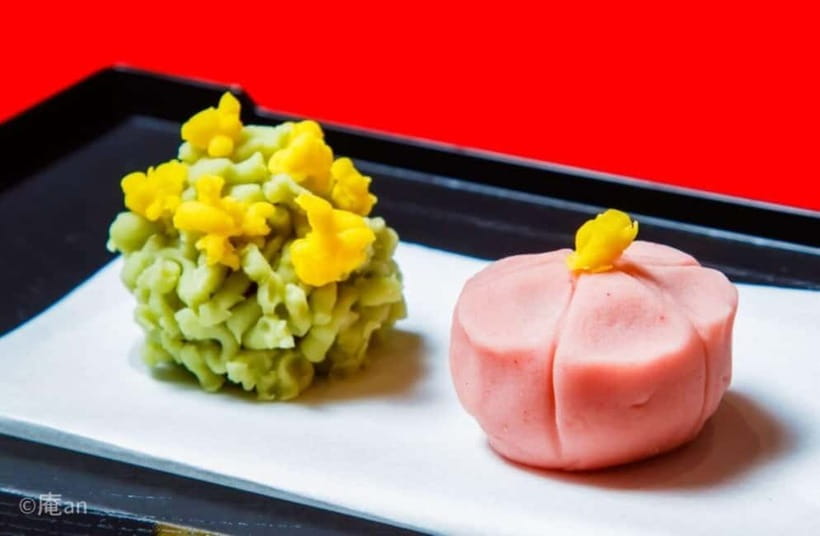
Nerikiri is a traditional Japanese sweet made with bean paste. This workshop gives you a practical introduction by having you make two seasonal designs rather than simply watching someone else shape them. One is a flower, and the other is a kinton style, which gives you a chance to try two different forms in the same sitting.
The seasonal theme is part of the appeal. Japanese sweets often take their shapes and colors from the time of year, so the finished pieces are meant to look as considered as they taste. You will not just leave with a general idea of what nerikiri is. You will have shaped two examples yourself, with the instructor guiding the activity.
The class uses white and red bean paste produced by established Kyoto shops. That detail matters: the ingredients are part of the experience, not an afterthought. You get to work with the material that gives these sweets their character, rather than making a craft object unrelated to the food.
The workshop describes the possibilities as open-ended, but that does not mean you need artistic confidence to join. The activity is presented as suitable for a range of ages and skill levels. Expect to follow the instructor’s guidance and make your own version, not to produce a perfect copy of a pastry-shop display.
More cooking classes in Kyoto:
- Ramen Cooking Class at Ramen Factory in Kyoto
★ 5.0 · 1,937 reviews - Sushi Making in Kyoto! Same-day bookings welcome!
★ 5.0 · 713 reviews - Kyoto: Ramen Cooking Class at a Ramen Factory with Souvenir
★ 4.9 · 532 reviews
How the 65 minutes unfold
The session starts with an explanation of traditional Japanese sweets. This gives you a bit of context before the hands-on work begins, and helps make the shapes more meaningful than a simple modeling exercise. The exact length of the introduction is not specified, so the pace may depend on the group and how much explanation is needed.
Next comes the flower-shaped nerikiri. This is your first chance to handle the bean paste and get used to shaping it. If you have never worked with nerikiri, the first piece is a useful warm-up: you can learn how the material responds and then apply that feel to the second sweet.
The class then moves to kinton nerikiri. This gives you a second design to try, rather than asking you to repeat the flower. Both sweets are chosen to match the season, though the specific designs will depend on when you book. That seasonal variation is a nice reason the activity can feel different at another time of year.
After shaping comes picture time. The planned making and photo portion ends at about 55 minutes, followed by time to eat. The full visit lasts 65 minutes, so plan to stay through the final ten minutes rather than rushing out as soon as the sweets are finished.
You can eat your creations at the venue. That is a small but important part of the class: the sweets are food, not souvenirs you have to carry around Kyoto. If you would rather take them away, a take-out box is available for ¥100, but it is not included in the activity price.
What the class feels like in practice
This is a calm, short activity, not a long cooking course. You are making two sweets, receiving an introduction, and having time for photos and eating. If you want a full lesson in wagashi, a recipe to take home, or a detailed account of every technique, check with the provider before booking. The workshop information does not promise a written recipe or a full lesson on recreating the paste.
The experience is well suited to someone who wants a hands-on pause in a Kyoto itinerary. At 65 minutes, it is easier to fit into a day than a half-day food class, and the creative work gives you a change of pace from temples, shops, and walking. It can also work for families with older children: the activity is described as accessible to most ages and skill levels, and one participant found it a pleasant hour with a child around 10 to 12.
The instructor is Japanese-speaking. English translation can be provided as much as possible, but do not assume the class will be conducted fully in English. One participant found the instructor kind and helpful but said the language gap and lack of close table-side demonstrations made it difficult to understand how to recreate the materials afterward. That is useful to keep in mind if your main goal is to learn a repeatable technique. If you are happy to follow along, make the sweets, and enjoy the process, the language issue may matter less.
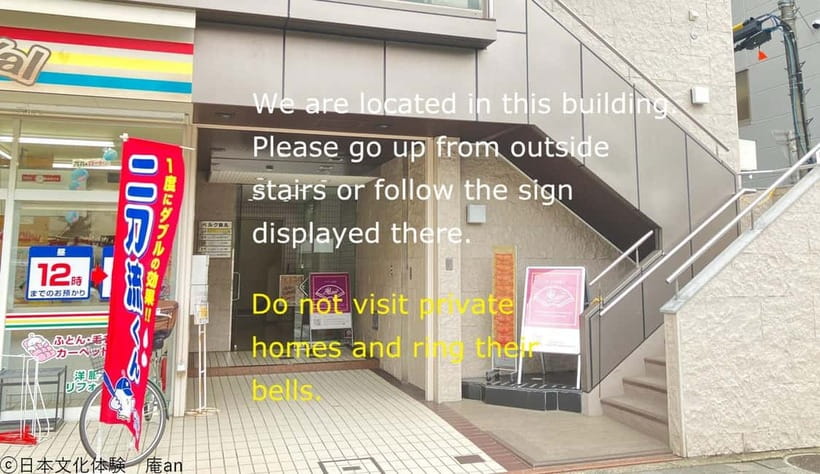
The activity has a relaxed pace, but it is still a scheduled class. The provider cannot hold the event for late arrivals, so make your way to the meeting point with time to spare. The entrance faces Gojo-dori, the main street, and is a one-minute walk from Exit 1 of Gojo Station on the Karasuma subway line.
Is $11 good value?
At $11 per person, this is a fairly low-cost way to try a traditional Kyoto food craft. The price includes the nerikiri-making experience, with two sweets to shape and eat. You are paying for a short guided activity and the chance to work with bean paste from established Kyoto shops, rather than for a meal or a take-home product.
The value is strongest if you want to do something hands-on and local without giving up much of your day. You get two different designs, seasonal variation, time for photos, and a chance to taste what you have made. The short format also limits the risk of booking an activity that takes over an entire afternoon.
Keep the extras in mind when comparing the cost. A take-out box is ¥100, an experience completion certificate is ¥300, and tatedashi matcha is ¥500. None is included in the stated price. If you want a more complete tea-and-sweets moment, matcha is an optional addition, but the activity itself does not require it.
More Kyoto tours in Kyoto:
- PERFECT KYOTO 1-Day Bus Tour
★ 5.0 · 13,518 reviews - Kyoto: Fushimi Inari, Kinkakuji, Bamboo Grove 1 Day Bus Tour
★ 4.8 · 4,316 reviews - Kyoto: Tea Ceremony in a Traditional Tea House in Kiyomizu
★ 4.9 · 3,519 reviews - Kyoto Geisha Walking Tour: Gion District & Hidden Gems
★ 4.7 · 3,273 reviews
Getting there, access, and booking details
The meeting point is near Gojo Station in Kyoto, on Honshu. From Exit 1 of the Karasuma subway line, it is about a one-minute walk. Look for the entrance facing Gojo-dori. The provided map coordinates are 34.99641932143154, 135.76180263178597.
The operating hours are 10:00 to 17:00. Reservations received after 17:00 are processed the next day, so do not expect an evening inquiry to receive an immediate response. Starting times depend on availability.
The activity is marked wheelchair accessible, but there is no elevator in the building and stairs are needed to reach each venue. Those details may affect whether the route works for you, so contact the provider before booking to clarify what access is possible for your needs.
You can cancel up to 24 hours in advance for a full refund. The provider also states that cancellation fees apply in other circumstances, and that a change of date or time after a fee has been incurred can bring an additional specified charge. Check the terms that apply to your booking before making changes.
Children under two who sit on a parent’s lap are free. People who are not taking part in the experience are not allowed to enter, so this is not a place to wait with a companion who is sitting out.
Who should book this workshop?
I would consider this class if you are curious about Japanese sweets, enjoy small creative activities, or want a low-key Kyoto experience between bigger sightseeing plans. The two designs and the chance to eat your work make it more engaging than a demonstration alone, while the 65-minute duration keeps the commitment modest.
It also makes sense for a parent and child who can both take part. The workshop is described as suitable for most ages and skill levels, and the lap-child exception applies only to children under two. If you are traveling with a child who wants to make something with their hands, this could be a pleasant shared hour.
Think twice if you need detailed English instruction, want to learn a precise recipe, or have mobility needs that make stairs difficult. In those cases, ask the provider specific questions before paying. The class promises an introduction and guided making, but it does not promise a written recipe or full English-language teaching.
Should you book it?
Book this if you want to make and taste two seasonal Kyoto sweets in a short, affordable class. The local bean paste, two distinct designs, and eat-on-the-spot finish give the experience a clear purpose. Go in expecting a relaxed introduction, not a technical pastry course, and confirm language and access details if they matter to you.
FAQ
How long does the nerikiri workshop last?
The full experience lasts 65 minutes. The making and photo portion ends at about 55 minutes, followed by time to eat the sweets.
What sweets will I make?
You will make two seasonal nerikiri: a flower-shaped sweet and a kinton nerikiri. The specific seasonal designs may vary.
Can I eat the sweets at the venue?
Yes. There is time to eat the sweets you make at the venue. A take-out box is available for ¥100 if you want to carry them away.
Where is the meeting point?
It is a one-minute walk from Exit 1 of Gojo Station on the Karasuma subway line. The entrance faces Gojo-dori.
What language is the instruction in?
The instructor speaks Japanese. English translation is provided as much as possible. Contact the provider if you need to know what language support can be arranged.
Is the workshop wheelchair accessible?
The activity is marked wheelchair accessible, but the building has no elevator and stairs are needed to reach each venue. Contact the provider to clarify access for your needs.
What is included in the price?
The stated price includes the nerikiri-making experience. A take-out box, completion certificate, and tatedashi matcha cost extra.
Can children take part?
The activity is described as suitable for most ages and skill levels. Children under two who sit on a parent’s lap are free, and people who are not participating cannot enter.
Can I cancel for a full refund?
You can cancel up to 24 hours in advance for a full refund. Cancellation fees may apply outside that period, so check the terms for your booking.
Newly added in Kyoto
- Uji: Private immersion into Kyoto’s tea and reglious culture★ 5.0 · 17 reviews
- Whisk Your Own Matcha: A Zen Matcha Experience at Temple★ 3.6 · 7 reviews
- Kyoto tea town for matcha lovers★ 5.0 · 16 reviews
- Treasures of Kyoto: Gion & historical Walking Tour★ 5.0 · 6 reviews
- Kyoto Matcha Green Tea Tour★ 4.5 · 23 reviews
- Uji and Wazuka Matcha Farm Half Day Private Guided Tour★ 5.0 · 21 reviews
- Uji Tea Ceremony and UNESCO Heritage Walking Tour★ 5.0 · 20 reviews
- Utilising upcycled Matcha! Creating matcha incense (Uji, Kyoto)★ 5.0 · 6 reviews
Kyoto Cooking Classes, compared.

Ramen Cooking Class at Ramen Factory in Kyoto
Read our review →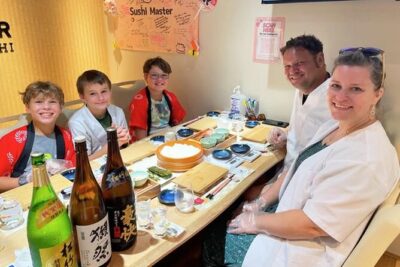
Sushi Making in Kyoto! Same-day bookings welcome!
Read our review →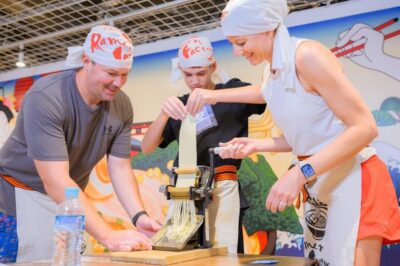
Ramen Cooking Class at a Ramen Factory with Souvenir
Read our review →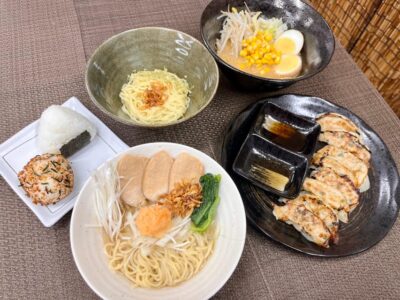
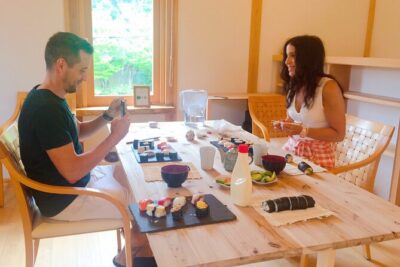
The Original Small-Group Sushi Making Class in Kyoto
Read our review →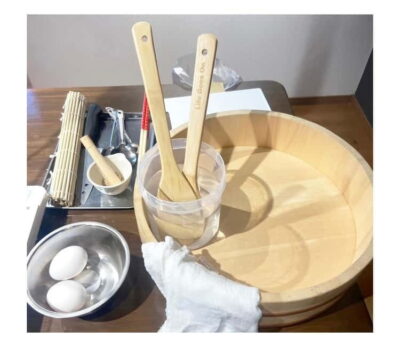
Japanese Washoku Bento Small Group Cooking Class
Read our review →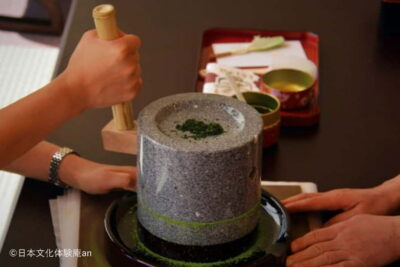
Japanese Traditional Sweets Making and Tea Ceremony
Read our review →
Kyoto Ramen and Gyoza Cooking Class with Professional Chefs
Read our review →Browse the lists this tour appears in