

Reviewed · MUSEUMS
Kyo-arashi Shibori Scarf Class at Kyoto Shibori Museum
A scarf can be more than a souvenir when you help make its pattern yourself. At Kyoto Shibori Museum, you’ll learn its Kyo-arashi method, using a tube and string to resist dye, then leave with a one-of-a-kind scarf and a clearer sense of how the pattern is made.
I like two things here: the workshop pairs hands-on craft with a small museum visit, and the group is limited to eight, so there’s room for clear instruction. One consideration: the class lasts about an hour, so this is a short introduction, not a long course in every shibori technique.
The useful details at a glance
- Make a Kyo-arashi scarf: Use a tube-and-string resist method to create a designed pattern.
- Visit the museum as part of the class: Workshop participants receive admission that normally costs 1,000 yen.
- Explore while your scarf dries: See shibori artworks, examples, and tools used in the process.
- Keep the group small: The class is limited to eight people, with instruction in English or Japanese.
- Fit it around Nijo Castle: The museum is a five-minute walk from the castle.
- Shop for textiles and souvenirs: The museum shop carries original items, fabrics, and other shibori-related pieces.
Making a scarf with Kyoto’s Kyo-arashi method

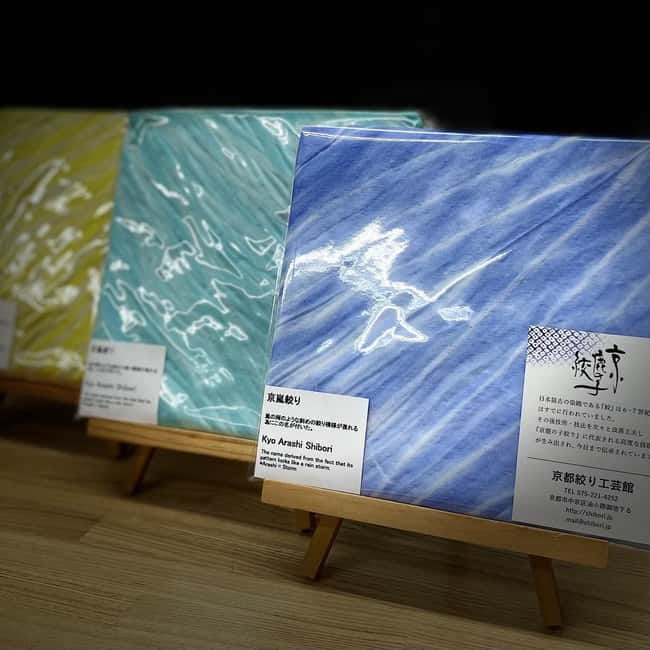
The central appeal is simple: you don’t just look at shibori, you try one particular way of making it. The museum’s Kyo-arashi style uses a tube and string to resist dye, creating patterned areas in the finished scarf. The design is meant to be highly patterned, so this is a good choice if you want a textile with a clear visual effect rather than a plain, uniformly colored souvenir.
Shibori is a family of resist-dyeing methods. The general idea is that parts of the fabric are protected from dye, producing contrast and pattern. In this class, the tube and string are the tools used for that process. You’ll learn how to make your own scarf, with an instructor guiding the activity in English or Japanese.
The class is described as lasting 30 to 60 minutes, while the overall activity duration is one hour. That gives you a practical expectation: this is a compact introduction, not a full-day workshop. If you’re curious about Japanese textile craft but don’t want to give up half a day, the length is a strength. If you hope to study multiple techniques in detail, this class may feel brief.
The small-group cap of eight is also useful. Craft instruction can be hard to follow when you’re crowded around a demonstration, and a small class makes it easier to hear directions and ask for help. A past participant identified the instructor as Hero and praised the clear instructions. The available details don’t promise that Hero leads every session, so think of that name as a helpful reference, not a guarantee.
More museum visits in Kyoto:
- Kyoto: Tea Museum Tickets and Matcha Grinding Experience
★ 4.9 · 739 reviews - Skip the lines Basic Ticket at SAMURAI NINJA MUSEUM KYOTO
★ 4.5 · 632 reviews - Kyoto : Geiko Maiko Dance of Kyoto & Visits of Gion Museum
★ 4.6 · 415 reviews
A short class, followed by time among the exhibits
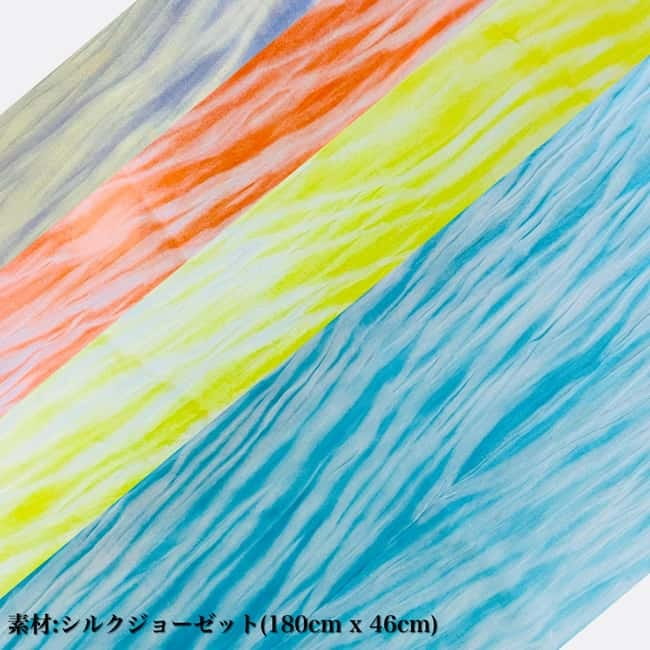
The visit has two parts: making your scarf and exploring the museum while it dries. That second part gives the hour more substance than a craft lesson alone. Instead of waiting around, you can look at finished shibori works, sample pieces, and tools used in the process.
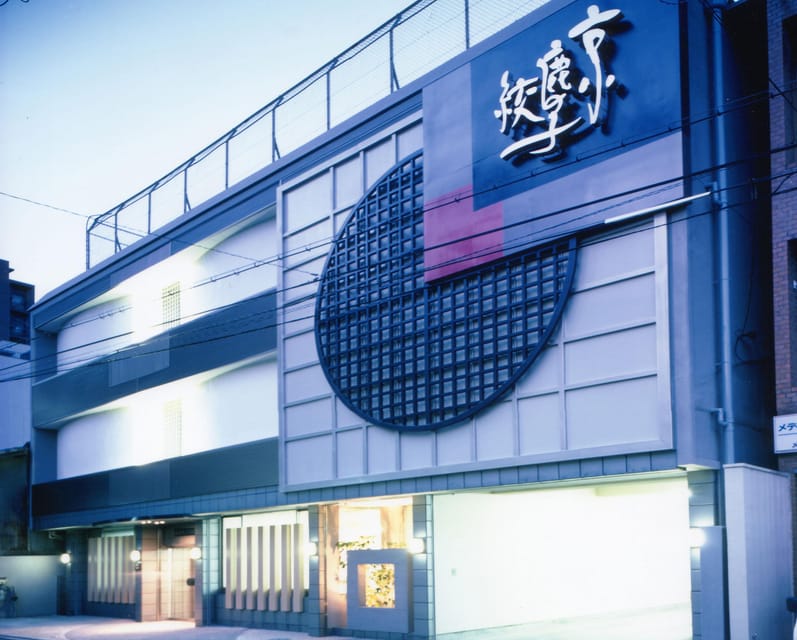
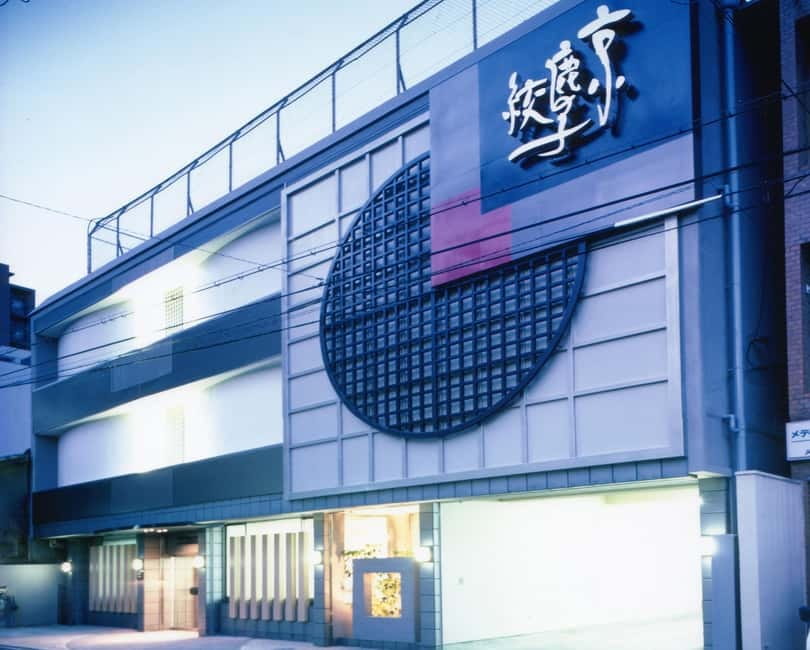
The museum opened in 2001 and focuses on shibori. Its displays offer a chance to see how varied the results can be, from examples that demonstrate technique to finished works made with the craft. The tools matter, too. They help connect the pattern you’re making with the hands-on methods behind it, rather than leaving shibori as a pretty effect with no explanation.
A video about shibori art is also part of the experience, according to a past class participant. It can add context to the objects on display, particularly if you’re new to the craft. The museum aims to introduce shibori to a wider audience, and the combination of works, tools, and instruction makes that aim easy to understand.
There’s a practical limit to what a one-hour visit can teach. You’ll get an introduction to one approach and a look at selected museum displays, not an exhaustive account of shibori or its history. Go in expecting a focused sampler. That is enough to make the activity rewarding, especially if you’re interested in seeing how a patterned textile comes together.
The scarf is the souvenir, not just the lesson
Many craft classes offer a pleasant hour, then send you home with a small item that could have come from any shop. Here, the point is that you make your own scarf using the museum’s technique. The finished pattern is tied to the steps you’ve just learned, which gives it a personal value that a purchased souvenir can’t quite match.
The process also gives you a better eye for the finished pieces on display. Once you’ve tried a resist method, you can look at a patterned scarf and consider how its shapes might have been formed. You won’t leave as an expert, but you’ll have a more concrete sense of the relationship between technique and design.
The class is a good fit for couples, friends, or a small group who want to do something together without committing to a long activity. One past participant specifically found it suited a group or a couple of friends. It also works well for someone who likes museums but wants more than a walk through display cases.
Keep expectations sensible about the finished object. The experience offers a chance to create a stylish scarf, but the supplied details don’t specify the scarf’s size, fabric, exact colors, or how much control you have over the final pattern. If you need a particular color or material, check with the provider before booking rather than assuming you can choose it.
What the $49 price includes
At $49 per person, the cost covers a one-hour workshop and admission to Kyoto Shibori Museum. The museum’s usual admission is 1,000 yen, so the included visit has real value, especially if you planned to see the museum anyway. You’re paying for an activity as well as access to the displays, not simply for a ticket to look around.
The strongest value is the combination. You get an introduction to a traditional textile technique, instruction in a small group, a scarf you make yourself, and time among artworks and tools while it dries. That is a more rounded visit than either a brief museum stop or a stand-alone craft activity.
Still, this is not the cheapest way to visit a museum, and the short duration means you should value the hands-on component. If your priority is only seeing the exhibits, compare the workshop price with the museum’s standard 1,000-yen admission. If you want a creative activity and a chance to understand the craft by trying it, the added cost is easier to justify.
The museum shop offers original items, souvenirs, fabrics, and accessories. It gives you a chance to see shibori applied to pieces beyond your class scarf, and perhaps find a finished item to take home. Buying something is optional, of course. The shop is best treated as a useful final stop, not part of the workshop fee.
More Kyoto tours in Kyoto:
- PERFECT KYOTO 1-Day Bus Tour
★ 5.0 · 13,518 reviews - Kyoto: Fushimi Inari, Kinkakuji, Bamboo Grove 1 Day Bus Tour
★ 4.8 · 4,316 reviews - Kyoto: Tea Ceremony in a Traditional Tea House in Kiyomizu
★ 4.9 · 3,519 reviews - Kyoto Geisha Walking Tour: Gion District & Hidden Gems
★ 4.7 · 3,273 reviews
Pair it with Nijo Castle, not a packed schedule
Kyoto Shibori Museum is a five-minute walk from Nijo Castle, making the class easy to pair with a visit there. You can build a day around the two without needing a long transfer between them. The workshop itself is short enough to fit into a broader sightseeing plan, though it’s worth leaving breathing room rather than trying to rush from one timed activity to another.
The location is particularly handy if you’re already exploring the area. You can visit the castle, take the class, or reverse the order to suit your schedule. The museum’s specific proximity is a useful planning detail, but the supplied information does not give a street address, transit directions, or recommended order of visits. Check the meeting location and route when arranging your day.
A one-hour class is also a good counterpoint to sightseeing that involves a lot of walking and looking. You’ll spend part of the visit making something with your hands, then shift to viewing the museum displays. It’s a modest change of pace, not a full retreat from the city.
Who will enjoy this class most
I’d recommend this for anyone curious about Japanese textiles who wants to do more than browse a shop. It’s especially suitable if you value making a souvenir yourself, enjoy learning a practical skill, or want a small-group activity that fits into a day near Nijo Castle.
It should also suit first-time visitors to shibori. The class focuses on one method, and the museum adds examples and tools that help put the craft in context. English and Japanese instruction make it accessible to a range of visitors, though the experience is short enough that it’s best to arrive ready to follow a focused lesson rather than expecting a broad lecture.
Families may find it appealing if the people in the group enjoy hands-on activities, but the available details don’t specify age limits or child suitability. Check with the museum before booking for younger participants. The same applies if you have a particular need related to the class setup: no accessibility details are provided.
If you’re mainly interested in buying finished textiles, the shop may be enough, and the class may not be worth the extra spend. If you want to understand a little of how shibori works and leave with a scarf you made, the workshop has a clear reason to be on your itinerary.
A few practical points before you book
The class is limited to eight participants, and instruction is offered in English or Japanese. The activity lasts one hour, with the scarf-making portion described as taking 30 to 60 minutes. Since the work dries during the visit, you’ll have time to look around the museum rather than simply waiting for the class to end.
Workshop participants receive museum admission, normally 1,000 yen. The experience costs $49 per person. You can cancel up to 24 hours in advance for a full refund, and the reserve-now, pay-later option lets you hold a place without paying at the time of booking. Starting times vary, so check availability for your date.
Should you book the shibori class?

Book it if you want a short, hands-on introduction to shibori, a scarf with a personal story, and museum displays in the same visit. The strongest reasons are the small group, the included admission, and the chance to see artworks and tools while your piece dries.
Skip it if your main goal is an in-depth textile course or simply a low-cost museum visit. For everyone in between, especially those already planning to see Nijo Castle, this is a practical way to make an hour in Kyoto more tactile and memorable.
FAQ
How long does the class take?
The activity lasts one hour. The scarf-making class itself is described as taking 30 to 60 minutes.
What technique will I learn?
You’ll learn the museum’s Kyo-arashi style, a shibori technique that uses a tube and string to resist dye and create patterns.
Is museum admission included?
Yes. Workshop participants receive free admission to Kyoto Shibori Museum. Standard admission is 1,000 yen.
What can I see while my scarf dries?
You can explore shibori artworks, sample pieces, and tools used in the process. A video about shibori art has also been part of the museum visit.
What languages are available?
Instruction is available in English and Japanese.
How large is the group?
The class is limited to eight participants.
Can I cancel for a refund?
Yes. You can cancel up to 24 hours in advance for a full refund.
Newly added in Kyoto
- Uji: Private immersion into Kyoto’s tea and reglious culture★ 5.0 · 17 reviews
- Whisk Your Own Matcha: A Zen Matcha Experience at Temple★ 3.6 · 7 reviews
- Kyoto tea town for matcha lovers★ 5.0 · 16 reviews
- Treasures of Kyoto: Gion & historical Walking Tour★ 5.0 · 6 reviews
- Kyoto Matcha Green Tea Tour★ 4.5 · 23 reviews
- Uji and Wazuka Matcha Farm Half Day Private Guided Tour★ 5.0 · 21 reviews
- Uji Tea Ceremony and UNESCO Heritage Walking Tour★ 5.0 · 20 reviews
- Utilising upcycled Matcha! Creating matcha incense (Uji, Kyoto)★ 5.0 · 6 reviews
Museums, compared.
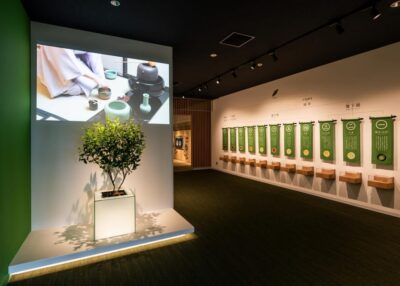
Tea Museum Tickets and Matcha Grinding Experience
Read our review →
Skip the lines Basic Ticket at SAMURAI NINJA MUSEUM KYOTO
Read our review →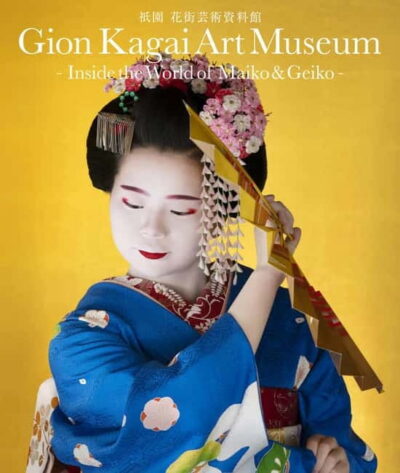
Geiko Maiko Dance of Kyoto & Visits of Gion Museum
Read our review →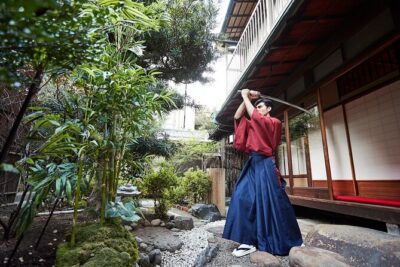
Kyoto Sword Experience – includes Museum Ticket/Ninja Experience
Read our review →

Ninja Experience (Family Friendly) at Samurai Ninja Museum KYOTO
Read our review →
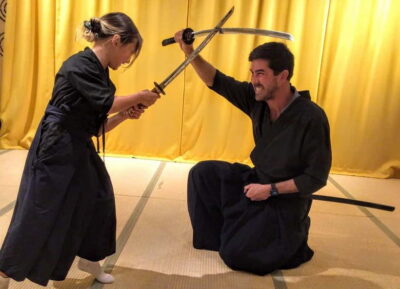
Family-Friendly Sword Lesson at Samurai Ninja Museum
Read our review →Browse the lists this tour appears in