Reviewed · KYOTO TOURS
Kyoto|10 miso & soup tastings, miso balls & light meal
Miso shelves can be bewildering: pale, dark, sweet, sharp, smooth, or chunky, with little guidance on what each jar will do in your soup. This 90-minute Kyoto workshop makes the choices easier to understand by letting you compare 10 kinds of miso and miso soup side by side.
I like two things in particular: the tasting turns regional differences into something you can actually taste, and making a miso soup pack gives you a simple way to use your favorite style at home. The small group, capped at five, also leaves room to ask questions.
One consideration: the instructor teaches in English and Japanese, but spoken English may not be equally easy to follow for every participant. And while the workshop includes a light meal activity, the listed exclusions say meals and drinks beyond the miso tasting are not included, so check what food is covered before you count on it as lunch.
- Ten comparisons in one sitting: Taste miso pastes and soups to notice how color, fermentation, and regional tradition shape flavor.
- A simple take-home skill: Choose a favorite miso and make a miso soup pack, also called a miso ball.
- More than a tasting: Prepare and enjoy a light meal together using miso in different ways.
- Beginner-friendly teaching: A short introduction, visual tools, and a quiz set the scene without assuming cooking experience.
- A small central Kyoto class: Up to five participants meet within walking distance of several stations.
- Dietary needs can be planned for: Vegan, vegetarian, gluten-free, halal-friendly, and allergy-related requests can be accommodated with advance notice.
Why tasting ten misos changes the way you shop
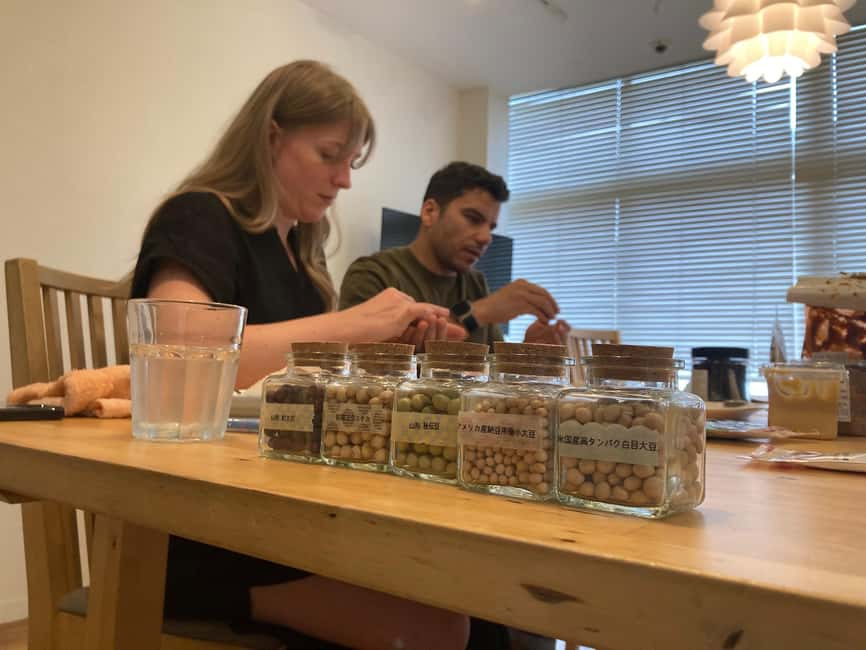
Miso is a staple of Japanese home cooking, but it is not one single flavor. The differences can be striking, and a label or color alone may not tell you what a particular paste will taste like. This workshop gives you the useful shortcut: sample several styles in sequence, then compare them while the contrasts are fresh.
The session covers how miso is made, its history and regional varieties, what color differences can mean, and how fermentation affects flavor. You do not need to arrive with any background in Japanese food. The instructor starts with an interactive introduction, including a quiz and visual materials, so basic terms and ideas have some context before you begin tasting.
That order matters. A tasting without explanation can be pleasant but hard to remember. Here, you get a framework for noticing differences in aroma, richness, and balance. You can ask questions as you go, which is useful if you want to connect what you taste with how you might cook with it later.
The instructor is Hasumi, who leads the workshop in English and Japanese. One practical note: a participant had difficulty following some spoken English, so if detailed explanations are important to you, be ready to ask for clarification or repeat a question. A friendly, responsive teaching style is part of the experience, but language comfort can vary.
Ten misos, then ten chances to rethink soup
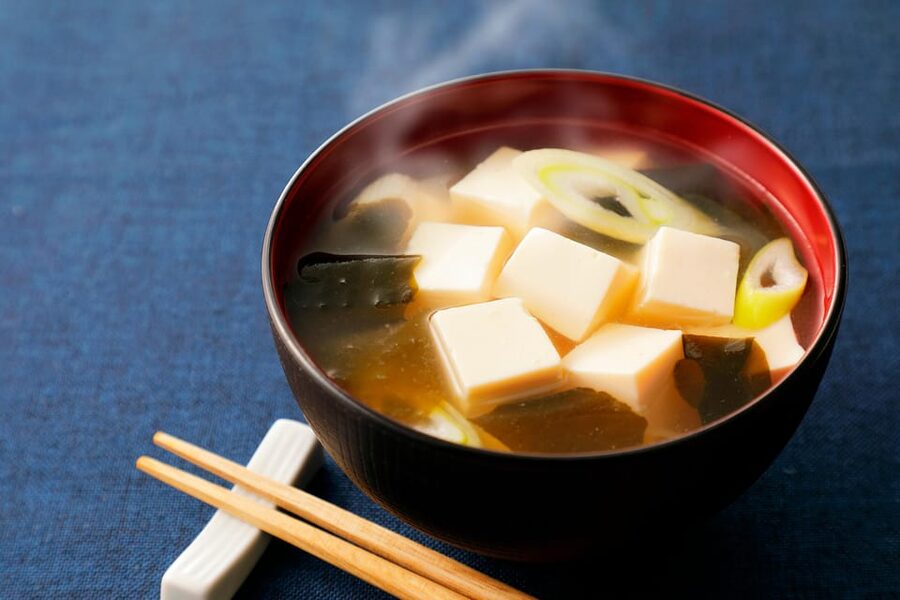
The main event is a guided tasting of 10 kinds of miso and miso soup. You compare the pastes first, then taste them prepared with hot water as soup. That second step is especially helpful. A miso that seems strong on its own may feel different once it is diluted, and you can decide which style works best as a bowl of soup rather than judging only from a spoonful of paste.
The side-by-side format makes regional and fermentation differences easier to grasp. Instead of hearing that one variety is milder or fuller, you can test the claim yourself. The tasting also gives you a better sense of what you like: perhaps a gentler soup, perhaps a deeper, more assertive flavor. The workshop is not a shopping tour, but it can help you make more confident choices when you face a wall of miso at a grocery store.
Take your time with the comparisons. Notice how the aroma changes, how much saltiness you perceive, and whether the finish feels light or lingering. You are not expected to identify every variety or memorize a list. The point is to build a personal reference, so you leave knowing more clearly what suits your palate.
The quantity of tasting is a real strength, though it also sets expectations. This is a focused session about miso, not a broad survey of Kyoto cuisine. If you already enjoy Japanese food or fermentation, the detailed comparisons should be the main draw. If you are looking for a full meal or a general cooking class, this may be too narrow.
More Kyoto tours in Kyoto:
- PERFECT KYOTO 1-Day Bus Tour
★ 5.0 · 13,518 reviews - Kyoto: Fushimi Inari, Kinkakuji, Bamboo Grove 1 Day Bus Tour
★ 4.8 · 4,316 reviews - Kyoto: Tea Ceremony in a Traditional Tea House in Kiyomizu
★ 4.9 · 3,519 reviews
Make a miso ball you can prepare with hot water
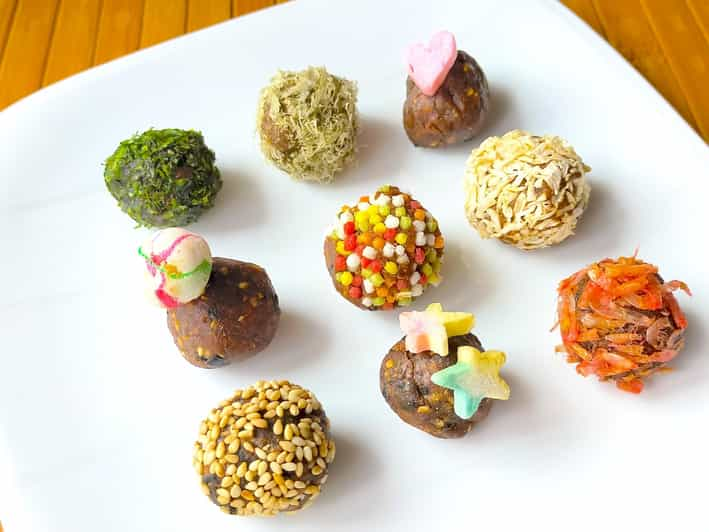
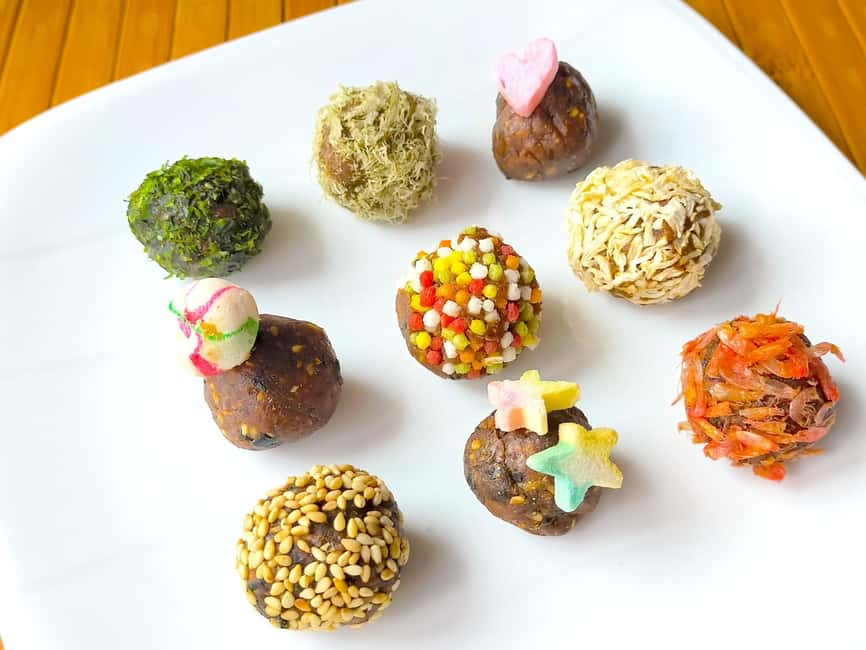
After tasting, you choose your preferred miso and make a miso ball, a portioned soup pack that can be turned into soup by adding hot water. You can choose your own toppings for the miso balls, giving the activity a small creative element without requiring complicated knife work or cooking skills.
This is a practical part of the workshop. Miso balls offer a simple way to prepare a quick bowl at home, and making one yourself ties the tasting to an everyday use. You have just compared a range of flavors, so choosing a favorite is not an abstract exercise. You have a clear reason for selecting it.
The activity is intentionally accessible. You do not need to know how to cook, and the steps are simple enough for beginners. It is also a useful reminder that miso is not limited to one fixed recipe. The soup you make depends on the paste, the toppings, and the ingredients you pair with it.
The class includes making a miso soup pack, but the details of packaging and how much you take away are not specified. Think of it primarily as a hands-on lesson in a practical preparation method, rather than a promise of a substantial souvenir.
A light meal shows miso beyond the soup bowl
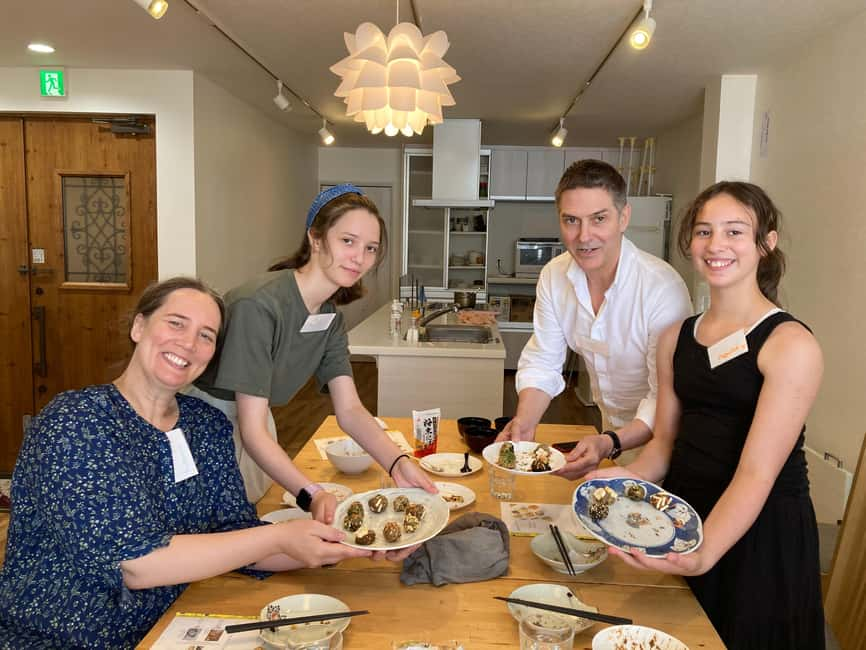
The final portion is a shared, hands-on meal using miso in several simple forms. You prepare and enjoy food together, seeing how the same ingredient can behave differently depending on what it is paired with and how it is prepared. That broadens the lesson beyond the soup tasting and gives you ideas for using miso in everyday cooking.
The meal is described as light, so it is best treated as a tasting and workshop finish, not a guaranteed replacement for lunch. There is also a wording point worth checking before booking: the experience describes preparing and enjoying a light meal, while the exclusions list says meals and drinks other than the miso tasting are not included. Ask the provider what the meal portion includes if that affects your plans or budget.
For food-focused visitors, this practical ending is valuable. You get to handle the ingredient, taste it in different forms, and connect the lesson to ordinary meals rather than leaving with only a set of facts. The pace is calm, and the group size means there should be room to follow the process without feeling rushed.
A five-person class in central Kyoto
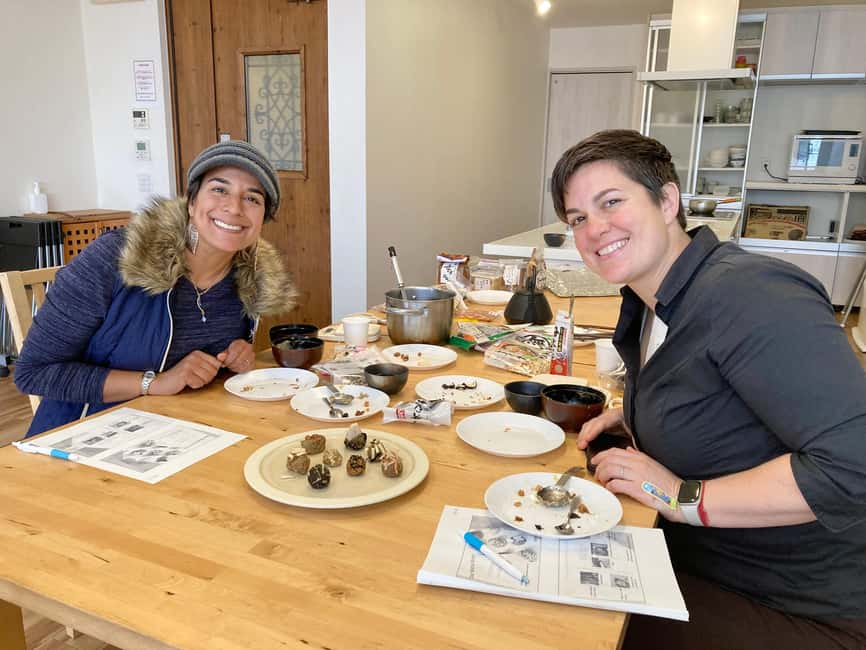
The workshop lasts 90 minutes and is limited to five participants. That is a good fit for an activity built around tasting and questions: you are not trying to hear a lecture across a crowded room, and the instructor can guide a small group through the comparisons.
The meeting point is on the third floor of an apartment building. Take the elevator to the third floor and ring the bell for 302. A Japanese restaurant is on the first floor, which can help you recognize the building. The venue is within a 10-minute walk of Shijo Station on the subway, Karasuma Station, or Omiya Station on the Hankyu line.
It is about a 15-minute walk from Nishiki Market and roughly 30 minutes by train or bus from Kyoto Station. That makes it straightforward to fit into a central Kyoto day, though it is not right beside Kyoto Station. Allow time to find the entrance and get upstairs, especially if you are unfamiliar with the neighborhood.
Bring water and wear comfortable clothes. The workshop does not list special equipment or prior preparation, so you can arrive ready to taste and take part. Transportation to and from the venue is not included.
Same city, a different side of it:
- Kyoto Geisha Walking Tour: Gion District & Hidden Gems
★ 4.7 · 3,273 reviews - Kyoto: Tea Ceremony Ju-An at Jotokuji Temple
★ 4.9 · 3,207 reviews - Kyoto: Gion Magical Night Walking Tour with Geisha Trivia
★ 4.9 · 2,393 reviews - Kyoto: 45-Minute Tea Ceremony Lesson Experience
★ 4.3 · 2,378 reviews
Price, dietary requests, and who gets the most from it
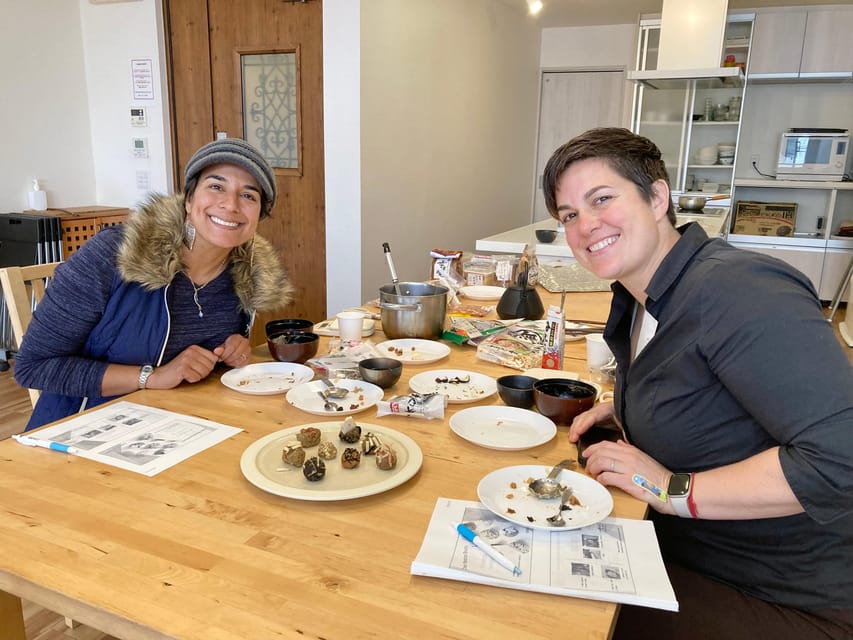
At $56 per person, this is a short, specialist food activity rather than a budget meal. The value comes from tasting ten varieties, getting an introduction to fermentation and regional styles, making a soup pack, and taking part in a light meal activity, all within a small group. If you are curious about miso or want a practical food experience between sightseeing stops, that is a lot of focused learning for 90 minutes.
The price is less compelling if you mainly want a filling lunch or a broad Japanese cooking lesson. The session is centered on one ingredient, and the meal is described as light. Clarify what food is included if you are comparing it with a restaurant meal or planning around dietary needs.
Advance notice is important for dietary requests. Vegan, vegetarian, gluten-free, halal-friendly, and allergy-related options can be prepared, but you should state your requirements when you reserve. If you have a serious allergy or several restrictions, spell them out clearly rather than relying on a general note.
This experience suits curious eaters, home cooks, and anyone who has wondered why miso varies so much from one jar to another. It also works well for beginners because there is no required cooking knowledge. If miso is not a particular interest, the narrow focus may feel less rewarding than a broader food tour.
Should you book this Kyoto miso workshop?
Book it if you want to understand miso through tasting, not just read about it, and if you like the idea of carrying one simple technique home. The ten-style comparison is the strongest reason to go, while the miso ball activity gives the tasting a useful, everyday payoff.
Think twice if you need a full meal, want a class with extensive English explanation, or prefer a wide-ranging introduction to Kyoto food. For the right person, though, this is an easygoing way to spend 90 minutes learning something specific and useful about Japanese cooking. Check the meal details and share any dietary needs in advance, then come ready to taste carefully.
FAQ
How long does the workshop last?
The experience lasts 90 minutes.
How many kinds of miso will I taste?
You will taste 10 kinds of miso and miso soup.
Do I need cooking experience?
No. The workshop is beginner-friendly and does not require prior cooking knowledge.
What will I make during the activity?
You will choose a favorite miso and make a miso soup pack, or miso ball, with your choice of toppings.
Is a meal included?
The workshop includes preparing and enjoying a light meal together. The stated exclusions say meals and drinks beyond the miso tasting are not included, so ask the provider what the light meal covers.
Can dietary restrictions be accommodated?
Yes. Vegan, vegetarian, gluten-free, halal-friendly, and allergy-related requests can be accommodated with advance notice.
What languages does the instructor speak?
The instructor teaches in English and Japanese. If you need detailed explanations in English, you may want to ask for clarification as needed.
Where is the meeting point?
The activity is in central Kyoto. Take the elevator to the third floor and ring the doorbell for 302.
How far is the venue from nearby stations and sights?
It is within a 10-minute walk of Shijo, Karasuma, or Omiya stations, about a 15-minute walk from Nishiki Market, and roughly 30 minutes by train or bus from Kyoto Station.
What should I bring?
Bring water and wear comfortable clothes.
Newly added in Kyoto
- Uji: Private immersion into Kyoto’s tea and reglious culture★ 5.0 · 17 reviews
- Whisk Your Own Matcha: A Zen Matcha Experience at Temple★ 3.6 · 7 reviews
- Kyoto tea town for matcha lovers★ 5.0 · 16 reviews
- Treasures of Kyoto: Gion & historical Walking Tour★ 5.0 · 6 reviews
- Kyoto Matcha Green Tea Tour★ 4.5 · 23 reviews
- Uji and Wazuka Matcha Farm Half Day Private Guided Tour★ 5.0 · 21 reviews
- Uji Tea Ceremony and UNESCO Heritage Walking Tour★ 5.0 · 20 reviews
- Utilising upcycled Matcha! Creating matcha incense (Uji, Kyoto)★ 5.0 · 6 reviews
Kyoto Tours, compared.

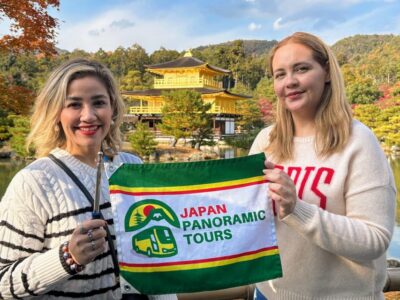
Fushimi Inari, Kinkakuji, Bamboo Grove 1 Day Bus Tour
Read our review →
Tea Ceremony in a Traditional Tea House in Kiyomizu
Read our review →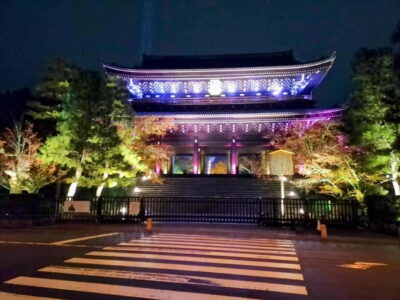
Kyoto Geisha Walking Tour: Gion District & Hidden Gems
Read our review →
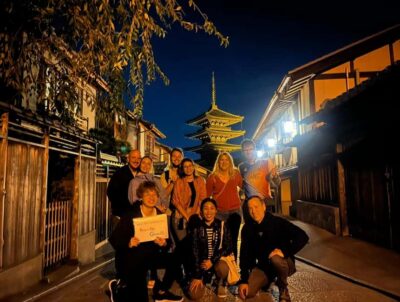
Gion Magical Night Walking Tour with Geisha Trivia
Read our review →