
Reviewed · FUSHIMI INARI TOURS
Kyoto Early Bird Tour in Uji and Fushimi Inari
Fushimi Inari’s red gates are a Kyoto icon, but this tour pairs them with two quieter Uji landmarks in one morning. You get a useful contrast: the shrine’s famous torii gates, Byodoin Temple’s celebrated Phoenix Hall, and the old wooden buildings of Ujigami Shrine.
I like the small group, capped at eight, which makes it easier to ask your guide questions, and I like that Byodoin admission is included. One practical catch: transport costs ¥390 per person extra, lunch is not included, and the tour ends at Uji Station rather than returning with you to Kyoto.
At a glance
- Three major stops: Fushimi Inari-taisha, Byodoin Temple, and Ujigami Shrine.
- Early-morning timing: The tour aims to reach the landmarks before the heavier crowds arrive.
- A small group: No more than eight participants, with an English-speaking guide.
- Byodoin entry included: You do not need to pay its admission fee separately.
- Plan for extra costs: Add ¥390 per person for transportation, and bring money for lunch if you need it.
A morning that links Kyoto and Uji
This tour is a good fit if you want to see more than one famous Kyoto-area sight without planning the connections and visits yourself. It begins at Kyoto Station and ends at Uji Station, so it is a one-way outing rather than a loop back to your starting point.
The advertised duration is about five and a half hours. The three visits are each listed at roughly an hour and a half, for about four and a half hours in total. The remaining time is not itemized, so treat the overall schedule as approximate and allow for the day to take up most of your morning.
The early start is part of the appeal. Fushimi Inari and Uji’s temple grounds can draw plenty of people, and arriving earlier is intended to give you a more peaceful visit than an afternoon outing. It cannot promise an empty path or a private temple, but it gives the group a better chance of seeing these places before the busiest part of the day.
More Fushimi Inari tours in Kyoto:
- Kyoto: Fushimi Inari, Kinkakuji, Bamboo Grove 1 Day Bus Tour
★ 4.8 · 4,316 reviews - Fushimi Inari Hidden Hiking Tour (Private Option Available)
★ 5.0 · 1,750 reviews - Kyoto/Osaka: Nara, Fushimi Inari Taisha, Arashiyama Bus Tour
★ 4.7 · 1,275 reviews
Fushimi Inari’s red gates
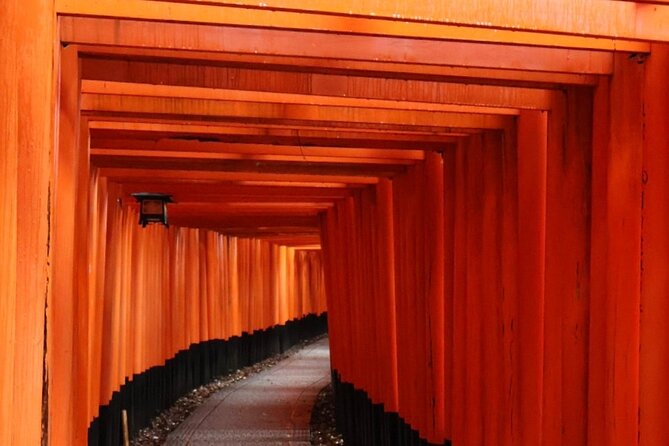
The first stop is Fushimi Inari-taisha, one of Japan’s best-known shrines. Its thousands of red torii gates create a striking passage through the shrine grounds, and the tour sets aside about 90 minutes here.
That is enough time to get a feel for the site and walk through a portion of its famous gates, rather than simply stopping for a quick photograph. The setting is distinctive even if you have seen pictures before: rows of red frames form a repeating corridor, turning a short walk into a memorable visual experience.
The tour description does not specify how far the group walks or how much of the shrine grounds it covers. If you are hoping to hike a long way up the mountain, ask the guide what the morning’s route includes. The listed visit is not a promise of a full mountain hike.
Early timing matters most here. The gates are a popular photo spot, and a quieter start can make it easier to look around without feeling pressed by a crowd. Still, this is a famous site, not a secret one. Keep your expectations practical: the benefit is a better chance at breathing room, not guaranteed solitude.
Byodoin Temple and its Phoenix Hall
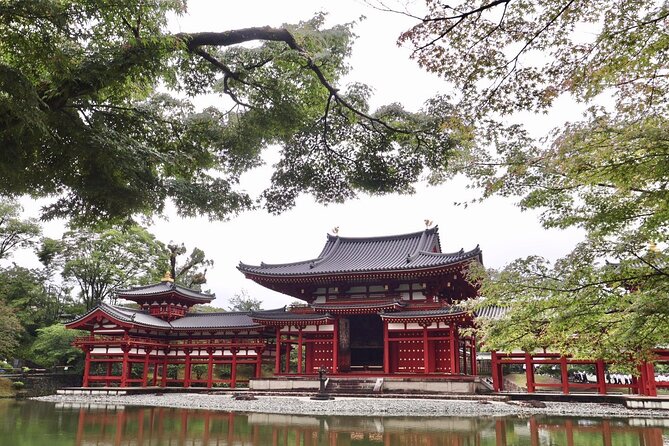
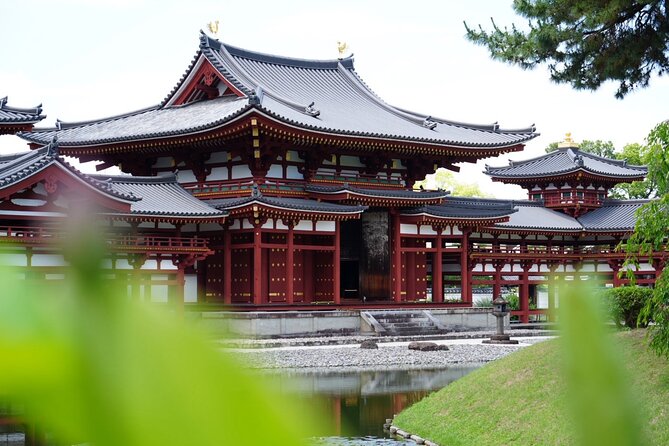
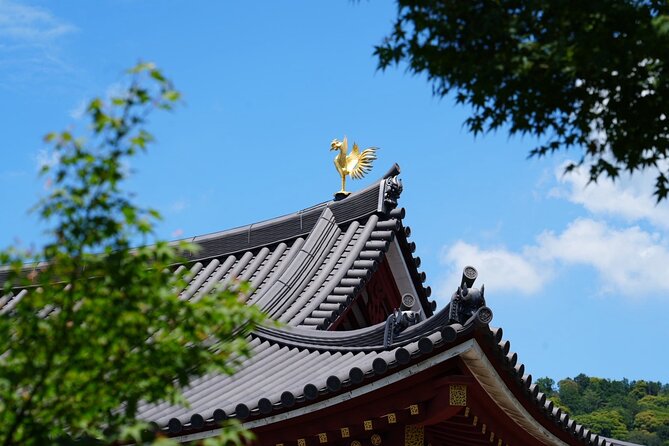
In Uji, Byodoin Temple is the tour’s major historic stop. It is a UNESCO World Heritage Site, and its Phoenix Hall is famously pictured on Japan’s 10-yen coin. If you have handled that coin, seeing the building itself gives the familiar image a real place and scale.
The tour allows about 90 minutes and includes the temple entrance fee. That is a meaningful convenience: admission is covered, and you do not need to stop and buy a separate ticket before entering. The temple’s Heian-period architecture is a particular draw, with the Phoenix Hall at the center of its appeal.
This stop gives the day a different mood from Fushimi Inari. Instead of moving through a long sequence of gates, you can take time to look at a carefully composed temple setting and hear how its design fits into Japan’s Buddhist tradition. The English-speaking guide can add context that is hard to get from a quick look alone.
The included fee helps justify the tour price, especially if you value having someone explain what you are seeing. Even so, admission is only one part of the cost. Remember the separate ¥390 transport charge, and do not assume lunch is included.
Ujigami Shrine’s quieter grounds
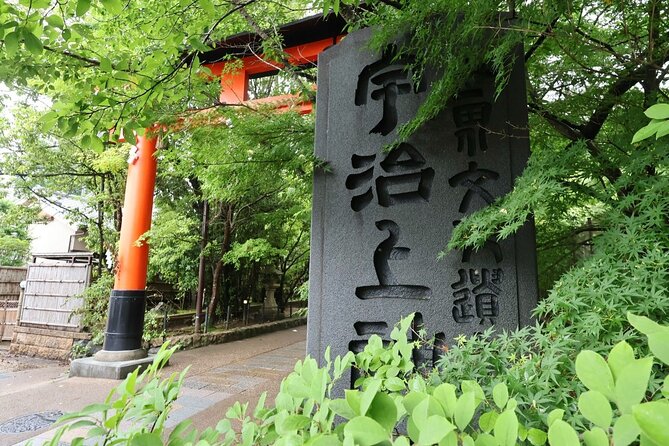
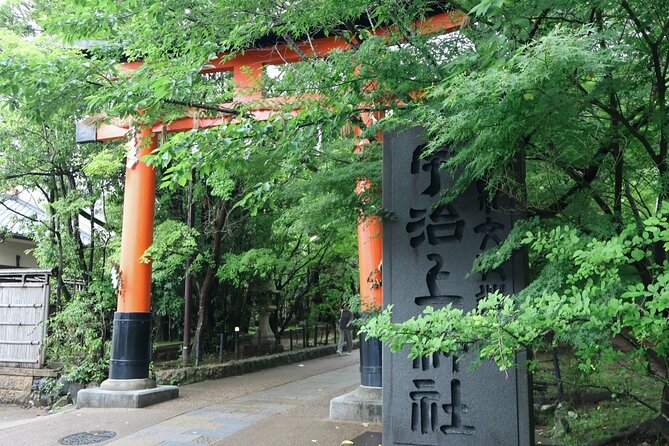
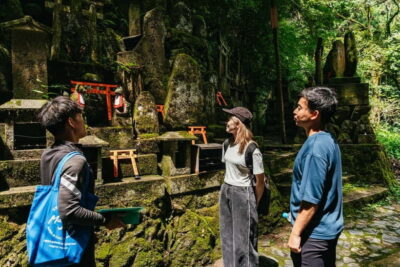
The final scheduled stop is Ujigami Shrine, described as Japan’s oldest standing shrine. It is a contrast to the grander, more widely recognized Byodoin: a peaceful setting with old wooden architecture and moss-covered grounds.
The tour allows about 90 minutes here as well. That gives you time to notice the details and let the visit feel less hurried. The shrine also adds useful variety to the day. You see a major Buddhist temple and a Shinto shrine, rather than spending the whole morning among sites of one religious tradition.
The grounds are described as a calm place in the heart of Uji. That does not mean the tour can guarantee a particular atmosphere on your date, but it is a good stop for slowing down after Fushimi Inari and Byodoin. If you like architecture and the feel of historic religious places, this may be the most quietly rewarding part of the route.
More Uji trips in Kyoto:
- World Heritage Kyoto & Nara Uji Authentic Matcha Experience
★ 5.0 · 1,573 reviews - Osaka: Nara and Uji Day Trip with Deer Park and Hot Spring
★ 4.4 · 302 reviews - Uji: Green Tea Tour with Byodoin and Koshoji Temple Visits
★ 4.8 · 72 reviews - Uji: UNESCO Heritage & Tea Ceremony Walking Tour
★ 4.6 · 54 reviews
A guide who can connect Shinto and Buddhism
The tour includes an English-speaking guide, and the group is limited to eight people. That small cap is one of its practical strengths. It should be easier to hear explanations, ask a question, or keep the group moving without the stop-and-start feel of a large tour.
Guide Genki is associated with especially clear explanations of the differences between Shinto and Buddhism. His style is described as warm and engaging, with enough information to make the distinctions understandable without overloading the walk with facts. If he is leading your date, that kind of context can help the three stops feel connected rather than like separate photo opportunities.
The guide’s name is not a guarantee that Genki will lead every departure. What is confirmed is an English-speaking guide, not a specific guide assignment. If having a particular guide matters to you, check before booking rather than assuming.
What the price covers, and what it does not
At $55.18 per person, this is a reasonable price for a guided half-day that includes entry to Byodoin Temple. The value is strongest if you want help making sense of the sites and prefer a small group to arranging the visits alone.
The price does not cover transportation, which costs ¥390 per person, or lunch. Those are modest but important details when you compare the tour with a self-guided morning. You will also need to account for the fact that the group finishes in Uji, not back at Kyoto Station.
For a solo visitor or anyone who wants historical and religious context, the guide and compact group may be worth more than the cost of admission alone. If you are comfortable navigating between the sites and prefer to set your own pace, you may find a self-guided visit more flexible. The tour’s value comes from combining the route, the guide, the early timing, and the included temple entry.
The Kyoto-to-Uji finish
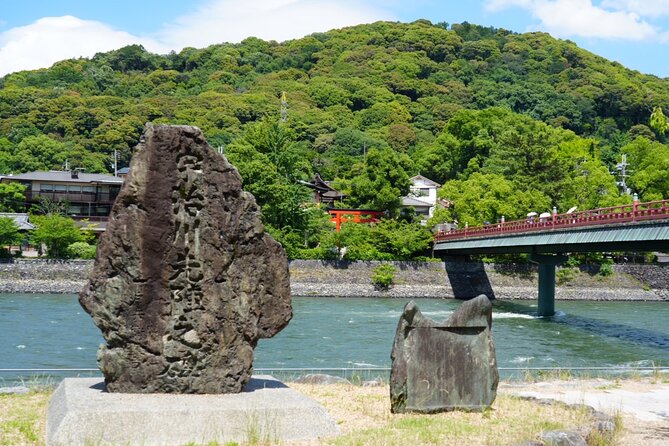
Meet at Kyoto Station and finish at Uji Station. This endpoint makes sense for a tour focused on Uji, but it requires a little thought if your plans are based in central Kyoto. The guide can help with directions for returning to Kyoto, but does not take the group back by train.
The listed transportation charge is ¥390 per person. Since transport is not included in the ticket price, bring a way to pay that additional amount and follow the guide’s instructions for the day. The tour details do not specify a particular train route or ticketing arrangement, so avoid assuming the group fare covers every journey.
Lunch is also on your own. The schedule is a morning tour of about five and a half hours, but the exact finishing time may vary. If you have a tight lunch reservation or another timed activity, leave room between plans.
The tour calls for a moderate level of physical fitness. You should be comfortable walking between and around three historic sites. The exact distance and route are not specified, so ask the operator if you need a clearer picture of the walking involved.
Who should book this tour?
I would consider this tour if you want to see Fushimi Inari and Uji in one morning, value a guide who can explain the religious and architectural context, and prefer a group small enough for questions. The included Byodoin entry and early timing make it especially appealing if you would rather spend your attention on the places than on planning every detail.
It may not suit you if you want a leisurely, unstructured day, plan to hike extensively at Fushimi Inari, or need to return to Kyoto with the group. The tour ends at Uji Station, and your onward journey is your own. For a focused introduction to three very different sites, though, it offers a useful balance of famous sights and a quieter shrine visit.
FAQ
How long is the tour?
The tour lasts approximately five hours and 30 minutes. Each of its three stops is scheduled for about 90 minutes.
Where does the tour start and finish?
It starts at Kyoto Station and ends at Uji Station. The guide can assist with directions back to Kyoto, but does not take the group back by train.
Which places does the tour visit?
The stops are Fushimi Inari-taisha Shrine, Byodoin Temple, and Ujigami Shrine.
Is Byodoin Temple admission included?
Yes. The Byodoin Temple entrance fee is included in the tour price.
Is transportation included?
No. Transportation costs ¥390 per person and is not included in the tour price.
Is lunch included?
No. Lunch is not included.
How large is the group?
The tour has a maximum of eight participants.
Can I cancel for a full refund?
Yes, if you cancel at least 24 hours before the experience starts. Cancellations made less than 24 hours before the start time are not refundable.
More early morning tours in Kyoto
- Kyoto Early Morning Tour with English-Speaking Guide
★ 5.0 · 1,427 reviews - Kyoto: Early Morning Tour with English-Speaking Guide
★ 4.9 · 1,128 reviews - Nara Early Morning Tour (Kyoto or Osaka Departure Available)
★ 5.0 · 676 reviews - Arashiyama Bamboo Forest & Hidden Gems Bike Tour (Early Bird)
★ 5.0 · 613 reviews
Newly added in Kyoto
- Uji: Private immersion into Kyoto’s tea and reglious culture★ 5.0 · 17 reviews
- Whisk Your Own Matcha: A Zen Matcha Experience at Temple★ 3.6 · 7 reviews
- Kyoto tea town for matcha lovers★ 5.0 · 16 reviews
- Treasures of Kyoto: Gion & historical Walking Tour★ 5.0 · 6 reviews
- Kyoto Matcha Green Tea Tour★ 4.5 · 23 reviews
- Uji and Wazuka Matcha Farm Half Day Private Guided Tour★ 5.0 · 21 reviews
- Uji Tea Ceremony and UNESCO Heritage Walking Tour★ 5.0 · 20 reviews
- Utilising upcycled Matcha! Creating matcha incense (Uji, Kyoto)★ 5.0 · 6 reviews
Fushimi Inari Tours, compared.

Fushimi Inari, Kinkakuji, Bamboo Grove 1 Day Bus Tour
Read our review →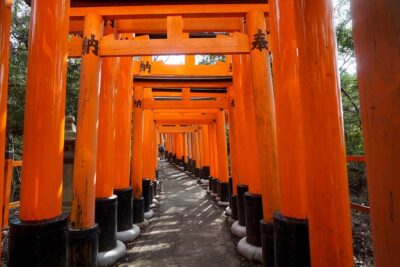
Fushimi Inari Hidden Hiking Tour (Private Option Available)
Read our review →
Nara, Fushimi Inari Taisha, Arashiyama Bus Tour
Read our review →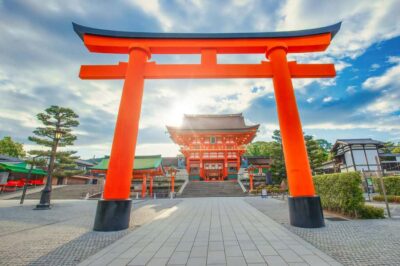
Arashiyama, Nara & Fushimi Inari Shrine w/Lunch
Read our review →
Nijo Castle, Kiyomizu & Fushimi Inari Guided Tour
Read our review →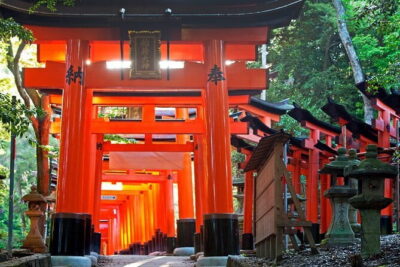
Nijo, Kinkaku-ji, Arashiyama, Kiyomizu & Fushimi Inari
Read our review →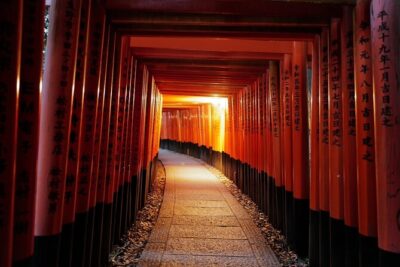
Browse the lists this tour appears in