
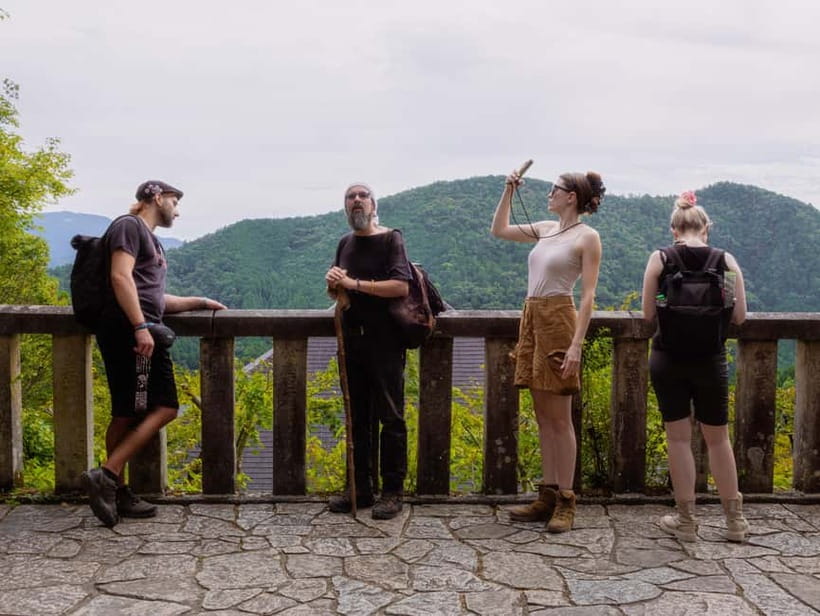
Reviewed · KYOTO HIKING TOURS
Kyoto: Hike and Hot Springs in Kurama
Kurama’s appeal is the contrast: you leave Kyoto by train and soon find yourself on a forest path below tall cedars, bound for a temple on a mountain ridge. I like that the outing links Kibune Shrine, the mountain trail, and Kurama Temple into one walk, rather than treating the temple as a quick stop.
I also like the choice waiting at the end: wander Kurama village, find lunch, or reward your legs with a bath at the hot spring. Guides including Philippe, Chris, Kevin, Salome, and Eric have led the tour, and their local stories are a big part of its appeal.
One caution: this is not a gentle stroll. Steep steps and a sustained climb call for decent fitness, and the heat can make the ascent harder. If you have mobility limits or little hiking experience, this is not the right outing.
- A mountain train ride takes you north from Kyoto through the hills toward the rural villages.
- A shrine-to-temple hike crosses forested slopes and includes a climb to Kurama Temple.
- Local stories add context about the shrines, temples, deities, and legends of the area.
- Kurama village is the finish, with time to eat, stroll, or take the train back on your own.
- The hot spring is optional and extra, but it is a welcome way to rest after the hike.
Leaving Kyoto for Kibune’s Mountain Air
Meet your guide at Demachiyanagi Station, Exit 7, in front of the Eizan Railway. The train ride out of the city is a pleasant part of the day, carrying you toward the wooded hills and small settlements north of Kyoto. It helps set the pace: this is a change of scene, not another city-center temple stop.
The journey is included in the tour’s transportation, while your return from Kurama to the meeting point is not. Keep that distinction in mind when budgeting and planning the rest of your day. The tour is listed at $80 per person and lasts four hours, so you get a guided half-day in the mountains, temple admission, and transport for the outward portion, but lunch and the bath cost extra.
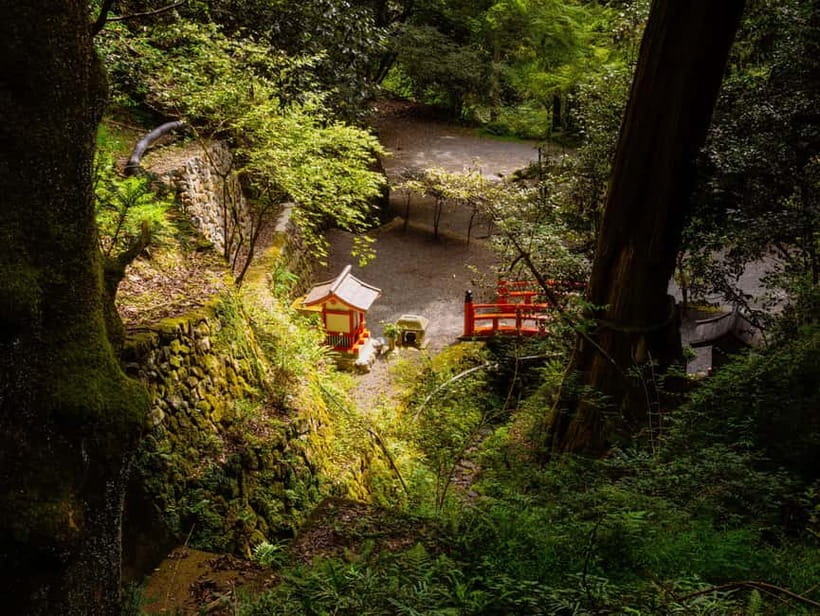
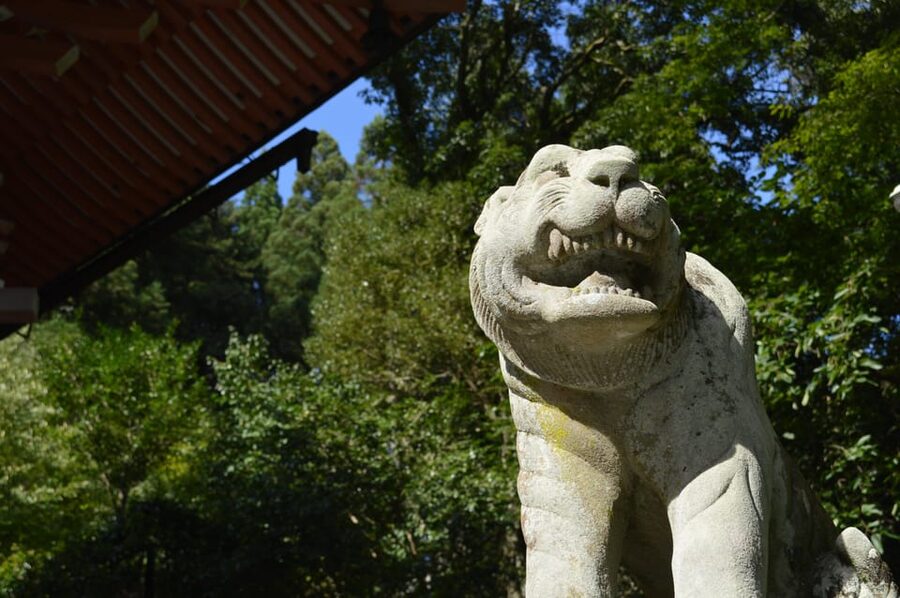
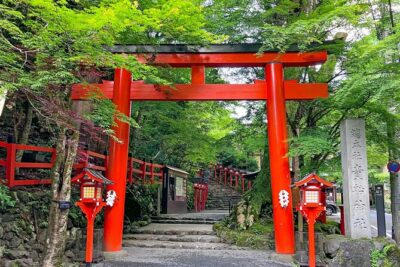
The route begins around Kibune, where the river and forest give the area a quieter feel than central Kyoto. Kibune Shrine is a good place to pause before the hike and make a prayer for good relationships. The shrine visit also offers a calm start before the more physical part of the outing.
Your guide can help make this transition meaningful rather than hurried. Guides have shared stories about local customs, temples, and deities, and some have added lesser-known places along the way. That personal context matters here: the mountain is not only a scenic backdrop, but a place with religious traditions and stories attached to it.
Climbing the Forest Trail to Kurama Temple
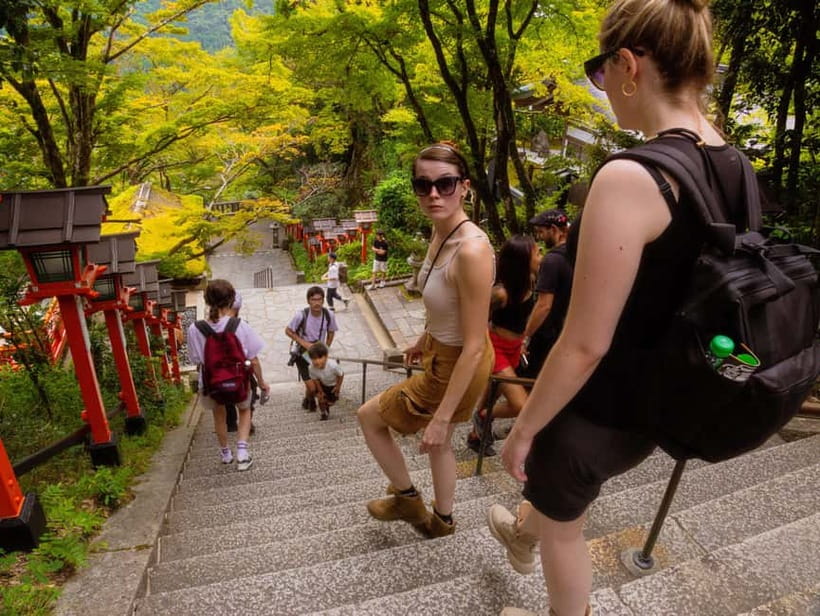
From the shrine, the trail heads uphill through the woods toward Kurama Mountain. Expect steps and a steady climb, not a flat woodland path. The summit can be reached in roughly 30 to 40 minutes of climbing, though the full hike includes stops and the route continues down toward Kurama village.
The pace may feel demanding if you do not hike often. One summer hiker found the heat made the climb tough, while another described the ascent as hard but manageable with breaks. That is useful guidance: take your time, drink water, and be honest with your guide about how you are feeling. The group can pause to recover and look around, but this is still a physical outing.
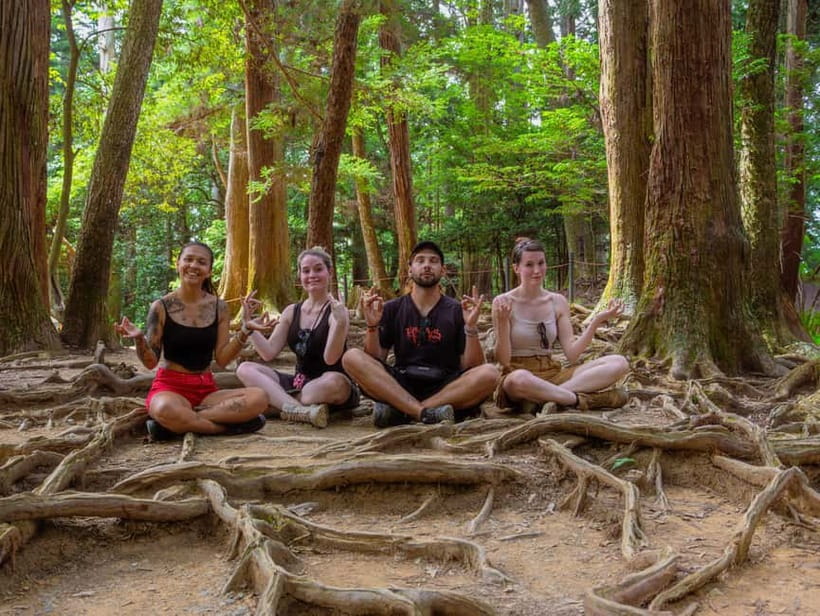
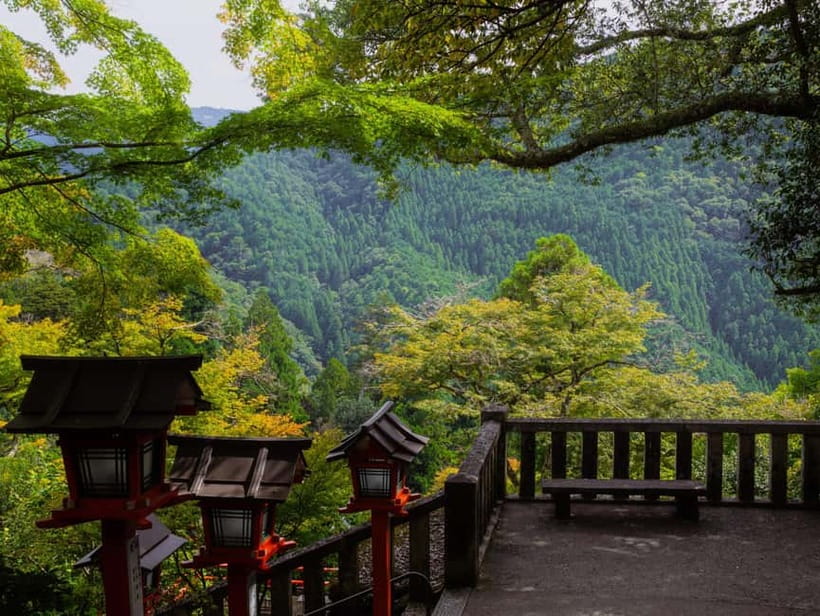
The forest is the heart of the experience. Towering cedars, fresh mountain air, and views over the valley make a sharp contrast with Kyoto’s streets and crowds. You may also spot wildlife; one group saw deer on the way up. That is a possibility, not a promise, so enjoy the woods for what they offer regardless.
Wear comfortable shoes with a solid grip, and bring water. Long pants are a practical choice if you want to reduce the chance of bug bites. In warm weather, the climb can feel harder than the distance suggests; in cooler months, the mountain air and changing conditions still call for sensible layers.
The trail’s character can vary with conditions and temple work. At one point, maintenance scaffolding obscured part of the temple exterior, though visitors could still go inside and ring a large bell on the hill. This is a reminder that a mountain visit is not a staged photo stop. Repairs, weather, and trail conditions can shape what you see on the day.
More hikes in Kyoto:
- Fushimi Inari Hidden Hiking Tour (Private Option Available)
★ 5.0 · 1,750 reviews - Kyoto: 3-Hour Fushimi Inari Shrine Hidden Hiking Tour
★ 4.9 · 270 reviews - Kyoto Hiking Tour: The Nature and Legends of Kurama and Kibune
★ 5.0 · 75 reviews
Kurama Temple, Legends, and Valley Views
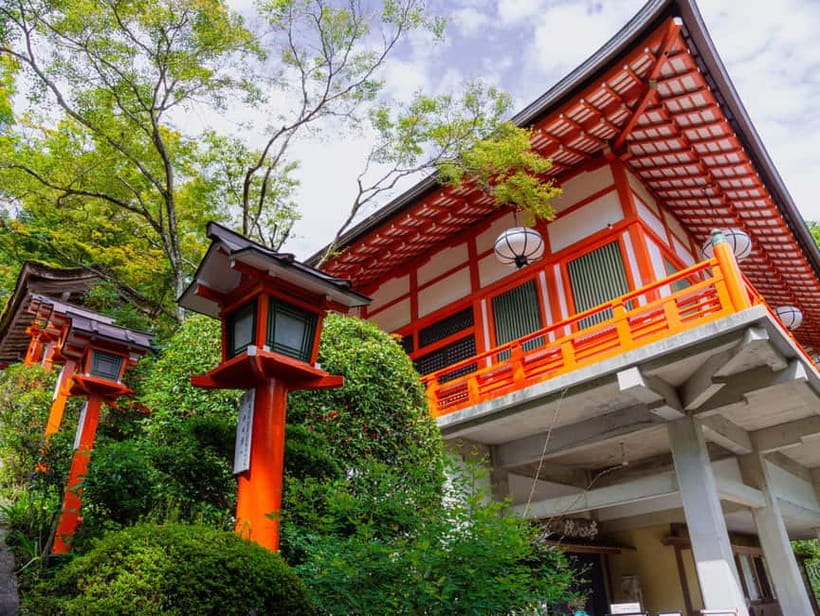
At the top, you visit Kurama Temple, a site regarded locally as a power spot. The temple and its setting give the climb a purpose beyond reaching a viewpoint. Your guide can explain the area’s religious and historical context, including the figures and legends connected with the mountain.
For travelers interested in Reiki, Kurama has particular meaning: one hiker with Reiki practice valued seeing the place associated with its origins. You do not need any special spiritual interest to appreciate the site, though. The mountain setting, temple grounds, and valley views offer a welcome pause after the ascent.
Allow yourself time here. A good guide can bring the place to life with details that are easy to miss if you visit alone. Philippe, for example, has been praised for taking groups to less familiar spots, and one private group was shown a crypt and maze beneath the temple. Those extras are not guaranteed on every outing, but they show how a small group or private format can leave room for a more tailored visit.
That flexibility is one of the tour’s strengths. A guide can adjust the pace and spend longer where the group is most interested, although the climb and the four-hour schedule still set limits. If you want a long temple visit or a slow day of meditation, a self-guided visit may suit you better.
Downhill to Kurama Village
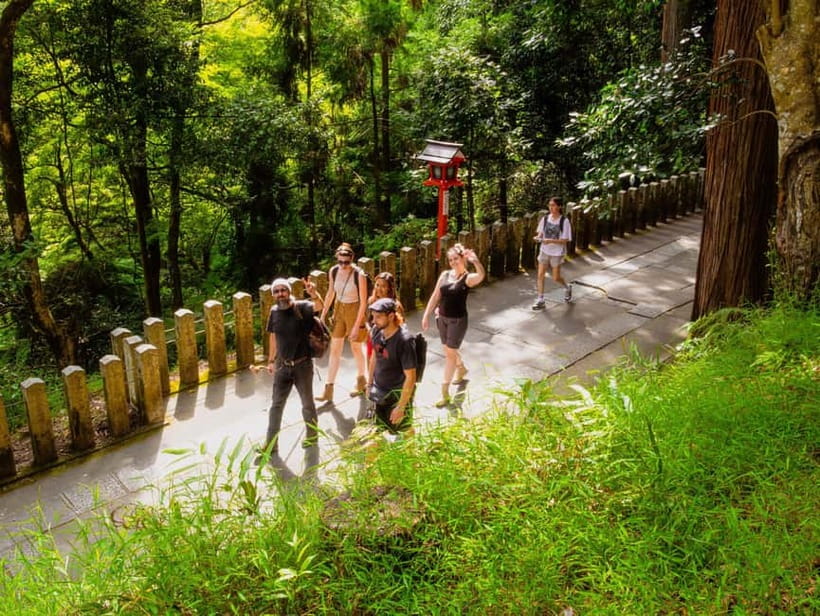
After the temple, the route descends toward Kurama. Going down can be easier on your breathing than climbing, but steps still ask for care and steady footing. Take your time, especially if your legs are tired. The outing is described as moderate, yet the climb and descent together make it more than a casual walk.
Kurama village is where the guided portion concludes. You can take a late lunch, stroll around, or head for the hot spring before making your way back to Kyoto by train. The village’s setting beside the river is part of the charm, and nearby restaurants offer a chance to sit down after the walk.
There is a practical point here: the four-hour tour does not include your return transportation to the meeting point. You are given guidance on the options at the end, but should plan for the train ride back and allow time for it. The finish is flexible rather than a guided return to central Kyoto.
Is the Hot Spring Worth the Extra Cost?
The Kurama Hot Spring is optional, and its fee is not included in the $80 tour price. A discounted bath ticket may be available through the operator. Check the current arrangement before you go, and bring enough time for a soak if you want to include it.
After a forest climb, a bath can turn a good half-day into a more restorative one. The outdoor bath is known for its mountain views, and the chance to relax in warm water is a natural counterpoint to the hike. One experienced hiker called it a must after the mountain walk; that enthusiasm makes sense, though the decision depends on your schedule and budget.
Do not assume that the hot spring is part of the guided four hours. The tour ends in Kurama with options, and you choose how long to stay. If you have a tight afternoon plan, you may prefer lunch and the train back. If you can spare the time, the bath is likely the most rewarding add-on.
A few more Kyoto experiences worth booking
- Osaka: Nara and Uji Day Trip with Deer Park and Hot Spring
★ 4.4 · 302 reviews - Guide tour of Japanese bathing culture at Funaoka Onsen
★ 5.0 · 15 reviews
What the $80 Price Gets You
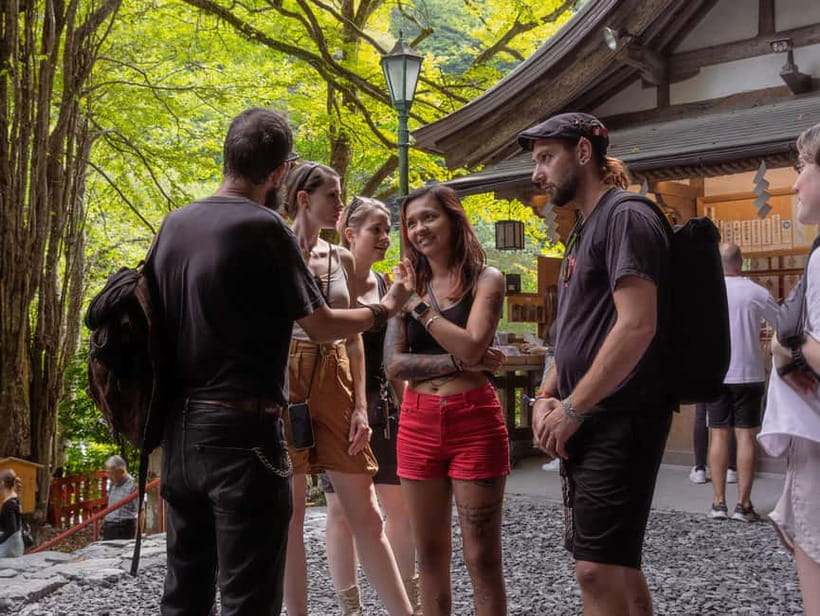
At $80 per person, the price covers the guide, temple admission, and transportation. You are paying for more than a walk: the guide ties together the shrine, forest route, temple, and local stories, while also helping with navigation and pacing. That is especially useful if you want cultural context alongside the exertion.
The price does not cover lunch, the hot spring, or the return trip to the meeting point. Those extras can raise the day’s total, so consider the full plan rather than treating the tour cost as the only expense. Still, for a guided four-hour outing with temple entry and transport included, the core price is reasonable if you value local interpretation and do not want to plan the route yourself.
Small groups and private options are available. A smaller group may allow for a more flexible pace and more time for questions, while a private tour offers greater scope to shape the outing around your interests. Neither format removes the physical demands of the climb.
Who Should Book This Mountain Walk?
Book this if you want a nature break from central Kyoto and enjoy walking uphill. It suits active visitors who are curious about Japanese religious sites and local traditions, and who like having a guide explain what they are seeing. It also works well for people who want a half-day plan with a satisfying choice at the end: lunch, village time, or an onsen bath.
Think twice if you are not used to hiking, dislike stairs, or have mobility limitations. The tour is not suitable for wheelchair users, people with mobility impairments, or children under 11. Heat can make the climb more strenuous, and the route is not designed as an easy introductory walk.
Guide quality can shape the day. Names associated with the tour include Philippe, Chris, Kevin, Salome, and Eric. Their strengths have included cultural detail, patience on the climb, humor, and taking groups to lesser-known places. You cannot choose a particular guide based on the information provided, so book for the route and format, not on the assumption that one named guide will lead your departure.
Make the Call
I would choose this tour if I wanted a guided mountain outing that mixes forest walking, spiritual sites, and a real village finish. The temple visit and guide’s local stories give the climb substance, while the optional bath offers a fine way to wind down.
Skip it if you want an easy walk or need a fully escorted return to central Kyoto. For everyone else with decent fitness, comfortable shoes, and a free half-day, Kurama is a refreshing change from the city. Plan your return and decide in advance whether lunch or the hot spring matters more to you.
FAQ
How long is the tour?
The guided activity lasts four hours. You finish in Kurama village, so time spent at lunch or the hot spring and your return journey are extra.
Where is the meeting point?
Meet at Demachiyanagi Station, Exit 7, in front of the Eizan Railway in Kyoto.
What languages are available?
The live guide is available in English or French.
Is the hot spring included in the price?
No. The hot spring fee is not included. A special discounted bath ticket may be available.
Is lunch included?
No. Lunch is not included, and you can choose to eat in Kurama village after the guided portion.
What should I bring?
Bring comfortable shoes and water. Long pants are advised if you want to avoid bug bites.
How difficult is the hike?
The climb requires a decent level of fitness and includes steps. The summit can be reached after about 30 to 40 minutes of climbing, with stops along the route.
Who should not take this tour?
It is not suitable for children under 11, wheelchair users, people with mobility impairments, or people without hiking experience.
Newly added in Kyoto
- Uji: Private immersion into Kyoto’s tea and reglious culture★ 5.0 · 17 reviews
- Whisk Your Own Matcha: A Zen Matcha Experience at Temple★ 3.6 · 7 reviews
- Kyoto tea town for matcha lovers★ 5.0 · 16 reviews
- Treasures of Kyoto: Gion & historical Walking Tour★ 5.0 · 6 reviews
- Kyoto Matcha Green Tea Tour★ 4.5 · 23 reviews
- Uji and Wazuka Matcha Farm Half Day Private Guided Tour★ 5.0 · 21 reviews
- Slow Cycling Tour at Uji’s Matcha Green Tea Fields and Heritage★ 5.0 · 25 reviews
- Uji Tea Ceremony and UNESCO Heritage Walking Tour★ 5.0 · 20 reviews
Kyoto Hiking Tours, compared.
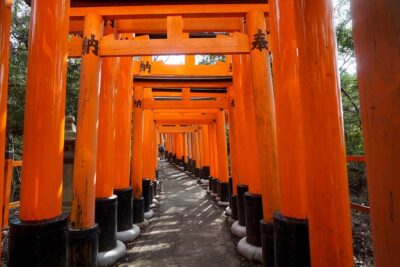
Fushimi Inari Hidden Hiking Tour (Private Option Available)
Read our review →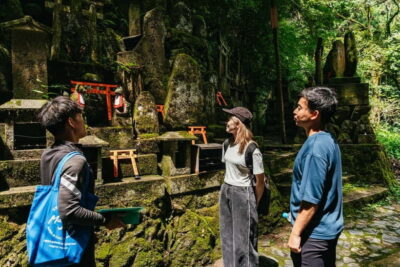
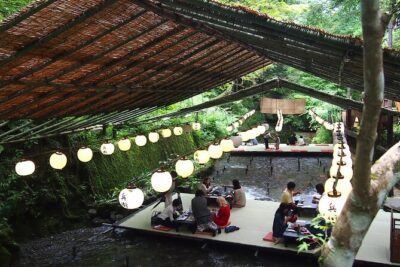
Kyoto Hiking Tour: The Nature and Legends of Kurama and Kibune
Read our review →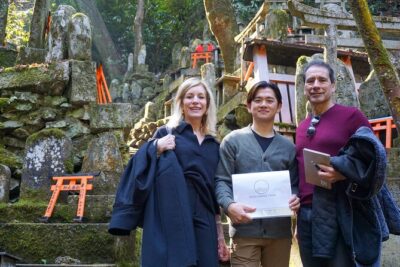
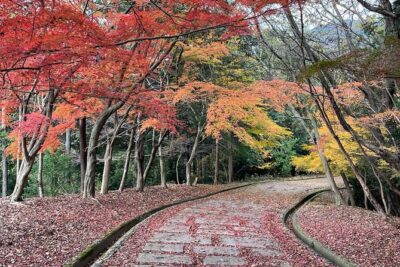
Kyoto Arashiyama Bamboo Forest Hiking Tour(Hidden Temples)
Read our review →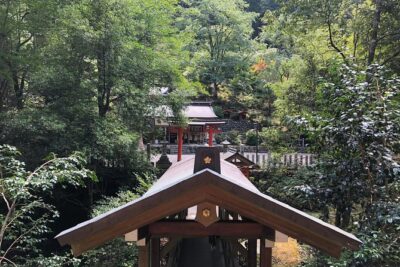
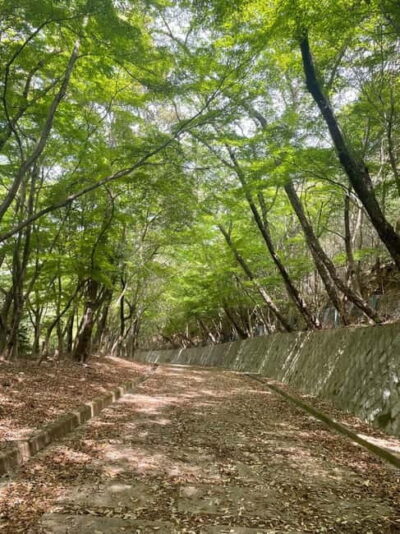
Hiking Tour for Sacred Sites in Kyoto with a Guide
Read our review →Browse the lists this tour appears in