
Reviewed · KYOTO HIKING TOURS
Kyoto Hiking Tour: The Nature and Legends of Kurama and Kibune
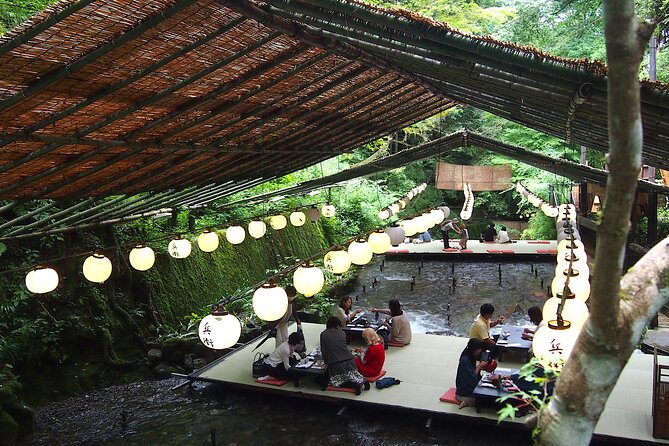
Mount Kurama gives you a Kyoto far from the city’s temples and crowded lanes: cedar woods, mountain shrines and stories of gods, demons and Reiki. The route links Kurama with Kibune, turning a day of walking into a close look at the spiritual traditions of the northern hills.
I like two things in particular: a private guide can explain the stories behind places you might otherwise pass, and hotel pickup takes the strain out of reaching this outlying area. The main caution is the climb. Expect plenty of stairs and uneven ground, so this is a hike, not a gentle stroll.
At a glance
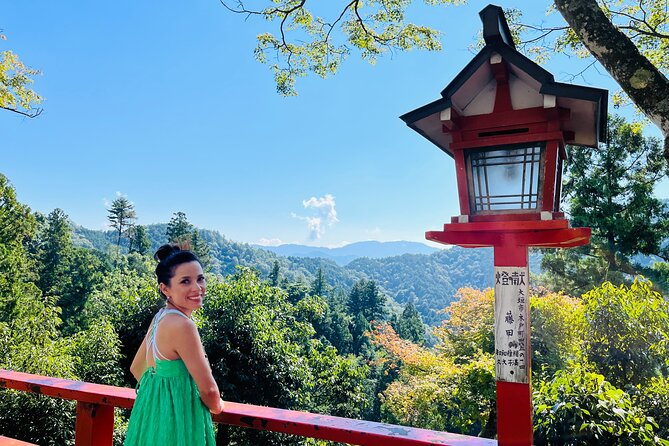
- Mount Kurama and Reiki: Hear how the mountain became associated with Mikao Usui, the founder of Reiki.
- Shrines with distinct stories: Visit Yuki Shrine and Kifune Shrine, including Kifune’s inner shrine and its legendary boat.
- A forest route to Kurama-dera: The walk between Yuki Shrine and the temple takes about 25 minutes, with more steps along the way.
- A private English-speaking guide: Guides such as Mariko, Ryoma, Yuki, Miyo, Akira, Miki, Akari, Mizuho, Michiko and Yoji have led this outing.
- A full-day outing with pickup: Plan for about eight hours, starting at 9:00 am, with hotel pickup and drop-off in Kyoto’s urban area and Kurama area.
- A real workout: The path includes many stairs and some uneven surfaces. Moderate fitness is advised.
A mountain day, not another city temple visit
This outing trades Kyoto’s busy central streets for a forested route through Kurama and Kibune. The reward is a day where scenery, religious sites and local folklore sit close together. You are not just being driven from one landmark to the next: the walking links the stops and lets the mountain set the pace.
The tour is private, so the day is for your group rather than a shared tour party. That matters on a route where pace can make a big difference. Guides have adjusted walking speed to suit participants, and one guide changed plans for a person with an injury. The same flexibility can help you ask questions, linger at a shrine or take a needed rest.
The listed duration is about eight hours, with a 9:00 am start. Hotel pickup and drop-off are included for the Kyoto urban area and Kurama area. Private transport by taxi, car or bus is listed as an extra-cost option, so check what transport is planned for your booking rather than assuming a private vehicle is included throughout the day.
More hikes in Kyoto:
- Fushimi Inari Hidden Hiking Tour (Private Option Available)
★ 5.0 · 1,750 reviews - Kyoto: 3-Hour Fushimi Inari Shrine Hidden Hiking Tour
★ 4.9 · 270 reviews - Kyoto: Hike and Hot Springs in Kurama
★ 5.0 · 49 reviews
Yuki Shrine and the old cedar
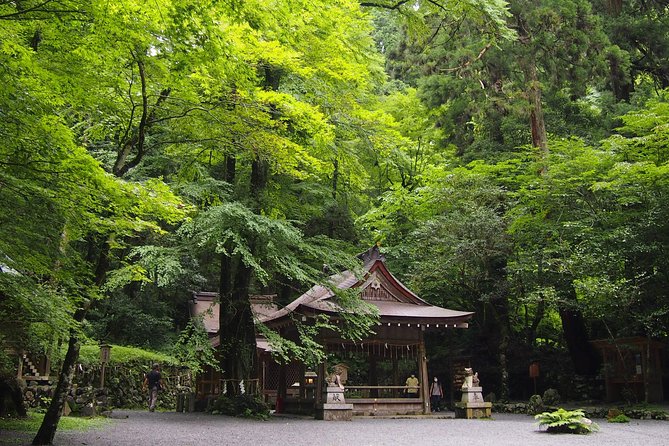
The first stop is Yuki Shrine, with about 20 minutes set aside. The shrine was originally built in central Kyoto, then moved to Kurama in 940 AD to protect the area from mysterious evil. That origin gives the visit a useful thread: the mountain has long been seen as a place with spiritual force, not simply a scenic backdrop.
One feature to look for is the cedar tree said to be about 800 years old. A short stop is enough to see the shrine and hear its story, but it is not a long, unhurried visit. If you like to study shrine details or take many photographs, ask your guide how the timing can work on the day.
Mount Kurama and the Reiki story
Mount Kurama is the central setting for the tour’s spiritual theme. It is associated with Reiki, a holistic healing practice founded by Mikao Usui. According to the account given about the mountain, Usui meditated there for 21 days in the early 1900s and received Reiki healing energy.
The itinerary allows about an hour at Mount Kurama. That stop is not just a viewpoint break: it gives your guide time to explain why the mountain matters to Reiki practitioners and how local beliefs connect nature and spirituality. You do not need to share those beliefs to appreciate how they shape the area’s identity.
Keep expectations grounded. The tour presents the Reiki origin story as a spiritual tradition linked to the mountain, not as a scientific claim. The appeal is in hearing the story where it belongs and seeing how the forest and sacred sites form part of that tradition.
The forest path to Kurama-dera
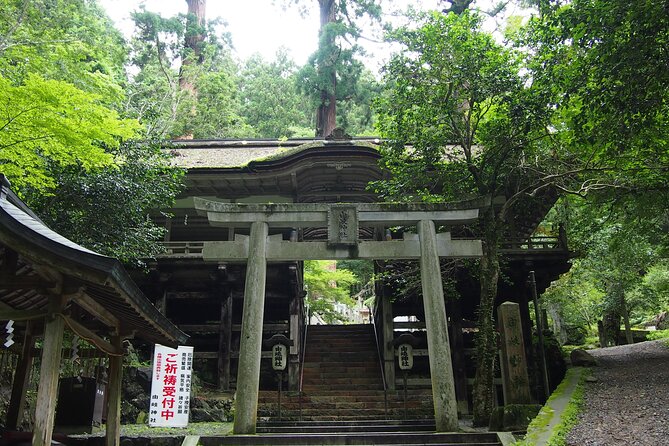
From Yuki Shrine, the route continues through the forest on a walk of about 25 minutes to Kurama-dera. The temple was founded in the eighth century and is dedicated to a Buddhist deity. Its setting is a major part of the visit: the approach through the woods makes the temple feel connected to the mountain rather than separate from it.
Allow about 45 minutes at Kurama-dera. Admission is included, which keeps the temple visit simple and avoids an extra ticket purchase on the day. Your guide can add context to the site and help you understand what you are seeing, though the precise focus will depend on your interests and the pace of the group.
This is where the route’s physical demands become clear. Several people have described many stairs, both up and down, as well as uneven surfaces. The climb is manageable for people with moderate fitness, especially with stops along the way, but it is not a flat woodland walk. Wear shoes suited to walking and be honest with yourself about how you handle steps.
More Kyoto tours in Kyoto:
- PERFECT KYOTO 1-Day Bus Tour
★ 5.0 · 13,518 reviews - Kyoto: Fushimi Inari, Kinkakuji, Bamboo Grove 1 Day Bus Tour
★ 4.8 · 4,316 reviews - Kyoto: Tea Ceremony in a Traditional Tea House in Kiyomizu
★ 4.9 · 3,519 reviews - Kyoto Geisha Walking Tour: Gion District & Hidden Gems
★ 4.7 · 3,273 reviews
Okunoin Maoden and the mountain’s darker tales
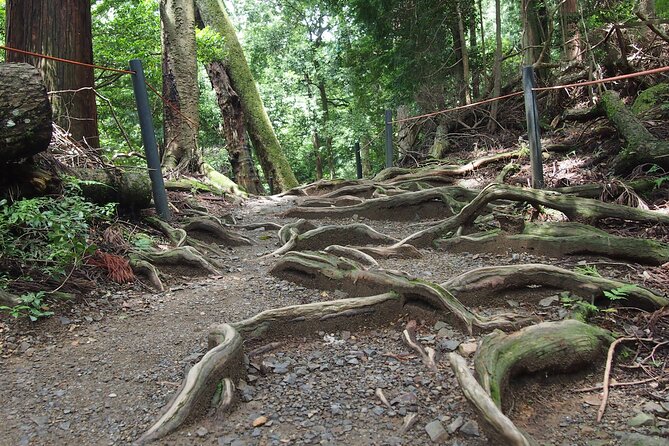
The route includes a brief, roughly 10-minute stop at Okunoin Maoden, a temple deep in the mountain. Local tradition says demons reign here, and the place is described as having a mysterious atmosphere.
This is a quick visit, not a long temple tour. Its value is the contrast it adds to the day: the mountain’s sacred reputation includes stories that are eerie as well as peaceful. Let your guide explain the tale, then take a moment to notice the quiet surroundings before continuing.
Kifune Shrine and the water god
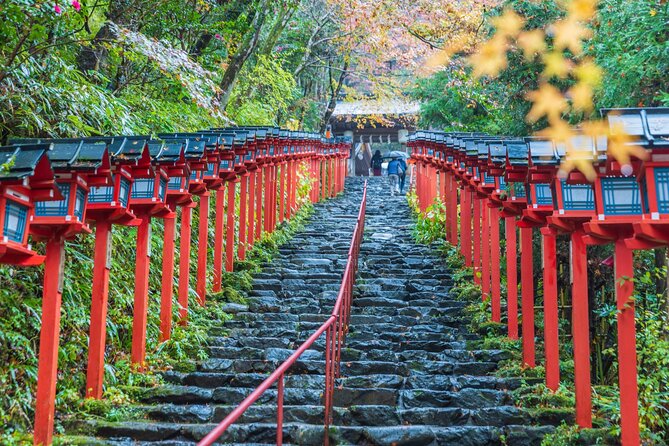
The route reaches Kifune Shrine, a site dedicated to the god of water and rain. Sailors have traditionally come here to pray for luck on their voyages. The main shrine stop lasts about 30 minutes, and you can drink fresh mountain water at designated places.
Kifune gives the day a different emphasis from Kurama. Here, the focus turns to water and the protection it offers to people who travel by sea. That connection makes particular sense in a mountain valley shaped by a river, though the tour information does not promise a specific water-drinking stop or tasting.
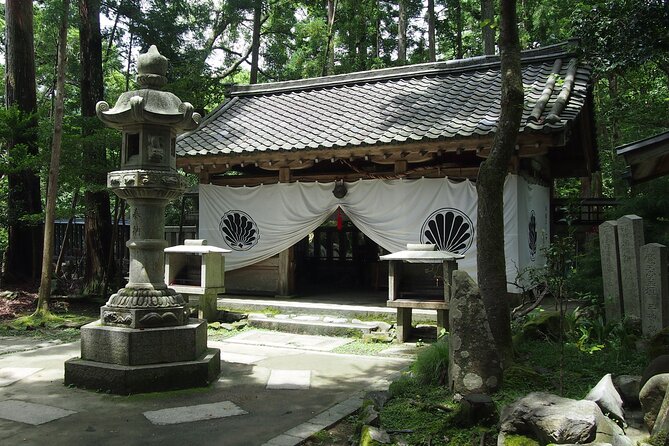
A second stop at Kifune Shrine lasts about 25 minutes and visits the inner shrine. Its story tells of a goddess who traveled by boat from Osaka up the river into the mountains. The inner shrine is said to house the boat she rode in. It is a small detail, but it gives the route a memorable ending: a legend of a journey that links the coast, river and hills.
Lunch, transport and the eight-hour day
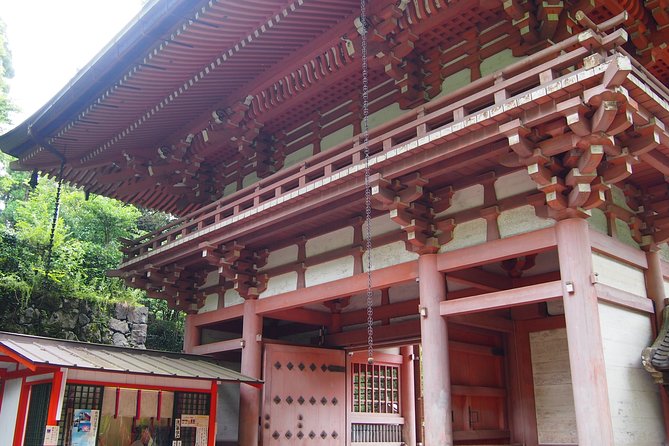
Lunch is not included in the $191.60 per-person price. One guide has taken a group for soba, and the mountain town offers a chance to make a meal part of the day, but you should not treat a particular restaurant or lunch arrangement as guaranteed. Ask your guide about the plan and budget separately for food.
The eight-hour estimate includes a lot more than the timed visits. You have hotel transfers, walking between sites and time to explore. The listed stops total several hours, but they do not account for every part of the day, and the exact pace can change with conditions and your group.
Pickup is one of the tour’s strongest practical features. Kurama and Kibune sit outside central Kyoto’s usual sightseeing circuit, and having a guide manage the day can save you the work of planning how to connect the sites. The tour also includes photos of participants, all fees and taxes, and entrance to Kurama-dera.
The price is best judged against those inclusions and the private format. At $191.60 per person, you are paying for a full day with an English-speaking guide, hotel pickup and drop-off, temple admission and help navigating a mountain route. It is less compelling if you want only a short walk or are comfortable arranging the route independently. Group discounts are available, which may improve the value for a party booking together.
Guides make the route more than a hike
The guide is a central part of this tour, not an add-on. Guides including Mariko, Ryoma, Yuki, Etsuko, Miyo, Akira, Miki, Akari, Mizuho, Michiko and Yoji have led the day. The strongest experiences described by participants share a pattern: guides explain Japanese history, religion and local customs while keeping the walking pace comfortable.
That mix is useful because the route is full of sites whose meaning is not obvious from a quick look. A guide can explain why Yuki Shrine was moved, what Kurama means to Reiki traditions and why Kifune is linked to water and sailors. Guides have also shared food and cultural context beyond the temples, turning a mountain walk into a fuller day in the region.
The private format gives you a chance to say what interests you. A guide has taken requests seriously and included lesser-known places when time allowed. Still, the stated route has specific stops, and weather or safety can change the plan. Treat flexibility as a benefit, not a promise that every request will fit.
Weather and the right level of effort
This tour depends on good weather. Heavy rain has led a guide to cancel the forest walk and focus instead on shrines with easier access. That is a sensible safety call, but it can remove a central part of the day. If the operator cancels the experience because of poor weather, you are offered another date or a full refund.
For ordinary conditions, prepare for a hike with many stairs, some uneven surfaces and a moderate fitness requirement. A participant in their seventies found the outing manageable with a guide who made the history engaging and kept the pace supportive. That is encouraging, but it does not erase the physical demands. Your own comfort with stairs matters more than your age.
If you have an injury or a mobility concern, contact the operator before booking. A guide has adapted plans around an injury, but the tour is not described as accessible, and the main forest route may not be suitable for everyone. Bring water and suitable walking shoes, and plan for a day on your feet.
Who should book this Kyoto mountain tour?
I would choose this tour if you want to pair physical activity with cultural context and would rather have a guide handle the route. It suits people who have already seen Kyoto’s central sights and want a quieter day among mountain shrines, forest paths and local stories. It is especially appealing if Reiki, Japanese religious traditions or folklore interest you.
It is less suitable if your idea of a holiday walk is a level path with few steps. The route can feel like a workout, and heavy rain may change the forest portion. Lunch is extra, and private transport by taxi, car or bus may also cost more depending on the arrangement.
For the price, the strongest reasons to book are the private guide, included hotel transfers and the chance to understand a place that can be difficult to appreciate as a sequence of stops on your own. If you are ready for stairs and willing to be flexible about weather, this is a rewarding way to spend a day beyond central Kyoto.
FAQ
How long is the tour?
The tour lasts about eight hours. It starts at 9:00 am.
Is hotel pickup included?
Yes. Hotel pickup and drop-off are included for the Kyoto urban area and Kurama area.
Is the tour private?
Yes. It is a private activity, so only your group participates.
Is lunch included?
No. Lunch is not included.
Are temple admission fees included?
Yes. Admission to Kurama-dera is included, along with all fees and taxes.
How difficult is the hike?
A moderate level of physical fitness is advised. The route includes many stairs and some uneven surfaces.
What happens if poor weather affects the tour?
If poor weather causes the experience to be canceled, you will be offered a different date or a full refund.
Newly added in Kyoto
- Uji: Private immersion into Kyoto’s tea and reglious culture★ 5.0 · 17 reviews
- Whisk Your Own Matcha: A Zen Matcha Experience at Temple★ 3.6 · 7 reviews
- Kyoto tea town for matcha lovers★ 5.0 · 16 reviews
- Treasures of Kyoto: Gion & historical Walking Tour★ 5.0 · 6 reviews
- Kyoto Matcha Green Tea Tour★ 4.5 · 23 reviews
- Uji and Wazuka Matcha Farm Half Day Private Guided Tour★ 5.0 · 21 reviews
- Uji Tea Ceremony and UNESCO Heritage Walking Tour★ 5.0 · 20 reviews
- Utilising upcycled Matcha! Creating matcha incense (Uji, Kyoto)★ 5.0 · 6 reviews
Kyoto Hiking Tours, compared.
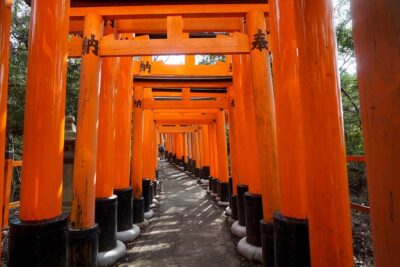
Fushimi Inari Hidden Hiking Tour (Private Option Available)
Read our review →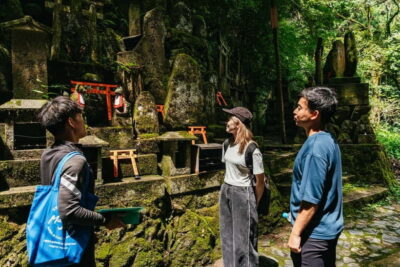
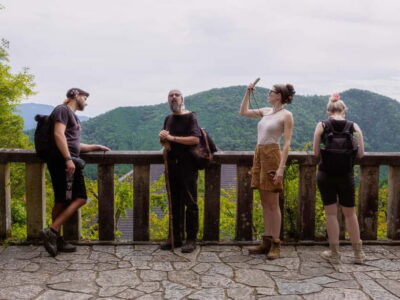
Kyoto Arashiyama Bamboo Forest Hiking Tour(Hidden Temples)
Read our review →
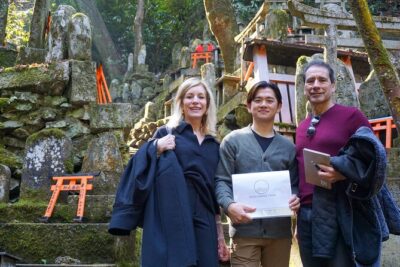
Hiking Tour for Sacred Sites in Kyoto with a Guide
Read our review →Browse the lists this tour appears in