
Reviewed · KIYOMIZU-DERA TOURS
Kyoto: Historic Higashiyama Walking Tour
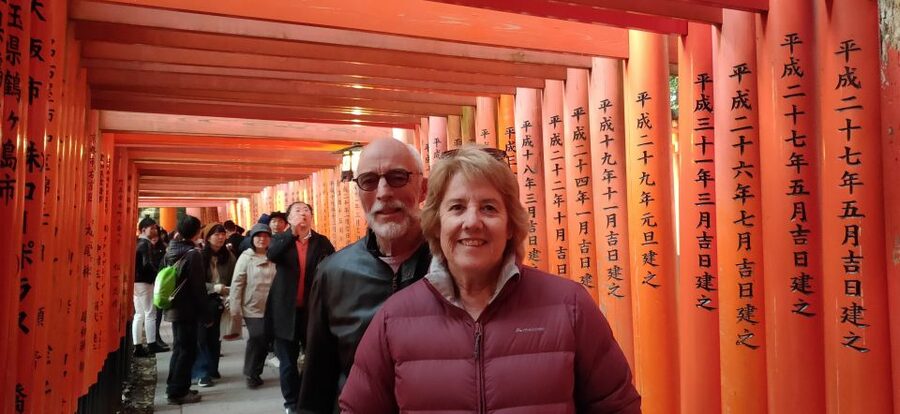
Fushimi Inari’s long rows of vermilion gates make a memorable start, but this walk is about more than a photo beneath the torii. Over four hours, you connect the shrine to Gion’s traditional entertainment quarter, then follow Higashiyama’s lanes to two major temples.
I like the route’s variety: it moves from Shinto shrine grounds to Gion’s streets and the gardens at Kodaiji. I also like that Kodaiji and Kiyomizu-dera admission, plus the train to Gion, are included in the $106 price.
The trade-off is the walking. There are hills and steps, and the tour is not suited to people with mobility impairments. Wear comfortable shoes, and be ready to spend most of four hours on your feet.
- Start beneath Fushimi Inari’s torii: Meet outside the fare gates at JR Inari Station, then explore the shrine with a guide.
- Ride from Fushimi Inari to Gion: The short train journey is included, and the guide helps connect the city’s landmarks with its customs.
- See Gion as a living district: Learn about its history as an entertainment quarter and its place in modern Kyoto.
- Pause at Kodaiji: Admission is included for the temple’s gardens and bamboo grove.
- Finish at Kiyomizu-dera: Take in the Kyoto view, see Otowa Waterfall and choose one of its three streams.
- Keep the group small: A maximum of 10 participants makes it easier to ask questions and follow the guide.
From Fushimi Inari’s gates into Kyoto’s story
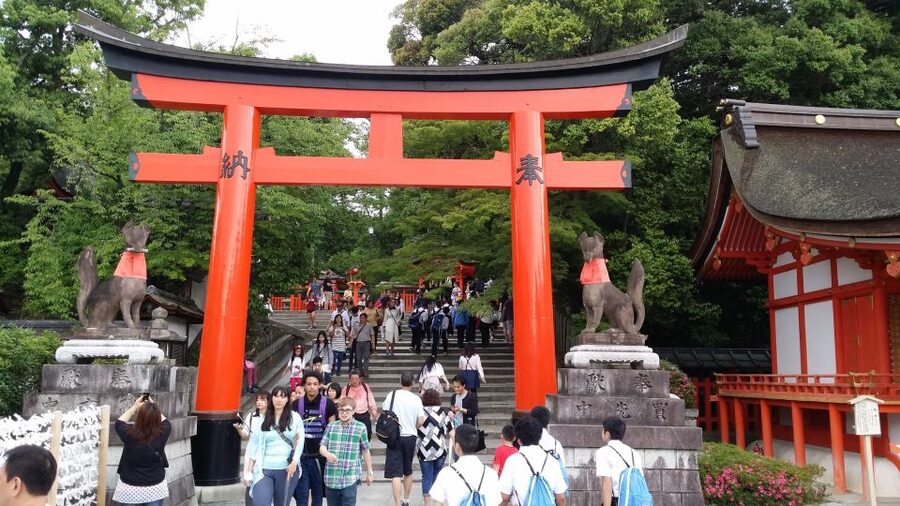
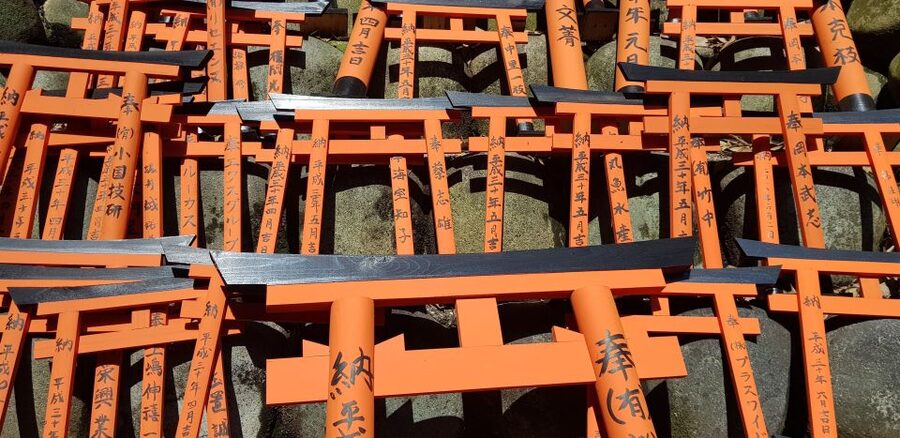
Fushimi Inari Taisha is a powerful place to begin a Kyoto day. The shrine sits on the southern end of the Higashiyama mountain range, and its familiar vermilion torii gates climb the slope in rows. You pass through the gates before spending time at the shrine itself, where your guide introduces Shinto history and culture.
The route gives you a useful contrast. The gates create a striking passage up the hillside, while the shrine offers a chance to hear about the beliefs and practices behind the place. A guide can help explain what you are seeing, rather than leaving you to take photographs and move on without context.
You have about an hour at Fushimi Inari Taisha, including the guided visit. That is enough for a focused introduction, though not a full exploration of the mountain. If you want to spend a long time walking the shrine’s hillside paths, note that the tour continues to Gion after its stop.
The meeting point is just outside the fare gates at JR Inari Station. Depending on where you are staying, the Keihan line may be convenient; from there, walk a few minutes to the JR station. Check your route in advance so you arrive at the right station entrance on time.
A short train ride, then Gion on foot
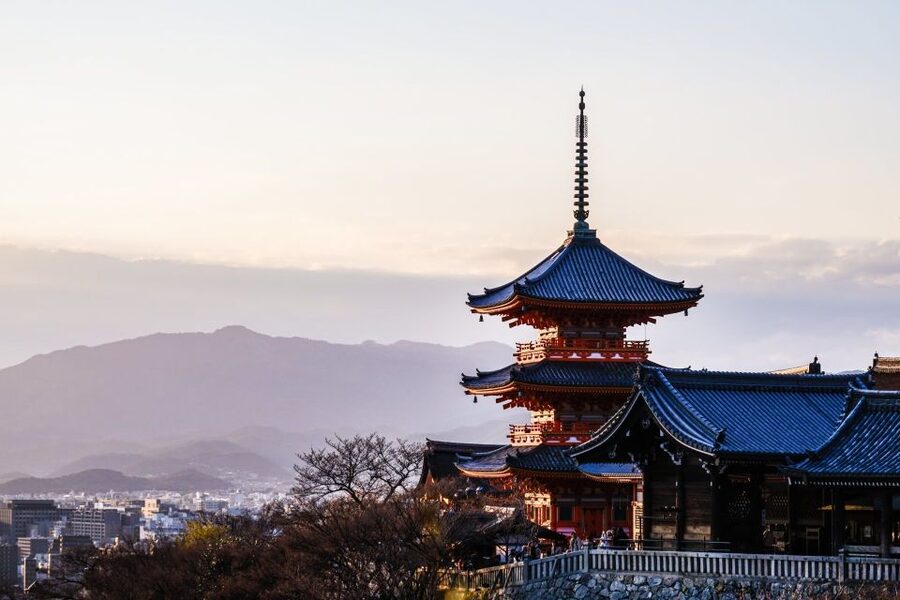
After Fushimi Inari, you take a short train ride to Gion. The fare is covered, so you do not need to sort out a separate ticket for this part of the route. It also gives your feet a brief break before the walking resumes.
Gion is known as a traditional entertainment quarter, and the tour sets aside around 30 minutes for a guided walk. The district is not just a preserved picture of the past. It remains part of modern Kyoto, with evening entertainment and a continuing cultural role.
That context matters. Gion can be easy to reduce to its traditional-looking streets, but a guide can explain the quarter’s place in city life and the stories associated with it. The stop is short, so think of it as an introduction rather than a deep study of the district.
The guides named by previous participants include Hugo, Damian and Damien, Ferdinand, and Lito. Their descriptions point to a style that pairs Japanese history and customs with practical local advice. Lito, for example, shared suggestions for places to eat, while other guides adjusted the pace to suit the group. Your guide will depend on the date and language you book.
More Kiyomizu-dera tours in Kyoto:
- Kyoto: Tea Ceremony in a Traditional Tea House in Kiyomizu
★ 4.9 · 3,519 reviews - Kyoto: Nijo Castle, Kiyomizu & Fushimi Inari Guided Tour
★ 4.7 · 700 reviews - Kyoto: Nijo, Kinkaku-ji, Arashiyama, Kiyomizu & Fushimi Inari
★ 5.0 · 699 reviews
Higashiyama’s quieter lanes and Kodaiji’s gardens
From Gion, the walk continues into Higashiyama, the eastern foothill district whose name means East Mountain. This is where the tour shifts from the city’s entertainment quarter to temple grounds and traditional lanes.
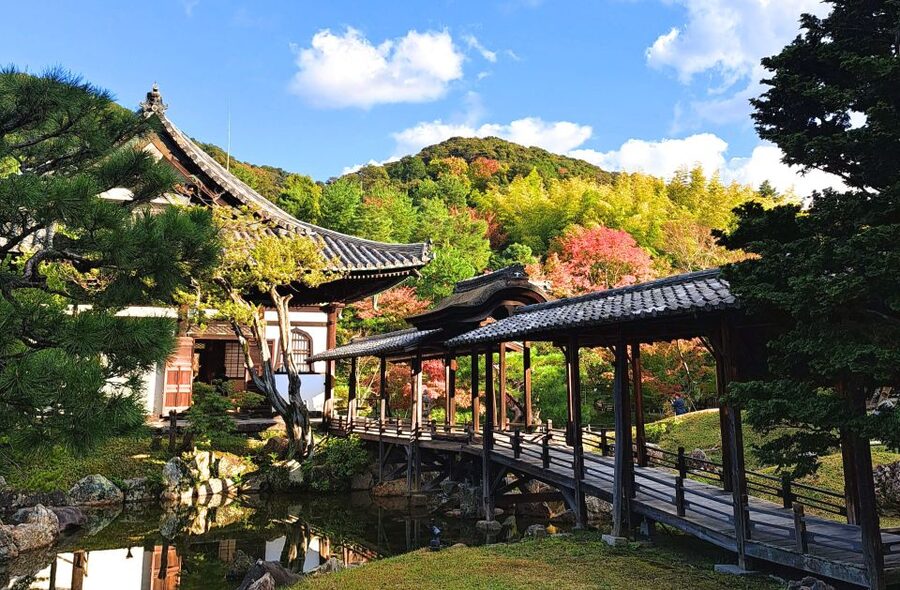
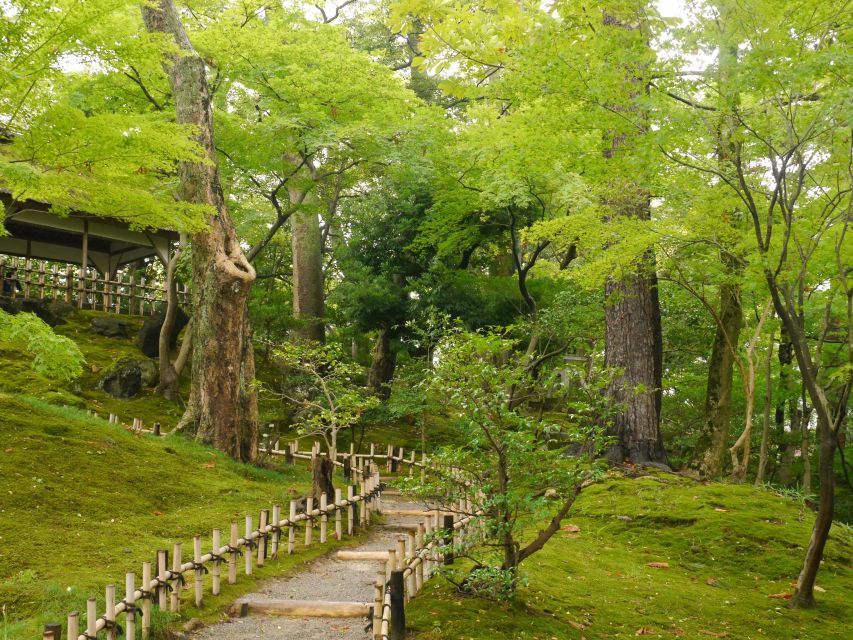
Kodaiji is one of the main pauses, with about 40 minutes for a guided visit. Admission is included. The early 17th-century temple complex is known here for its gardens and bamboo grove, offering a calmer change of scene after the streets.
The value of a guide at a temple is not only knowing which way to walk. A guide can help you place the complex in its historical and religious setting, and point out details you might otherwise pass. The group size, capped at 10, can make it easier to hear explanations and ask questions without having to catch up with a large crowd.
Higashiyama’s backstreets are part of the appeal. The route takes you through the district on foot, not just from one famous gate to another. Still, the walking includes some uphill sections and steps. One guide has adjusted the pace when heat and hills became tiring for a participant, but you should not count on the route being effortless. This is a good choice if you are comfortable walking for several hours; it is a poor fit if hills or extended standing are difficult for you.
Sannenzaka, snacks and the climb to Kiyomizu-dera
The route passes through Sannenzaka, where you have a chance to browse for snacks or souvenirs on the way to Kiyomizu-dera. Food and drinks are not included, so bring money if you want to buy something along the way. The tour is still moving toward its final stop, so keep browsing modest if you want to stay with the group.
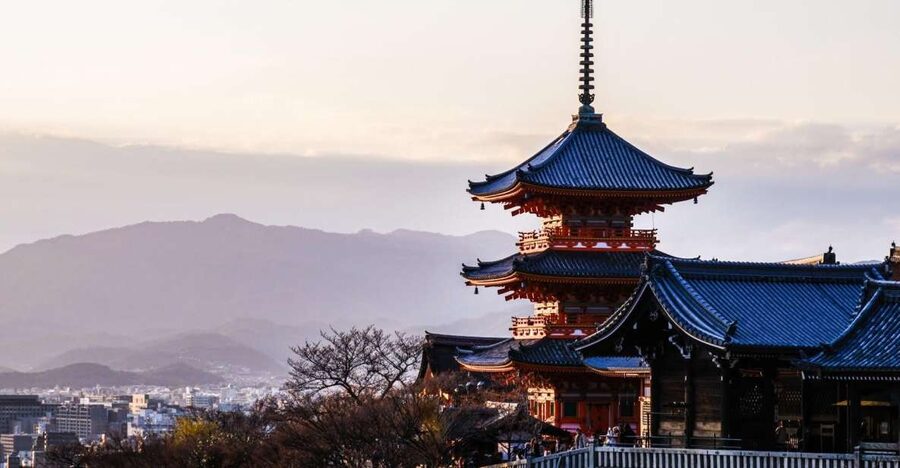
Kiyomizu-dera is a fitting finish: a major Kyoto temple with a wide view over the city. Admission is included, and the guided visit lasts about 30 minutes. That is enough to see the temple with an explanation, but you can stay in the area afterward and explore at your own pace once the tour ends.
The temple is also famous for the clear water flowing from the mountains at Otowa Waterfall. Its three streams are said to represent health, wealth, and happiness. You can sample the water, but the local tale advises choosing carefully: asking for every benefit is considered greedy, and none may come true. It is a playful custom that gives the visit a small moment of participation, rather than making the temple feel like a sequence of sights to tick off.
Expect the final walk to involve more steps and uphill movement. Comfortable shoes are essential. Large bags and luggage are not allowed, so leave bulky items elsewhere before joining the group.
What four hours gives you, and what it leaves out
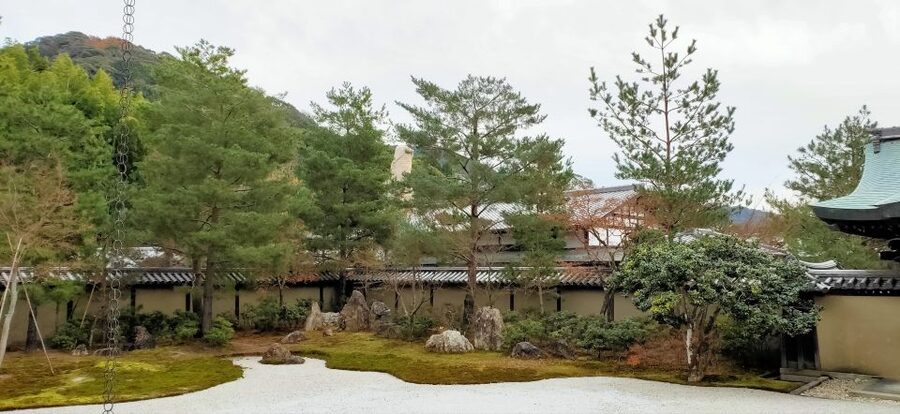
This tour’s chief strength is the way it links major places across different parts of Kyoto. You begin with a Shinto shrine, ride to Gion, then walk through Higashiyama’s temple and lane scenery. In four hours, you get a clear first look at several places that can otherwise feel scattered across a city visit.
It is an overview, not an in-depth day at each site. The schedule allows about an hour at Fushimi Inari, 30 minutes in Gion, 40 minutes at Kodaiji, and 30 minutes at Kiyomizu-dera, with walking and the train ride joining them. If you want extended time for photographs, shopping, quiet reflection, or a longer walk at Fushimi Inari, plan to return independently or stay after the tour at Kiyomizu-dera.
The small-group limit is a real advantage for this sort of route. With no more than 10 participants, you have a better chance to ask questions and hear stories without the feel of a large procession. Some departures may be smaller still. Families can also find the format engaging: one guide involved children in stories about temples, wishes and traditional customs, though the route’s hills and steps still matter when deciding whether it suits your family.
Guides are available in English, French, Hebrew and Spanish. The descriptions of the guiding style suggest a focus on history, religion, customs and local recommendations. A guide has also shown small shrines just off the main path, which can add texture to a walk through well-known places. You should not assume every stop or guide will be identical, but the small-group setup gives the experience room to respond to questions and the group’s pace.
More walking tours in Kyoto:
- Kyoto Geisha Walking Tour: Gion District & Hidden Gems
★ 4.7 · 3,273 reviews - Kyoto: Gion Magical Night Walking Tour with Geisha Trivia
★ 4.9 · 2,393 reviews - Kyoto: Gion Geisha District Walking Tour – Stories of Geisha
★ 4.7 · 2,187 reviews - Night Walk in Gion: Kyoto’s Geisha District
★ 4.5 · 2,003 reviews
Is $106 a fair price?
At $106 per person, this is not the cheapest way to see Kyoto’s main sights. The price includes entry to Kodaiji and Kiyomizu-dera, plus the train ticket from Fushimi Inari to Gion. Food and drinks are extra. You are also paying for four hours with a guide who can explain the places and help link them into a coherent route.
The value depends on how you like to travel. If you are comfortable finding your own way, reading up in advance and handling temple visits independently, you could visit these areas without booking a guided walk. But if you want a compact introduction, appreciate historical context, and prefer not to work out the route between each stop, the fee buys structure as well as transport and admission.
The tour is especially useful early in a Kyoto stay. It gives you a sense of how the shrine, entertainment quarter and eastern temple district fit together, and can leave you with ideas for places to revisit. It is less compelling if you want a slow, unhurried day or already know these districts well.
Free cancellation is available up to 24 hours in advance, and you can reserve without paying immediately. Check the available start times when choosing a date. Those options help with planning, but the main decision is whether four hours of guided walking matches your pace and interests.
Who should book this walk?
I would choose this tour if you have limited time in Kyoto and want several signature sights in one well-linked half-day. It suits first-time visitors who value explanation, small groups, and the convenience of having temple admission and the short train ride covered.
It is also a strong fit if you enjoy learning about customs as you go. The guide can add context at Fushimi Inari, Gion and the temples, while the route gives you enough time to see their different moods. If your priority is independent wandering, long temple visits, or a strenuous climb up Fushimi Inari’s mountain paths, this itinerary may feel too structured or too short.
Book it if you are ready for hills, steps and steady walking, and want a practical introduction to eastern Kyoto. Skip it if mobility is a concern or you would rather spend a full day at fewer places. Either way, keep your shoes comfortable and your bag small.
FAQ
How long is the tour?
The tour lasts four hours.
Where is the meeting point?
Meet just outside the fare gates at JR Inari Station, in front of the station entrance.
Which languages are available?
Guides are available in English, French, Hebrew and Spanish.
How many people can join?
The group is limited to 10 participants.
Are temple admission fees included?
Yes. Admission to Kodaiji Temple and Kiyomizu-dera is included.
Is the train ride included?
Yes. The ticket for the train from Fushimi Inari to Gion is included.
Are food and drinks included?
No. Food and drinks are not included.
Is the walk steep or difficult?
There is some uphill walking, but it is not described as exceptionally steep or demanding. Comfortable shoes are recommended.
Can I stay at Kiyomizu-dera after the tour?
Yes. The tour ends after the guided visit, and you are free to spend more time exploring the area at your own pace.
Newly added in Kyoto
- Uji: Private immersion into Kyoto’s tea and reglious culture★ 5.0 · 17 reviews
- Whisk Your Own Matcha: A Zen Matcha Experience at Temple★ 3.6 · 7 reviews
- Kyoto tea town for matcha lovers★ 5.0 · 16 reviews
- Treasures of Kyoto: Gion & historical Walking Tour★ 5.0 · 6 reviews
- Kyoto Matcha Green Tea Tour★ 4.5 · 23 reviews
- Uji and Wazuka Matcha Farm Half Day Private Guided Tour★ 5.0 · 21 reviews
- Slow Cycling Tour at Uji’s Matcha Green Tea Fields and Heritage★ 5.0 · 25 reviews
- Uji Tea Ceremony and UNESCO Heritage Walking Tour★ 5.0 · 20 reviews
Kiyomizu-dera Tours, compared.
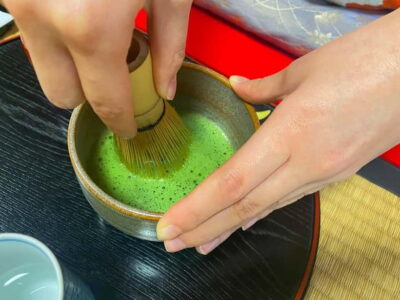
Tea Ceremony in a Traditional Tea House in Kiyomizu
Read our review →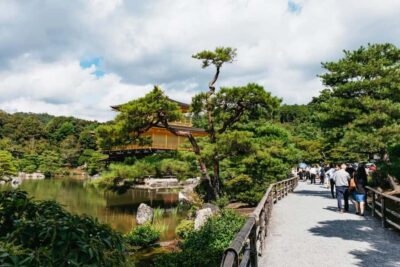
Nijo Castle, Kiyomizu & Fushimi Inari Guided Tour
Read our review →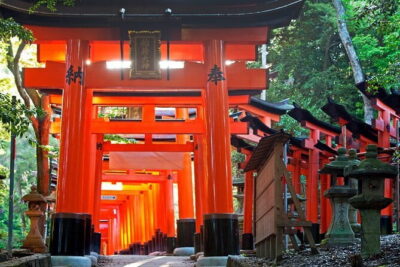
Nijo, Kinkaku-ji, Arashiyama, Kiyomizu & Fushimi Inari
Read our review →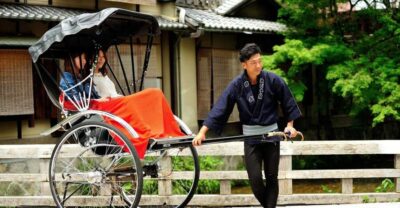
Private Rickshaw Tour of Gion and Higashiyama Area
Read our review →
Kyoto Tea Ceremony & Kiyomizu-dera Temple Walking Tour
Read our review →
Kyoto Kiyomizu Tea Ceremony with Scenic Garden Views
Read our review →
Kimono/Yukata Rental 5 Minute from Kiyomizu-dera
Read our review →
Kyoto Gion Kiyomizudera Kimono Yukata Hairstyle | Photoshoot
Read our review →Browse the lists this tour appears in