
Reviewed · KYOTO GEISHA TOURS
Kyoto: Meet the Geisha Maiko with Gion Walking Tour
A private tea house, a live maiko performance, and time to ask questions: this is the rare part of Kyoto’s geisha world that most visitors cannot arrange on their own. The experience begins with a guided walk through Gion, then moves indoors for a meeting with a maiko and a former geiko.
I like two things in particular: the chance to hear candid stories directly from the women who know this tradition, and the way the Gion walk gives you useful context before you enter the tea house. Guides such as Mika, Takuma, Naomi, and Tom have been praised for clear English and patient explanations, though your guide will depend on the date.
One consideration: the dance is only part of the indoor session, and one or two performances may be brief. You’ll spend more time talking and asking questions than watching a show, and the visit runs longer than some visitors expect, so don’t schedule a tight train connection afterward.
- A rare tea house visit: Meet a maiko and a former geiko in a private venue not usually open to casual visitors.
- One or two live dances: Watch a maiko perform, then take part in a conversation and Q&A.
- Gion with context: Walk by Shirakawa Canal, Tatsumi-jinja Shrine, Hanamikoji Street, Gion Corner, and Kenninji Temple.
- Personal photos, with rules: A photo session is included, but online sharing requires the maiko’s permission.
- A three-to-five-hour commitment: The walk takes about 70 to 80 minutes, and the tea house visit about 90 minutes. Allow extra time.
- Practical details matter: Bring socks, expect stairs, and be ready to walk in rain or heat.
From Gion’s Streets to a Private Tea House
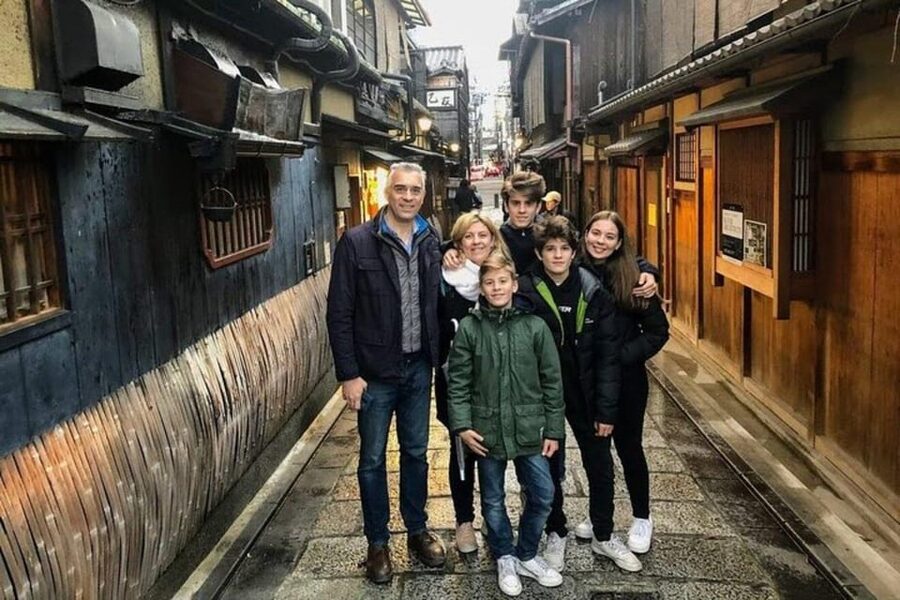
This tour is built around a change of pace. First, you walk through the public streets of Gion with a local English-speaking guide. Then you enter a private residence and ochaya, where a maiko and former geiko welcome your group for a performance and conversation.
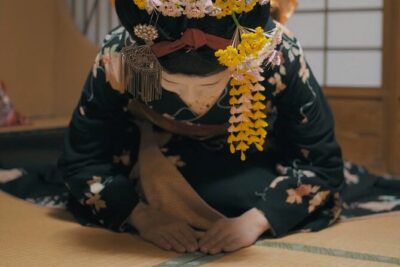
That second part gives the experience its unusual value. A maiko is an apprentice geisha, and a former geiko can speak from experience about the tradition and its place in Kyoto. Rather than seeing costumed performers from a distance, you have a chance to listen, ask questions, and learn about daily life and training from people connected to the art.
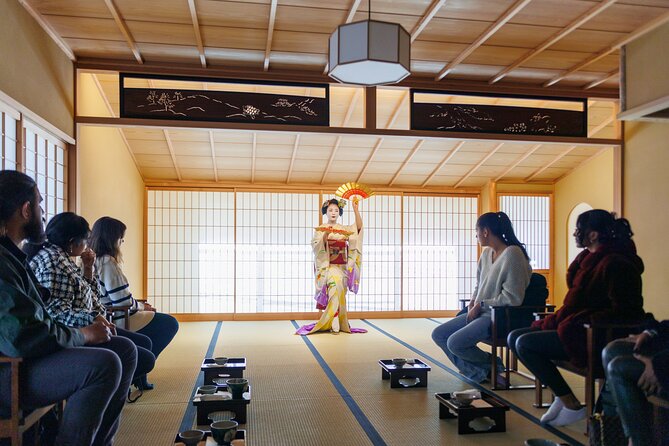
The format is more cultural exchange than stage show. The maiko performs one or two dances, and the rest of the visit allows time for conversation, questions, and photographs. A guide helps translate, so you can ask what you want to know rather than relying on a prepared explanation.
Walking Gion Before the Meeting
The guided walk takes about 70 to 80 minutes. It starts from one of two meeting points, either the Izumo-no-Okuni statue or the wargo Kyoto Kimono Rental Gionshijo store, depending on the option you book. If you choose the kimono rental option, you change at the shop and walk about three minutes to the statue to meet your guide.
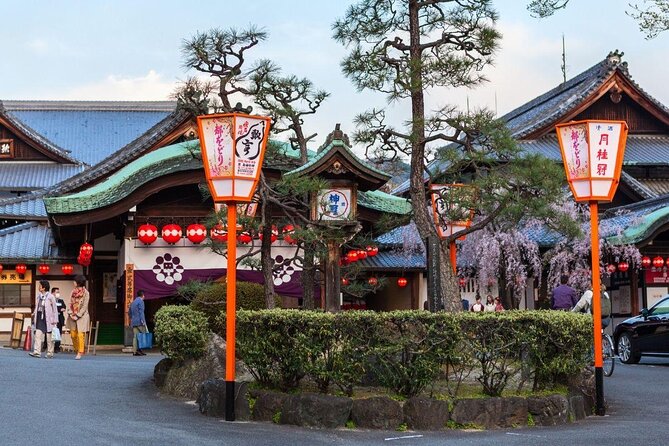
The route includes several familiar Gion sights, but the point is not to spend long at each one. At Shirakawa Canal, you get about 30 minutes of guided time. The canal and its streets set the scene for the district, and your guide can explain how Gion’s public face relates to the quieter working world you will visit later.
Tatsumi-jinja Shrine is a short stop of about five minutes. Hanamikoji Street gets around ten minutes, while Gion Corner is another point on the route. These stops are brief, so think of them as orientation, not a full tour of every landmark. If you want to study a temple or shrine at length, plan a separate visit.
Kenninji Temple is listed as a 15-minute photo stop and guided visit. One practical note: the tour may only give you a brief look at the temple area, not a full visit inside. If Kenninji is high on your list, leave time to return on your own rather than assuming this walk will cover it in depth.
The walk ends in the Miyagawasuji area, where the group spends about 90 minutes at the tea house. The route is a useful introduction to Gion, but the most valuable context comes from connecting what you see outdoors with what you hear indoors. Your guide can explain the difference between the district’s streets and the private spaces where traditional arts are practiced.
More geisha and maiko experiences in Kyoto:
- Kyoto Geisha Walking Tour: Gion District & Hidden Gems
★ 4.7 · 3,273 reviews - Kyoto: Gion Magical Night Walking Tour with Geisha Trivia
★ 4.9 · 2,393 reviews - Kyoto: Gion Geisha District Walking Tour – Stories of Geisha
★ 4.7 · 2,187 reviews
What Happens at the Ochaya
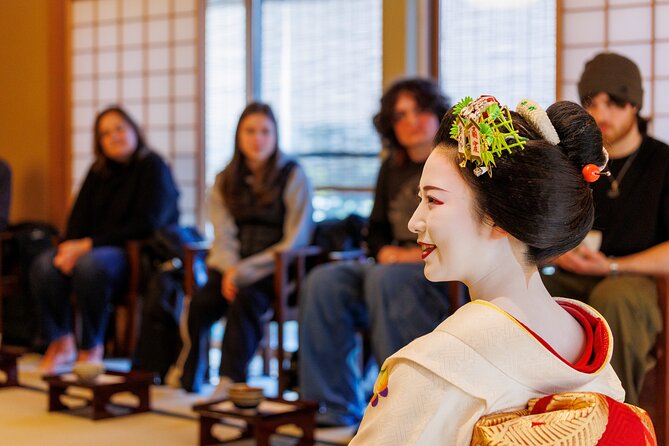
At the private venue, you meet a maiko and a former geiko. The maiko performs one or two dances, then you have time for a conversation and Q&A. The owner of the venue also joins the discussion, giving you another perspective on the customs and work behind the encounter.
The performance is often the emotional high point. The maiko’s formal dress, makeup, and movement make a striking impression in the intimate room, where you can watch closely rather than from the back of a large theater. Still, set your expectations correctly: the dance itself may last only a few minutes. The experience is not designed as an extended recital.
The conversation is what makes the visit more than a short show. You can ask about the maiko’s training, life, and traditions, while the former geiko shares insight from her own experience. A guide translates questions and answers into English. Guides including Yuko, Mika, and Tom have been praised for handling explanations and interpretation, but the specific guide is not guaranteed.
There is also a photo session with the maiko. Photography and video are permitted only during the performance and the designated photo session. If you plan to post a photo online, ask the maiko directly for permission first. Videos may not be uploaded online. These rules are worth following carefully: the access is special, and it depends on treating the performers and venue with respect.
The Price and What You Get
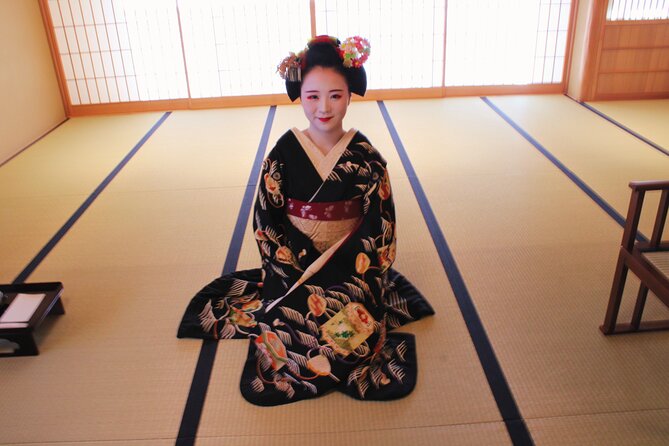
At $106 per person, this is not a bargain-priced walking tour. The price makes more sense when you consider that it includes both the Gion walk and access to a private tea house, plus a live performance, a translated Q&A, and a photo session. The indoor meeting is the part that would be difficult to arrange independently, and it is the main reason to book.
If you are mainly looking for a long dance performance, the cost may feel high for a brief show. If you want to learn about the people and customs behind the art, the discussion adds much of the value. You are paying for access and interpretation as much as for the dance itself.
The walk also helps the indoor visit land better. You’ll have already seen parts of Gion and heard a guide explain the district, so the tea house is not an isolated photo opportunity. For first-time visitors who want a focused introduction to the geiko and maiko tradition, that combination is useful.
Timing, Group Size, and Comfort
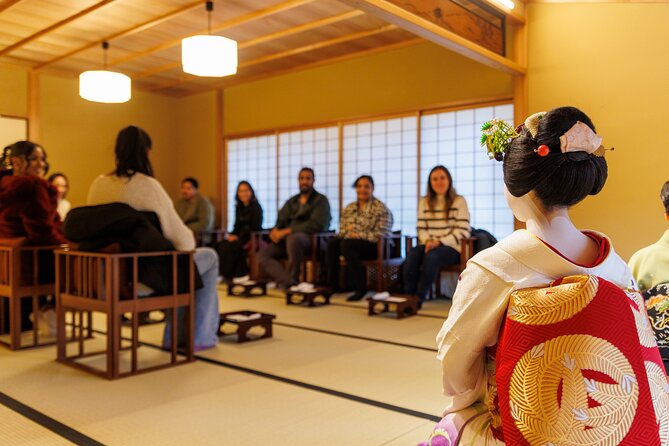
The experience is described as three to five hours, with the walk taking about 70 to 80 minutes and the meeting around 90 minutes. The total can vary, and the tour may run longer than expected. Keep your schedule open afterward. A tight train connection is a poor match, especially if you are traveling back to Tokyo.
Small groups are available, though the exact group size depends on the session. A smaller group can make it easier to hear translations and ask questions. If having a more intimate setting is important to you, check the group details when booking rather than assuming every departure is small.
Wear socks. You must have them on inside the performance venue, and on rainy days the venue does not allow wet clothes or socks. Bring an umbrella for the walk, and plan to arrive dry. In hot weather, the Gion walk can feel tiring; take the weather into account, especially if you are wearing a rented kimono.
The venue is on the second floor, reached by stairs. This makes the tour unsuitable for wheelchair users and people with mobility impairments. Children under 10 are also not suited to the experience. The tour takes place rain or shine, so comfortable walking shoes and weather-appropriate clothing are sensible, even if you have chosen to wear a kimono.
More Gion tours in Kyoto:
- Best of Kyoto: Gion, Geisha, Pagodas & Cobblestones
★ 4.9 · 2,058 reviews - Night Walk in Gion: Kyoto’s Geisha District
★ 4.5 · 2,003 reviews - Kyoto Night Foodie Tour in Gion (9+ dishes + 6 Sake tastings)
★ 5.0 · 1,762 reviews - Kyoto Gion Geisha District Walking Tour – The Stories of Geisha
★ 5.0 · 1,441 reviews
Kimono Rental and Meeting Point Choices
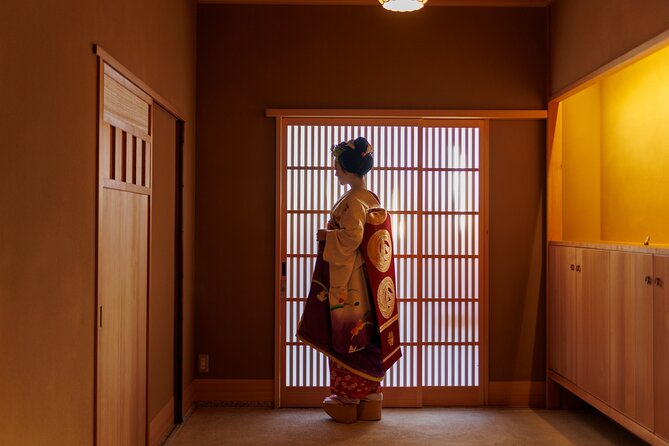
Kimono rental is offered as an option, not as a requirement for joining the tour. Walking through Gion in a kimono can make the outing feel more connected to its setting, and it can give you appealing photos. But it is still a walking tour, so consider the weather and your comfort before choosing the rental.
If you book the kimono option, allow time to get changed and then walk from the rental store to the Izumo-no-Okuni statue, where the guide waits. The meeting point may vary according to the option you select, so check the details for your booking rather than heading to the first location you find.
Who Will Enjoy This Experience Most
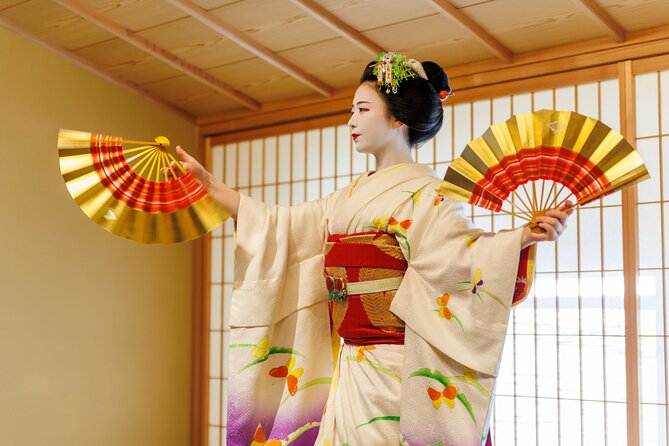
I’d choose this tour if you are genuinely interested in geiko and maiko culture, and want more than a street-side glimpse. The chance to hear from a maiko and a former geiko, with a guide translating, is the strongest reason to go. It suits curious visitors who are comfortable asking questions and listening as much as watching.
It is also a good fit if you want a guided introduction to Gion without spending a full day on the district. The walk is short enough to fit into a broader Kyoto itinerary, but the tea house visit makes the overall commitment substantial. Plan around it, not between two tightly timed activities.
You may want to skip it if your main aim is a long dance show, an in-depth temple visit, or a flexible stroll at your own pace. The route has several brief stops, and the performance is only one part of the indoor session. Visitors who prefer a lecture-free sightseeing walk may find the amount of explanation less appealing.
Should You Book the Gion Maiko Tour?
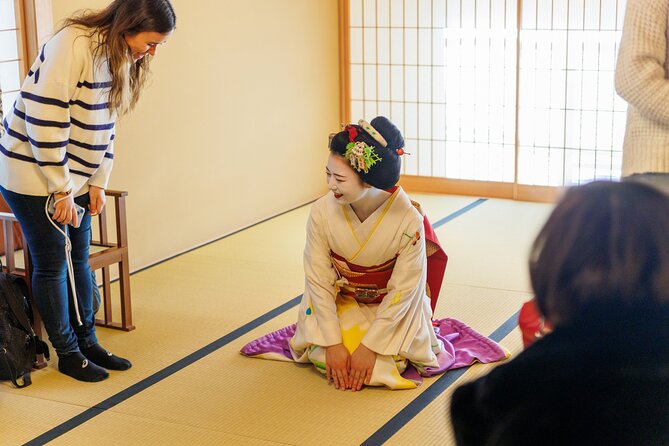
Book it if meeting a maiko and hearing directly about the tradition would be a highlight of your Kyoto trip. The strongest parts are the private tea house setting, the live dance, and the chance to ask questions with translation. The Gion walk adds context, but the personal exchange is the reason to spend the money.
Go in with realistic expectations: the dance may be brief, the day can run long, and this is not a full temple tour. Bring socks, leave room in your schedule, and respect the photo rules. If those details suit you, this offers a rare, thoughtful way to encounter a living Kyoto tradition.
FAQ
How long does the tour take?
Plan for three to five hours. The Gion walking tour takes about 70 to 80 minutes, and the meeting at the tea house takes about 90 minutes. The total may run longer than expected.
What is included in the price?
The experience includes a local guide, the Gion walking tour, a meeting with a maiko, a live performance by a maiko and former geiko, a conversation and Q&A, and a photo session with a maiko.
Is the tour conducted in English?
Yes. The tour guide speaks English, and the guide helps translate during the tea house conversation and Q&A.
How many dances will the maiko perform?
The performance includes one or two dances. The dance may be brief, with the rest of the indoor visit given to conversation, questions, and photographs.
Can I take photos or videos?
Photography and video are allowed only during the performance and the photo session. Ask the maiko directly for permission before uploading any photos online. Videos may not be uploaded online.
Do I need to bring anything?
Bring socks. They are required at the performance venue.
What happens if it rains?
The tour takes place rain or shine. Use an umbrella during the walk, and arrive at the venue with dry clothes and socks.
Is the venue accessible by wheelchair?
No. The performance takes place on the second floor of a private house, reached by stairs. The tour is not suitable for wheelchair users or people with mobility impairments.
Can I bring children?
Children under 10 are not suited to this tour.
More walking tours in Kyoto
- Nishiki Market Brunch Walking Tour (7 Tastings + Brunch)
★ 5.0 · 1,355 reviews - Kyoto Arashiyama Walking Tour: Bamboo, Monkeys, Gardens & Secrets
★ 5.0 · 1,216 reviews - Kyoto Gion: 2-Hour Geisha Culture & History Walking Tour
★ 5.0 · 1,186 reviews - Nara Half Day Trip Walking Tour (Private Option Available)
★ 5.0 · 937 reviews
Newly added in Kyoto
- Uji: Private immersion into Kyoto’s tea and reglious culture★ 5.0 · 17 reviews
- Whisk Your Own Matcha: A Zen Matcha Experience at Temple★ 3.6 · 7 reviews
- Kyoto tea town for matcha lovers★ 5.0 · 16 reviews
- Treasures of Kyoto: Gion & historical Walking Tour★ 5.0 · 6 reviews
- Kyoto Matcha Green Tea Tour★ 4.5 · 23 reviews
- Uji and Wazuka Matcha Farm Half Day Private Guided Tour★ 5.0 · 21 reviews
- Slow Cycling Tour at Uji’s Matcha Green Tea Fields and Heritage★ 5.0 · 25 reviews
- Uji Tea Ceremony and UNESCO Heritage Walking Tour★ 5.0 · 20 reviews
Kyoto Geisha Tours, compared.
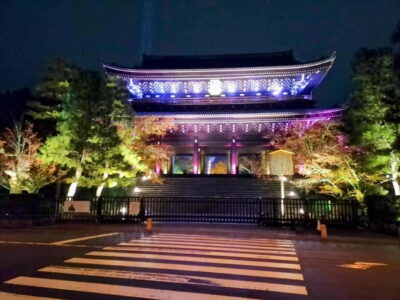
Kyoto Geisha Walking Tour: Gion District & Hidden Gems
Read our review →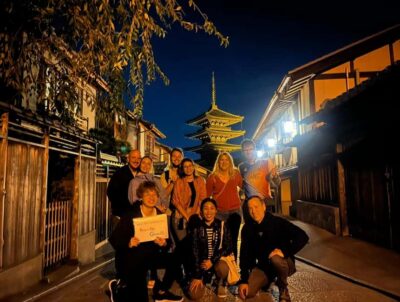
Gion Magical Night Walking Tour with Geisha Trivia
Read our review →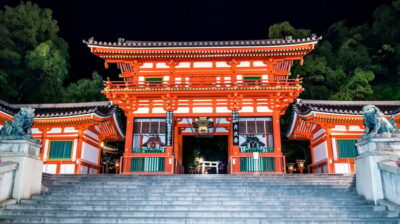
Gion Geisha District Walking Tour – Stories of Geisha
Read our review →
Best of Kyoto: Gion, Geisha, Pagodas & Cobblestones
Read our review →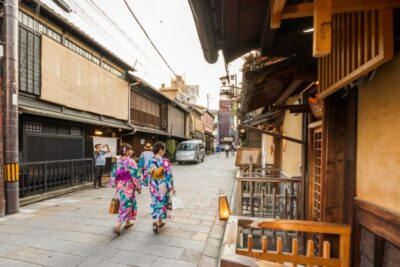

Kyoto Gion Cultural Walk & Geisha Show with Dining Options
Read our review →
Browse the lists this tour appears in