
Reviewed · KYOTO GEISHA TOURS
Kyoto Samurai and Geisha Town Private Walking Tour
Kyoto’s story is written in castles, Zen temples, and the lanes of Gion. This private, seven-hour tour links the city’s samurai past with its geisha heritage, starting at Nijo Castle and ending among the traditional town houses of Kyoto’s best-known geisha district.
I like two things in particular: the private format, which lets your group move at its own pace, and the way the route sets samurai history beside living traditions in Gion. An early 8:00 am start can also help you see the sights before the day fills up.
The main consideration is the length. Seven hours on foot, with public transit between areas, calls for moderate fitness, and the itinerary gives you limited time at each stop. You’ll need to make your own plans for food and drink, too.
Key points to know before you book
- Nijo Castle opens the day: Allow about an hour to explore the shogun’s Kyoto residence, with admission included.
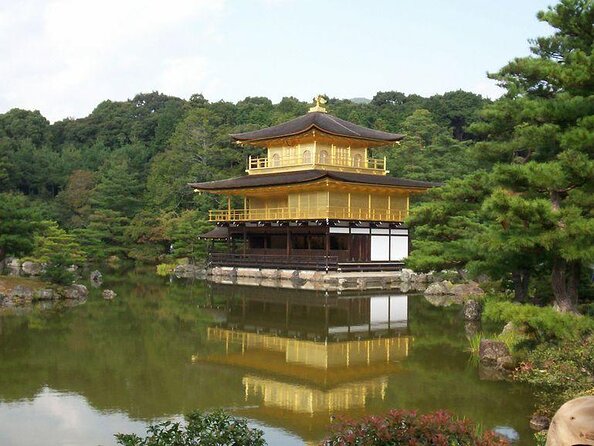
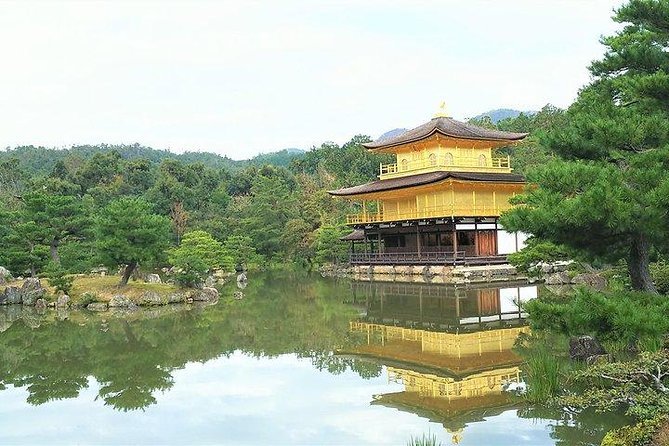
- Kinkakuji brings the famous view: The Golden Pavilion and its reflection in the pond are the main draw, with about an hour scheduled.
- Gion adds a different kind of history: This is Kyoto’s largest geisha district, where traditional performance culture and old town houses are part of the setting.
- Kennin-ji is a quieter temple stop: The 1202 Zen temple is in Gion and has a dry garden among its features.
- The tour is private: Only your group participates. Public transportation, guide fare, and admission fees are included.
- Food is on you: Meals and drinks are not included, and the tour starts at 8:00 am at Kyoto Station.
From a shogun’s castle to Gion’s traditional lanes
Kyoto served as Japan’s capital for more than 1,000 years, and its role in the country’s history reaches well beyond the Imperial court. Samurai leaders, including shoguns, also had strong ties to the city. This tour follows that thread through castles and temples before turning to Gion, where Kyoto’s traditional culture is still part of daily life.
That range is the tour’s central appeal. You don’t spend the day looking only at buildings from one period or hearing about one group of people. Instead, the stops connect political power, Zen Buddhism, and the arts associated with geisha districts. If you’re new to Kyoto, that gives you a useful framework for understanding why the city feels different from a modern Japanese capital.
The group is private, so you won’t be sharing the guide with strangers. That can make a long day easier to tailor to your interests, though the exact amount of flexibility isn’t specified. The route includes four main stops, with public transportation between locations. You can expect a mix of walking and transit rather than seven straight hours on foot.
The day begins at 8:00 am at Kyoto Station and finishes back at the same meeting point. The early start is a practical choice: it gives you a chance to see major sights before crowds build. It also means you should arrive ready for a full day, rather than expecting a gentle afternoon outing.
More geisha and maiko experiences in Kyoto:
- Kyoto Geisha Walking Tour: Gion District & Hidden Gems
★ 4.7 · 3,273 reviews - Kyoto: Gion Magical Night Walking Tour with Geisha Trivia
★ 4.9 · 2,393 reviews - Kyoto: Gion Geisha District Walking Tour – Stories of Geisha
★ 4.7 · 2,187 reviews
Nijo Castle and the shogun’s Kyoto
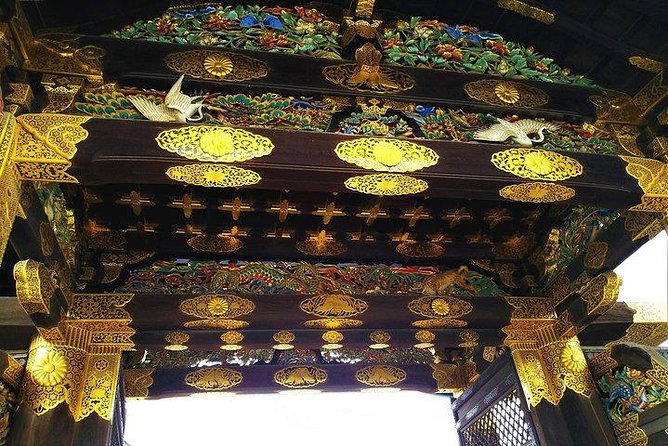
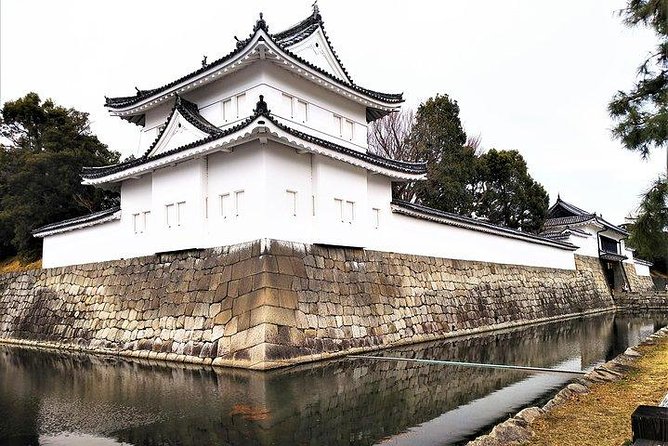
Nijo Castle is the first stop, with about an hour set aside and admission included. The shogun moved his government to Edo, present-day Tokyo, in 1603. Nijo Castle served as his residence when he came to Kyoto, a reminder that the city remained important even after it was no longer the seat of government.
The castle gives the day a strong historical starting point. You can think about the contrast between Edo, where the shogunate was based, and Kyoto, the old capital with its court traditions and major temples. The castle’s role helps explain why samurai history in Kyoto is not just a matter of battlefield stories. It is also about authority, ceremony, and the shogun’s presence in a city shaped by older institutions.
The tour description points to more than 1,000 ornate features inside the castle, but it does not specify which rooms or details the guide covers. The hour is enough to make a focused visit, not an unhurried examination of every corner. If castle architecture is a major interest, you may wish you had longer. On the other hand, a guided hour can help you concentrate on the details that matter most instead of wandering without context.
Kinkakuji and the Golden Pavilion
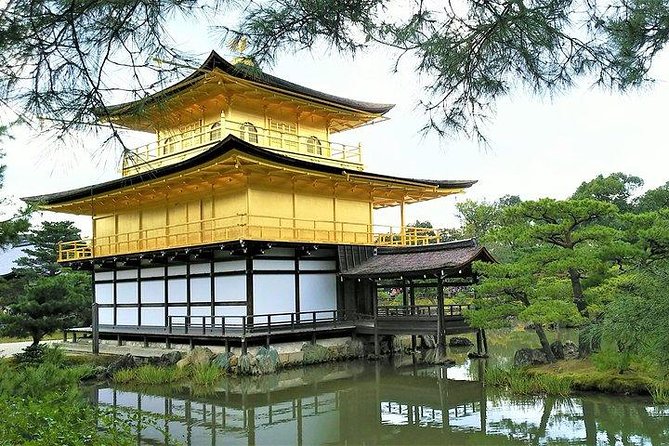
Next comes Kinkakuji, the Golden Pavilion, with another hour allotted and admission included. Built in 1397 by the third shogun of the Ashikaga shogunate, the Zen temple is one of Kyoto’s most familiar sights. Its gold-covered pavilion reflected in the pond is the image many people carry in their heads before they arrive.
The appeal is immediate and visual. Even if you know the famous photograph, seeing the building reflected across the water gives the visit a different scale and presence. The temple also connects the tour’s samurai theme to the Ashikaga shogunate, so this is not simply a scenic stop between the castle and Gion.
A one-hour visit is a reasonable amount of time for a major landmark, though the experience will depend on conditions and the number of people there. The tour starts early partly to help avoid crowds, but it cannot guarantee an empty path or a clear view. Keep your expectations flexible, especially at a site known across the world.
Kinkakuji can also be a busy stop in a way that a small neighborhood temple is not. If you prefer quiet, less-frequented places, this may be the day’s most demanding sight. Still, the pavilion is so closely tied to Kyoto’s image that seeing it in person makes sense for a first visit.
Gion, geisha culture, and old town houses
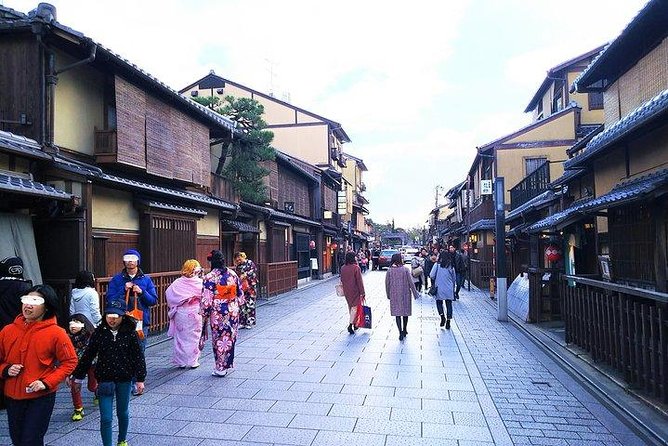
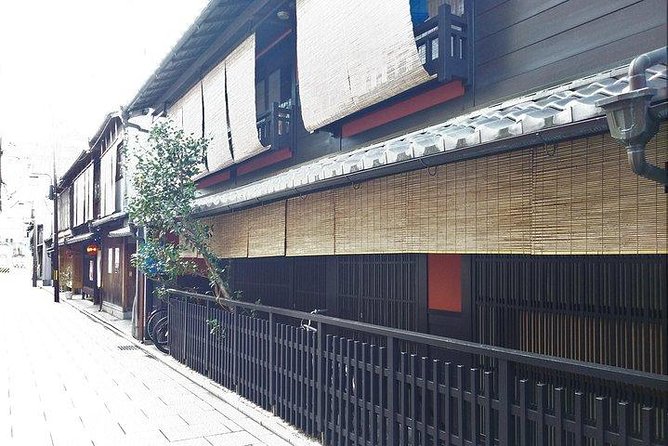
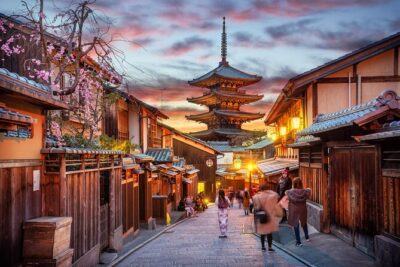
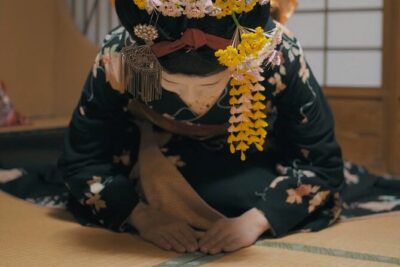
After the castle and temples, the tour turns to Gion for about 40 minutes. Kyoto has five kagai, or geisha districts, and Gion is the largest. Geisha are trained professional performers and an important part of traditional Japanese culture, not simply figures in a postcard scene.
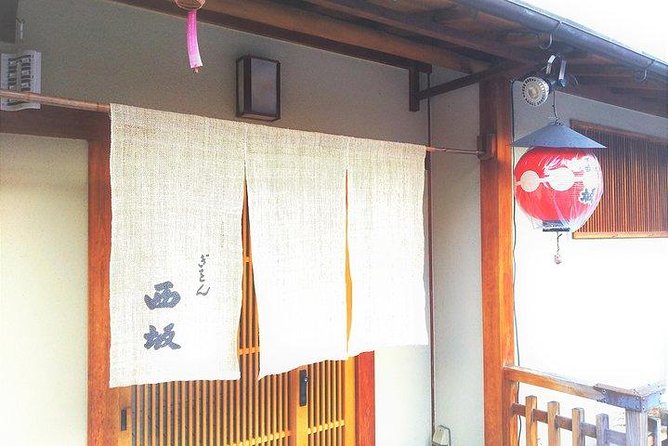
This short walk offers a chance to see the district’s streets and traditional town houses in context. The value is less about checking off a single monument and more about recognizing that Gion is a neighborhood associated with a living cultural tradition. Its streets have a different feel from the grounds of a castle or temple, and the change of setting helps keep the day from becoming a procession of historic buildings.
Forty minutes is brief. You’ll get an introduction rather than a thorough exploration of the district, and the tour details do not promise a geisha sighting or a performance. It is wise to approach Gion as a place to learn about the tradition and its setting, not as a guarantee of seeing performers on the street.
The private format may be useful here. A smaller group can make it easier to ask questions and keep the walk focused, though the tour’s exact approach to Gion is not specified. The key is to treat this as a cultural visit, with respect for a neighborhood where people live and work, rather than as a hunt for a photo.
More samurai and ninja experiences in Kyoto:
- Kyoto Samurai Experience
★ 5.0 · 1,294 reviews - Kyoto: Kendo and Samurai Experience with Uniform and Gear
★ 4.9 · 815 reviews - Kyoto: Samurai Sword Class by Experts in Traditional Arts
★ 4.9 · 657 reviews - Skip the lines Basic Ticket at SAMURAI NINJA MUSEUM KYOTO
★ 4.5 · 632 reviews
Kennin-ji, Kyoto’s first Zen temple
The final listed stop is Kennin-ji, in the Gion area. Founded in 1202 by the third shogun of the Kamakura shogunate, it is described as Kyoto’s first Zen temple. About 40 minutes are planned here, with admission included.
Kennin-ji provides a useful counterpoint to Kinkakuji. Both are Zen temples, but they belong to different periods and offer different settings. Kennin-ji is also tied directly to Gion, making it a natural way to move from the district’s streets into a temple space.
The temple’s dry garden is one feature called out as worth seeing. A dry garden uses a composed arrangement of elements rather than a pond or stream, so take time to notice how the setting is designed instead of treating it as a quick photo stop. The tour information also mentions another feature not fully specified, so ask your guide what to look for when you arrive.
At 40 minutes, this is another concise visit. That can suit you if you want a guided overview of several important places in one day. If you prefer to sit quietly in a temple or spend time studying its details, the schedule may feel brisk.
What the price includes, and where the value lies
At $135.59 per person, this tour is not simply a guide-led walk through a single neighborhood. The price includes guide fare, public transportation, and admission fees for the listed paid stops. Those inclusions make the cost easier to assess: you are paying for a full day that links sites across Kyoto, not just for an hour of commentary.
The private arrangement matters, too. Only your group takes part, which can be valuable if you want to ask questions, travel with family or friends, or avoid the pace of a large group. Group discounts are available, though the amount of the discount is not specified. The tour is booked an average of 53 days in advance, so plan ahead if you have fixed dates.
Food and drink are not included. Since the experience lasts about seven hours and starts early, plan how you’ll handle breakfast and lunch rather than assuming they are part of the day. The tour information does not specify a meal stop, so ask the operator if you need to know how breaks are handled.
The day’s value depends on what you want from Kyoto. If you want a guided introduction to samurai history, Zen temples, and Gion in one outing, the mix is strong. If your priority is spending several hours at one temple or exploring Gion at leisure, you may prefer to visit fewer places on your own.
Pace, mobility, and practical details
The itinerary assigns about an hour to Nijo Castle, an hour to Kinkakuji, and 40 minutes each to Gion and Kennin-ji. Those stops add up to around three hours and 20 minutes, so the rest of the seven-hour day allows for public transportation and movement between locations. The precise transit plan and walking distance are not provided.
A moderate level of physical fitness is recommended. The tour is described as accessible for people with limited mobility and for people with limited eyesight, but it is not stroller accessible. These details are helpful, but they do not explain the surfaces, stairs, or exact accessibility arrangements at each site. If you have a specific mobility need, contact KAMNAVI Tours before booking and ask about the full route.
The activity is private and starts and ends at Kyoto Station Building. Confirmation is received at booking. The pet information is inconsistent: it says animals are allowed and also says the tour is not suitable for pets. If you plan to bring an animal, confirm directly with the operator before you book.
You can cancel for a full refund up to 24 hours before the start time. Changes made less than 24 hours before the start are not accepted, and cancellations inside that window are not refundable. If poor weather forces cancellation, you are offered another date or a full refund.
Should you book this Kyoto walking tour?
Book this tour if you want a structured first look at Kyoto’s samurai-era sites and traditional culture, and you value having a guide connect the places rather than seeing them as separate stops. The strongest reasons to choose it are the private format, included admissions and transit, and the contrast between Nijo Castle, Kinkakuji, and Gion.
Think twice if you want a slow day, need long breaks, or would rather explore one district in depth. The schedule is broad, not leisurely, and the food plan is up to you. For a day that joins political history, temple culture, and Kyoto’s geisha district, though, it offers a practical route through several sides of the old capital.
FAQ
What time does the tour start?
The tour starts at 8:00 am at Kyoto Station Building in Kyoto.
How long does the tour last?
It lasts about seven hours and ends back at the meeting point.
Is this a private tour?
Yes. Only your group participates.
Which places are included?
The stops are Nijo Castle, Kinkakuji Temple, Gion, and Kennin-ji Temple.
Are admission fees and public transportation included?
Yes. Admission fees, guide fare, and public transportation are included.
Are food and drinks included?
No. Food and drink are not included.
Is the tour accessible for people with limited mobility?
It is described as accessible for people with limited mobility and limited eyesight. It is not stroller accessible, and a moderate fitness level is recommended.
Can I bring a pet?
The tour information says both that animals are allowed and that the activity is not suitable for pets. Confirm with KAMNAVI Tours before booking.
What happens if I cancel or the weather is poor?
You can cancel at least 24 hours before the start time for a full refund. If poor weather cancels the tour, you are offered a different date or a full refund.
More walking tours in Kyoto
- Night Walk in Gion: Kyoto’s Geisha District
★ 4.5 · 2,003 reviews - Kyoto Gion Geisha District Walking Tour – The Stories of Geisha
★ 5.0 · 1,441 reviews - Nishiki Market Brunch Walking Tour (7 Tastings + Brunch)
★ 5.0 · 1,355 reviews - Kyoto Arashiyama Walking Tour: Bamboo, Monkeys, Gardens & Secrets
★ 5.0 · 1,216 reviews
Newly added in Kyoto
- Uji: Private immersion into Kyoto’s tea and reglious culture★ 5.0 · 17 reviews
- Whisk Your Own Matcha: A Zen Matcha Experience at Temple★ 3.6 · 7 reviews
- Kyoto tea town for matcha lovers★ 5.0 · 16 reviews
- Treasures of Kyoto: Gion & historical Walking Tour★ 5.0 · 6 reviews
- Kyoto Matcha Green Tea Tour★ 4.5 · 23 reviews
- Uji and Wazuka Matcha Farm Half Day Private Guided Tour★ 5.0 · 21 reviews
- Uji Tea Ceremony and UNESCO Heritage Walking Tour★ 5.0 · 20 reviews
- Utilising upcycled Matcha! Creating matcha incense (Uji, Kyoto)★ 5.0 · 6 reviews
Kyoto Geisha Tours, compared.
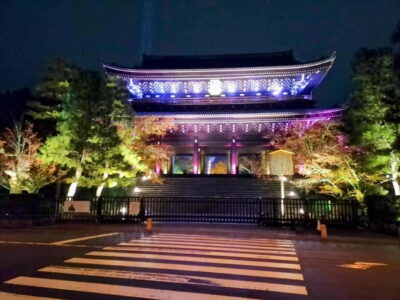
Kyoto Geisha Walking Tour: Gion District & Hidden Gems
Read our review →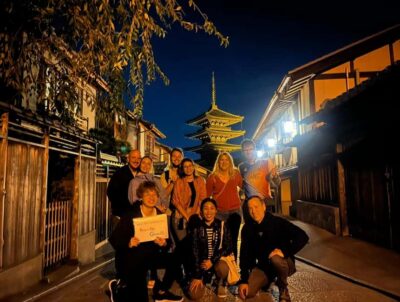
Gion Magical Night Walking Tour with Geisha Trivia
Read our review →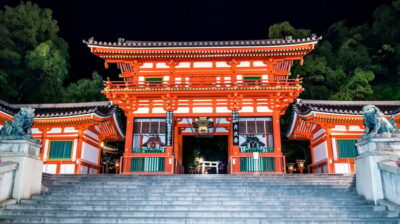
Gion Geisha District Walking Tour – Stories of Geisha
Read our review →
Best of Kyoto: Gion, Geisha, Pagodas & Cobblestones
Read our review →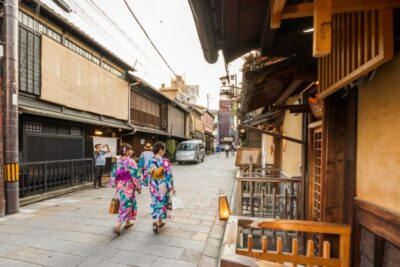
Kyoto Gion Cultural Walk & Geisha Show with Dining Options
Read our review →
Browse the lists this tour appears in