
Reviewed · NARA TOURS
Nara: Cultural Heritage Tour by Rickshaw
Nara’s deer may be the first thing you notice, but a private rickshaw gives you a more personal way to connect them with the temples, shrines, and old streets around them. You can choose a short ride to grassy Mt. Wakakusa, a focused tour of Buddhist sculpture, or a longer route that adds Naramachi and sake.
I like two things here: you can tailor the route to your interests, and the guide travels with your small private group rather than a crowd. The deer biscuits are included, too, making a stop with Nara’s famous animals part of the plan instead of an afterthought.
One caution: the stated duration is inconsistent. The options describe rides of 70, 130, and 190 minutes, while the general activity details give a 70-to-130-minute range. Confirm the exact route, meeting point, and price for your choice before booking. Admission to temples is not included.
At a glance
- Mt. Wakakusa route: A 70-minute ride toward grassy slopes, with city views on clear days and biscuits for feeding deer.
- Buddhist statue route: A 130-minute visit to Kofukuji’s halls and Todaiji’s Nandaimon Gate.
- Heritage and sake route: The 190-minute option adds Todaiji, Kasuga Taisha, Naramachi, and a sake brewery visit with samples.
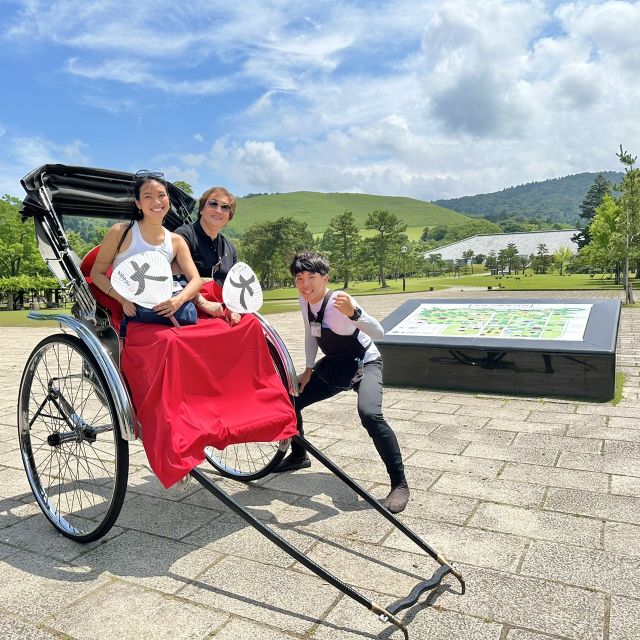
- Private ride: Each rickshaw carries up to two adults, with a local guide speaking Japanese or English.
- Extra costs: Temple admission, snacks, and drinks are not included.
- A little planning needed: Meeting points vary by option, and the listed duration range does not match all three detailed itineraries.
A rickshaw is a useful way to see Nara
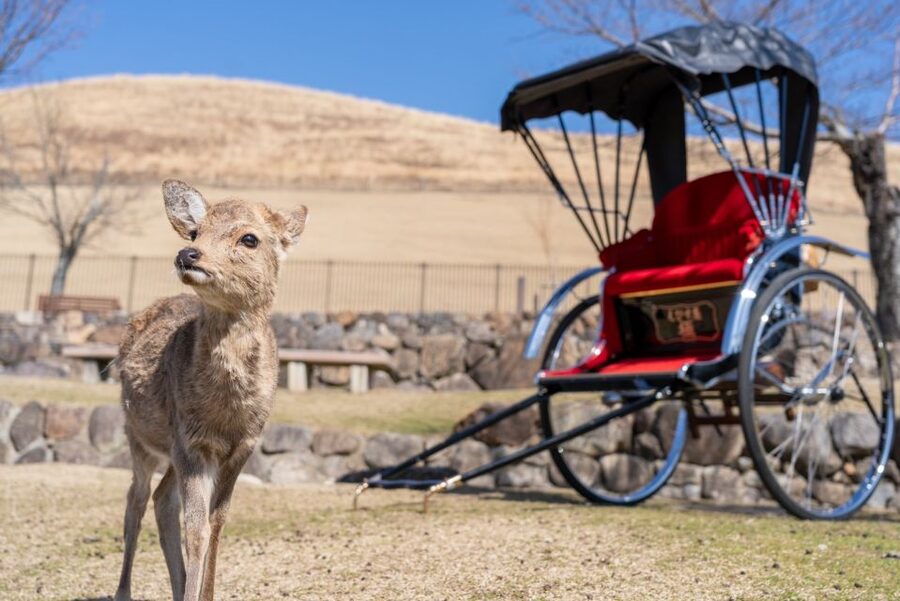
Nara’s historic core can feel spread out when you are trying to connect temples, shrines, deer areas, and traditional streets on foot. A rickshaw gives you a guide-led ride between sights, with stops for photos and explanations along the way. You are not simply hiring a vehicle: the point is to let a local guide shape the route around your interests.
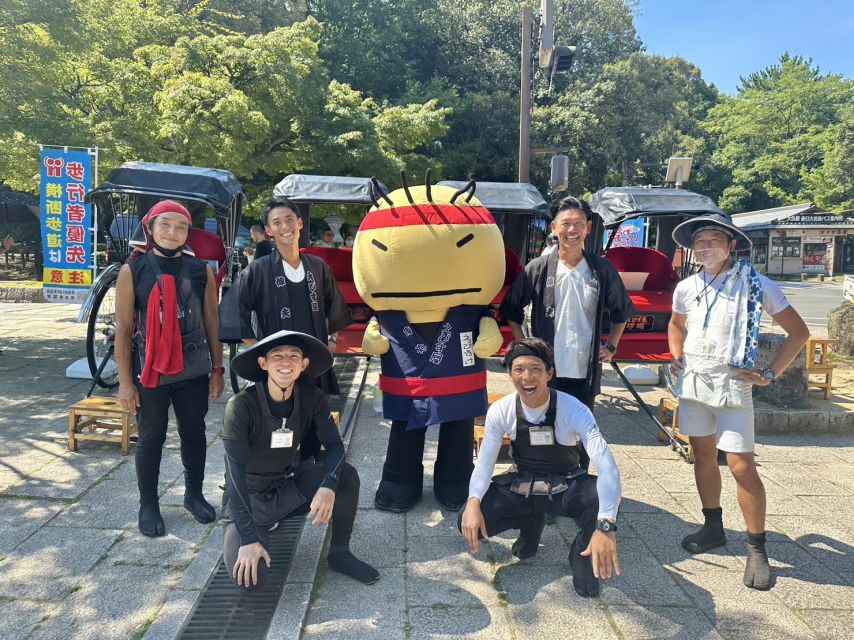
This is a private tour, so the conversation and pace are yours to manage. Ask about the Buddhist art, the old town, or the deer, and the guide can focus on what matters to you. The tour is offered in Japanese and English, and the provider, Ebisuya Rickshaw, supplies the ride and deer biscuits.
The format is also a practical choice if you want a taste of Nara without committing to a long walking tour. But the rickshaw is narrow, and sitting for a sustained ride may not suit everyone. The stated width is 21.1 inches, or 74 centimeters, and two adults can share one rickshaw. You may be more comfortable booking separate rickshaws if you prefer extra room.
More Nara trips in Nara:
- World Heritage Kyoto & Nara Uji Authentic Matcha Experience
★ 5.0 · 1,573 reviews - Kyoto/Osaka: Nara, Fushimi Inari Taisha, Arashiyama Bus Tour
★ 4.7 · 1,275 reviews - Nara Half Day Trip Walking Tour (Private Option Available)
★ 5.0 · 937 reviews
Mt. Wakakusa and a gentler deer stop
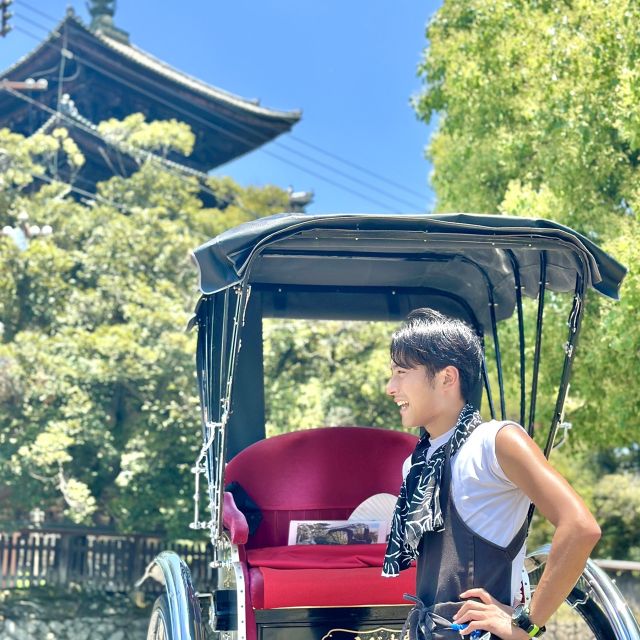
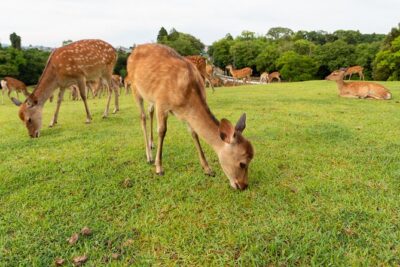
The 70-minute option leaves the historic temples and shrines behind for Mt. Wakakusa, a hill covered in grass. On a clear day, you can look out over the Nara skyline. It is the best fit if you want a shorter outing, a change of scenery, and time with the deer without making temple sculpture the focus.
Deer biscuits are provided, so you can feed the animals during the stop. The tour information describes the deer at Mt. Wakakusa as gentle, while warning that deer near Todaiji can be more forceful. That distinction is useful: keep your attention on the animals, follow your guide’s instructions, and do not assume that every deer encounter around Nara will feel the same.
This route trades interior visits for fresh air and a straightforward animal encounter. If you have limited time or are traveling with children who are most excited about deer, it may be the easiest option to understand and enjoy. If temple interiors, sculpture, or Nara’s religious history are the main reason you came, choose one of the longer routes instead.
Kofukuji and the Buddhist statue route
The 130-minute itinerary is designed for people who want to look closely at Buddhist art. It includes Kofukuji Temple’s National Treasure Hall, Tokondo Hall, and Chukondo Hall, followed by Todaiji Temple’s Nandaimon Gate. The guide provides explanations about Buddhist statues and the sculptors who made them.
That emphasis changes the character of the outing. Rather than moving quickly from one famous landmark to another, you have a theme to follow: how Buddhist images are made and why they matter. The guide’s commentary is particularly valuable here. A statue can be impressive at a glance, but context helps you notice its details and understand why it has been preserved.
There is a practical cost to factor in. Admission fees to temples are excluded, so your total will be more than the stated tour price if you enter the listed halls. Check which sites you plan to visit and bring additional money for entry. Also confirm what access is covered on your chosen route, since the tour includes visits to these sites but does not bundle admission.
This option suits visitors who enjoy art, religious history, or a guide’s close explanation more than a broad sightseeing loop. If you are mainly after scenic views or deer, the shorter route is likely a better match.
Todaiji, Kasuga Taisha, Naramachi, and sake
The longest itinerary is described as a 190-minute World Heritage route. It visits Todaiji Temple and Kasuga Taisha Shrine, passes through Naramachi, where older town scenery remains, and includes a stop at a traditional sake brewery for samples. You can buy a bottle at the brewery, though purchasing one is optional.
Todaiji is home to the Daibutsu, the enormous bronze statue of Buddha Vairocana. The rickshaw begins near an intersection by the temple, although the precise meeting point may depend on the option you book. The tour also includes Todaiji’s Nandaimon Gate on the statue-focused itinerary, so check the route details if seeing both the gate and temple interiors is important to you.
Kasuga Taisha adds a shrine visit to a day otherwise centered on temples and old streets. Naramachi provides a different view of Nara, with its preserved townscape, while the brewery stop gives you a taste of local sake culture. The mix makes this the broadest itinerary, but it is also the longest and may involve the most extra spending: temple admission is not included, and any bottle you buy costs extra.
There is a mismatch to sort out before you reserve. This itinerary is described as 190 minutes, but the general duration information gives a maximum of 130 minutes. The tour options are also called 70 minutes, 130 minutes, and 190 minutes in different places. Confirm that the long route is actually available for your date and that the quoted price applies to it.
More Kyoto tours in Nara:
- Osaka/Kyoto: Arashiyama, Nara & Fushimi Inari Shrine w/Lunch
★ 4.4 · 754 reviews - Nara Early Morning Tour (Kyoto or Osaka Departure Available)
★ 5.0 · 676 reviews - Kyoto and Nara Day Trip from Kyoto
★ 4.5 · 445 reviews - Full Day Guided Tour to Kyoto and Nara from Osaka by Van
★ 5.0 · 420 reviews
What the $77 price gets you
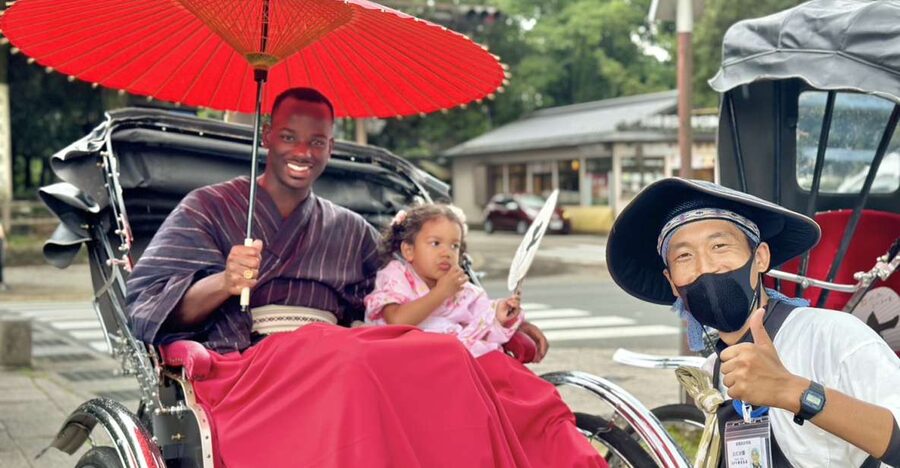
The stated price is $77 per person. It covers a private rickshaw tour, a local guide, and photo stops at scenic spots along the route. Deer biscuits are provided for the Mt. Wakakusa option. That is a different value proposition from paying for transport alone: you get a guide who can explain what you are seeing and adjust the focus to your interests.
The price does not cover temple admissions, snacks, or drinks. If you choose the Buddhist statue route or the longer heritage option, budget for entry fees as well as any sake or bottle you decide to purchase. Hotel pickup is not included, so you will need to make your own way to the assigned meeting point.
The tour is private, but the rickshaw has a firm capacity limit: a maximum of two adults. Up to two children aged five or under can ride with two adults, seated on an adult’s lap. A child who uses one of the two seats must be booked as a full-fare passenger. Adult pricing applies from age six.
For two adults who want a private guide and a tailored route, the price may make sense, particularly if you value explanation and a memorable ride as much as the sights themselves. It is less compelling if you only need a short ride between places or prefer to explore temple interiors at your own pace. Compare the total cost, including admissions, with the amount of time you want to spend on the route.
Comfort, access, and the details to check
The tour is described as wheelchair- and stroller-friendly, but the rickshaw itself is narrow. If you need a particular kind of access or have concerns about getting in and out, confirm the arrangements with the operator before booking. The stated width is 74 centimeters, and each vehicle fits no more than two adults.
The tour is not recommended for people with back problems or pregnant women. It is also not recommended during the first 16 weeks of pregnancy. Since the ride takes place seated in a rickshaw, take those cautions seriously rather than assuming a short itinerary will be comfortable.
Selfie sticks are not allowed. Photo stops are included, so you can still take pictures at selected points without bringing one. If you want a particular finish location instead of returning to the starting point, the end point can be customized by consulting your guide.
The meeting point may vary depending on which route you choose. The general starting area is near the intersection by Todaiji, but do not rely on that as your final directions. Check the precise location for your selected option, especially since the tour can be customized.
One named guide, Ricky, has been singled out for a particularly good experience. That is a useful sign that the guide can be an important part of the tour, but it does not guarantee that Ricky will lead your ride. Your guide may be someone else.
Who should book this Nara ride?
I would choose the 70-minute route if you want a compact outing with a scenic hill and deer feeding. Pick the 130-minute route if Buddhist images and their makers are what you most want to understand. The 190-minute option is the fullest choice for combining major religious sites, old-town scenery, and sake, provided you confirm that the longer itinerary is offered on your date.
Families should read the seating rules closely. Young children can ride on an adult’s lap, but a child occupying a seat is charged at the adult rate. Couples and small private groups may appreciate the personal format, while anyone who needs more space should consider separate rickshaws.
I would book this tour if you want a local guide, a tailored route, and a distinctive way to get around Nara. I would pause if you have back trouble, are pregnant, need a longer itinerary that has not been confirmed, or are trying to keep extra costs to a minimum. The best choice is the route that matches your interests, not simply the longest one.
FAQ
How long is the Nara rickshaw tour?
The detailed options are listed as 70, 130, and 190 minutes. General activity details give a range of 70 to 130 minutes, so confirm the exact duration and availability of your chosen route before booking.
What languages can the guide speak?
The tour is offered with a live guide in Japanese or English.
Is the rickshaw private?
Yes. The tour is for a private group.
Can I feed the deer?
The Mt. Wakakusa option includes deer biscuits provided by the company. The deer there are described as gentle, while deer near Todaiji may be more forceful.
Are temple admission fees included?
No. Temple admission fees are not included in the tour price.
How many people can ride in one rickshaw?
A rickshaw can carry up to two adults. Up to two children aged five or under may ride with two adults on an adult’s lap. A child using one of the two seats must be booked at the adult fare.
Is the tour suitable for people with back problems or pregnant women?
It is not recommended for people with back problems or pregnant women. The information also says it is not recommended during the first 16 weeks of pregnancy.
Newly added in Nara
- Nara Private Day Trip – Enjoy Your First-Time Visit to Nara!★ 5.0 · 10 reviews
- Relax in Nara: Deer Park, Todai-ji Temple and Merchants’ Town★ 5.0 · 6 reviews
- Nara Todaiji Lazy Bird Walking Tour★ 5.0 · 11 reviews
- Nara: Authentic Onigiri Cooking Class & Meal in a Local Home★ 5.0 · 4 reviews
- Private Nara Tour and Sake Tasting (Departing from Kyoto/Nara)★ 5.0 · 40 reviews
- Nara World Heritage PRIVATE TOUR★ 4.5 · 15 reviews
- Private Journey in Nara’s Historical Wonder★ 5.0 · 3 reviews
- Nara:Private Tea Ceremony(Max 5 ppl) -Master Matcha Making-★ 5.0 · 3 reviews
Nara Tours, compared.
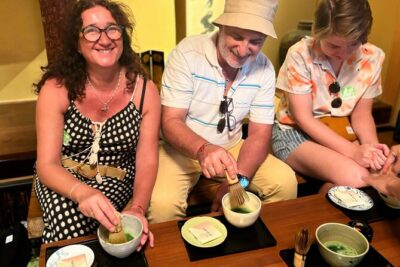
World Heritage Kyoto & Nara Uji Authentic Matcha Experience
Read our review →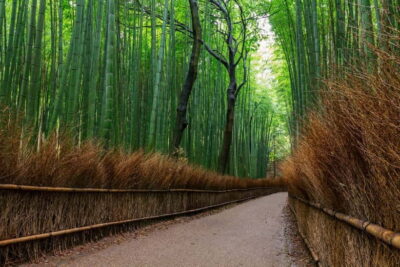
Nara, Fushimi Inari Taisha, Arashiyama Bus Tour
Read our review →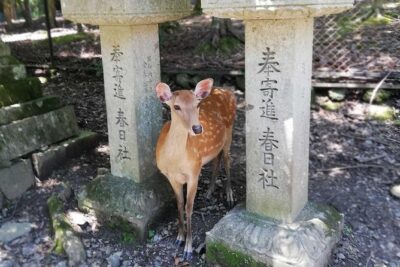
Nara Half Day Trip Walking Tour (Private Option Available)
Read our review →
Arashiyama, Nara & Fushimi Inari Shrine w/Lunch
Read our review →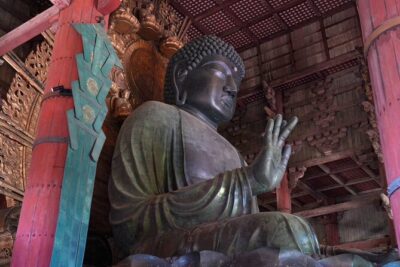
Nara Early Morning Tour (Kyoto or Osaka Departure Available)
Read our review →
Full Day Guided Tour to Kyoto and Nara from Osaka by Van
Read our review →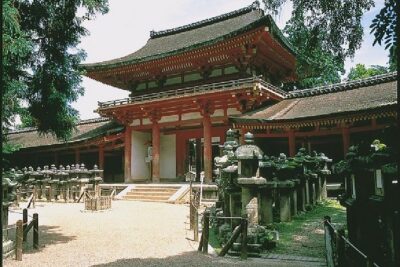
Browse the lists this tour appears in