
Reviewed · KYOTO COOKING CLASSES
Near Fushimiinari: Kyoto Home Cooking Class & Supermarket tour
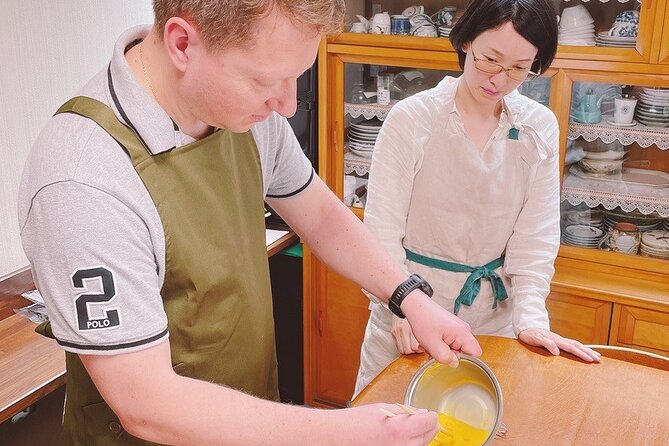
A traditional Japanese home, a hands-on cooking lesson, and a guided supermarket visit: this four-hour Kyoto experience gives you a practical look at everyday food culture, not just a plate of finished dishes. I like that you make about five dishes yourself, and that the small group gives you room to ask questions. Miho is a named instructor, and her warm, clear teaching is a recurring strength.
The meal is included, as are ingredients and seasonings, and you leave with recipes to try at home. The main consideration is the price: at $118.92 per person, it costs more than a casual lunch, so it makes the most sense if you value the instruction, home setting, and supermarket walk as part of the experience.
At a glance
- Start with dashi: Learn about Japanese soup stock, a foundation of many dishes.
- Cook about five dishes: Watch demonstrations, then prepare food yourself or with a partner.
- Eat in a traditional room: Share the meal with the group while looking out toward a Japanese garden.
- Take the lesson to the shops: Spend about 30 minutes identifying class ingredients at a local supermarket.
- Keep the group small: A maximum of six people means more time for questions and guidance.
- Plan for four hours: The activity starts at 9:30 am and ends back at the meeting point.
Begin with dashi, the base of the meal
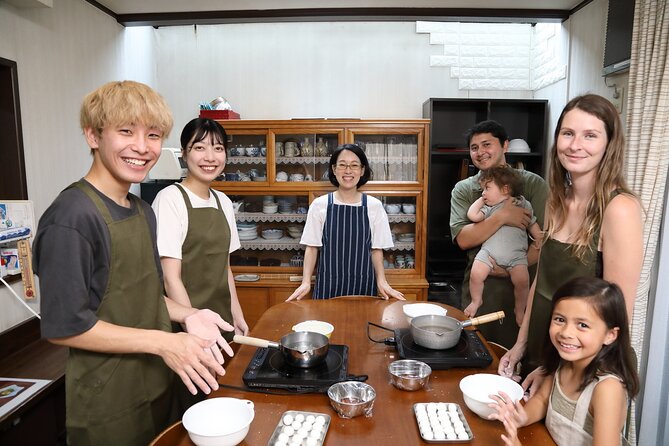
The class starts in a Japanese home near Fushimi Inari Shrine. Rather than launching straight into chopping and cooking, the instructor introduces dashi, a Japanese soup stock used in many parts of the country’s cooking. That is a useful place to begin: once you understand the stock, familiar dishes such as miso soup make more sense, and the flavors on your plate have context.
The lesson is held in English, and the instructors are licensed guide interpreters. That should help if you want more than a recipe demonstration. You can ask about ingredients and techniques as you go, and the group size, capped at six, leaves more room for conversation than a large class would.
Miho is the instructor named most often by people who have taken the class. She is described as friendly, patient, and clear in her explanations, with a knack for answering questions and showing how to make the dishes at home. The activity does not guarantee that Miho will teach every session, so treat her as a useful name to know, not a promised host.
More cooking classes in Kyoto:
- Ramen Cooking Class at Ramen Factory in Kyoto
★ 5.0 · 1,937 reviews - Sushi Making in Kyoto! Same-day bookings welcome!
★ 5.0 · 713 reviews - Kyoto: Ramen Cooking Class at a Ramen Factory with Souvenir
★ 4.9 · 532 reviews
Prepare five dishes, not just one
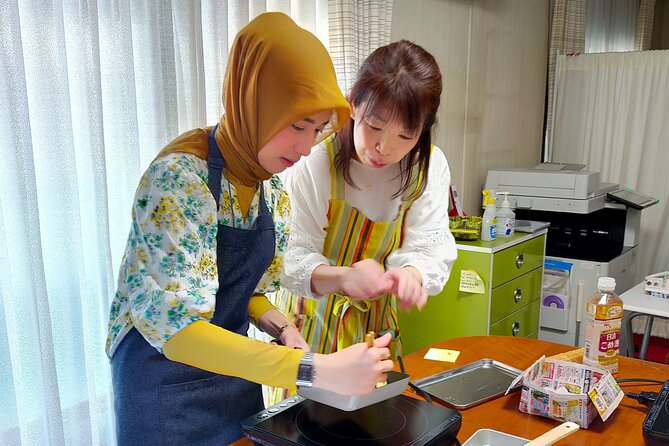
After the dashi introduction, the instructor demonstrates some of the cooking before you start preparing dishes yourself, either on your own or with a partner. The plan is to make about five items. Dishes that have been prepared include miso soup, sushi, spinach salad, tempura, matcha, and mochi.
That range is part of the class’s appeal. You are not spending the whole morning perfecting one elaborate dish. Instead, you get a taste of several techniques and ingredients, with simple recipes that can help you recreate parts of the meal later. The exact combination of dishes is not specified as fixed, so don’t book with the expectation of making every item named above.
The format is hands-on, but you are guided through it. The instructor shows you how to prepare some dishes first, then you get to do the work. If you are new to Japanese cooking, that balance can be reassuring: you can see the method before trying it, while still gaining the satisfaction of making the food yourself.
The small group matters here. With no more than six people, it is easier to ask why a particular step matters or how to handle an ingredient than it would be in a crowded demonstration. If you are traveling alone, the shared cooking also gives you a natural way to meet a few people without having to make a whole day of it.
Sit down to lunch in a Japanese room
Once the cooking is done, you and the group sit down to eat what you have prepared. The meal takes place in a traditional Japanese room with tatami flooring, a tokonoma display area, and a view of a garden. The kitchen is where you do the work; the dining room gives the meal a quieter, more home-like setting.
This is a welcome change from eating in a restaurant. You can connect the food on the table with the steps you just practiced, and you have time to ask the instructor more questions over lunch. The emphasis is on a shared meal rather than a formal restaurant service, so go in expecting a friendly class lunch, not a tasting menu.
Lunch is included in the $118.92 price, along with the ingredients, seasonings, and fees. Drinks are not included, so bring money if you want something beyond what is provided. The class description also notes that vegetarian needs can be accommodated, which is useful if you want to ask about your diet before booking.
Mochi is another memorable part of the cooking for some sessions. It has been made by participants as part of the class, and one account describes making it with a grandchild. Since the list of dishes may not be fixed, consider mochi a possible treat rather than a guaranteed item.
Walk the supermarket aisles with a guide
After lunch, the group visits a local supermarket for about 30 minutes. This is not a separate shopping excursion so much as a practical extension of the cooking lesson: you look for ingredients used in class and learn what is what in a Japanese grocery store.
That guidance can be especially useful if you plan to cook Japanese food at home. A package of seasonings or stock ingredients may be easy to recognize after the instructor has explained it, but harder to identify when you are standing alone in front of shelves of unfamiliar labels. You can also buy ingredients for making the dishes later, though shopping is optional and any purchases are at your own expense.
The supermarket stop is a small part of a four-hour activity, but it gives the recipes a better chance of traveling home with you. Instead of ending with a meal and a vague promise to try cooking someday, you can see the ingredients in their everyday setting and ask for help choosing them.
The tour ends back at the meeting point. The address is 38-4 Fukakusa Watamorichō, Fushimi Ward, Kyoto, near public transportation. Hotel pickup and drop-off are not included, so you need to make your own way there and back.
More Kyoto tours in Kyoto:
- PERFECT KYOTO 1-Day Bus Tour
★ 5.0 · 13,518 reviews - Kyoto: Fushimi Inari, Kinkakuji, Bamboo Grove 1 Day Bus Tour
★ 4.8 · 4,316 reviews - Kyoto: Tea Ceremony in a Traditional Tea House in Kiyomizu
★ 4.9 · 3,519 reviews - Kyoto Geisha Walking Tour: Gion District & Hidden Gems
★ 4.7 · 3,273 reviews
What the price covers, and what it does not
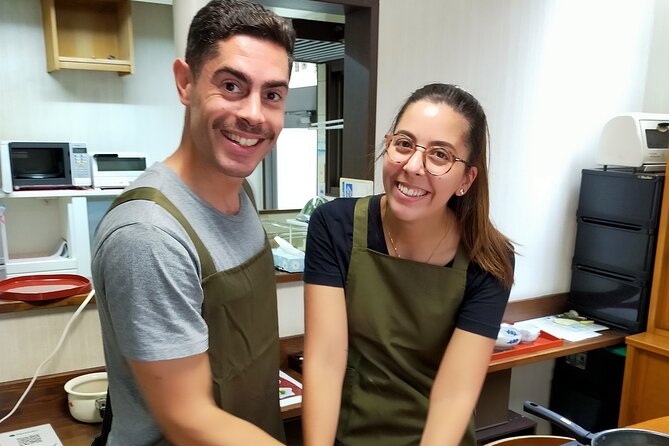
At $118.92 per person, this is not a bargain lunch. You are paying for several connected parts: a small-group cooking lesson, an English-speaking instructor, all cooking ingredients and seasonings, lunch, and a guided supermarket visit. If you want to learn a few techniques and understand where to find the ingredients, the price is easier to justify than if you are mainly looking for a meal.
The four-hour schedule gives the class room to move at a sensible pace: an introduction, a cooking session, a shared lunch, and a short supermarket walk. The maximum group size of six is a practical benefit, particularly if you like asking detailed questions or want more direct help while preparing food.
The class begins at 9:30 am. It averages around 28 days of advance booking, so it is sensible to plan ahead rather than assume you can find a last-minute place. Confirmation is received at booking, and the ticket is mobile.
There are a few costs to keep in mind. Drinks, gratuities, transportation, and any groceries you buy are not included. The cancellation policy allows a full refund if you cancel at least 24 hours before the start time. Changes or cancellations inside that window are not accepted for a refund. If poor weather forces the activity to be canceled, you are offered another date or a full refund.
Who will get the most from this class
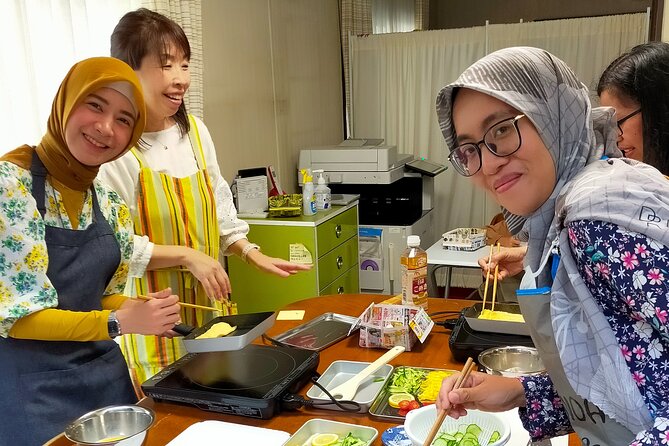
This experience suits you if you want to learn by doing and care about the everyday details behind Japanese food. It is a good choice for solo visitors, couples, or small groups who enjoy cooking and are comfortable sharing a kitchen and meal with other people.
It is also useful if you want recipes you can try after your trip. The instructor provides recipes, and the supermarket visit helps connect the written instructions to ingredients you can actually seek out. If you are curious about Japanese home cooking but do not need an advanced or highly technical course, the broad range of dishes should be a good fit.
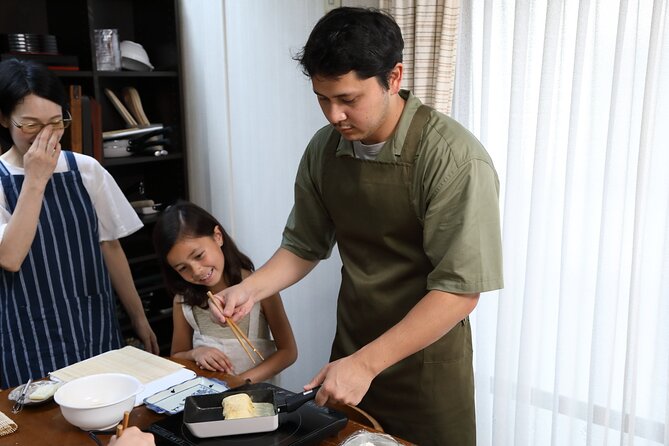
Families may find the hands-on format appealing, and the experience has been enjoyed by an adult cooking with a grandchild. Still, the information does not give a minimum age or describe child-specific activities, so ask before booking if you are planning to bring young children.
This may not be the best use of your time if you want a quick meal, a restaurant-focused food tour, or a class centered on mastering one complex dish. The supermarket visit is about 30 minutes, not a long market tour, and the cooking session is designed to cover several dishes rather than go deeply into one specialty.
Should you book it?
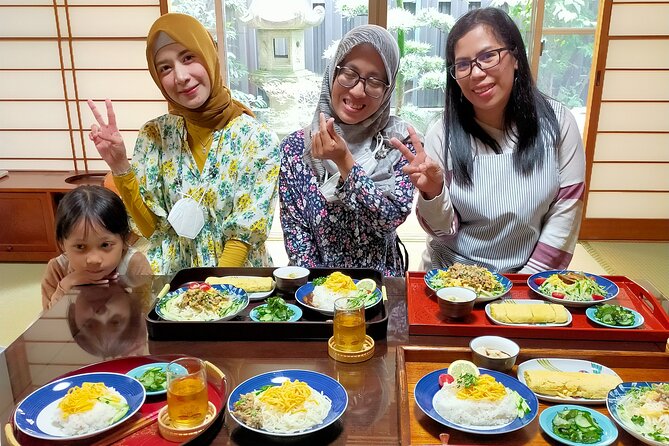
Book this class if you want a personable introduction to Japanese home cooking, with enough instruction to try the recipes again and a supermarket visit that makes the ingredients less mysterious. The traditional room, garden view, small group, and chance to cook about five dishes give the experience more substance than a meal alone.
Think twice if your priority is simply keeping costs down or if you would rather spend the morning at Fushimi Inari Shrine itself. For a cooking-minded visitor, though, this is a practical way to connect Kyoto’s food with the place people shop and cook. Ask about dietary needs and the planned dishes when you book, and arrive ready to participate.
FAQ
How long does the experience last?
It lasts about four hours. The supermarket visit takes about 30 minutes.
What time does the class start?
The activity starts at 9:30 am.
Where does the class meet?
It starts at 38-4 Fukakusa Watamorichō, Fushimi Ward, Kyoto, near Fushimi Inari Shrine. It ends back at the meeting point.
How many people can join?
The group is limited to a maximum of six people.
Is the class taught in English?
Yes. The class is conducted in English, and the instructors are licensed guide interpreters.
What is included in the price?
Lunch, all cooking ingredients and seasonings, all fees and taxes, an English-speaking instructor, and the local supermarket visit are included.
Are drinks included?
No. Drinks are not included.
Can I cancel for a refund?
You can receive a full refund if you cancel at least 24 hours before the start time. If poor weather causes the activity to be canceled, you are offered a different date or a full refund.
Newly added in Kyoto
- Uji: Private immersion into Kyoto’s tea and reglious culture★ 5.0 · 17 reviews
- Whisk Your Own Matcha: A Zen Matcha Experience at Temple★ 3.6 · 7 reviews
- Kyoto tea town for matcha lovers★ 5.0 · 16 reviews
- Treasures of Kyoto: Gion & historical Walking Tour★ 5.0 · 6 reviews
- Kyoto Matcha Green Tea Tour★ 4.5 · 23 reviews
- Uji and Wazuka Matcha Farm Half Day Private Guided Tour★ 5.0 · 21 reviews
- Uji Tea Ceremony and UNESCO Heritage Walking Tour★ 5.0 · 20 reviews
- Utilising upcycled Matcha! Creating matcha incense (Uji, Kyoto)★ 5.0 · 6 reviews
Kyoto Cooking Classes, compared.

Ramen Cooking Class at Ramen Factory in Kyoto
Read our review →
Sushi Making in Kyoto! Same-day bookings welcome!
Read our review →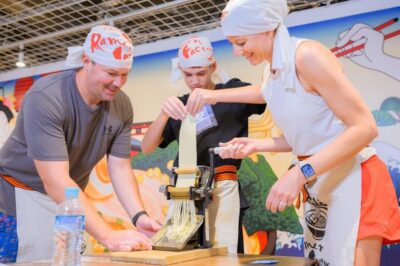
Ramen Cooking Class at a Ramen Factory with Souvenir
Read our review →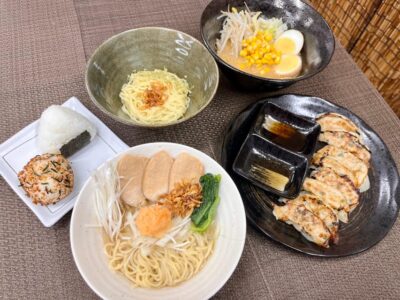
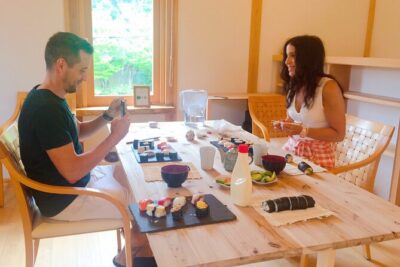
The Original Small-Group Sushi Making Class in Kyoto
Read our review →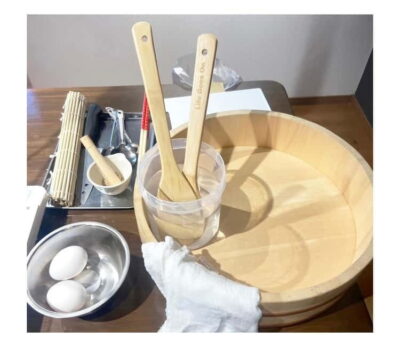
Japanese Washoku Bento Small Group Cooking Class
Read our review →
Japanese Traditional Sweets Making and Tea Ceremony
Read our review →
Kyoto Ramen and Gyoza Cooking Class with Professional Chefs
Read our review →Browse the lists this tour appears in