Reviewed · KYOTO TOURS
Private Guided Historical Sightseeing Tour in Kyoto
Kyoto’s big challenge is not finding places to see. It is fitting shrines, temples, food streets, and historic neighborhoods into a short visit without spending the day figuring out the route. This private four-hour tour connects seven well-known stops, from Fushimi Inari-taisha to Gion, with a local guide to explain what you are looking at.
I like two things about the plan: the range of places gives you a quick introduction to Kyoto’s religious and cultural life, and the private format lets your guide adjust the pace and focus to your group. Past guides include Julian, Riccardo, Robert, Oscar, Andrea, Johannes, Ken, and Diego, though the guide for your date is not named in advance here.
The main concern is reliability. Some bookings have gone very well, but others have involved a guide who did not arrive or a company that was hard to reach. The 3.5 average rating across 24 reviews reflects that unevenness, so confirm the meeting time, pickup details, and admission costs before you set aside half a day.
- Seven contrasting stops: Shrines, temples, market lanes, and traditional districts in one four-hour route.
- A private group: Only your party joins, and guides have adjusted pace and interests for their groups.
- Pontocho gets the longest visit: Set aside an hour for this atmospheric lane beside the Kamogawa River.
- Food is part of the route: Nishiki Market offers a chance to see Kyoto’s specialty foods and try street snacks.
- Check the practical details: Pickup is offered, but meeting times, communication, and admission arrangements need confirming.
- Plan ahead: The tour costs $85 per person and is booked about 49 days in advance on average.
Seven Kyoto stops, one short introduction
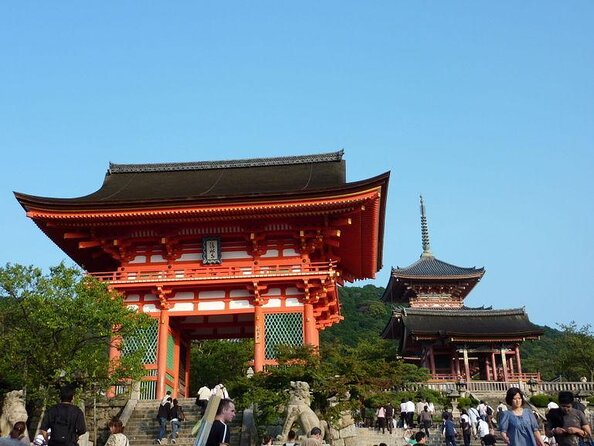
This is a fast-moving sampler, not a slow study of any one temple or neighborhood. The route allots about 30 minutes to six stops and an hour to Pontocho, adding up to four hours. That works well if you want a structured first look at Kyoto, but expect to leave several places wanting more time.
Because it is a private tour, your group does not have to match the pace of strangers. Guides have adapted visits for older groups and followed the interests of their guests. That flexibility is useful, though it is not a promise that every stop can be extended: seven locations in four hours leaves little slack.
The route links sites in different parts of the city, so transport matters. A guide has used walking, trains, and taxis on past outings. Pickup is offered, and one guide collected a group at its hotel, but the precise arrangement should be confirmed directly. Do not assume every group gets hotel pickup or that every transfer will use the same method.
Fushimi Inari-taisha: a first look at shrine culture
The tour begins at Fushimi Inari-taisha, the shrine at the base of Mount Inari. It is one of Kyoto’s best-known sacred sites, and the half-hour visit gives you a quick chance to take in its setting and learn about its place in Japanese religious life.
Thirty minutes is enough for an introduction, not an unhurried visit to the wider grounds. If this shrine is high on your list, ask whether your guide can allow more time or explain what you will cover during the stop. The private format may help with that conversation, but the full seven-stop route puts a real limit on lingering.
More private tours in Kyoto:
- Fushimi Inari Hidden Hiking Tour (Private Option Available)
★ 5.0 · 1,750 reviews - Private Kyoto Tour with a Local, Highlights & Hidden Gems, Personalised
★ 5.0 · 1,543 reviews - Kyoto 6hr Private Tour with Government-Licensed Guide
★ 5.0 · 1,369 reviews
Kiyomizu-dera: a temple terrace and city views
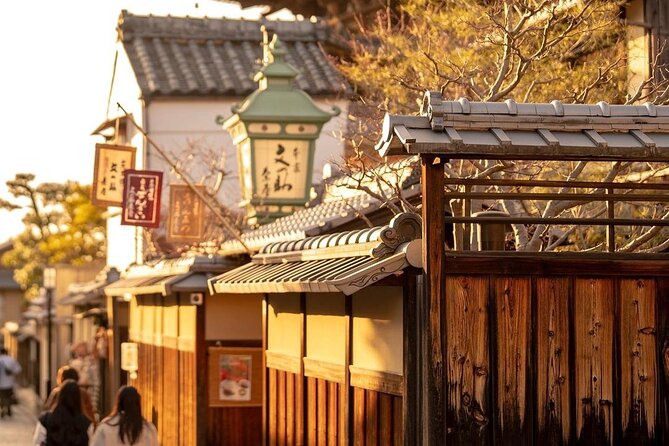
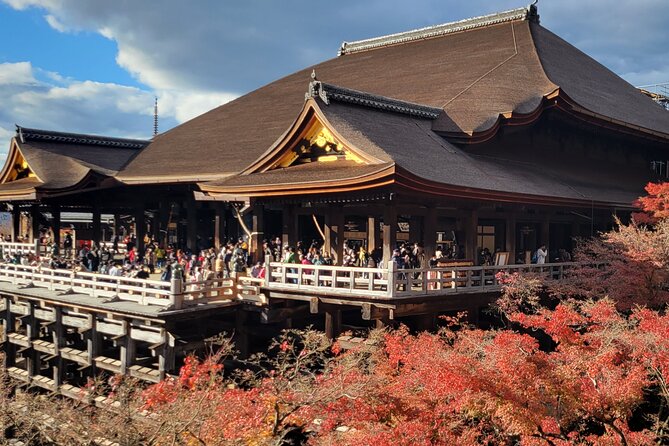
Next comes Kiyomizu-dera, a UNESCO World Heritage site known for its ancient wooden terrace. The stop gives your guide a chance to explain the temple’s history and point out what makes its structure and setting notable.
Again, the schedule allows about 30 minutes. That can be enough to see the main feature and get some context, but it is a brief visit for a site with a lot to take in. If you prefer to explore temples at length, consider treating this tour as a preview and returning on your own.
Kennin-ji: a quieter change of pace
Kennin-ji is described as a Zen Buddhist temple in the heart of Kyoto. After the scale and reputation of Fushimi Inari and Kiyomizu-dera, this stop offers a chance to focus on Zen practice and temple life, rather than simply ticking off another landmark.
The half-hour allocation makes the guide’s explanations especially valuable. Several guides have been praised for making history and religious customs understandable, including explanations of Shinto. If you have questions about the differences between shrines and temples, this is a good point in the day to ask.
Yasaka Shrine: Kyoto’s spiritual life in the city
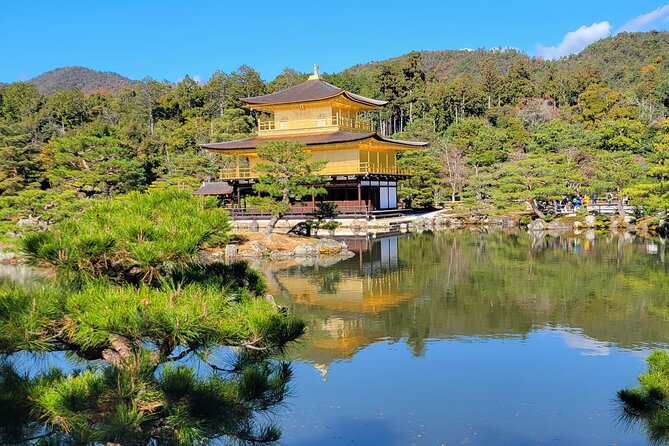
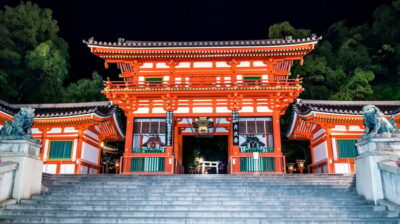
Yasaka Shrine brings the route into Kyoto’s central historic districts. It is a long-standing shrine tied to the city’s religious heritage and cultural celebrations, making it a useful stop for connecting the sacred sites with everyday city life.
You have about 30 minutes here. That is enough for an overview, but not a long visit. The shrine’s position in the route also helps set up the shift from temples and sacred grounds toward the market, riverside lane, and Gion streets that follow.
More guided departures in Kyoto:
- Kyoto Early Morning Tour with English-Speaking Guide
★ 5.0 · 1,427 reviews - Kyoto: Early Morning Tour with English-Speaking Guide
★ 4.9 · 1,128 reviews - Kyoto: Nijo-jo Castle and Ninomaru Palace Guided Tour
★ 4.7 · 1,020 reviews - Kyoto: Izakaya Bars Guided Walking Tour
★ 4.9 · 815 reviews
Nishiki Market: a taste of Kyoto
Nishiki Market is the route’s food stop, with a half-hour to walk through its narrow lanes and see the range of local foods. The market is a practical place to get a sense of Kyoto’s food culture without committing to a full meal or a separate food tour.
A guide can help explain unfamiliar dishes and point you toward things to try. One past group sampled street food during its outing, though what you taste will depend on the guide, your timing, and your preferences. The short visit means this is more of an introduction than a leisurely food crawl. Bring a little spending money if you hope to buy snacks, since the tour price alone does not establish that food is included.
Pontocho: an hour beside the Kamogawa River
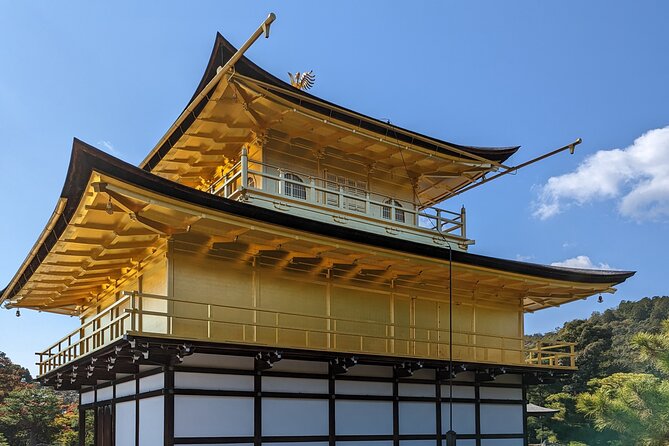
Pontocho gets the most time, with a full hour to explore its narrow, atmospheric lane beside the Kamogawa River. Its compact streets and traditional character make it a natural place for a guide to discuss Kyoto’s old entertainment districts and the city’s changing customs.
That longer stop is a welcome break from the quick temple visits. You may have time to look around at a slower pace, ask questions, or get restaurant suggestions. One guide shared dining recommendations, a useful bonus if you are deciding where to eat later. Do not assume the hour includes a meal; no meal is specified.
Gion: geisha culture and old Kyoto streets
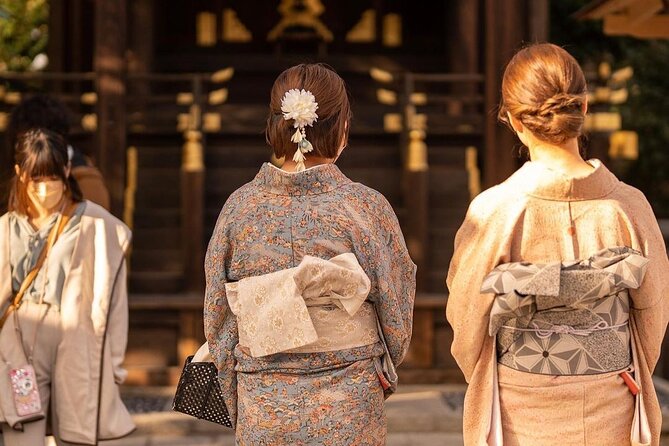
The tour ends in Gion, the district most closely associated with geisha culture. The 30-minute walk gives you a brief look at its historic streets and traditional atmosphere, with a guide to help explain the customs and context behind what you see.
One group spotted a geisha with its guide, but that is not something a tour can guarantee. Treat Gion as a place to learn about a living cultural tradition, not as a stage set or a promise of a particular sighting. Follow your guide’s advice about respectful behavior and photography, and avoid blocking people as they go about their daily work.
What the private format adds
The most useful part of a private tour is the chance to ask questions as they arise. Past guides have been praised for explaining temple and shrine history, Japanese culture, and the significance of the places on the route. Several names appear among the guides who have led the tour, including Riccardo, Johannes, Robert, and Ken, alongside Julian, Oscar, Andrea, and Diego.
These names are not a guarantee of who will guide your group. If a particular guide matters to you, ask the operator whether that person is available before booking. The quality of the day depends heavily on the guide, and the tour’s uneven operational record makes it sensible to confirm who is assigned and how to reach them.
The private setup can also make the pace more comfortable. A guide has adjusted the route for a group of four older adults, and another picked up a group at its hotel to reduce the risk of getting lost. Those are encouraging examples, but pickup is only listed as offered, not guaranteed at every hotel or for every booking.
Is $85 per person a fair price?
At $85 per person, you are paying for a private four-hour guided introduction, not just a set of admissions. The value comes from having someone connect seven stops, explain their cultural significance, and help you move around a city that may be new to you. For a first visit or a short stay, that orientation can save time and give the sites more meaning.
The price is harder to judge if you want a slow visit or already know your way around Kyoto. Six stops get only half an hour each, and a group that prefers to linger may feel hurried. Compare the cost with what you would pay for a guide and transport on your own, and weigh that against the freedom to choose fewer places and stay longer.
Admission costs need special attention. The stop descriptions indicate admission tickets are included, but at least one group encountered uncertainty about whether entry was covered, and another was told admissions were not included. Before booking, ask the operator to confirm in writing which entries are covered and whether you should budget extra.
Booking, timing, and communication
The tour lasts about four hours, offers pickup, and uses a mobile ticket. It is a private activity, so only your group participates. Most travelers book around 49 days ahead, which suggests that leaving arrangements until the last minute may not be wise, especially if you need a particular date or pickup plan.
Confirm the start time and meeting point directly. There have been problems with mismatched times, unanswered messages, and nonworking phone contact details. Save the confirmed details somewhere you can access offline, and make sure you know what to do if the guide is not there at the agreed time. Do not rely on a single messaging channel.
Free cancellation is available up to 24 hours before the start time. Late cancellations and changes are not accepted within that window. The tour also requires good weather and a minimum number of travelers; if the operator cancels for weather or because the minimum is not met, you are offered another date or a full refund.
Who should choose this Kyoto tour?
This route suits first-time visitors who want a guided overview of Kyoto’s most familiar sights in a limited amount of time. It is particularly useful if you value explanations, want help moving between areas, or would rather have a guide set the day’s structure than plan every stop yourself.
It may not suit you if you want long, quiet visits at temples, an in-depth food tour, or a guaranteed encounter with geisha culture. The short stop lengths and inconsistent company communication are real drawbacks. If you book, confirm the guide, pickup plan, start time, and admissions before traveling to the meeting point.
Should you book this tour?
Book it if a private guide and a broad, four-hour introduction are worth more to you than lingering at each site. The route covers a useful mix of Kyoto’s shrines, temples, food culture, and historic districts, and skilled guides have made the history engaging and tailored the pace to their groups.
Pause before paying if you need dependable communication or clear admission arrangements. Get the key details confirmed in writing, and have a backup plan for your day. With those checks, this can be a convenient first look at Kyoto; without them, the operational uncertainty may outweigh the convenience.
FAQ
How long is the tour?
It lasts about four hours.
Is the tour private?
Yes. Only your group participates.
Which places does the tour visit?
The route includes Fushimi Inari-taisha Shrine, Kiyomizu-dera Temple, Kennin-ji Temple, Yasaka Shrine, Nishiki Market, Pontocho District, and Gion.
Is pickup offered?
Yes, pickup is offered. Confirm the pickup location and arrangements with the operator before the tour.
Are admission tickets included?
The stop descriptions indicate admission tickets are included, but there has been confusion about admission costs. Confirm directly with the operator what is covered.
How much does the tour cost?
The listed price is $85 per person.
How far in advance is the tour usually booked?
It is booked about 49 days in advance on average.
What is the cancellation policy?
You can cancel at least 24 hours before the start time for a full refund. Cancellations or changes made less than 24 hours before are not accepted. If poor weather or a minimum-number requirement causes the operator to cancel, you are offered a different date or a full refund.
Newly added in Kyoto
- Uji: Private immersion into Kyoto’s tea and reglious culture★ 5.0 · 17 reviews
- Whisk Your Own Matcha: A Zen Matcha Experience at Temple★ 3.6 · 7 reviews
- Kyoto tea town for matcha lovers★ 5.0 · 16 reviews
- Treasures of Kyoto: Gion & historical Walking Tour★ 5.0 · 6 reviews
- Kyoto Matcha Green Tea Tour★ 4.5 · 23 reviews
- Uji and Wazuka Matcha Farm Half Day Private Guided Tour★ 5.0 · 21 reviews
- Uji Tea Ceremony and UNESCO Heritage Walking Tour★ 5.0 · 20 reviews
- Utilising upcycled Matcha! Creating matcha incense (Uji, Kyoto)★ 5.0 · 6 reviews
Kyoto Tours, compared.

Fushimi Inari, Kinkakuji, Bamboo Grove 1 Day Bus Tour
Read our review →
Tea Ceremony in a Traditional Tea House in Kiyomizu
Read our review →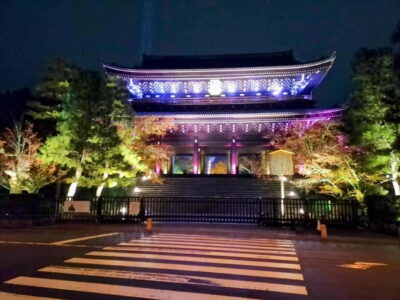
Kyoto Geisha Walking Tour: Gion District & Hidden Gems
Read our review →
Gion Magical Night Walking Tour with Geisha Trivia
Read our review →