
Reviewed · KIYOMIZU-DERA TOURS
Private Walking Tour in Gion and Higashiyama
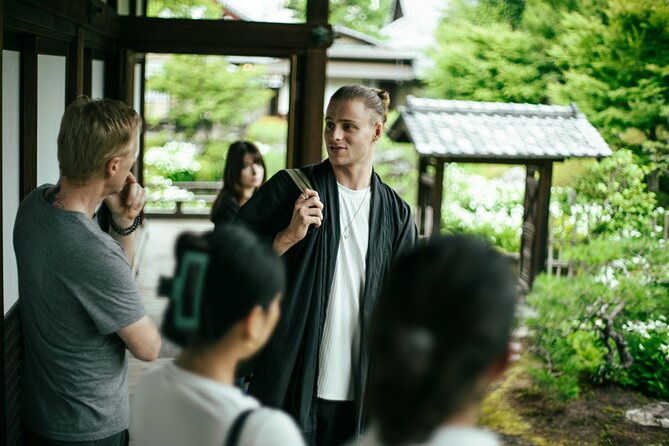
Gion and Higashiyama make a fine introduction to Kyoto: old lanes, working shrines, and temples sit close enough together to explore on foot. This private three-hour walk links the districts without asking you to plan the route or guess what a shrine custom means.
I like two things in particular: the guide can give your group full attention, and the route pairs Gion’s geisha culture with places such as Kennin-ji and Yasaka Shrine. One consideration: three hours is a brisk visit to several stops, so this is a sampler, not a slow, thorough tour of every site.
Key points
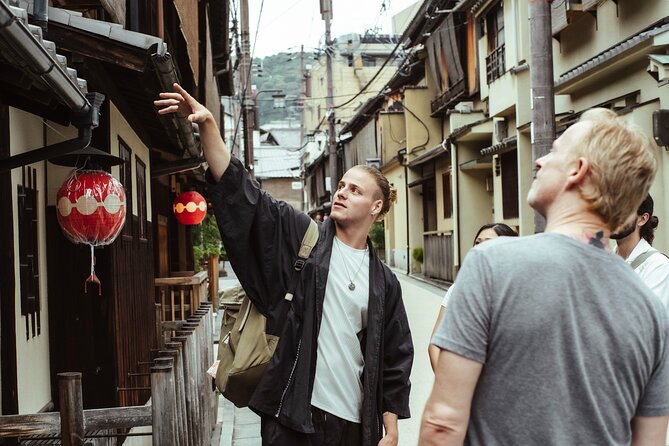
- A private walk, not a shared group: Your party takes the tour together, giving you room to ask questions as you go.
- A route through two historic districts: See Gion and Higashiyama, including Kennin-ji, Hokan-ji’s Yasaka Pagoda, Ninenzaka, Maruyama Park, and Yasaka Shrine.
- Geisha culture is part of the story: The Gion stop focuses on Kyoto’s geisha traditions and history.
- Temple context comes with the sights: At Kennin-ji, the guide discusses Buddhism and its influence in Japan.
- A three-hour introduction: The walk is designed to connect several highlights, not to allow a long visit at each one.
- A convenient finish: The tour ends at Yasaka Shrine’s south main gate, about a seven-minute walk from the starting point.
A private introduction to Gion and Higashiyama
This tour is best understood as a guided walk through a compact stretch of Kyoto, not a checklist of grand interiors. You start near the statue of Izumo-no-Okuni, in the Kawabatacho area, and finish at the south gate of Yasaka Shrine. Along the way, your guide connects Gion’s traditional streets with temples and old-town lanes in Higashiyama.
The private format is the main practical advantage. Your group does not have to keep pace with strangers, and you can ask about what catches your eye. That matters in districts where a small detail, a temple custom, or the meaning of a place name can make a walk feel less like window-shopping and more like understanding where you are.
The tour costs $144.88 per person and lasts about three hours. That is a meaningful price for a walking tour, especially if you are traveling alone or as a pair. For a larger party, group discounts may improve the per-person value. What you are paying for is not admission to a string of attractions, since the listed stops have no admission ticket included, but a private guide, route planning, and interpretation.
Dominic is the guide name associated with this experience, though the tour details do not promise that he will lead every booking. The strongest praise for the guiding focuses on friendliness, local insights, answering questions, and making the walk both fun and informative. Those are exactly the qualities that make a private tour worthwhile, so if a particular guide matters to you, ask who is assigned before booking.
More Kiyomizu-dera tours in Kyoto:
- Kyoto: Tea Ceremony in a Traditional Tea House in Kiyomizu
★ 4.9 · 3,519 reviews - Kyoto: Nijo Castle, Kiyomizu & Fushimi Inari Guided Tour
★ 4.7 · 700 reviews - Kyoto: Nijo, Kinkaku-ji, Arashiyama, Kiyomizu & Fushimi Inari
★ 5.0 · 699 reviews
Gion: geisha culture and streets with a past
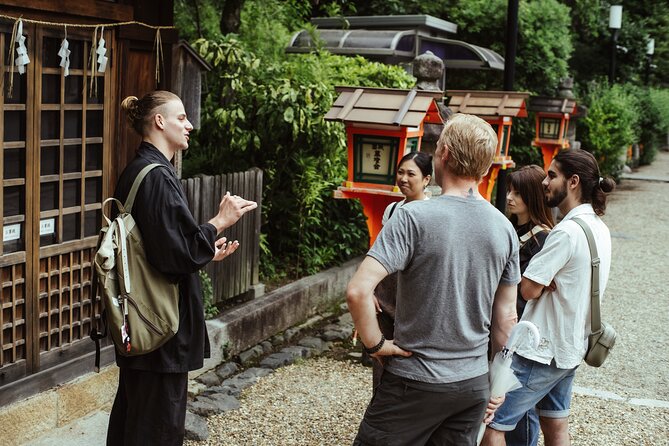
The walk begins in Gion, where the focus is on Kyoto’s geisha culture and the district’s history. This is a useful place to have a guide. The subject can be easy to reduce to costumes and photographs, but the tour promises context about traditions and the role of geisha in Kyoto’s cultural life.
The stop is scheduled for about an hour, the longest single portion of the route. That gives your guide time to explain the district rather than simply lead you down a street and point out an old building. You can use the time to ask questions, especially if you want to understand how traditions fit into modern Kyoto.
Gion’s appeal is also its atmosphere. The old streets and teahouses help set the scene, though a walking tour cannot promise a particular encounter or a glimpse inside a teahouse. Go for the history and street-level view, not the expectation of a staged geisha sighting. That is a more respectful and realistic way to approach the area.
One advantage of beginning here is that the tour introduces the cultural theme before moving into temples and shrines. You get a thread to follow: how Kyoto’s customs are expressed in everyday streets, religious sites, and seasonal celebrations.
Kennin-ji: Buddhism in a temple setting
From Gion, the route visits Kennin-ji, described as one of Kyoto’s oldest Zen temples. The planned stop is about 30 minutes. The guide discusses the origins of Buddhism in Japan and its influence on Japanese culture, giving you a framework for understanding the temple beyond its age.
A half-hour is enough for an introduction, but not an unhurried exploration of every detail. If you have a special interest in Zen Buddhism or temple architecture, you may want to return on your own for more time. The tour’s strength here is the guide’s explanation, particularly if this is your first temple visit in Kyoto and you are still learning what to look for.
The information provided does not specify whether admission is included or whether there is a separate entry fee. The stop itself is marked as having no admission ticket, so check the details before you go if a particular temple interior is important to you. Either way, the visit adds a spiritual dimension to a route that could otherwise be all picturesque lanes and traditional façades.
Hokan-ji and the Yasaka Pagoda
The next named stop is Hokan-ji Temple, better known here for its Yasaka Pagoda. The visit is scheduled for about 20 minutes, followed by a walk along Ninenzaka Path. The pagoda is a useful landmark in Higashiyama, and the surrounding old-town streets give you a sense of how the district’s temples and shops share the same compact setting.
The short stop means you should not expect a long temple visit. Instead, think of it as a chance to see the pagoda and get your bearings among the traditional streets. The tour describes nearby shops, cafes, and teahouses, so you will have a feel for the commercial side of the district as well as its religious heritage.
Ninenzaka is part of the route but does not have a separate duration listed. Its value is in the walk itself: a historic path lined with old shops and places to pause. A guide can help you take in the surroundings without spending the whole time checking a map or wondering which way to turn. If you see something you want to revisit, make a mental note; a short group itinerary may not leave time for browsing every storefront.
More Gion tours in Kyoto:
- Kyoto Geisha Walking Tour: Gion District & Hidden Gems
★ 4.7 · 3,273 reviews - Kyoto: Gion Magical Night Walking Tour with Geisha Trivia
★ 4.9 · 2,393 reviews - Kyoto: Gion Geisha District Walking Tour – Stories of Geisha
★ 4.7 · 2,187 reviews - Best of Kyoto: Gion, Geisha, Pagodas & Cobblestones
★ 4.9 · 2,058 reviews
Maruyama Park: a seasonal pause
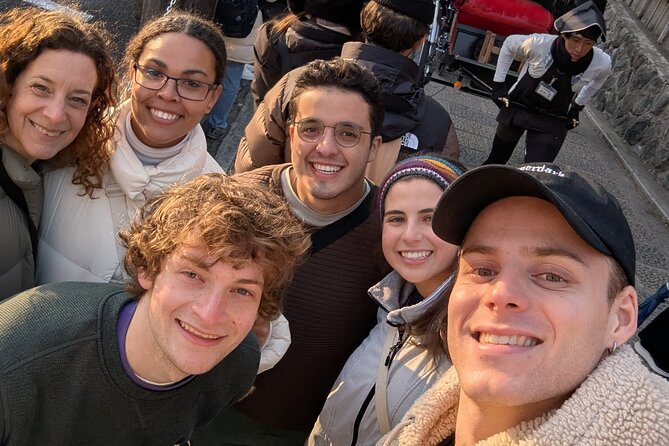
Maruyama Park gets a brief stop of about 10 minutes. The park is known for cherry blossoms in spring and autumn leaves in fall, so the view changes substantially with the season. The short visit makes this more of a pause on the route than a full park outing.
That is useful if you want a little green space between temples and shrine grounds, but it is not enough time to explore the park at leisure. If seasonal scenery is a priority, plan your expectations around the timing of your visit rather than assuming the blossoms or leaves will be at their peak. The tour description points to the park’s seasonal appeal but does not promise specific conditions.
The park’s location also helps tie the walk together. It sits among temples and shrines, so the guide can show how Kyoto’s religious sites and public spaces meet in the same part of town. It is a modest stop, but a welcome change of pace from narrow lanes.
Yasaka Shrine: customs and a practical finish
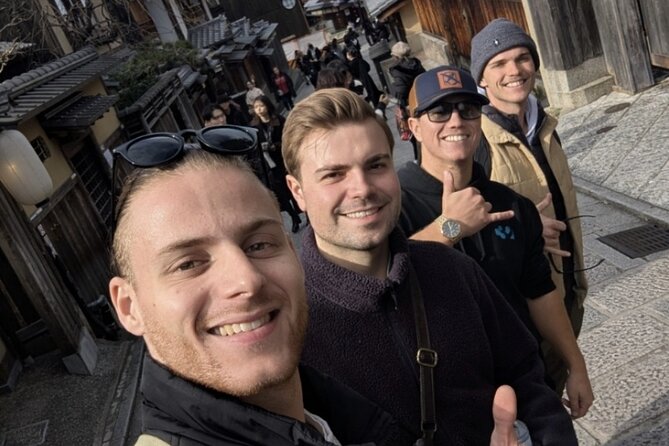
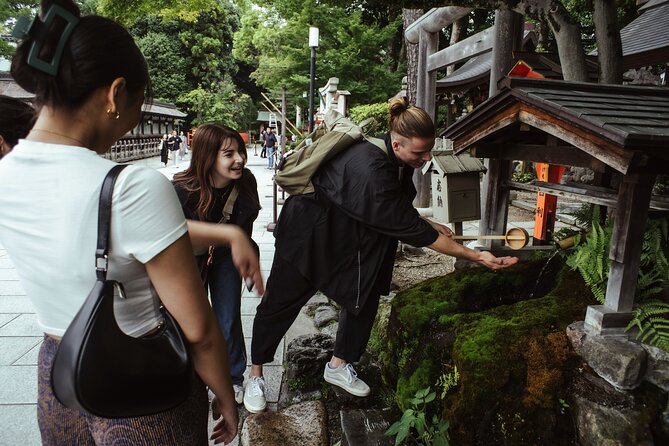
The final major stop is Yasaka Shrine, where the tour spends about 30 minutes. The guide introduces the shrine’s architecture and cultural role, with traditional practices such as drawing omikuji, or fortunes, included in the discussion. This is a good place to ask about shrine customs while you are standing in the setting where they take place.
The route ends at the shrine’s south main gate. That is a convenient finish if you want to linger nearby or continue exploring, though the tour does not specify what you should do after the walk. The starting point, by the Izumo-no-Okuni statue, is about a seven-minute walk from the end point, so you are not left far from where you began.
The listed stop times add up to about two and a half hours, with Ninenzaka’s duration not specified. Since the overall experience is approximately three hours, the remaining time appears to allow for walking between stops and explanations along the way. Expect a steady pace rather than long stretches of free time.
What the private format is worth
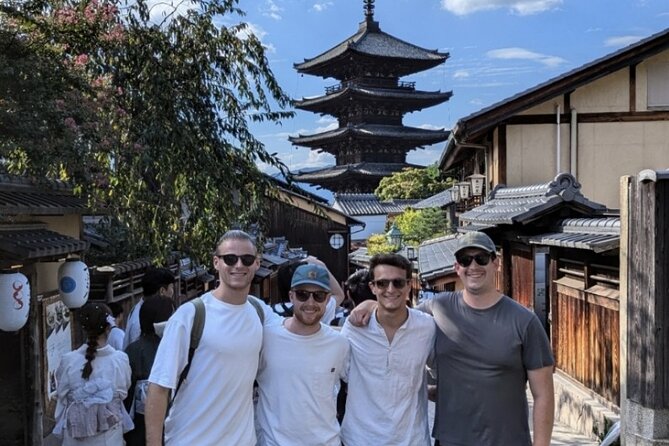
A private guide is most valuable when you want to ask questions, travel at your own group’s pace, or avoid doing advance research. The route covers several well-known places, but the added value is the guide’s interpretation: geisha traditions in Gion, Buddhism at Kennin-ji, and customs at Yasaka Shrine.
At $144.88 per person, value depends on your group size and priorities. If you are traveling with a few people, a group discount may make the private format more attractive. If you are a solo visitor, you will pay the stated per-person rate for the same three-hour walk, so consider whether personal attention and a handled route matter enough to justify the cost.
The tour’s 5.0 rating from 15 reviews and 100% recommendation figure offer a positive signal, but the sample is small. The praise centers on the guide’s friendly manner, local insight, willingness to answer questions, and ability to keep the walk enjoyable as well as informative. I would put more weight on those details than on the perfect score alone, since a good guide is the main reason to choose this over walking the same streets independently.
Who should book this walk

This is a strong fit if you are new to Kyoto, want a clear introduction to Gion and Higashiyama, and prefer a guide who can explain what you are seeing. It also suits families or small groups who want to stay together and ask questions without adapting to a large tour group.
You may prefer to explore on your own if you want to spend a long time inside temples, browse shops at your own pace, or focus on a single site. The tour moves through several stops in about three hours, so its strength is breadth and context, not extended visits.
Confirmation is normally provided at booking. If you book within four hours of departure, confirmation may take longer and is subject to availability. Service animals are allowed, the meeting point is near public transportation, and the activity is described as suitable for most participants. Free cancellation is available up to 24 hours before the start time; cancellations within 24 hours are not refunded.
Should you book it?
Book this tour if you want a private, guided first look at Kyoto’s traditional districts and would rather spend your time listening and looking than navigating. The route has a sensible mix of cultural explanation, temples, lanes, park, and shrine, with a helpful finish at Yasaka Shrine.
Skip it if your ideal day means lingering for an hour at each temple or making spontaneous detours. At three hours, this is a well-organized sampler. Its best value comes from a good guide, a group that can share the private cost, and a desire to understand the places as you walk through them.
FAQ
How long is the tour?
It lasts approximately three hours.
Is this a private tour?
Yes. Only your group participates.
Where does the tour start?
It starts at the Statue of Izumo-no-Okuni in Kawabatacho, Higashiyama Ward, Kyoto.
Where does the tour end?
It ends at the south main gate of Yasaka Shrine. The end point is about a seven-minute walk from the starting area.
Which places are included on the route?
Stops include Gion, Kennin-ji Temple, Hokan-ji Temple and the Yasaka Pagoda, Ninenzaka Path, Maruyama Park, and Yasaka Shrine.
What is the price?
The listed price is $144.88 per person. Group discounts are available.
What is the cancellation policy?
You can cancel at least 24 hours before the start time for a full refund. Cancellations made less than 24 hours before the start time are not refunded.
More walking tours in Kyoto
- Night Walk in Gion: Kyoto’s Geisha District
★ 4.5 · 2,003 reviews - Kyoto Gion Geisha District Walking Tour – The Stories of Geisha
★ 5.0 · 1,441 reviews - Nishiki Market Brunch Walking Tour (7 Tastings + Brunch)
★ 5.0 · 1,355 reviews - Kyoto Arashiyama Walking Tour: Bamboo, Monkeys, Gardens & Secrets
★ 5.0 · 1,216 reviews
Newly added in Kyoto
- Uji: Private immersion into Kyoto’s tea and reglious culture★ 5.0 · 17 reviews
- Whisk Your Own Matcha: A Zen Matcha Experience at Temple★ 3.6 · 7 reviews
- Kyoto tea town for matcha lovers★ 5.0 · 16 reviews
- Treasures of Kyoto: Gion & historical Walking Tour★ 5.0 · 6 reviews
- Kyoto Matcha Green Tea Tour★ 4.5 · 23 reviews
- Uji and Wazuka Matcha Farm Half Day Private Guided Tour★ 5.0 · 21 reviews
- Uji Tea Ceremony and UNESCO Heritage Walking Tour★ 5.0 · 20 reviews
- Utilising upcycled Matcha! Creating matcha incense (Uji, Kyoto)★ 5.0 · 6 reviews
Kiyomizu-dera Tours, compared.

Tea Ceremony in a Traditional Tea House in Kiyomizu
Read our review →
Nijo Castle, Kiyomizu & Fushimi Inari Guided Tour
Read our review →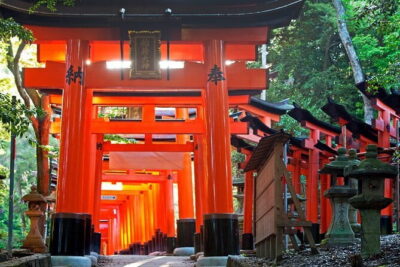
Nijo, Kinkaku-ji, Arashiyama, Kiyomizu & Fushimi Inari
Read our review →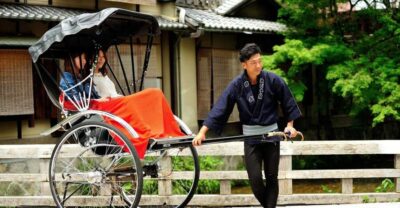
Private Rickshaw Tour of Gion and Higashiyama Area
Read our review →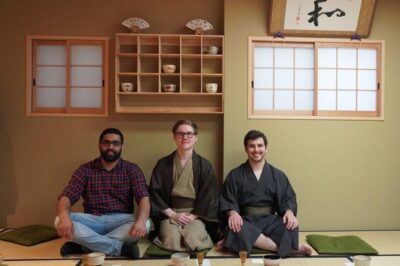
Kyoto Tea Ceremony & Kiyomizu-dera Temple Walking Tour
Read our review →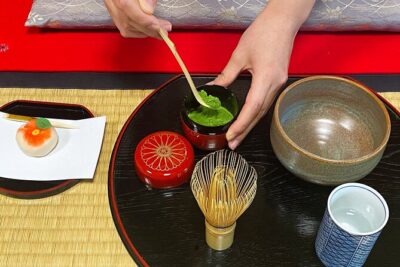
Kyoto Kiyomizu Tea Ceremony with Scenic Garden Views
Read our review →
Kimono/Yukata Rental 5 Minute from Kiyomizu-dera
Read our review →
Kyoto Gion Kiyomizudera Kimono Yukata Hairstyle | Photoshoot
Read our review →Browse the lists this tour appears in