
Reviewed · FUSHIMI INARI TOURS
Sacred Treasure Fushimi Inari and Kiyomizu Dera Tour
Fushimi Inari’s red gates and Kiyomizu-dera’s great wooden stage make a striking pair: one shrine draws you along a path of repeated torii, the other looks out over Kyoto from its hillside setting. This three-hour walk links both with the old lanes of Higashiyama, giving you a quick introduction to two important sides of the city’s spiritual life.
I like the contrast between the Shinto shrine and the Buddhist temple, and the chance to hear a guide explain the rituals and stories that can be easy to miss on your own. The walk also ends near traditional shops and teahouses, so you can linger over a coffee or browse after the guided part.
The main caution is the logistics: transportation fees are not included, and the tour’s stops leave little scheduled time for transfers. One complaint also describes unexpected extra costs and a last-minute cancellation, so confirm exactly what your $30 covers before setting out.
- Two major sacred sites: Visit Fushimi Inari Taisha and Kiyomizu-dera in one guided outing.
- Temple tickets included: Admission to the temples is listed as part of the price; transportation is not.
- A guide adds context: Guides have discussed Japanese religion, history, mythology, and ritual.
- A short old-town finish: Ninenzaka and Sannenzaka offer traditional buildings, shops, and teahouses.
- Three hours, up to 50 people: The group can be large, and the schedule is tight.
- A low price with some uncertainty: At $30 per person, it can be good value, but confirm the transport and ticket arrangements.
What the three-hour route gives you
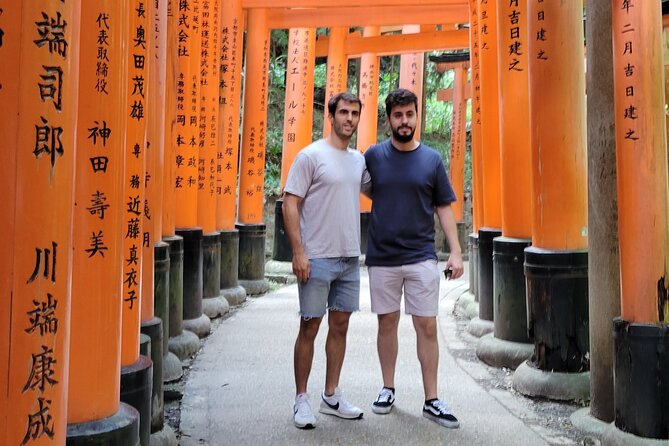
This is a compact introduction to three well-known Kyoto sights, not a slow, all-day visit. You begin at Kyoto Station, head to Fushimi Inari Taisha, then continue to Kiyomizu-dera and the nearby lanes of Ninenzaka and Sannenzaka. The listed stop times add up to about three hours: one hour at Fushimi Inari, an hour and a half at Kiyomizu-dera, and 15 minutes on each of the two streets.
That schedule is useful if you have limited time or would like a guide to connect the places for you. It is also brisk. The time listed for each stop does not spell out how long transfers take, and transport fees are excluded. Ask before booking how the group moves between sites, whether you should bring money for fares, and where the guided portion ends.
The tour has a maximum group size of 50. That is a sizable group for narrow paths and busy temple grounds, so do not expect the feel of a private walk. If you prefer close conversation with a guide, ask whether a smaller departure is available. Confirmation is provided at booking, and the experience is listed as requiring a minimum number of participants.
Following the gates at Fushimi Inari Taisha
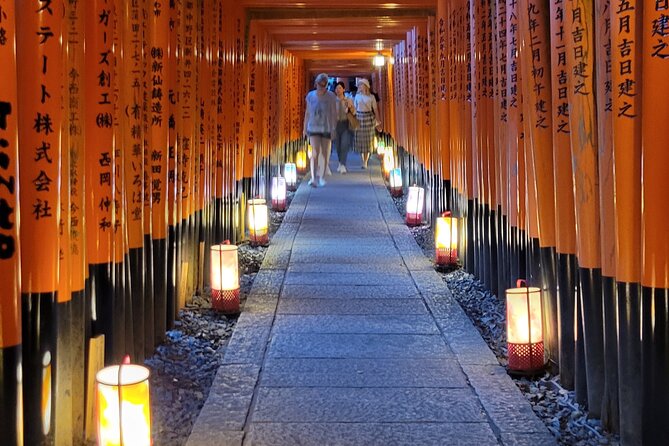
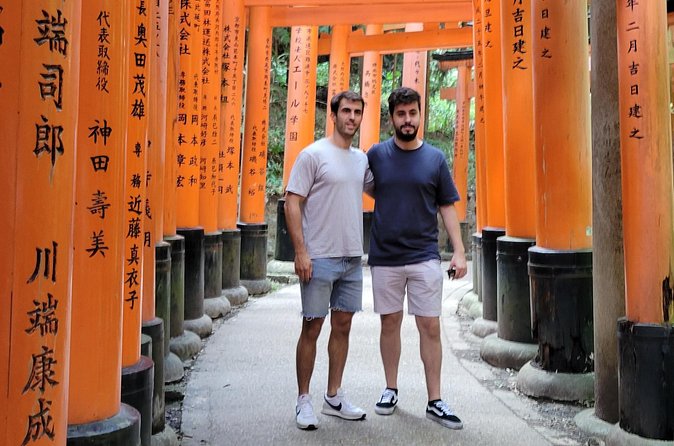
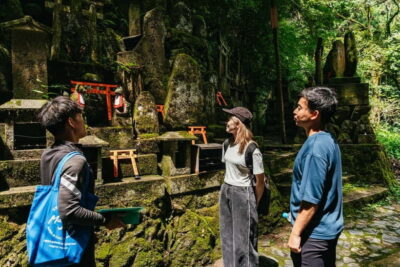
Fushimi Inari Taisha is dedicated to Inari, a Shinto deity associated with rice, prosperity, and business. Its rows of vermillion torii gates are the signature sight, forming a striking route through the shrine grounds. The gate-lined path gives the visit a clear focus: you move through a succession of gateways while your guide explains the shrine’s meaning and customs.
The scheduled hour is enough for an introduction, but it is not a promise of an exhaustive walk through every part of the site. If you want a longer visit, especially time to explore at your own pace, consider returning separately. The tour’s appeal is that you get a guide’s framing as you see one of Kyoto’s best-known Shinto sites, then continue to a Buddhist temple on the same outing.
That religious contrast is one of the tour’s strongest ideas. A guide can help you notice that these are not simply two photogenic stops, but places connected to different traditions and practices. One guide, Robert, has been praised for explaining Japanese history and mythology; that is a useful sense of what a good version of this tour can offer, though you should not assume he will lead your departure.
More Kiyomizu-dera tours in Kyoto:
- Kyoto: Tea Ceremony in a Traditional Tea House in Kiyomizu
★ 4.9 · 3,519 reviews - Kyoto: Nijo Castle, Kiyomizu & Fushimi Inari Guided Tour
★ 4.7 · 700 reviews - Kyoto: Nijo, Kinkaku-ji, Arashiyama, Kiyomizu & Fushimi Inari
★ 5.0 · 699 reviews
Taking in Kiyomizu-dera’s wooden stage
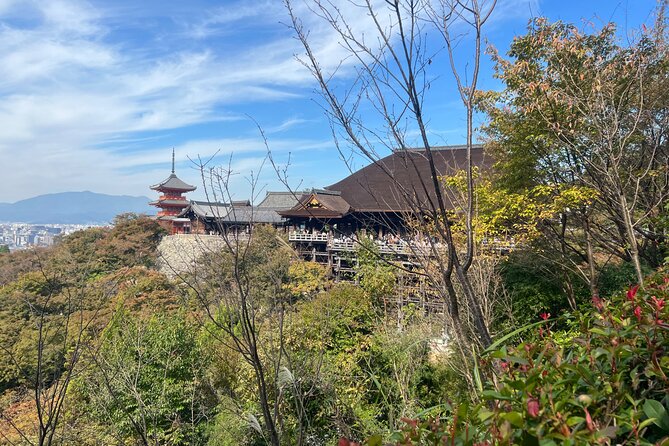
Kiyomizu-dera, often called the Pure Water Temple, is the longest stop, with about 90 minutes scheduled. The temple is more than a thousand years old and is a UNESCO World Heritage site. Its best-known feature is a large wooden stage that projects over the hillside, giving the site its memorable outlook.
The temple is also associated with sacred waters believed to bring health and longevity. That detail gives the visit more meaning than a quick look at the architecture: the water and the acts connected with it are part of the place’s spiritual life. The tour includes temple admission, according to its inclusions, so the listed $30 price is meant to cover more than a guide’s time.
The length of this stop makes sense. Kiyomizu-dera has more to take in than a single view, and the guide can supply historical and religious context while you explore. Reports of the tour describe a guide leading part of a ritual and explaining the sites’ religious significance. Those details can make a short visit feel more connected, but the depth of explanation may vary by guide and group.
Do not plan on an entirely unhurried temple visit. The schedule still has to cover the old streets and the transfer from Fushimi Inari. If you are especially keen on temple architecture or want time for a longer personal visit, you may prefer to return to Kiyomizu-dera on your own after the tour.
Wandering Ninenzaka and Sannenzaka
The last two stops are Ninenzaka and Sannenzaka, historic streets lined with traditional wooden buildings. Their cobbled paths, teahouses, souvenir shops, and craft stores offer a change of pace from the formal grounds of the shrine and temple. The streets are close to Kiyomizu-dera, making them a natural place to finish the walk.
Only 15 minutes is allocated to each street. That is enough for a quick look and a few pointers, but not enough to browse every shop or settle in for a long tea break. The tour description places the end near the shopping streets, where you can stay behind to shop or grab a coffee. There is some uncertainty about the exact endpoint: the stated end location is Kiyomizu-dera, while the accompanying directions describe a finish in the Ninenzaka and Sannenzaka area. Confirm the meeting and end points before you go.
I would treat the street stops as an introduction rather than a complete visit. Once the guided walk ends, you can take your time among the shops and traditional buildings. That flexibility is a real plus: the formal tour stays short, but you are not obliged to leave the area when the guide does.
How much does the $30 price cover?

At $30 per person, this is an inexpensive way to see two major Kyoto religious sites with a certified guide. Temple tickets are listed as included, along with the walking tour. If you value explanations of Japanese religion and history, the guide may make the price worthwhile, especially if this is your first visit to Kyoto.
But the price does not include private transportation or transport fees. That distinction matters because the route begins at Kyoto Station and covers sites in different parts of the city. One participant reported being asked to pay the guide’s transportation and temple-entry costs, despite the stated inclusions. That account conflicts with the published terms, so get clear confirmation before departure: temple tickets should be covered, while your own transport is not.
Guides have included Andrea, Robert, Joanes, and Ricardo. Their reported strengths include explaining history and mythology, helping with navigation, and offering food recommendations. Your guide may be someone else, and the experience can depend on who leads the group. A maximum of 50 people also means the guide may need to keep a steady pace and repeat information for the group.
The tour is booked, on average, 19 days ahead. That is a useful planning clue if you have fixed dates, though it is not a guarantee that every departure sells out. Free cancellation is available up to 24 hours before the start time. Poor weather or failure to meet the minimum group size can lead to a new date or a refund.
More Fushimi Inari tours in Kyoto:
- Kyoto: Fushimi Inari, Kinkakuji, Bamboo Grove 1 Day Bus Tour
★ 4.8 · 4,316 reviews - Fushimi Inari Hidden Hiking Tour (Private Option Available)
★ 5.0 · 1,750 reviews - Kyoto/Osaka: Nara, Fushimi Inari Taisha, Arashiyama Bus Tour
★ 4.7 · 1,275 reviews - Osaka/Kyoto: Arashiyama, Nara & Fushimi Inari Shrine w/Lunch
★ 4.4 · 754 reviews
The practical trade-offs to weigh
The main trade-off is convenience versus control. A guide can link the shrine, temple, and old streets and make their religious context easier to grasp. In one account, the guide also helped with transport and navigation. Yet transport costs are separate, and the tour’s tight timing means you may have less freedom at each stop than if you planned the route yourself.
There is also a gap between what the package promises and what one unhappy participant experienced. One person reported a cancellation call 45 minutes before the start and difficulty obtaining a refund. Another described a last-minute change to the plan and unexpected costs. These are serious concerns, not minor gripes. They do not tell you what will happen on your departure, but they make it sensible to save your booking confirmation, verify the meeting point, and clarify what is included before you leave.
The overall rating is 3.3 out of 5 from seven ratings, a mixed result based on a small sample. Positive experiences highlight engaging explanations of Japanese religion and history, help with navigation, and guides who shared useful recommendations. The weaker experiences focus on organization, extra charges, and cancellation. I would weigh the content and low price against the need to check the details rather than assuming every departure runs the same way.
Who should book this walk?
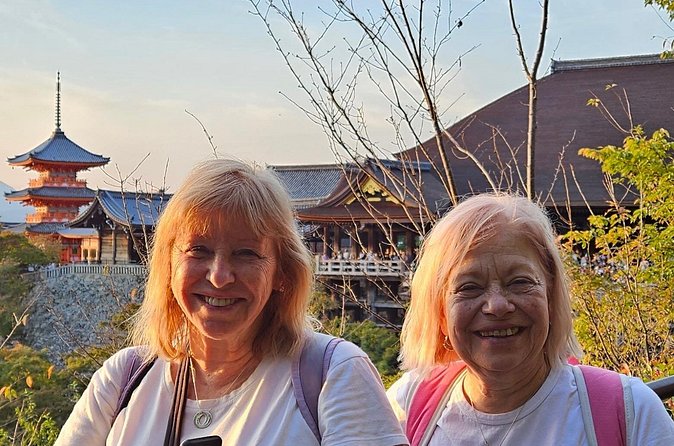
This tour suits you if you have about half a day, want to see Fushimi Inari and Kiyomizu-dera in one outing, and like having a guide explain the religious and historical context. It may be especially useful on a first visit, when the contrast between Shinto and Buddhist sites can help you make sense of what you are seeing. The old streets at the end add a pleasant place to continue exploring on your own.
It is less suited to you if you want a small group, a slow pace, or a long visit at each stop. It is also not a transport-included package, so you should budget for your own fares. Before booking, confirm the day’s guide, the route, the temple-ticket arrangement, and the exact endpoint. If those details are clear and you are comfortable with a brisk group walk, $30 is a reasonable price for a guided introduction. If the logistics remain vague, visiting independently gives you more control over timing and costs.
FAQ
How long is the tour?
The tour lasts about three hours. The scheduled stops are one hour at Fushimi Inari, 90 minutes at Kiyomizu-dera, and 15 minutes each at Ninenzaka and Sannenzaka.
Where does the tour start?
The meeting point is Kyoto Station, in the Higashishiokoji Kamadonocho area of Shimogyo Ward.
Where does the tour end?
The stated end location is Kiyomizu-dera, but the tour information also describes the finish as the Ninenzaka and Sannenzaka shopping streets. Confirm the exact endpoint before the tour.
Are temple admission tickets included?
Temple tickets are listed as included. Transportation fees are not included. Confirm the ticket arrangement before departure, since one participant reported being asked to pay extra for temple entry.
Is transportation included?
No. Private transportation and transportation fees are listed as excluded.
How large can the group be?
The maximum group size is 50 people.
What is the cancellation policy?
You can cancel for a full refund up to 24 hours before the tour’s start time. Poor weather or failure to meet the minimum number of participants may result in an offer of a different date or a refund.
Newly added in Kyoto
- Uji: Private immersion into Kyoto’s tea and reglious culture★ 5.0 · 17 reviews
- Whisk Your Own Matcha: A Zen Matcha Experience at Temple★ 3.6 · 7 reviews
- Kyoto tea town for matcha lovers★ 5.0 · 16 reviews
- Treasures of Kyoto: Gion & historical Walking Tour★ 5.0 · 6 reviews
- Kyoto Matcha Green Tea Tour★ 4.5 · 23 reviews
- Uji and Wazuka Matcha Farm Half Day Private Guided Tour★ 5.0 · 21 reviews
- Uji Tea Ceremony and UNESCO Heritage Walking Tour★ 5.0 · 20 reviews
- Utilising upcycled Matcha! Creating matcha incense (Uji, Kyoto)★ 5.0 · 6 reviews
Fushimi Inari Tours, compared.

Fushimi Inari, Kinkakuji, Bamboo Grove 1 Day Bus Tour
Read our review →
Fushimi Inari Hidden Hiking Tour (Private Option Available)
Read our review →
Nara, Fushimi Inari Taisha, Arashiyama Bus Tour
Read our review →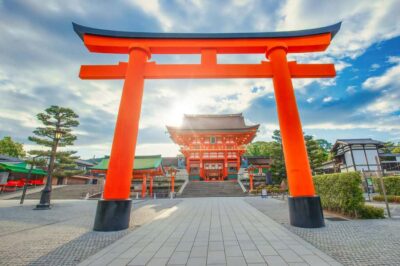
Arashiyama, Nara & Fushimi Inari Shrine w/Lunch
Read our review →
Nijo Castle, Kiyomizu & Fushimi Inari Guided Tour
Read our review →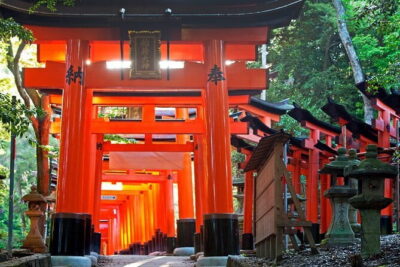
Nijo, Kinkaku-ji, Arashiyama, Kiyomizu & Fushimi Inari
Read our review →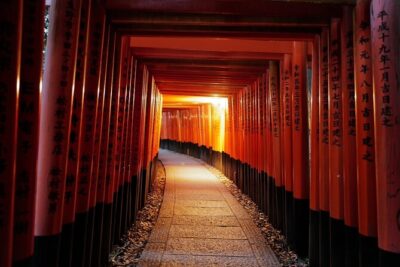
Browse the lists this tour appears in