
Reviewed · MUSEUMS
Shibori Fukusa Course at Kyoto Shibori Museum
A silk scarf begins with a pattern made by hand, not a print machine. At Kyoto Shibori Museum, you learn two shibori methods, winding and sewing, before dyeing your fabric. The one-hour class gives you a compact, practical introduction to a traditional Japanese craft.
I like that you make something yourself while learning how the pattern takes shape, and that the workshop includes free museum admission, normally 1,000 yen. You can use the time while your piece dries to look at finished works and the tools used to make them.
The main limitation is the clock: an hour is enough for a guided introduction, not a full course in every shibori method. If you want a slow, highly technical study of the craft, this short workshop may feel brisk.
Key points before you book
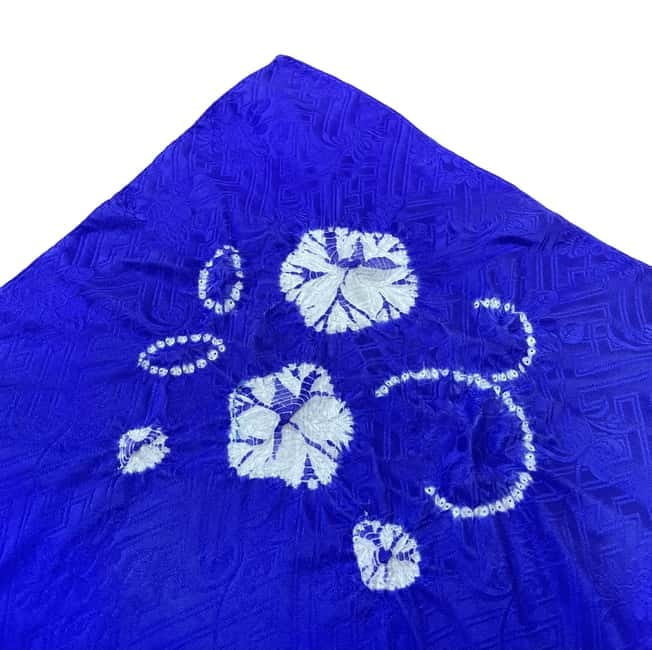
- Two techniques, one silk piece: Try Kasamaki shibori, a winding method, and Nuishime shibori, a sewing method, using a shibori stand.
- A small class: The group is limited to eight participants, with instruction in English or Japanese.
- Museum admission included: Workshop participants can visit the museum without paying its usual 1,000-yen admission fee.
- A useful location: The museum is a five-minute walk from Nijo Castle.
- A short, hands-on format: Allow about one hour for the class, with museum works and tools to see while your fabric dries.
- A well-liked teaching style: The class is described as lively, with kind and passionate instruction.
Make a pattern by winding and sewing
Shibori is a traditional Japanese resist-dyeing craft. Instead of applying color freely across the whole fabric, the maker shapes parts of the cloth before dyeing. The resulting pattern depends on the way the fabric is treated. This class introduces you to two techniques, so you can see how different methods contribute to the final design.
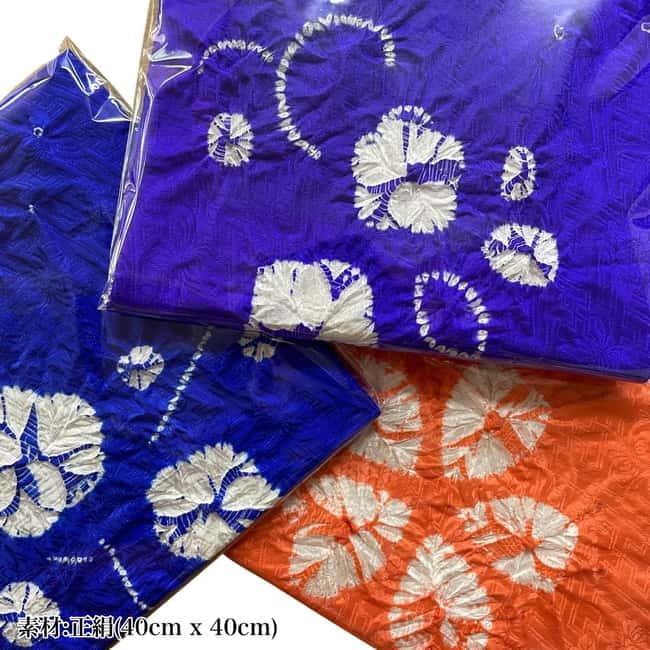
You work with a silk fabric that already has a background pattern. First comes Kasamaki shibori, the winding technique, followed by Nuishime shibori, the sewing technique. You use a shibori stand while working on both. The instructions name the methods, but the key value is practical: you are not just looking at finished cloth, you are taking part in the steps that make it.
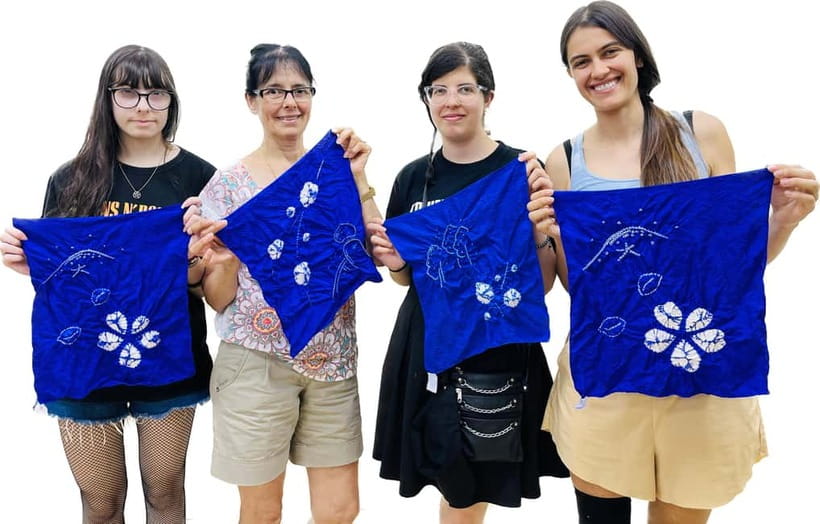
The fabric is then dyed. That sequence makes the class easier to understand than a demonstration alone. You can connect the preparation of the cloth with the patterned result, and leave with a piece you helped make. The activity is described as making a shibori scarf, though no dimensions or choice of colors are specified.
The class takes 30 to 60 minutes, with the overall activity listed as one hour. That is enough time to try the core techniques without committing half a day. It also means you should set your expectations accordingly. You will get an introduction and a hands-on task, not an exhaustive survey of shibori or a long period of independent practice.
More museum visits in Kyoto:
- Kyoto: Tea Museum Tickets and Matcha Grinding Experience
★ 4.9 · 739 reviews - Skip the lines Basic Ticket at SAMURAI NINJA MUSEUM KYOTO
★ 4.5 · 632 reviews - Kyoto : Geiko Maiko Dance of Kyoto & Visits of Gion Museum
★ 4.6 · 415 reviews
A small group makes the hands-on part count
With a maximum of eight people, this is a small-group class rather than a large demonstration. That matters when you are learning a craft that involves handling fabric and using a stand. You have a more focused setting than you would in a crowded room, though the exact amount of individual help is not specified.
Instruction is available in English and Japanese. That makes the workshop an approachable choice for visitors who want to learn the process directly, rather than only read about it on museum labels. No instructor’s name is provided, but the teaching is described as lively and warm, with a clear enthusiasm for the art form.
The friendly, passionate approach is a real part of the appeal. Craft classes can feel stiff if the technique is treated as a checklist. Here, the emphasis is on introducing a tradition and helping you make something, which suits beginners and curious visitors who want a first encounter rather than formal training.
Use the drying time to see the museum
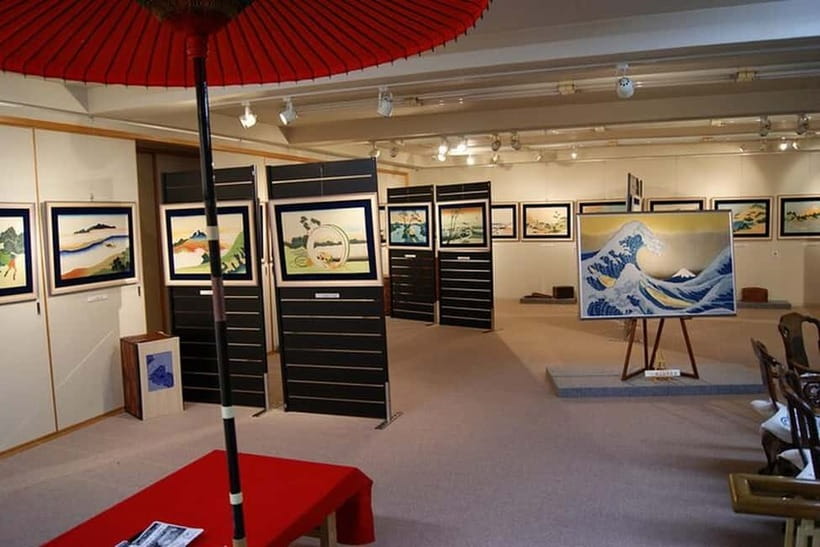
The Kyoto Shibori Museum opened in 2001 and focuses on shibori. While your fabric dries, you can look around at works made with the craft, along with valuable tools used in the process. That pairing is useful: the class gives you a small, personal example, while the displays show what the techniques can produce in more accomplished hands.
The museum presents shibori from several angles, through finished pieces and the tools involved in making them. You do not need to be a textile specialist to appreciate the contrast between a simple working method and the patterns it can create. For anyone with limited time in Kyoto, the included museum visit adds context without requiring a separate stop or ticket.
There is also a museum shop with original items, souvenirs, and fabrics. It gives you a chance to browse objects connected to the craft after seeing how some of the work is made. Prices and specific products are not provided, so treat it as an opportunity to look rather than a guaranteed place to find a particular item.
A five-minute walk from Nijo Castle
The museum is a five-minute walk from Nijo Castle, making the workshop easy to pair with a visit to that major Kyoto sight. The short distance is especially handy if you are planning a day around the area and want to add a craft activity without crossing the city.
The location also helps make the one-hour format worthwhile. You can spend a focused block of time making the scarf, look through the museum as your fabric dries, then continue with other nearby plans. The exact class start times vary, so check availability when choosing a date.
More Kyoto tours in Kyoto:
- PERFECT KYOTO 1-Day Bus Tour
★ 5.0 · 13,518 reviews - Kyoto: Fushimi Inari, Kinkakuji, Bamboo Grove 1 Day Bus Tour
★ 4.8 · 4,316 reviews - Kyoto: Tea Ceremony in a Traditional Tea House in Kiyomizu
★ 4.9 · 3,519 reviews - Kyoto Geisha Walking Tour: Gion District & Hidden Gems
★ 4.7 · 3,273 reviews
Is $70 good value?
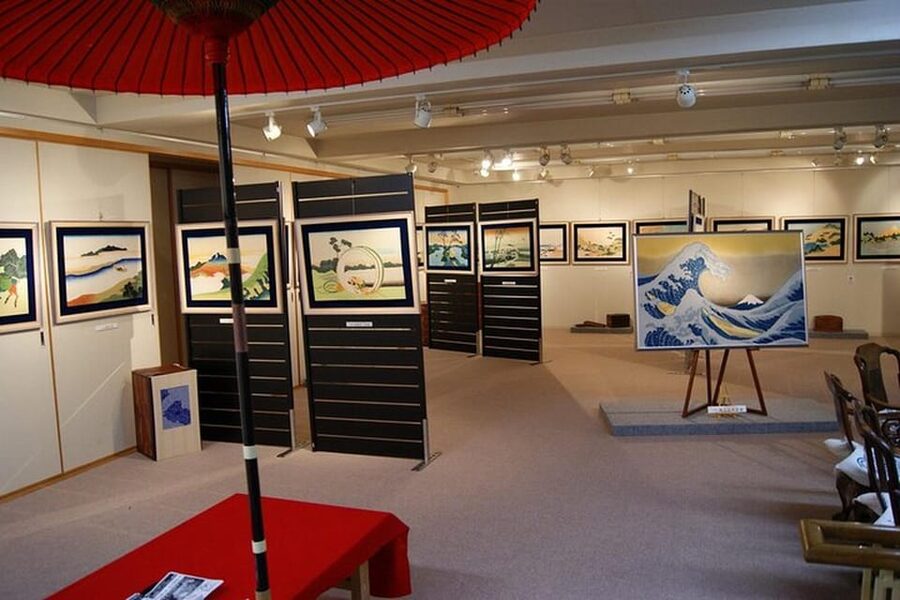
At $70 per person, this is more than a quick museum ticket. The price covers a small-group, hands-on lesson and admission to a specialist museum that normally costs 1,000 yen. You are also making a silk item rather than only watching a demonstration. Those elements make the price easier to justify if you value a practical cultural activity and a take-home result.
The value depends on what you want from the class. If you are curious about Japanese textiles, enjoy making things, or want a change of pace from temples and city sights, the workshop offers a memorable hour with substance. If you mainly want an in-depth museum visit, compare the class cost with your interest in making the scarf; admission alone is much less expensive.
The format is best for beginners, craft-minded visitors, and people who want a compact introduction to shibori. It may also suit couples or families looking for a shared activity, although no age guidance is provided. Anyone expecting advanced instruction, a long workshop, or a wide choice of finished designs should check those details before booking.
Should you book the shibori class?
I would choose this workshop if you want to understand shibori by trying it, not just by looking at examples. The combination of winding, sewing, dyeing, museum displays, and included admission gives the hour a clear purpose. Its small group and English-language instruction are practical advantages, and the five-minute walk from Nijo Castle makes it simple to fit into a Kyoto day.
Skip it if your priority is a long, technical course or if you have no interest in making a textile. The class is brief, and details such as scarf size and color options are not specified. For a first hands-on encounter with a traditional craft, though, it is a focused and appealing use of an hour.
FAQ
How long is the Shibori Fukusa course?
The activity is listed as one hour. The hands-on class itself is described as lasting 30 to 60 minutes.
What techniques will I learn?
You will try Kasamaki shibori, a winding technique, and Nuishime shibori, a sewing technique.
What will I make?
You will work on a silk fabric intended to become a shibori scarf. The fabric has a background pattern and is dyed after the techniques are applied.
Is museum admission included?
Yes. Workshop participants receive free admission to Kyoto Shibori Museum, which normally costs 1,000 yen.
What languages are available?
Instruction is available in English and Japanese.
How many people can join the class?
The small group is limited to eight participants.
How close is the museum to Nijo Castle?
Kyoto Shibori Museum is a five-minute walk from Nijo Castle.
Newly added in Kyoto
- Uji: Private immersion into Kyoto’s tea and reglious culture★ 5.0 · 17 reviews
- Whisk Your Own Matcha: A Zen Matcha Experience at Temple★ 3.6 · 7 reviews
- Kyoto tea town for matcha lovers★ 5.0 · 16 reviews
- Treasures of Kyoto: Gion & historical Walking Tour★ 5.0 · 6 reviews
- Kyoto Matcha Green Tea Tour★ 4.5 · 23 reviews
- Uji and Wazuka Matcha Farm Half Day Private Guided Tour★ 5.0 · 21 reviews
- Uji Tea Ceremony and UNESCO Heritage Walking Tour★ 5.0 · 20 reviews
- Utilising upcycled Matcha! Creating matcha incense (Uji, Kyoto)★ 5.0 · 6 reviews
Museums, compared.
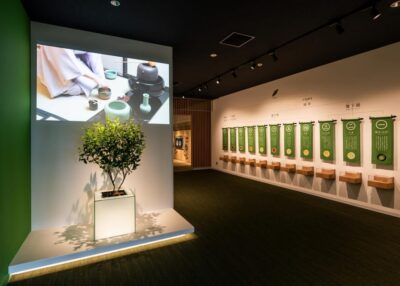
Tea Museum Tickets and Matcha Grinding Experience
Read our review →
Skip the lines Basic Ticket at SAMURAI NINJA MUSEUM KYOTO
Read our review →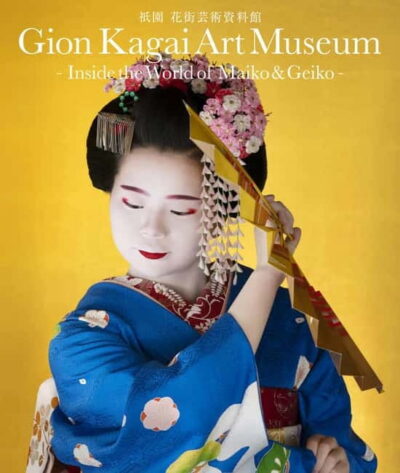
Geiko Maiko Dance of Kyoto & Visits of Gion Museum
Read our review →
Kyoto Sword Experience – includes Museum Ticket/Ninja Experience
Read our review →

Ninja Experience (Family Friendly) at Samurai Ninja Museum KYOTO
Read our review →
Family-Friendly Sword Lesson at Samurai Ninja Museum
Read our review →Browse the lists this tour appears in