
Reviewed · KYOTO FOOD TOURS
Sushi or Traditional Japanese Cuisine in a Kyoto Home with Emika
A meal in Emika’s Kyoto home trades restaurant polish for something more personal: a place at the table, seasonal Japanese cooking, and conversation with a local. The roughly 90-minute visit brings you together for a home-cooked meal that may include sushi, miso soup, rice, Obanzai dishes, and a sweet served with matcha.
I like two things in particular: the chance to learn about Obanzai, Kyoto cooking built around seasonal vegetables and seafood, and the traditional matcha preparation that begins or ends the meal. Emika may use produce from her own garden, and her father may serve the tea. The main consideration is that this is a short, home-based visit, not a full cooking class or a broad food tour.
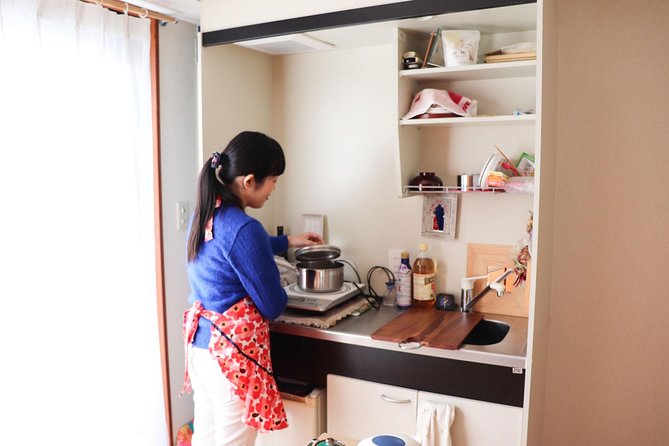
- Emika’s home is the setting: This private meal gives you a glimpse of everyday hospitality rather than a restaurant dining room.
- Obanzai changes with the season: Dishes use seasonal vegetables and seafood, so the menu can vary.
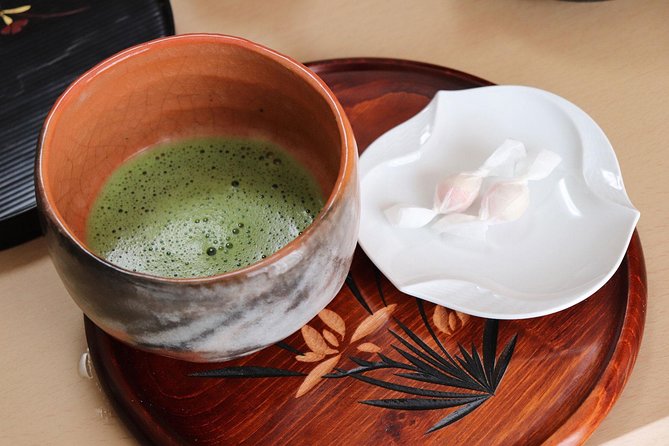
- Matcha is part of the visit: Emika or her father prepares green tea in the traditional style, sometimes as a small tea ceremony.
- Lunch or dinner fits around your day: Both times are available, and the meal lasts about an hour and a half.
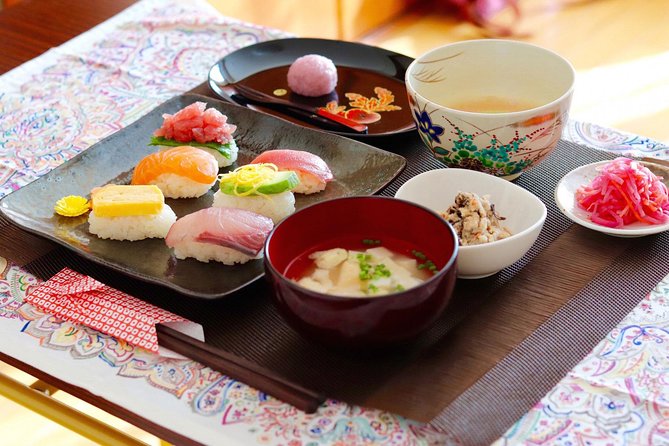
- The food is the focus: Expect home cooking such as sushi, miso soup, rice, Obanzai, and sweets, with local alcohol included.
- It is private for your party: You share the table with Emika rather than joining a large group.
Arriving at Emika’s Kyoto Home
The meeting point is 31-30 Katsurainariyamachō in Kyoto’s Nishikyo Ward, and the experience ends at the same address. There is no hotel pickup or drop-off, so you’ll need to make your own way there. The location is near public transportation, but check your route and allow time to find the exact address before you set out.
That practical detail matters more than it might for a restaurant meal. You are visiting a private home, and the visit itself lasts only about 90 minutes. Arriving on time gives you the full chance to sit down, eat, and talk without turning the meal into a rushed stop between other plans.
The home setting is the point. You are not watching a staged restaurant service from across a counter; you are sharing a table with a Kyoto resident. That can make the experience feel more personal, though it also means the format is intimate and conversational rather than a structured tour with a long list of stops.
Starting with Matcha and a Welcome
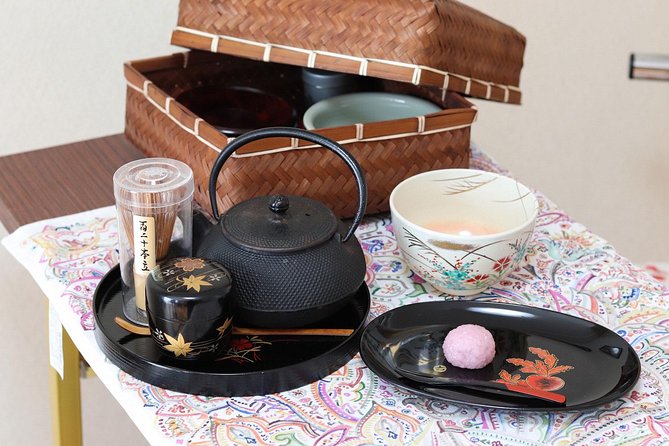
The meal begins or ends with freshly made matcha, prepared by Emika or her father. The tea is served in the traditional style, and the visit may include a small tea ceremony. One account of the experience describes Emika’s father as a master of the tea ceremony, so you may have the chance to see this tradition handled by someone with particular expertise.
Matcha offers a useful window into the care given to ordinary rituals in Japan. It is not simply a cup of green tea added to the menu. The preparation gives the meal a moment of pause, and the sweet served alongside it helps round out the taste of the tea.
If you have never tried matcha, expect a distinct flavor that can be more grassy and concentrated than the tea you may be used to. The point here is not to turn you into a tea expert in a few minutes. It is a chance to see how tea fits into a host’s way of welcoming you.
More food tours in Kyoto:
- Ramen Cooking Class at Ramen Factory in Kyoto
★ 5.0 · 1,937 reviews - Kyoto Night Foodie Tour in Gion (9+ dishes + 6 Sake tastings)
★ 5.0 · 1,762 reviews - Kyoto: Izakaya Bars Guided Walking Tour
★ 4.9 · 815 reviews
A Seasonal Obanzai Meal at the Table
The meal centers on Obanzai, traditional Kyoto home cooking made with seasonal vegetables and seafood. The dishes may include miso soup and rice, alongside a variety of prepared sides. Sushi may also be part of the meal, and the exact menu varies with the season.
That changing menu is a strength if you want a sense of how home cooking follows the calendar. Instead of expecting the same fixed plate on every visit, you can ask what is in season and how the dishes are made. Emika has been described as cooking with fresh ingredients, including produce grown largely in her own garden. That is a lovely possibility, though the menu and source of each ingredient can change.
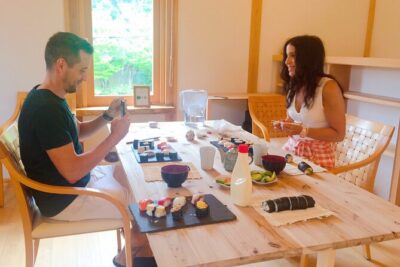
The meal is served around a dining table, which encourages conversation as you eat. Emika can explain the food, traditional preparation, and aspects of life in Kyoto. Some visitors have learned how sushi and miso soup are traditionally made during the meal, but it is not presented as a hands-on cooking class. If you are hoping to cook a full meal yourself, this is not the right format. If you want to eat home cooking while asking questions at a natural pace, it makes better sense.
The food is homemade, and that is part of its appeal. You may find the dishes less uniform than restaurant fare, but you gain the chance to see how a local host chooses and serves a meal. For many people, that exchange is the most memorable ingredient.
Conversation with Emika, Not a Scripted Performance
Emika is a Kyoto native, and the visit is private and personalized for your group. The best way to approach it is as a shared meal with a host, not as a formal lecture. Conversation may range from ingredients and cooking methods to Kyoto life and local customs. The meal’s easy pace leaves room for questions without forcing every moment into a planned presentation.
The available accounts describe Emika as warm, gracious, polite, and at times quietly witty. That suggests a gentle host rather than an entertainer working a room. If you prefer a lively, highly scripted guide, this may feel subdued. If you enjoy a calm meal and the small details that emerge through conversation, her style sounds well suited to the setting.
Because this is a private activity, only your group participates. That can make it easier to ask personal questions or discuss dietary needs than in a large group. Still, share any dietary requirements in the Special Requirements box when booking. The menu varies seasonally, and advance notice gives the host a chance to consider your needs.
What 90 Minutes Can and Cannot Do
At about an hour and a half, the visit is compact. You have time to meet Emika, share the meal, talk about the food, and enjoy matcha and a sweet. It can fit into a lunch or dinner slot without taking up most of your day.
The trade-off is that you should not expect a long culinary workshop or an extended cultural program. The experience is built around one meal in one home. If you want several restaurants, a market visit, or a hands-on class, you will need to arrange those separately.
I would avoid scheduling this too tightly against another fixed activity. The listed duration is approximate, and a meal with conversation is more enjoyable when you are not watching the clock. Choose lunch or dinner based on your day, then leave enough breathing room to enjoy the tea and talk.
More Kyoto tours in Kyoto:
- PERFECT KYOTO 1-Day Bus Tour
★ 5.0 · 13,518 reviews - Kyoto: Fushimi Inari, Kinkakuji, Bamboo Grove 1 Day Bus Tour
★ 4.8 · 4,316 reviews - Kyoto: Tea Ceremony in a Traditional Tea House in Kiyomizu
★ 4.9 · 3,519 reviews - Kyoto Geisha Walking Tour: Gion District & Hidden Gems
★ 4.7 · 3,273 reviews
Is $79 Worth It?
At $79 per person, this costs more than a casual meal at many Kyoto restaurants. But you are paying for more than food: the price includes a private, home-cooked Japanese meal, local alcohol, a personal host, and the chance to learn about Obanzai and traditional matcha in a resident’s home.
The value depends on what you want from a meal. If your priority is the lowest-cost way to eat sushi or Japanese food, you can likely find a simpler option elsewhere. If you want a personal cultural exchange and an introduction to Kyoto home cooking, the added cost buys a different kind of evening or lunch.
The menu is seasonal, which makes exact comparisons difficult. You are not booking a fixed list of dishes, and you should not assume that every meal includes the same sushi, sides, or ingredients. The draw is the home setting and the interaction around the food, not a guaranteed tasting menu.
Who Will Enjoy This Meal Most?
This experience suits curious eaters who like asking about the food in front of them. It is especially appealing if you want to try seasonal Kyoto cooking, learn a little about Obanzai, and share a meal with a local rather than dine in another restaurant.
It can also work well for visitors who want a calm cultural activity between sightseeing days. Lunch and dinner options make it easier to plan, and the private format avoids the pace and noise of a large group. If you are traveling with someone who enjoys conversation and traditional food, this can be a thoughtful shared experience.
It may be less suitable if you want a cooking class, a long tea ceremony, or a guaranteed menu tailored to a particular dish. The visit is short, the menu changes, and the focus is a meal hosted in a home. Set those expectations and the format becomes clear.
Booking and Practical Details
The activity is offered by Traveling Spoon, uses a mobile ticket, and confirmation is provided at booking. It is booked on average 25 days in advance, so it is sensible to plan ahead if you have a particular date in mind. The experience allows service animals, and it is near public transportation.
You can cancel for a full refund up to 24 hours before the start time. Changes made less than 24 hours before the experience are not accepted, and cancellations inside that window are not refunded. Those cut-off times use Kyoto local time.
Should You Book?
Book this if you value a personal meal and local conversation as much as the food itself. Emika’s home-cooked dishes, seasonal Obanzai, and traditional matcha make a distinctive break from restaurant dining, with the added warmth of a private host.
Skip it if you mainly want a hands-on cooking lesson, a long tea ceremony, or the cheapest possible meal. For a compact introduction to Kyoto home cooking and hospitality, though, the $79 price can be worthwhile, especially if you are ready to let the conversation and changing seasonal menu shape the visit.
FAQ
How long does the experience last?
It lasts approximately 1 hour and 30 minutes.
Is the meal private?
Yes. It is a private activity, and only your group participates.
What food might be served?
The meal may include sushi, miso soup, rice, traditional Obanzai dishes, and a sweet to accompany matcha. The menu varies by season.
Is matcha included?
Yes. Matcha is prepared in the traditional style by Emika or her father, and the visit may include a small tea ceremony.
Are lunch and dinner times available?
Yes. You can choose a lunch or dinner time.
Is alcohol included?
Yes. Local alcohol is included.
Is transportation to the home provided?
No. Hotel pickup and drop-off are not included. The meeting point is in Kyoto’s Nishikyo Ward, near public transportation, and the activity ends back there.
Newly added in Kyoto
- Uji: Private immersion into Kyoto’s tea and reglious culture★ 5.0 · 17 reviews
- Whisk Your Own Matcha: A Zen Matcha Experience at Temple★ 3.6 · 7 reviews
- Kyoto tea town for matcha lovers★ 5.0 · 16 reviews
- Treasures of Kyoto: Gion & historical Walking Tour★ 5.0 · 6 reviews
- Kyoto Matcha Green Tea Tour★ 4.5 · 23 reviews
- Uji and Wazuka Matcha Farm Half Day Private Guided Tour★ 5.0 · 21 reviews
- Uji Tea Ceremony and UNESCO Heritage Walking Tour★ 5.0 · 20 reviews
- Utilising upcycled Matcha! Creating matcha incense (Uji, Kyoto)★ 5.0 · 6 reviews
Kyoto Food Tours, compared.

Ramen Cooking Class at Ramen Factory in Kyoto
Read our review →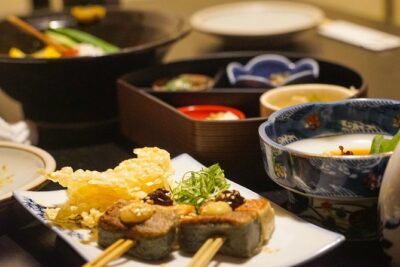
Kyoto Night Foodie Tour in Gion (9+ dishes + 6 Sake tastings)
Read our review →
Sushi Making in Kyoto! Same-day bookings welcome!
Read our review →
Insider Sake Brewery Tour with Sake and Food Pairing
Read our review →
Ramen Cooking Class at a Ramen Factory with Souvenir
Read our review →
The Original Small-Group Sushi Making Class in Kyoto
Read our review →Browse the lists this tour appears in