Reviewed · KYOTO TOURS
Traditional Japanese Knife Sharpening Class in Kyoto
A kitchen knife is more than a tool in this Kyoto class: it becomes the subject of a lesson in Japanese craftsmanship, steel, and the patient work of sharpening. You’ll hear how knives are made and used, then put the theory to work on a blade of your own.
I like two things in particular: you learn by handling whetstones of different grits, not just watching a demonstration, and the class is small, with no more than six participants. The instructor Clement is praised for keeping conversation going as you learn, and one participant was especially pleased to take home a Santoku knife.
One point to weigh: at $97.55 for about two hours, this is a specialist activity, not a bargain-basement cooking lesson. It makes sense if you value the instruction and the knife you take home. The stated stop is Kamo Onsen, while the meeting and finish point is a knife shop, so check the exact location details before setting out.
The details worth knowing before you book
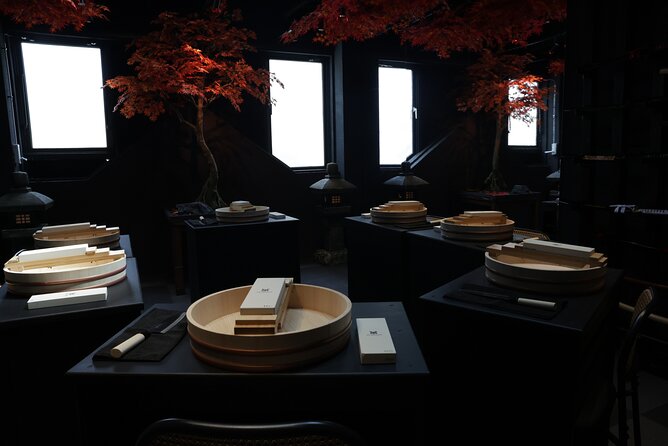
- You sharpen a knife yourself: This is a practical class, with supervised work on whetstones rather than a talk alone.
- You’ll learn the why as well as the how: The session covers knife history, steel types, and sharpening theory before you put the ideas into practice.
- Different grits matter: You’ll work with whetstones of various grits, a central part of the class and a useful foundation for future sharpening.
- The group is capped at six: That small limit suits a hands-on activity where you may want individual guidance.
- You take home your sharpened blade: The finished knife is both a practical souvenir and a reminder of what you learned.
- Plan around the named meeting point: The class starts and ends at MUSASHI JAPAN Kyoto Sanjo, though Kamo Onsen is also named as a stop. Confirm the venue details before you go.
At the whetstones, theory turns into practice
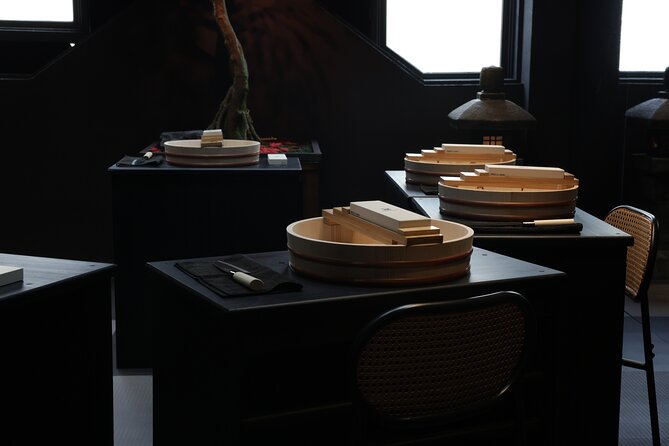
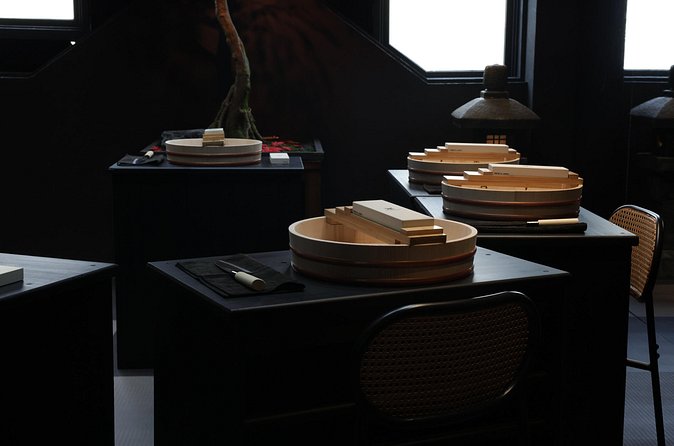
This class is built around a satisfying shift: first you learn how knives and sharpening work, then you do the work yourself. The session covers knife history, types of steel, and the theory behind sharpening. That background helps make the hands-on portion more than a matter of copying someone’s movements. You begin to understand why the blade and the stone matter.
The practical focus is the whetstone. You’ll use stones of different grits under the guidance of an experienced instructor, working on your own blade. The description does not set out an exact sequence of techniques or name the grits, so don’t expect a detailed syllabus in advance. What is clear is that the class is meant to give you both the context and the chance to practise.
That combination makes the activity appealing to more than professional cooks. If you like cooking, enjoy working with your hands, or simply want to understand a tool you use every day, the subject has an immediate connection to home life. And if you’re drawn to Japanese craft, sharpening offers a close-up look at the care that can go into maintaining a useful object.
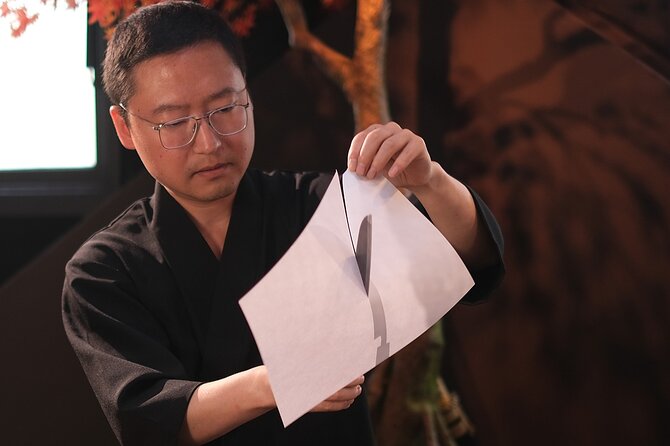
The instructor is an important part of the experience. Clement is singled out for being a strong leader who chats with participants as they learn. That sounds like a good fit for a class where you may have questions while handling a blade and stone. The group limit of six should also help keep the setting personal, though it does not guarantee one-to-one instruction throughout.
More Kyoto tours in Kyoto:
- PERFECT KYOTO 1-Day Bus Tour
★ 5.0 · 13,518 reviews - Kyoto: Fushimi Inari, Kinkakuji, Bamboo Grove 1 Day Bus Tour
★ 4.8 · 4,316 reviews - Kyoto: Tea Ceremony in a Traditional Tea House in Kiyomizu
★ 4.9 · 3,519 reviews
What two hours can teach you
Two hours is enough time for a focused introduction, but not a promise of mastery. Think of the class as a useful first step: you’ll meet the tools, hear the underlying ideas, and get supervised practice. Sharpening well takes care and repetition, so the lasting value may be less about leaving as an expert and more about having a clearer sense of what the process involves.
The format also gives you a reason to pay attention to details you might otherwise overlook. Steel types and knife history can sound abstract, but they help explain why a blade is not simply a piece of metal that needs rubbing against a stone. The class connects that background to the act of sharpening, which gives the subject more meaning than a quick demonstration would.
You’ll need to be comfortable following instructions and working carefully. The class is open to most participants, according to its practical information, but it involves handling a knife. If you’re unsure whether the activity suits you, ask the provider before booking rather than assuming the class can adapt to every need.
A useful souvenir, not just another Kyoto trinket
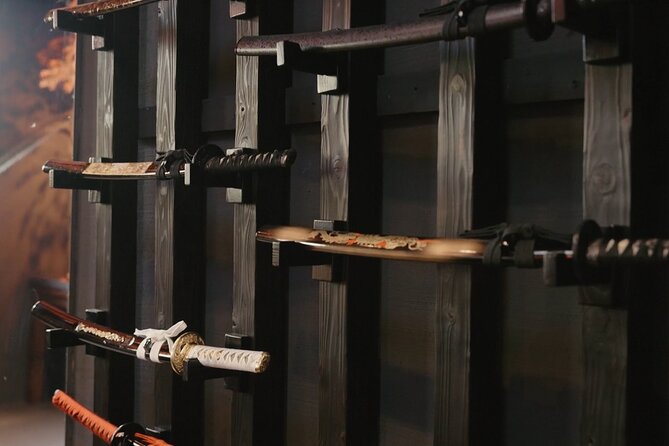
The clearest reward comes at the end: you take home the knife you sharpened. That makes this a more useful souvenir than a small decorative object, especially if you cook regularly. Each time you use it, you’ll have a reason to remember the session and the new skill behind it.
One participant specifically mentioned taking home Santoku knives and being happy with them. Santoku is a familiar Japanese knife style, but the available details do not say that every participant receives or sharpens one. If the knife type matters to you, ask the provider what blade is included before you reserve.
It is also worth clarifying what the take-home knife means in practical terms. The class information says you leave with the knife you sharpen, but does not specify whether the blade is supplied, whether you bring one, or whether there are choices. Those details can affect both the value and what you need to prepare, so they are sensible questions to ask ahead of time.
Meeting at MUSASHI JAPAN Kyoto Sanjo
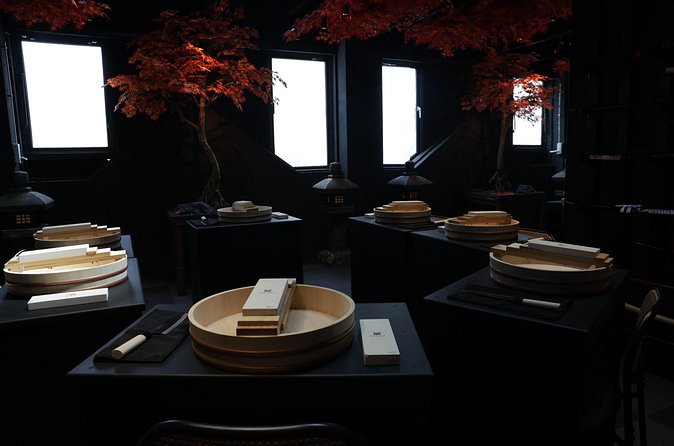
The stated start and end point is MUSASHI JAPAN Kyoto Sanjo, a knife shop at Ishibashichō in Nakagyo Ward, Kyoto. The address includes the building name BiGBoSS and postal code 604-8036. The activity ends back at the meeting point, so you do not need to arrange a separate return transfer.
The location is described as near public transportation, which is helpful in a city where you may be moving between neighbourhoods by train or bus. Still, allow time to find the shop and arrive at the correct entrance. The meeting details name the knife shop, while Kamo Onsen appears as the stated stop without further explanation. Since those details do not clearly describe the same place, confirm where the lesson itself takes place before you travel there.
The class is about two hours long. That makes it relatively easy to fit into a Kyoto day, but it still deserves a clear space in your schedule. You’ll want enough time to reach the meeting point without rushing, especially if this is your first visit to the area.
Same city, a different side of it:
- Kyoto Geisha Walking Tour: Gion District & Hidden Gems
★ 4.7 · 3,273 reviews - Kyoto: Tea Ceremony Ju-An at Jotokuji Temple
★ 4.9 · 3,207 reviews - Kyoto: Gion Magical Night Walking Tour with Geisha Trivia
★ 4.9 · 2,393 reviews - Kyoto: 45-Minute Tea Ceremony Lesson Experience
★ 4.3 · 2,378 reviews
Is $97.55 good value?
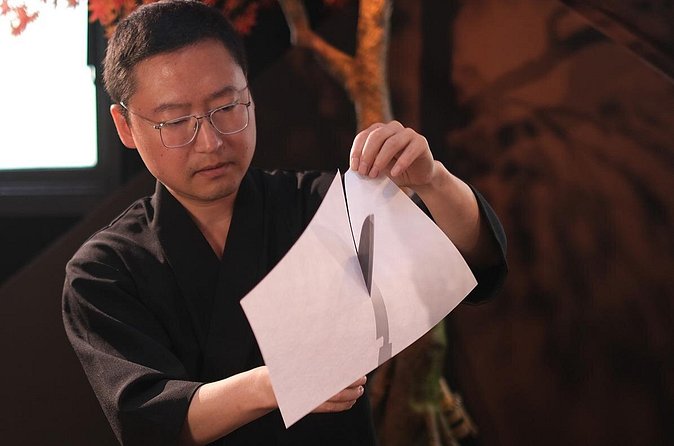
At $97.55 per person, this costs more than a casual demonstration or a short museum visit. The value depends on what you want from the experience. You’re paying for a small-group, hands-on lesson, instruction on knife and steel basics, supervised practice with whetstones, and a sharpened knife to take home. If you’ll use the knife and enjoy learning a practical craft, the price has a tangible return.
If you’re mainly looking for a quick cultural activity or a photo stop, the class may not be the best use of your budget. Its appeal is in doing careful work and learning something you can carry into your kitchen. You should also check what knife is included and whether any additional costs apply, since those details are not stated here.
The class has a maximum of six participants, which is a useful feature at this price. A small group can make it easier to ask questions and get guidance while you practise. The class has a 5.0 rating from three ratings, a strong early signal, though that is a very small sample. I’d treat it as encouragement, not a guarantee that every session will be exactly the same.
Who will get the most from this class
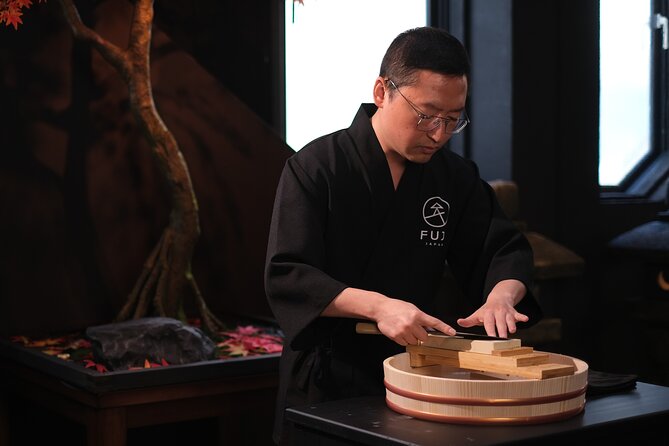
This experience is best for people who enjoy cooking, tools, or hands-on craft. You do not need to be a professional cook to appreciate learning about steel and sharpening. If you own a kitchen knife and have wondered how it stays sharp, you’ll have an immediate reason to pay attention.
It may also suit a couple or a small group of friends who want an activity with more substance than shopping. The class is not simply about buying a knife; the central point is learning to sharpen one yourself. That makes it a good choice for someone who likes practical souvenirs and is happy to spend part of a Kyoto day focused on a single skill.
On the other hand, it is a narrow subject. If you have little interest in cooking, knives, or working with your hands, the technical focus may not hold your attention. Consider whether you’d enjoy the process, not just the idea of taking home a Japanese knife.
A few practical checks before you reserve
Confirmation is provided at booking, and the activity is described as suitable for most participants. The maximum group size is six. It also requires good weather; if poor weather causes a cancellation, you’ll be offered another date or a full refund.
You can cancel for a full refund up to 24 hours before the start time. Within 24 hours, the payment is not refunded, and changes made that late are not accepted. The time cut-off follows local time in Kyoto, so keep that in mind if you are booking from another time zone.
Before you go, confirm the exact meeting location and the knife you’ll work on. Those are the most useful unanswered details, particularly because the named stop and the meeting point do not match clearly. Once you have that sorted, the rest is simple: arrive ready to listen, work carefully, and leave with a sharper blade.
Should you book this Kyoto knife class?
Book it if you’re curious about Japanese knives and want to learn by doing, not just watch a demonstration. The combination of knife history, steel basics, whetstone practice, a small group, and a take-home blade gives the two-hour session a clear purpose.
Skip it if you want a broad introduction to Kyoto or a low-cost activity with little practical focus. And before paying, confirm the venue and what kind of knife is included. If those details suit you, this is a thoughtful way to spend part of a Kyoto day, with a skill and souvenir that can come home to your kitchen.
FAQ
How long is the class?
The class lasts about two hours.
Where does the class start?
It starts at MUSASHI JAPAN Kyoto Sanjo Knife Shop, at Ishibashichō in Nakagyo Ward, Kyoto, postal code 604-8036.
Where does the class end?
It ends back at the meeting point, MUSASHI JAPAN Kyoto Sanjo.
What does the class teach?
You’ll learn about knife history, steel types, and sharpening theory, then practise sharpening a blade with whetstones of different grits.
Can I take a knife home?
Yes. You can take home the knife you sharpen during the session.
How many people can join?
The maximum group size is six participants.
How much does the class cost?
The listed price is $97.55 per person.
What is the cancellation policy?
You can cancel for a full refund at least 24 hours before the start time. Cancellations or changes made less than 24 hours beforehand are not accepted for a refund or change. If poor weather causes the activity to be cancelled, you’ll be offered another date or a full refund.
Newly added in Kyoto
- Uji: Private immersion into Kyoto’s tea and reglious culture★ 5.0 · 17 reviews
- Whisk Your Own Matcha: A Zen Matcha Experience at Temple★ 3.6 · 7 reviews
- Kyoto tea town for matcha lovers★ 5.0 · 16 reviews
- Treasures of Kyoto: Gion & historical Walking Tour★ 5.0 · 6 reviews
- Kyoto Matcha Green Tea Tour★ 4.5 · 23 reviews
- Uji and Wazuka Matcha Farm Half Day Private Guided Tour★ 5.0 · 21 reviews
- Uji Tea Ceremony and UNESCO Heritage Walking Tour★ 5.0 · 20 reviews
- Utilising upcycled Matcha! Creating matcha incense (Uji, Kyoto)★ 5.0 · 6 reviews
Kyoto Tours, compared.


Fushimi Inari, Kinkakuji, Bamboo Grove 1 Day Bus Tour
Read our review →
Tea Ceremony in a Traditional Tea House in Kiyomizu
Read our review →
Kyoto Geisha Walking Tour: Gion District & Hidden Gems
Read our review →
Gion Magical Night Walking Tour with Geisha Trivia
Read our review →